
Most gum flavors you’ll see online in Canada fall into a few big families—mint, fruit, spice, and classic bubble gum—sold as chewing gum for breath-freshening, bubble gum for fun, and occasional novelty or nostalgic lines. For everyday chewing (peppermint, spearmint, wintermint, simple fruits), Canadian grocery sites and large marketplaces usually have all you need. If you’re chasing odd flavors (licorice, cinnamon blaze, sour fruit blends) or you want bulk for resale, you’ll often need specialty candy retailers or cross-border marketplaces and a closer look at ingredients, sweeteners, and packaging details before you buy.
This guide maps the main gum flavor types to real products Canadian buyers actually encounter, then shows how to judge quality from a listing and which channels make sense for different flavor goals.
What “gum flavors” means for Canadian online buyers
When you search “gum flavors” from Canada, you’re really shopping across a few product types:
Chewing gum (breath-freshening, everyday flavor) Chewing gum is mainly about flavor enjoyment and fresher breath. It tends to be firmer than bubble gum and designed for longer flavor release, with a gum base geared to chewing rather than bubble-blowing. Common flavor families are:
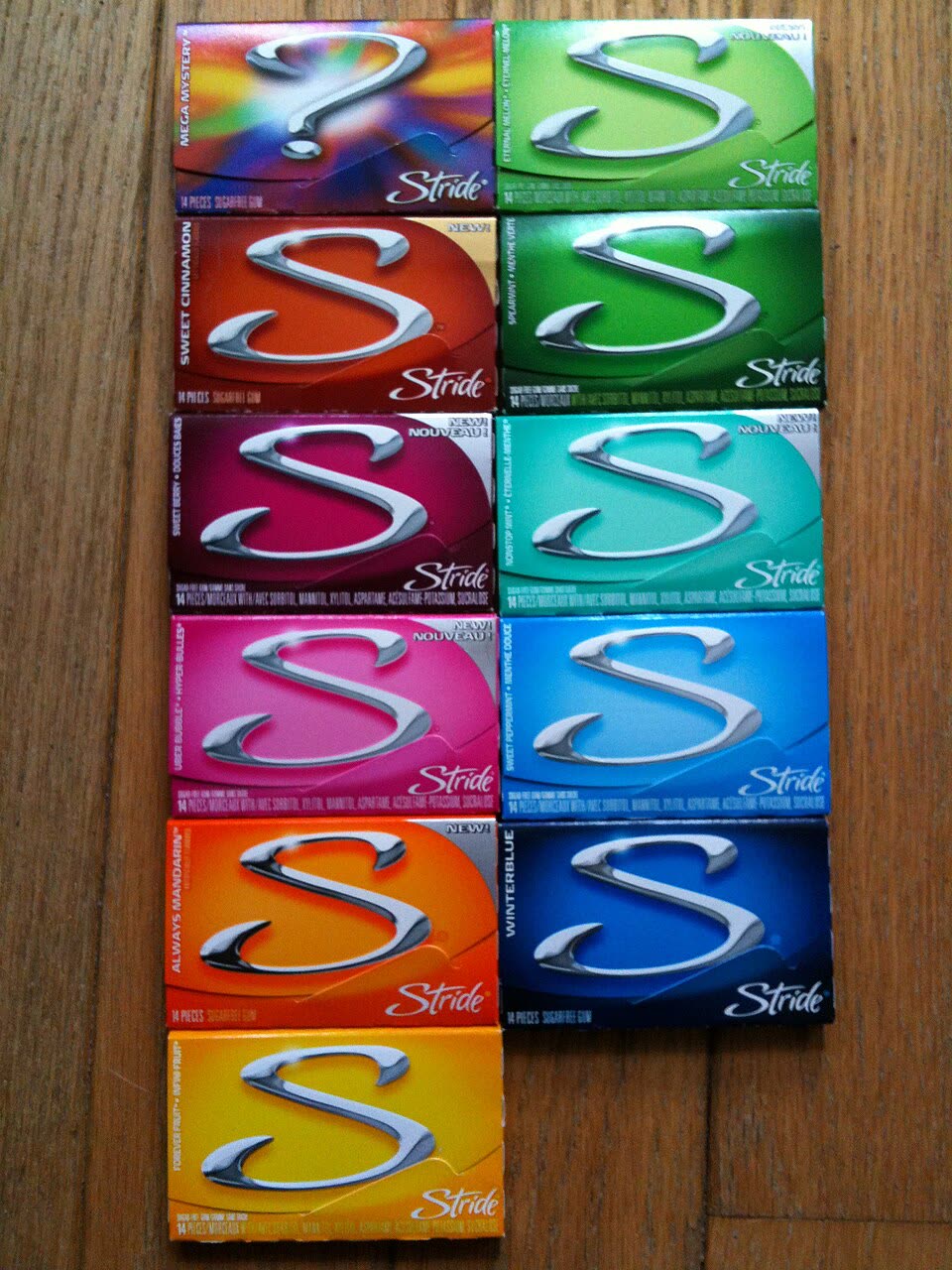
- Mint: peppermint, spearmint, wintermint, mixed mint blends. Brands like Dentyne and Excel (documented in this Excel gum overview) offer multiple mint profiles—cooling, sweet, or sharper.
- Fruit: simple profiles like strawberry or watermelon; mixed fruit like tropical blends. These often show up as sugar-free variants or standard sugared gum.
- Spice and aromatics: cinnamon, clove-like spice, or herbal twists. These are less common on mass grocery sites but still present in some lines.
Bubble gum (sweet and playful) Bubble gum, as described in bubble gum history and usage, uses a different base optimized for blowing bubbles and usually leans sweeter and softer. Flavor profiles include:
- Classic “bubble gum” flavor: a particular sweet, slightly fruity profile that’s become its own category.
- Candy-like fruits: grape, cotton candy, blue raspberry—more about nostalgia than subtle taste.
Novelty and nostalgic gums Specialty candy sites and bulk retailers often stock gums that play on retro brands, odd flavor combos, or strong spice/licorice notes. A chewing-gum range on Candy Nation highlights how wide it can get: old-school chicle tabs, cinnamon sticks, and other niche flavors.
For a Canadian buyer or small ecommerce seller, thinking in these buckets—breath-freshening chewing gum vs sweet bubble gum vs novelty—helps you narrow channels. Mint and mainstream fruit are easy to find in domestic marketplaces; intense spice, nostalgic brands, or unusual fruit blends tend to live on specialty and cross-border platforms.
Flavor, ingredients, and pack format: judging gum quality from a listing
You can’t taste gum through a screen, but you can screen listings using a few very specific signals.
1. Flavor and intensity expectations
Product lines are often positioned by flavor family and intensity rather than just a name. 5 Gum, for instance, is sold in distinct lines like mint vs fruit and marketed as intense, long-lasting chewing gum, with flavors such as watermelons or bold spearmints highlighted in collections on Candy Warehouse’s 5 Gum page and the flavor breakdown on LiquiSearch’s product overview.
What to look for in the listing:
- Flavor family first: is it clearly a mint, fruit, bubble gum, or spice product?
- Descriptor words: “cool”, “bold”, “sweet”, “sour”, “cinnamon” give clues about how intense it might be.
- Line name vs flavor name: if you’re reselling, note these carefully so customers can understand differences (e.g., a “wintermint” line vs basic “peppermint”).
2. Ingredients and sweeteners
For flavored gum—especially if you plan to resell—you should compare more than just flavor:
- Ingredients list: check whether it’s sugar-based or sugar-free, and whether there are any common allergens or animal-derived ingredients if your audience cares about that.
- Sweeteners: sugar-free gums often use polyols or alternative sweeteners. Different audiences may prefer one type over another, and some buyers will look for simpler formulations.
When buying on large marketplaces or cross-border platforms (including DHgate), treat ingredient checks as your first filter: avoid listings that don’t show a clear ingredients panel photo or text, and ask the seller for packaging photos if the information feels incomplete.
If you’re new to DHgate as a marketplace, it’s worth reading up separately on how it works and how to vet sellers—this explainer on DHgate’s structure and the guide on finding trusted sellers are good grounding before you place any bulk gum order.
3. Texture, format, and pack size
Texture and format affect how people experience flavor and how you price or merchandise gum:
- Format: sticks, pellets, tabs, or small spheres. Sticks feel familiar for classic brands; pellets and tabs are common for modern sugar-free mints and are easy to share.
- Pack type: single packs, multi-packs, canisters, or resealable bags. On Canadian marketplaces such as Walmart.ca’s gum flavors section, it’s common to see assorted flavors sold in multi-packs and variety packs, which can be attractive for resellers or event use.
- Count per pack: needed for cost-per-piece math. If you’re reselling online, this helps you set bundle sizes and margins.
A practical checklist before checkout:
- Confirm ingredients and sweetener type from photos or text.
- Verify pack size and total piece count, especially in multi-flavor assortments.
- Scan ratings and written reviews for comments on flavor strength, staleness, or broken seals.
- For cross-border orders, ask for recent packaging photos and expiry dates, then run through an internal order-readiness process like the one in this DHgate order checklist.
Where to buy different gum flavors online in Canada
Different channels shine for different flavor needs. Here’s how they generally break down for Canadian buyers.
Mainstream grocery and general marketplaces
Large Canadian-friendly sites focus on everyday chewing gum and bubble gum in familiar flavors:
- Grocery and big-box marketplaces: Walmart.ca’s dedicated gum-flavors category often lists assorted mint, fruit, and bubble gum in single packs and multi-packs, plus variety bundles of brands like Dubble Bubble, Excel, and Dentyne, as seen in the Walmart gum listings.
- Other general marketplaces: platforms such as Amazon.ca and Canadian Tire’s online store tend to mirror in-store assortments: classic mints, sugar-free breath-freshening gum, and popular bubble gum brands.
These channels are usually best when:
- You want common mint or fruit flavors with predictable rotation.
- You’re testing small quantities for a kiosk, office, or subscription box before committing to any niche flavor strategy.
Specialty candy retailers and bulk sites
Specialty candy retailers and bulk candy sites are where gum flavor variety opens up. Based on assortments described by retailers like Candy Nation and specialty collections on Candy Warehouse’s 5 Gum page, these channels often sell:
- Nostalgic chewing gum: chicle tabs, old-school cinnamon or licorice gums, branded retro products.
- Odd or seasonal flavors: sour fruit blends, holiday-themed mints, limited-edition runs.
- Large count bags or tubs: good for events, offices, or small ecommerce bundles.
They make sense if:
- Your brand story leans on nostalgia or discovery (retro candy boxes, surprise flavor subscriptions).
- You need consistent bulk supply of a smaller flavor set and prefer not to deal with overseas shipping.
Cross-border and wholesale-style platforms
Cross-border marketplaces sit between domestic retail and full wholesale. They may list:
- Offbeat flavors from other regions that never hit Canadian shelves.
- Unbranded or lesser-known gum in bulk formats that you can repackage or include as a secondary item.
DHgate is one such marketplace: useful to consider if you’re sourcing large quantities of gum or looking for unusual flavors or packaging from overseas sellers. But because DHgate aggregates independent sellers, you should treat each listing as its own business relationship—verify ingredients, pack details, expiry dates, and seller history rather than assuming consistency across the platform.
For a small Canadian ecommerce business, these channels are best used after you’ve validated demand using domestic sources. Start with mainstream mint or bubble gum via Canadian marketplaces and specialty candy sites, then experiment with cross-border orders in small test batches once you know a niche flavor resonates.
Quick channel comparison for gum flavors
Use this compact view as a sanity check when you’re deciding where to source a particular flavor:
| Channel type | Flavor range (typical) | Ideal use case in Canada | Risk/effort profile (editorial view) |
|---|---|---|---|
| Grocery/big-box marketplaces | Common mint, classic bubble, basic fruit | Personal use, office bowls, starter ecommerce | Low flavor variety, low sourcing complexity |
| Specialty candy & bulk sites | Wide mint, fruit, spice, nostalgic gums | Events, themed boxes, niche-flavor storefronts | Moderate variety, moderate vetting needed |
| Cross-border marketplaces | Niche regional, bulk, some unbranded | Experimental flavors, bulk price exploration | Higher vetting effort, shipping variability |
If you can’t find a flavor domestically—say a particular cinnamon intensity or a niche licorice gum—check specialty candy sites first. Cross-border marketplaces are a next step, not the first stop, because they add complexity around expiry, labeling, and logistics.