
Xiaomi phones are popular with budget‑conscious buyers because they often deliver modern processors, generous RAM and storage, big batteries, and capable cameras at prices below many US‑market flagships. That makes them appealing if you care more about hardware and value than brand prestige. For US shoppers, though, there are trade‑offs: imported Xiaomi phones may have limited 5G support, region‑specific warranties, and extra steps to buy through marketplaces like DHgate instead of a local carrier store. This guide walks through why Xiaomi might be a smart choice for you, which series to look at, and how to vet specs and sellers before you commit.
Because DHgateWiki is buyer‑first, the conclusion may be that a Xiaomi import isn’t the right move for your next phone—and that’s still a good outcome if it saves you from a bad purchase.
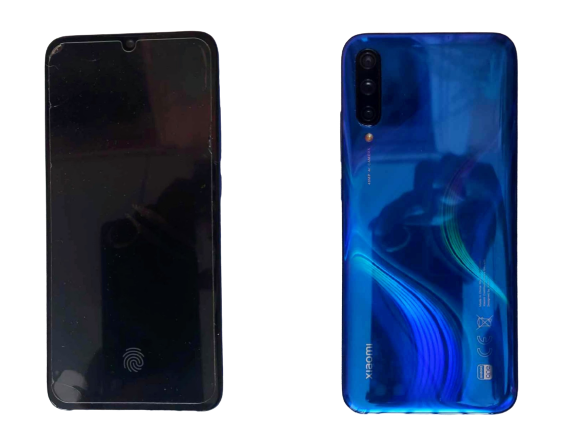
Why Xiaomi Phones Appeal to Value-Focused Buyers
Xiaomi is known globally for offering feature‑rich smartphones at aggressive prices. Tech sites that track the brand’s lineup point out that Xiaomi often ships phones with high‑end processors, fast charging, and large, bright displays at lower prices than many premium brands.descriptive source
Several themes explain why buyers keep coming back:
- Strong hardware for the money. Many Xiaomi phones pair Snapdragon or MediaTek processors with sizable RAM and storage. Midrange devices commonly illustrate this: for example, editorial coverage of models like the POCO X4 Pro highlights specs such as 8GB RAM and 256GB storage as typical of Xiaomi’s value‑focused approach.
- Big batteries and fast charging. Xiaomi devices frequently use 4,000-6,000mAh batteries, with midrange phones often around 5,000mAh. Reported fast charging on models like POCO X4 Pro shows the kind of real‑world convenience you can expect from much of the range, but actual charge times will vary; rely on independent testing rather than marketing alone.
- Cameras that punch above their class. Many Xiaomi phones offer high‑megapixel main cameras (108MP on some POCO and Redmi models) plus decent selfie cameras. This doesn’t automatically mean “best photos,” but it does mean you’re getting hardware that, on paper, competes with pricier phones.
- Breadth of options. Xiaomi offers multiple phone lines at different price points: premium number‑series flagships, Redmi for mainstream value, POCO for performance‑oriented buyers, and Black Shark gaming phones. That gives you room to match the phone to your actual use instead of paying for features you don’t need.Xiaomi brand overview
For many budget‑focused buyers, the core reason to purchase a Xiaomi phone is simple: they want modern smartphone performance without paying flagship‑brand prices, and Xiaomi often delivers that mix of specs and cost.
For US buyers specifically, you should add a few reality checks:
- Network band support is tailored to markets where Xiaomi officially sells phones; imported models may not get full LTE or 5G performance on all US carriers.
- Warranty and customer support are typically region‑bound; buying a “global” model from an overseas seller doesn’t guarantee US‑based repair options.
- Some software features, ads, or pre‑installed apps in Xiaomi’s MIUI/HyperOS may feel different from stock Android or iOS.
If you’re comfortable managing those trade‑offs, the value proposition can be very strong.
Xiaomi Phone Families and Which Type Fits Your Needs
To make a good decision, you need at least a rough mental map of Xiaomi’s main phone families. Xiaomi’s own catalog and independent buyer’s guides break them down into a few core lines.Xiaomi buyer’s guide
Here’s a practical way to think about them:
| Series / Line | Typical role in Xiaomi lineup | Who it suits best |
|---|---|---|
| Xiaomi number series (e.g., Mi / 13 / 15 family) | Core flagships and premium models | Buyers who want near‑flagship performance and cameras and are willing to import |
| Redmi (Note, standard Redmi) | Mainstream value, big screens, solid specs | Everyday users who want a capable phone at a midrange price |
| POCO (X, F, M series) | Performance‑oriented value, often gamer‑friendly | Users who care about speed, large battery, and good display without paying flagship prices |
| Black Shark | Gaming‑oriented phones with high performance | Mobile gamers willing to import a niche device |
A few concrete scenarios help sort this out:
You’re a photography-first buyer
You want a phone mostly for photos and social video, not hardcore gaming.
- Look at Xiaomi flagships and higher‑end Redmi/POCO models that advertise high‑megapixel main cameras (e.g., 108MP modules) and optical image stabilization (OIS) in reviews.
- Cross‑check sample photos from reputable reviewers like Android Central or Expert Reviews to see how those cameras behave in low light and video, not just marketing specs.
You’re a gamer or heavy multitasker
You care about frame rates, cooling, and responsiveness.
- POCO F‑series and some X‑series phones often use powerful Snapdragon chips and have large batteries and fast charging, making them good examples of Xiaomi’s performance‑for‑price strategy.
- Black Shark phones are gaming‑focused, with high‑end Snapdragon processors and gamer features like shoulder triggers; they’re more niche, but they show how far Xiaomi pushes performance for enthusiasts.
You just want a solid daily driver on a budget
You need a phone for calls, messaging, social media, and streaming, but don’t want to overspend.
- Redmi Note models and midrange POCO devices (like the X4 Pro class) typically combine 6-8GB RAM, 128-256GB storage, ~6.6-6.7″ displays, and 5,000mAh batteries—specs that should feel more than adequate for everyday use.
- Focus less on chasing the highest camera megapixels, more on battery capacity, charging speed, and network compatibility for your US carrier.
If you’re importing into the US, assume you’ll be buying an “unlocked” device without carrier subsidies and will have to do more homework on compatibility than you would with an iPhone or a Samsung sold by your carrier.
How to Evaluate Specs, Compatibility, and Sellers (Including on DHgate)
Once you’ve narrowed the kind of Xiaomi phone you want, the hard part is buying wisely as a US buyer—especially if you’re sourcing through cross‑border marketplaces.
1. Match hardware specs to your real usage
Use a short checklist that’s specific to Xiaomi’s usual spec patterns:
- Processor: Look for Snapdragon in performance‑oriented models (POCO, Black Shark, many flagships) if gaming or demanding apps matter to you; MediaTek can be fine in budget and midrange phones if you mostly browse, stream, and chat.
- RAM and storage: Many Xiaomi phones sit in the 4-8GB RAM and 64-256GB storage range. For US buyers today, 6GB/128GB is a reasonable floor for smooth everyday performance and app installs; 8GB/256GB feels comfortable for heavier users.
- Battery and charging: A 5,000mAh battery, as seen in devices like the POCO X4 Pro, is a good reference point if you want all‑day life. Fast charging claims are common; rely on independent reviews rather than seller descriptions to gauge heat and long‑term battery health.
- Camera: High megapixel counts (e.g., 108MP) are common in Xiaomi’s midrange and above. Pay attention to secondary details—OIS, night mode quality, and video stabilization—from review sites rather than just the spec sheet.
2. Check US network compatibility before you buy
Xiaomi doesn’t officially sell most phones through US carriers, so support for specific LTE and 5G bands can be hit or miss.
Do this before you click Buy:
- Find the exact model number (not just “POCO X4 Pro”—look for designations like 2201116PG in spec sheets or retailer listings).
- Compare its listed bands against your carrier’s published bands. Major US carriers publish their LTE/5G band lists on their support sites.
- Search for US user reports on forums like r/Xiaomi or r/miui describing real‑world performance of that specific model on your carrier.
If you can’t verify band support, treat the listing as risky—you may end up with spotty coverage or missing 5G.
3. Understand warranty and service limits
Xiaomi’s warranty terms depend on where the phone was bought and for which region it was intended. Many models are covered by manufacturer warranties in markets where they’re officially sold, but that coverage may not apply if:
- You import a phone that was originally destined for another region.
- Your proof of purchase doesn’t match the service center’s region requirements.
Before buying, check Xiaomi’s regional site (for example, Xiaomi US or the relevant global site) for the current warranty wording and see whether imported devices are eligible for service.
4. Using DHgate and other marketplaces to find Xiaomi phones
DHgate operates as a multi‑seller marketplace: independent sellers list Xiaomi phones, set their own prices and policies, and accumulate feedback over time. That structure can be useful for Xiaomi buyers because you can:
- Search across multiple Xiaomi models and series in one place.
- Compare different offers for the same model (RAM/storage variants, color, included accessories).
- Read seller ratings and product reviews from previous buyers.
The flip side is that quality and policies vary by seller, not by the platform as a whole. DHgate does not function like a single brand store; you have to vet each listing:
- Inspect the listing details carefully. Check that the model number, RAM/storage configuration, and region (“Global version,” “China version,” etc.) match what you need.
- Check seller history. Look at feedback scores, number of completed transactions, and how long they’ve been active on the platform. A long track record with consistent positive feedback is a better sign than a new seller with little history.
You can use similar vetting steps on other channels like Amazon (where multiple third‑party sellers list Xiaomi phones) and grey‑market import shops. The difference is that on DHgate and other marketplaces, you’re more often dealing directly with overseas sellers, which raises the stakes on checking compatibility and support yourself.
5. Decide if Xiaomi—and an import marketplace—really fits you
Ask yourself a few focused questions:
- Am I comfortable troubleshooting band support, warranty, and potential software quirks on my own?
- Does the hardware value (RAM, storage, battery, camera) from Xiaomi significantly beat what I can get from a US‑sold phone in my budget?
- Is the seller—on DHgate or elsewhere—transparent enough about model, region, and policies that I feel confident in the purchase?
If the answer to those feels like a genuine yes, then there are good reasons to purchase a Xiaomi phone: strong hardware, long battery life, and capable cameras at often lower prices, with DHgate and similar marketplaces giving you broad access to models you can’t buy in a US carrier store.
If you’re unsure about any of those questions, it may be safer to stick with a phone officially sold and supported in the US, even if the spec sheet looks less exciting on paper.