
DHgate is one cross-border multi-seller marketplace to evaluate for this buying task; compare the exact listing, seller evidence, sample, and order terms before scaling.
If you’re planning saucy chicken wings at home, start by picking a flavor family—classic Buffalo, Asian-inspired, sweet-spicy, or lighter/”healthy”—then decide if you want the control of DIY sauce or the speed of a bottled wing sauce. For Buffalo, you’ll usually buy an American-style hot sauce and butter or margarine; for Asian wings you might shop for teriyaki, soy-ginger, or a Korean chili paste like gochujang; for sweet-spicy options you’ll lean on pantry staples such as honey, garlic, and prepared BBQ sauce. You can either buy these components separately or choose a ready-made wing sauce from US retailers and marketplaces, balancing flavor, diet needs, and seller reliability.
Chicken Wing Sauce Styles and What You’ll Actually Need to Buy
Most home wing nights cluster into a few predictable sauce families. Knowing where your taste sits makes the shopping list a lot clearer.
1. Classic Buffalo wings (spicy and tangy) Buffalo wings are an American bar staple made from fried or baked wings tossed in a mix of hot sauce and fat (often butter), sometimes with a splash of vinegar for extra tang. Buffalo wing recipes typically use a smooth, vinegar-forward hot sauce plus butter or margarine.
If you’re going DIY, you’ll usually buy:
- A bottled hot sauce (American-style, not chunky salsa)
- Butter or a butter substitute
- Optional: garlic powder, cayenne, or paprika for extra heat
If you prefer ready-made, US grocery-linked sites carry bottled Buffalo wing sauces. For example, one retailer stocks a Buffalo wing sauce specifically marketed for tossing cooked wings, sold as a single bottled product you can use straight on game day.Source
2. Asian-inspired wings (sweet-savory to fiery) Asian-style wings cover everything from glossy teriyaki to punchy Korean-inspired flavors.
Typical ingredients you’d buy for DIY Asian wings:
- Teriyaki sauce or its components (soy sauce, sugar, mirin, ginger), as seen in home recipes like teriyaki chicken wings
- Soy sauce and fresh or powdered ginger for soy-ginger wings
- Gochujang, a Korean chili paste sold as packaged paste on retail sites, for spicy Korean-style sauces (gochujang paste example)
If you want plug-and-play convenience, US retailers sell bottled Asian teriyaki wing sauces that you can pour straight over baked or fried wings.Source These usually combine soy, sweetness, and aromatics in one bottle.
3. Sweet-spicy and honey-garlic styles Honey-garlic sauces lean into sticky sweetness and aromatic garlic. As honey garlic sauce examples show, they’re often built around honey, garlic, soy or similar umami components, and sometimes a touch of vinegar.
Home recipes frequently mix pantry staples with one or two specialty items—think hot honey garlic wings that combine honey, garlic, chili and sometimes bottled BBQ sauce.SourceSource If you cook this way, expect to buy:
- Honey
- Garlic (fresh or powdered)
- A chili element (hot sauce, flakes, or gochujang)
- Optional: bottled BBQ sauce to deepen flavor
4. Lighter or “healthy” wings If you’re watching fat or sodium, the sauce decision matters as much as the cooking method. Lighter wings often use:
- Leaner cuts (like trimmed drumettes) and baking, grilling, or air-frying instead of deep-frying
- Lower-sodium soy sauce and reduced-sugar marinades
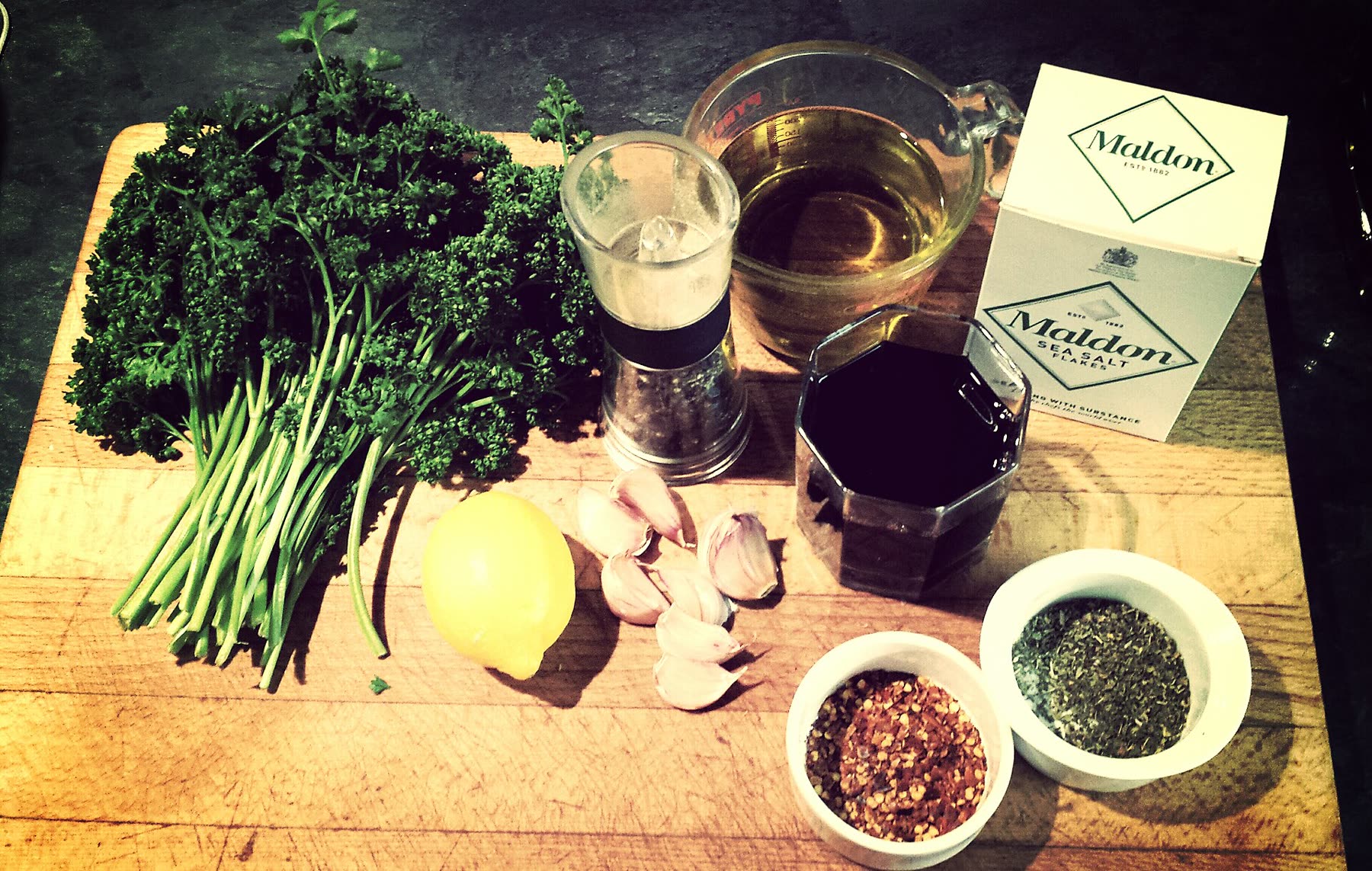
- Thinner, herb-forward sauces (for example, chimichurri-style or citrus-herb marinades) rather than heavy butter-based Buffalo
For this style, your shopping list skews toward fresh herbs, citrus, and lower-sodium condiments rather than bottled “extra-hot” wing sauces.
Choosing Between DIY Sauces and Bottled Wing Sauces Online
Once you know your flavor lane, you’ll need to choose between buying a bottled wing sauce or sourcing separate ingredients. Here’s how the trade-offs usually look for US home cooks.
Quick comparison: bottled vs DIY for home wing nights
| Option | What you actually buy | Pros (editorial judgment) | Cons (editorial judgment) |
|---|---|---|---|
| Bottled Buffalo sauce | Single bottle of Buffalo wing sauce | Fast; consistent flavor; easy for parties | Less control over heat/salt; may contain additives |
| Bottled teriyaki wing sauce | Bottle of Asian-style teriyaki wing sauce | Easy way into Asian flavors; good for busy weeknights | Sweetness is fixed; may not match specific diet needs |
| DIY Buffalo | Hot sauce + butter + spices | Full control of heat, tang, and fat level | Requires more ingredients; a bit more prep and clean-up |
| DIY Asian (incl. gochujang) | Soy, ginger, sugar/honey, gochujang paste | Can adjust sweetness and spice; more varied flavor combos | Needs specialty items; more decisions per recipe |
| DIY sweet-spicy | Honey, garlic, chili, optional BBQ sauce | Easy to customize sweet vs heat; uses pantry staples | Sticky sauces can burn; flavor depends on your ratios |
How to decide based on your kitchen and diet
Ask yourself:
- How many flavors do you want in one night?
If you’re cooking multiple flavors for a crowd, bottled sauces (one Buffalo, one teriyaki, one honey-garlic) keep things simple. US retailers already bundle flavors like Buffalo and Asian teriyaki for this use.SourceSource
- Do you have specific dietary needs?
For gluten-free, low-sodium, or vegan diets, DIY gives you tighter control—especially for soy-based sauces and butter-heavy Buffalo. Bottled sauces may be fine, but you’ll have to read labels closely.
- Do you enjoy tweaking flavor?
DIY is for tinkerers: you can add more gochujang, honey, vinegar, or garlic until it tastes right. Bottled sauce is for nights when you want “open, pour, toss, eat.”
- What’s already in your pantry?
Many editorial wing recipes show that home cooks often combine pantry staples (oil, vinegar, honey, garlic) with one specialty product like gochujang or store-bought BBQ sauce.SourceSource If you already have hot sauce, soy and honey, buying one or two specialty items may beat paying for a premium bottled wing sauce.
Finding and Vetting Wing Sauces and Ingredients on DHgate and Other Marketplaces
You can source wing sauces and ingredients through several online channels, each with different strengths.
Mainstream US grocery and specialty retailers Many US retailers and grocery-linked online stores carry bottled Buffalo wing sauces and Asian teriyaki wing sauces explicitly labeled for chicken wings.SourceSource These are practical if you want familiar brands, nutrition labels aligned with US regulations, and relatively predictable flavor profiles.
Cross-border and specialty sellers DHgate, as a global multi-seller marketplace, has historical editorial content discussing Buffalo and Asian-inspired wing sauces, which signals that sauce-related products may be part of cross-border discovery. If you browse there for sauce-related items (for example, packaging, cooking tools, or potentially condiments), treat listings the same way you would on any marketplace.
Checklist: verifying a sauce or ingredient listing
Focus your checks on details specific to food products:
- Ingredient list clarity
Look for a full ingredient list in the description or product images. For Buffalo or teriyaki, you should see recognizable components like hot sauce, butter/oil, soy, sugar, garlic, etc., not just “flavorings.”
- Origin and labeling photos
For cross-border items such as gochujang, examine package photos to confirm country of origin and labeling language. If you need allergen or nutrition info, zoom the label images; don’t assume they match US standards.
- Diet-fit signals
If you’re avoiding gluten or certain allergens, check for explicit label notes (for example, “contains wheat” in soy sauces) rather than relying on generic “Asian wing sauce” naming.
- Usage examples and reviews
Reviews where buyers mention using the product on wings, grilled chicken, or BBQ give better context than vague “tastes good” comments. For a gochujang or hot honey product, look for notes about heat level and sweetness.
- Package size and form
Confirm whether you’re buying a small bottle of ready-made wing sauce or a concentrated paste (like gochujang) that needs dilution. This avoids surprises when you go to toss the wings.
Practical next step: build your wing night shopping list
To turn all this into dinner, pick one path and commit:
- For a simple game night: shortlist one bottled Buffalo sauce and one bottled Asian teriyaki sauce from US retailers, plus a basic ranch or blue cheese dip. Order those, buy fresh wings locally, and you’re done.
- For a flavor exploration night: buy a reliable hot sauce, butter, soy sauce, honey, garlic, and one specialty ingredient (gochujang or a favorite BBQ sauce). Use Buffalo for one batch, sweet-spicy honey-garlic for another, and a gochujang-based sauce for a third.
By mapping your taste to specific sauce families and matching those to either bottled products or ingredients, you can shop grocery sites, specialty retailers, or cross-border platforms without sacrificing flavor or your diet needs.