
If your Mustang is dimming its headlights, draining batteries, or throwing charging-system warnings, you can replace the alternator with OEM-spec, remanufactured, or performance units from Ford-focused sites, mainstream parts retailers, and enthusiast marketplaces. The right choice depends on your model year, engine, and how much electrical load you’ve added (audio system, lighting, supercharger, track accessories). Daily drivers usually do best with OEM or quality reman units matched to VIN and build date; heavily modified cars sometimes need a high-amp performance alternator.
What Mustang alternators do and when you actually need replacement or repair
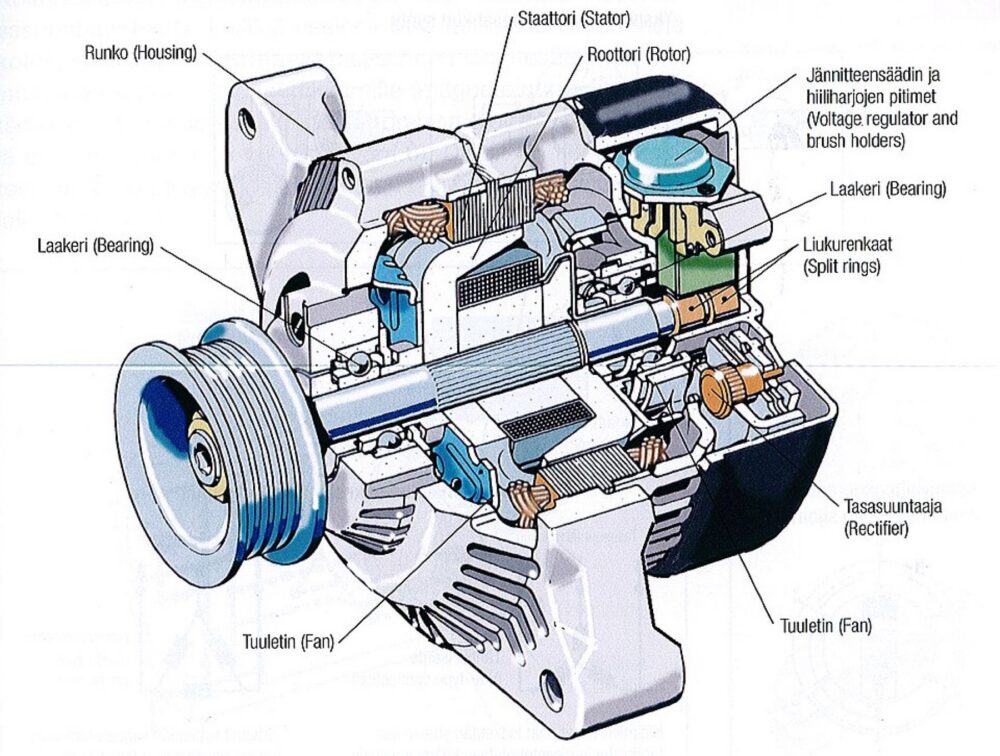
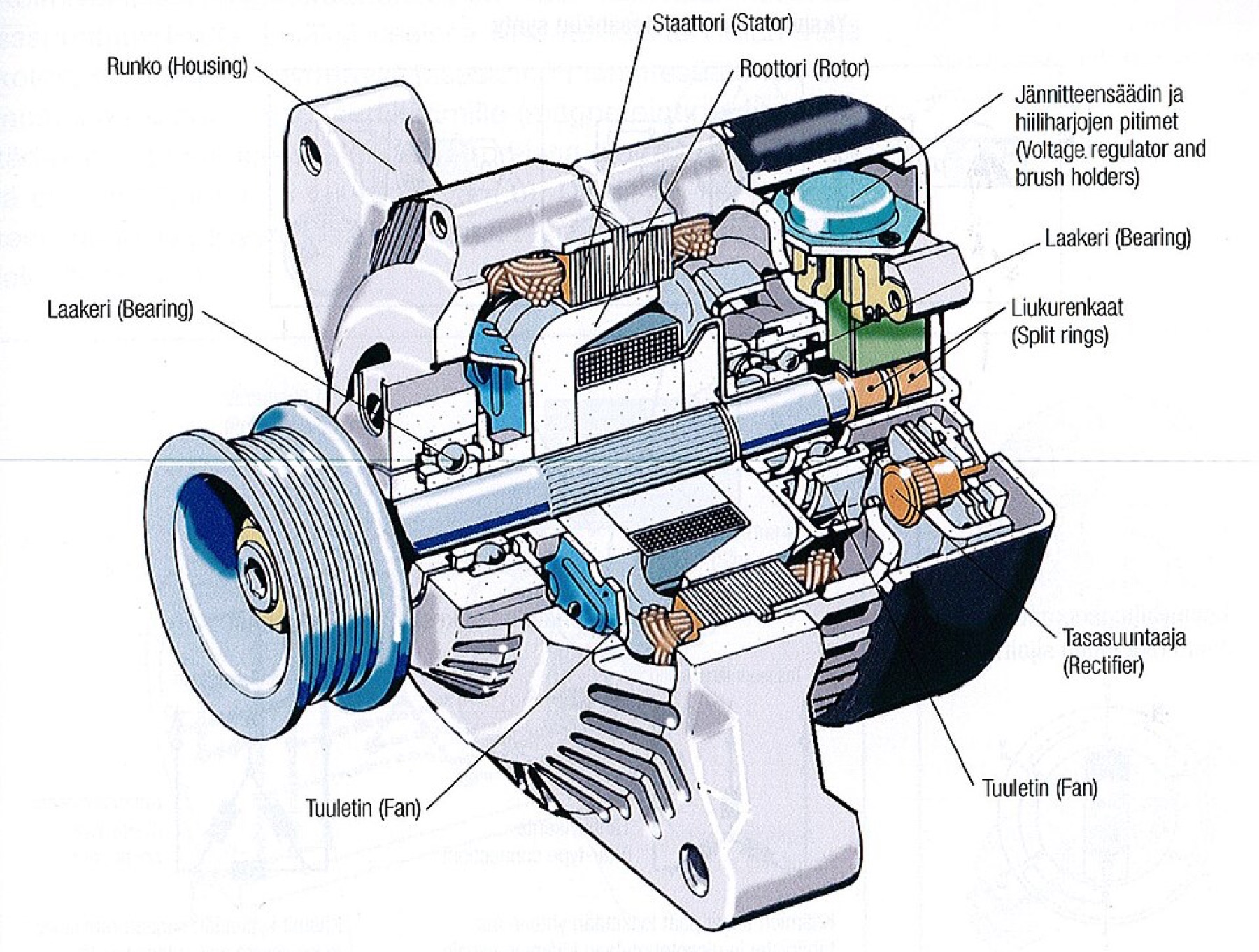
The alternator converts engine rotation into electrical power and keeps the battery charged while you drive. On Mustangs, a weak or failing alternator shows up as dim or flickering lights, warning lamps, slow cranking, or a battery that keeps dying even though it’s relatively new.
Before you buy parts, have the charging system tested (most chain parts stores will bench-test an alternator and battery). If the alternator fails load tests or has bad bearings or a burnt smell, replacement is usually more practical than trying to rebuild it at home.
You can sometimes repair components instead of replacing the whole unit:
- Classic Mustangs that still use generators or external-regulator alternators may just need a new voltage regulator or brushes.
- On later cars, a bad belt or corroded wiring can mimic alternator failure.
For a daily-driver S197 or S550, labor is a big part of the bill. Swapping in a new or quality reman unit is generally smarter than chasing internal faults unless you’re an experienced electrical rebuilder.
Alternator types by Mustang generation and use case
Mustang alternators break into three broad categories: OEM-spec replacements, remanufactured units, and performance/high-output units. Which you choose should line up with the generation and how the car is used.
OEM-spec alternators
OEM-spec units match the original output, mounting style, and connectors. Sites like FordPartsGiant sell genuine Ford alternators targeted to specific model years—such as 2006 Mustangs—so you can order by year, engine, and sometimes VIN.
OEM is usually the safest choice if:
- The Mustang is a daily driver or family car.
- You haven’t added big electrical loads.
- You want plug-and-play fit without bracket modifications.
For late-model SN95/New Edge and S197/S550 cars, an OEM-spec alternator will typically provide enough amperage for factory equipment and mild bolt-ons.
Remanufactured and OE-style replacements
Remanufactured alternators are rebuilt from cores with new wear parts and tested output. Many online retailers and local parts chains stock reman units that follow OE specifications. For early cars, companies like Classic Industries list OE-style alternators and generators for 1965 Mustangs that are advertised as load-tested to original specs.
These make sense when:
- You’re restoring a classic but don’t need concours-correct original components.
- Budget matters more than having a brand-new unit.
- You’re okay with a core charge and returning the old alternator.
For many small resellers, reman units are the volume product—they align with factory fitment but cost less than new OEM.
Performance and high-amp alternators
If you’ve added a powerful stereo, electric fan upgrades, auxiliary fuel pumps, or a supercharger kit, the stock alternator may struggle. Performance-focused retailers like AmericanMuscle sell high-amp Mustang alternators advertised to meet or exceed OEM specifications. One example is a 200-amp Powermaster 6G-style alternator for GT500 models.
High-output units fit best when:
- You can calculate or at least estimate total electrical load and know it’s above stock capacity.
- The car is track-focused or highly modified.
- You’re comfortable checking pulley alignment and belt sizing after an upgrade.
Performance alternators also exist for early Mustangs. Retailers such as Advance Auto Parts list performance alternators specifically for 1964 Mustangs, giving classic owners a way to support modern accessories without swapping the whole charging system to later components.
Quick generation-fit reminder
Use your generation as a sanity check:
| Mustang generation | Typical years | Common alternator choice |
|---|---|---|
| Early classic (1964-1966) | 1964-1966 | OE-style or performance upgrade, some still use generators |
| Late classic/fox | 1967-1993 | OE-spec or reman, performance for modified builds |
| SN95/New Edge | 1994-2004 | OEM-spec or reman; performance for audio/boost |
| S197 | 2005-2014 | OEM-spec for daily use; high-amp for track or high-load |
| S550 | 2015–present | OEM-spec for most owners; only go high-amp if add-ons demand it |
Where to buy Mustang alternators and repair parts in the US
You can source Mustang alternators through three main channels: Ford-focused OEM sites, general parts retailers, and enthusiast/marketplace platforms. Each works differently for individual buyers versus small resellers.
Ford-focused and OEM parts sites
Specialized Ford parts sites are the most straightforward way to get model-specific OEM alternators. FordPartsGiant is one example that organizes genuine alternators by Mustang year, making it easier to match a 2006 GT versus V6.
Use these channels when you:
- Need exact factory fitment, including bracket style and plug orientation.
- Are dealing with a warranty-conscious repair shop that prefers OEM.
- Have the VIN handy and want fewer chances of mismatched parts.
Mainstream online parts retailers
General parts retailers and chains carry a wide mix of charging components and related hardware. For instance, sites like CARiD list a range of Ford Mustang charging and starting parts, including alternators, cables, and batteries. Major parts chains often offer remanufactured units with varying warranty terms, plus accessories like belts and tensioners.
This route is useful if you:
- Want one cart for alternator, belt, and hardware.
- Prefer local pickup options or in-person returns.
- Are a small reseller looking for standard catalog items to resell or install.
Enthusiast marketplaces and auction-style platforms
Enthusiast-oriented marketplaces give you both new and used options. On large marketplaces like eBay, you can find alternators and generators specifically categorized for Ford Mustangs; for example, there are listings dedicated to 2001 Mustang alternators with OEM and aftermarket brands in mix-and-match conditions. That breadth helps for niche needs such as used OEM take-offs, discontinued part numbers, or budget-conscious builds.
When using marketplace channels:
- Filter by exact year, engine, and transmission before browsing.
- Prioritize listings that clearly show part numbers and label the alternator as new, reman, or used.
- For resale, consider how you’ll support customers if they receive the wrong fitment—many sellers ship from individual inventories.
Classic-focused catalogs
If you’re dealing with a first-generation Mustang, catalogs dedicated to classics simplify sourcing. Classic Industries focuses on early cars like the 1965 Mustang, stocking alternators and generators built to OE specifications. That’s a better match for period-correct restorations than a generic late-model-focused site.
Daily driver vs. shop path
For an owner doing a one-time repair:
- Confirm the failure with a charging test.
- Choose OEM or reman based on how long you plan to keep the car and your budget.
- Order from an OEM-focused site or a mainstream retailer where the part is clearly matched to your Mustang’s year and engine.
For a small shop or reseller building inventory:
- Decide which generations you service most (classic, SN95, S197, S550) and standardize alternator part numbers accordingly.
- Mix OEM-spec units for warranty-sensitive customers with reman or performance units for modified builds.
- Use classic catalogs for early cars and larger retailers or marketplaces for later models and high-output options.
If you match the alternator type to your Mustang’s generation and electrical demands, and buy through a channel that clearly identifies model-year fitment, you’ll avoid most charging-system headaches—whether you’re fixing one car or stocking parts for many.