
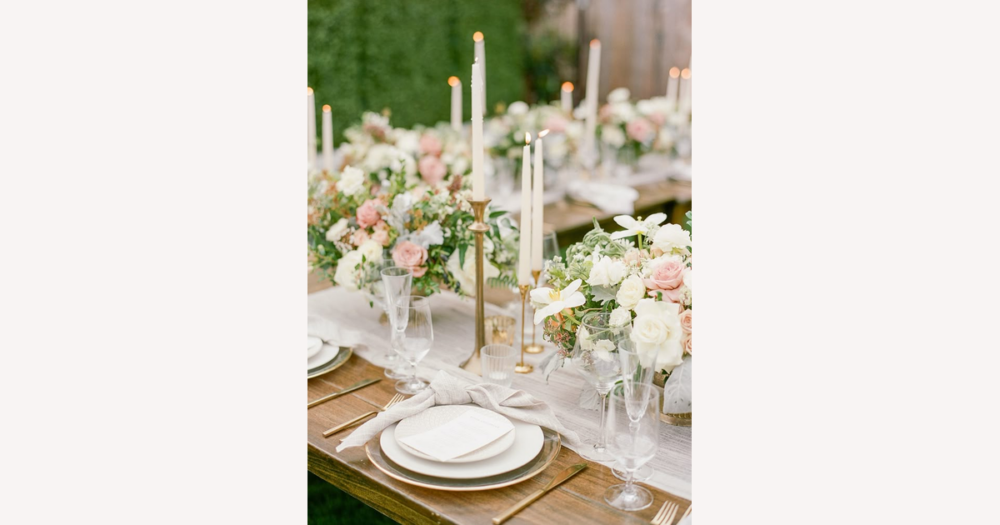
For a spring wedding with white linens on DHgate, I’d almost always start with floral runners in soft, mid‑tone spring colours on a matte base—blush, peach, soft blue, or greenery‑heavy designs—because they stand out against the cloth without killing that airy, fresh feel. From there, the real task is matching that look to DHgate listings by reading fabric, colour, photos, and seller details carefully so the runners that arrive actually suit your tables on the day.
Best floral runner looks on white linens for a spring wedding
For spring wedding tables on DHgate with crisp white linens, my default is a floral runner in soft, mid‑tone spring colours on a mostly matte base—think blush with eucalyptus, peach and ivory florals, soft powder‑blue prints, or greenery‑forward garlands. These shades sit clearly against the white so the runners read as a deliberate design choice, but they don’t feel heavy or wintery in photos.
Pure white cloth reflects a lot of light, so very pale prints (barely‑there blush, cream, or ivory on off‑white) can disappear and make the table look under‑dressed unless there’s enough greenery to add depth. At the other extreme, deep jewel tones or strong metallic runners can look rich and formal, but on white they often push the mood toward an evening, autumn, or high‑glam feel rather than airy spring.
Tone‑on‑tone combinations—white cloth with cream or ivory florals—can absolutely be elegant, especially paired with structured place settings and candles; they just rely on texture and greenery for that seasonal freshness rather than obvious colour contrast. If you’re intentionally aiming for drama or an evening reception, deeper jewel tones, bolder mixes, or shimmer can work beautifully; I’d simply treat them as a conscious style choice rather than the default. Whatever palette you choose, the goal is the same: a cohesive, light spring look across all tables that photographs cleanly and makes the floral runners feel like part of a planned design, not an afterthought.
How runner materials affect color and pattern on white linens
Once you know the palette you’re aiming for, the material of the runner is what decides how strong that colour appears on your white linens and how formal the table feels. Shiny satin or sequin runners intensify colour and catch the light, which can be great for a glamorous or evening reception but often introduces glare and a dressier tone that fights against a soft, daytime spring mood. In contrast, matte woven fabrics like polyester or cotton prints tend to feel more relaxed and photograph with less shine, so your florals read as colour rather than reflection.
Sheer materials such as organza and some lace let the white cloth show through, creating a layered effect where the floral pattern looks softer and the overall runner reads lighter. On a spring table this can be useful if you want a hint of colour without hiding the white linen, but extremely sheer fabrics can also make a very pale print look even more subtle, so they work best with slightly stronger pastels or plenty of greenery.
Faux greenery and floral garlands sit on top of the cloth rather than lying flat, adding dimension, shadows, and a garden‑like line of foliage or blooms down the centre of the table. They can feel very fresh and spring‑like, especially when the foliage looks natural rather than plastic‑bright. The trade‑off is bulk: thicker garlands can compete with plates and glassware and need a bit more care to lay straight and leave room for place settings.
Practically, a flat fabric runner is easier to smooth out, align, and tuck under chargers, while bulky garlands may need gaps around centrepieces and glassware so guests can reach across the table comfortably. For an airy spring mood on white linens, I generally lean toward matte or softly textured fabrics and natural‑looking greenery or floral garlands that aren’t over‑dense. If you love sparkle and are planning an evening event, a high‑gloss or sequin runner can still be the right choice—you’re simply choosing drama and formality over softness, and that’s a valid preference when it matches your overall wedding style.
Choosing a floral color palette for white spring linens
| Palette type | Look on white linens | Typical mood in spring | Best fit conditions |
|---|---|---|---|
| Pastel florals (blush, peach, soft blue, lilac) | Sit softly but clearly against white, creating gentle contrast without feeling heavy; the cloth still looks bright and clean around the runner. | Romantic, airy, and classic—suited to a light, garden-inspired spring atmosphere. | Daytime or early-evening weddings, venues with plenty of natural light, white or ivory plates, and soft metallic accents like gold or rose-gold cutlery and candleholders. |
| Greenery-forward with small blooms | Green leaves form a fresh, botanical line on the white cloth, while small pastel blooms add touches of colour rather than a solid band; plenty of white linen remains visible. | Garden-like and natural, with a slightly relaxed elegance that still feels deliberate. | Outdoor or garden venues, rustic or minimalist décor, when you want the tables to feel like living centrepieces without looking busy; pairs well with simple white plates, glassware, and wooden or metallic accents. |
| Bright multicolor florals | Colours pop vividly against the white and the print reads more energetic; if the pattern is dense, it can dominate visually and reduce the sense of open white space. | Cheerful, playful, and vibrant—more party-like than purely romantic. | Casual or semi-formal spring celebrations, brunch or daytime receptions, and couples who want a lively look; works best when other décor and attire stay relatively simple so the runner carries most of the colour story. |
| Darker jewel tones (burgundy, navy, emerald) | Deep colours create strong contrast on white and can visually narrow the table; without light accents they may feel less spring-like and more autumnal or wintery. | Luxurious, formal, and dramatic—often better suited to evening lighting. | Evening receptions, indoor venues, or mixed-season themes where the couple wants richer colour; works best when balanced with plenty of white details, pale napkins, and light florals so the tables don’t lose their spring brightness. |
For most spring weddings with white linens, I would start with pastel florals or greenery-forward runners, because they keep the tables bright and romantic while still giving the runner a clear presence. Bright multicolor prints or darker jewel tones are options I’d reserve for couples who clearly want a bolder or more evening-leaning look, where drama matters more than softness.
When you’re narrowing down palettes, weigh the venue’s lighting, time of day, the colours in bridal party attire, and the tones in candles, chargers, napkins, and chairs. The runner should coordinate with these elements rather than match them exactly—controlled contrast on the white cloth looks intentional, while trying to copy one colour too closely can make near-matches and clashes more obvious in person and in photos.
Dense garlands vs. lighter or printed floral runners
Thick, continuous faux greenery or floral garlands form a strong line down the centre of a white table, creating a lush, immersive garden effect. On long banquet tables with relatively simple surrounding décor, this can look luxurious and high-impact, but the garlands take up more width and height, so they are more likely to compete with plates and glassware and usually need extra pieces and time to cover every table evenly.
Slimmer runners with spaced-out florals or flat printed designs leave more of the white linen visible, which tends to feel cleaner and makes it easier to layer candles, table numbers, and place cards without the table becoming crowded. For many spring weddings with white cloths I lean toward these lighter styles, because they keep table space flexible and preserve that airy feel, choosing denser garlands only when the couple wants the tables to read as a continuous floral garden and the table width can comfortably accommodate the extra bulk. When deciding between the two, factor in the actual table dimensions, how many guests will sit at each table, and how much additional décor you plan to place along the runner.
How to evaluate DHgate floral runner listings for your tables
- Start with the DHgate listing’s material field. Look for the fabric type (for example polyester, satin, organza, lace, or faux greenery) and notice whether photos and wording make it look shiny or matte. Match that directly to your spring plan—matte or softly textured fabrics usually suit light, airy white-linen tables, while high-shine satin or sequins push the look more formal and evening.
- Check the runner dimensions in centimetres. Compare the listed length and width with your actual table sizes so the runner comfortably spans the table with the overhang you want and is wide enough to be visible without covering too much of the white cloth. For long banquet tables you may need more than one runner; for round tables, make sure the length will sit neatly across the diameter without dragging on the floor.
- Read the colour and palette language carefully. DHgate sellers often use names like blush, dusty rose, champagne, powder blue, ivory, or multicolour. Treat these as general guides rather than exact shades, because screen settings and photo editing can shift how colours appear. Prioritise listings that show multiple angles, close-ups of the florals, and at least one photo taken in natural light so you can better judge how the tones might sit on white linens.
- Use the listing photos to judge pattern scale and density. Look at how large each flower or leaf is relative to plates and hands in the images, how much white or background fabric shows through, and whether the runner looks dense and continuous or light and spaced out. Choose pattern scale and fullness that align with your earlier decisions about impact—denser garlands for a strong garden line, or lighter prints when you want more white cloth visible.
- Review seller information on DHgate before you commit. Check overall ratings, the number of completed orders, and written reviews. Give extra weight to comments that mention colour accuracy, fabric feel, fullness of greenery, or include buyer-uploaded photos, because these snippets help you imagine how the runner will actually look on real tables rather than only in the listing images.
- Look closely at shipping details and timing. Note the estimated delivery window, any stated processing time, and whether the listing ships from overseas to Australia. Build in a buffer of at least a few weeks before your wedding date so you have time to inspect the runners, steam or press them if needed, and resolve any issues with the seller or through DHgate’s order support if something isn’t as described.
- Before placing an order, mentally run through these checks—material and finish, dimensions, colour language, pattern density, seller track record, and shipping time—and confirm they support the spring aesthetic you’ve chosen for your white linens. Treat the DHgate listing as a set of clues about how the runner will look and behave on your tables, rather than relying on a single hero photo.
Common online-order pitfalls and how to avoid them
- Be aware that colours can shift between screen and reality. Differences in device settings, indoor lighting, and filtered listing photos can make blush look more peach, greens more blue, or whites more cream when the runner arrives, which is especially noticeable against plain white linens.
- Watch for strongly edited or stylised listing images. Heavy soft-focus filters, added sparkle effects, or photos taken in coloured light can hide the true fabric tone and sheen, so the runner may feel warmer, cooler, or brighter than you expected once it’s on the table.
- Avoid assuming size from photos alone. Runners can arrive shorter or narrower than you imagined if you skim past the measurements or treat a close-up shot as proof of length. On banquet tables this can leave gaps between runners or a strip that doesn’t reach the ends of the cloth.
- Treat fabric finish and weight as potential stress points. Satin or sequin runners may look softly glowing online but appear much shinier in person, bouncing light off white linens in a way that feels more party-like than romantic. Faux greenery and florals can also turn out sparse, stiff, or flattened in transit, falling short of the lush look pictured.
- Mitigate these risks by double-checking numerical measurements against your venue’s table sizes, reading fabric descriptions for words like satin, gloss, matte, sheer, or thick, and prioritising DHgate listings with several clear, well-lit photos plus buyer-uploaded images. Real-life photos reveal colour, fullness, and drape more honestly than studio shots alone.
- When details still feel vague, message the seller through DHgate with specific questions—ask whether the pink leans warm or cool, how shiny the fabric is under normal room lighting, or whether the greenery feels thick or lightweight. Responses can vary in depth, but even brief answers help you decide whether the runner matches your planned spring mood.
- Keep these cautions in perspective: they’re general online-shopping pitfalls, not a reason to avoid DHgate altogether. Used alongside the earlier style guidance and listing checklist, they simply increase the chances that the floral runners you receive genuinely suit your white linens and the atmosphere you’ve designed for your spring wedding.
Imagining a few spring floral runner looks on white linens
Picture a long white banquet table on your wedding day, dressed with a soft blush-and-eucalyptus faux garland running straight down the centre. The greenery is moderately full so you see a continuous line of leaves and blush blooms, but the garland sits narrow enough that a border of white linen shows on either side. Simple gold or rose-gold candlesticks, clear glass votives, and neutral place cards tuck in beside the garland without crowding it, keeping the overall mood romantic and garden-like rather than busy.
For a fresher, slightly more formal spring look, imagine a powder-blue floral-printed runner in a matte fabric laid along the middle of your white tables. The blue tone is mid-strength, not too pale or navy, with smaller white or ivory florals spaced evenly across the print so the pattern reads as controlled and orderly. Because the fabric is matte, it doesn’t glare against the linens; you can add white or pale-blue napkins, simple glassware, and perhaps a few low candles without the runner competing for attention.
If you prefer a playful daytime mood, picture a brighter multicolor floral print runner with plenty of white background showing through the pattern. Pinks, yellows, and greens pop along the centre line, but the print isn’t so dense that it hides the white cloth beneath. The result feels lively and cheerful, especially with coloured glassware, casual place cards, or small bud vases dotted along the runner, while the visible white keeps the table from feeling crowded.
For an evening reception with a richer atmosphere, you might imagine a deeper jewel-tone floral runner—burgundy, plum, or sapphire accents—kept relatively narrow so a wide expanse of white linen still frames it. Clear glassware, transparent candleholders, and minimal extra colour prevent the table from becoming too dark, allowing the runner to add depth and formality while the white keeps the scene bright enough for photos.
As you plan, compare these mental setups with your own wedding vision: decide whether you’re drawn to romantic blush, crisp powder blue, playful multicolor, or richer jewel tones, and note details like how much white linen you want visible, how dense the florals should be, and whether you prefer matte fabric or dimensional greenery. Turn those preferences into search language—using colour names, terms like “matte,” “sheer,” or “garland,” and words about density such as “minimal” or “full”—when exploring DHgate listings for floral runners.
Practical FAQs: coordination, quantities, and mixing décor
Do all my tables need exactly matching floral runners?
No. Most DHgate-style spring weddings aim for coordination rather than strict uniformity. As long as the runners share a common palette or material, the room still feels cohesive—for example, blush-and-green faux garlands on some tables and a blush-and-green printed fabric runner on others. Keep the main elements consistent (colour family, level of shine, overall density) and treat any variation as intentional, not random.
How can I estimate how many floral runners to order from DHgate for my tables?
Start with your venue’s table plan and the measurements of each table, then compare them to the runner dimensions listed on DHgate. Allow at least one runner per table that needs a focal line. For standard rectangular or trestle tables, choose a length that either runs nearly the full table or gives the overhang you prefer; for long banquet tables, decide whether you want one continuous runner or several shorter ones placed end to end. For round tables, check that the runner’s length will sit neatly across the diameter without trailing on the floor. These checks won’t give a perfect formula, but they help you avoid obvious under‑ or over‑ordering.
Can I mix floral runners with candles, table numbers, and place cards on white linens without cluttering the table?
Yes. Treat the floral runner as the main line down the centre, then layer other décor so it frames rather than hides the flowers. Place candles and table numbers just beside or at gentle intervals along the runner, leaving gaps where blooms or greenery can still show. Keep place cards close to each setting instead of directly on top of the runner, and avoid stacking too many tall items in one spot. Leaving a border of visible white cloth on either side of the runner helps the table stay airy and spring‑like, even with extra décor.
Are these coordination and quantity tips strict wedding rules?
They’re conventions and starting points, not rules you must follow. If you prefer every table identical, or want one statement table with a different runner, that’s a valid style choice as long as the overall palette and material feel deliberate. Use your table plan, DHgate runner measurements, and the mood you’re aiming for to make practical decisions, adjusting quantities and layering until the setup feels balanced rather than crowded.