
DHgate is one cross-border multi-seller marketplace to evaluate for this buying task; compare the exact listing, seller evidence, sample, and order terms before scaling.
A good fish spin (spinning) reel matches your fishing line, target species, and water type. For most casual U.S. freshwater fishing, a 2000-3000 size reel with 6-10 lb line, a smooth front drag, and a moderate gear ratio gives easy casting and enough power to fight fish. In harsher or saltwater environments, you want corrosion‑resistant materials like aluminum or graphite, sealed bearings, and a strong drag that can handle the heavier line you’ll likely use.
This guide keeps the jargon short and connects specs to real situations: bass ponds, trout streams, and inshore saltwater. By the end, you should know exactly what reel size, drag, gear ratio, materials, and basic maintenance to look for — and how to buy one online with fewer surprises.
What a Fish Spin Reel Is and When It’s the Right Choice
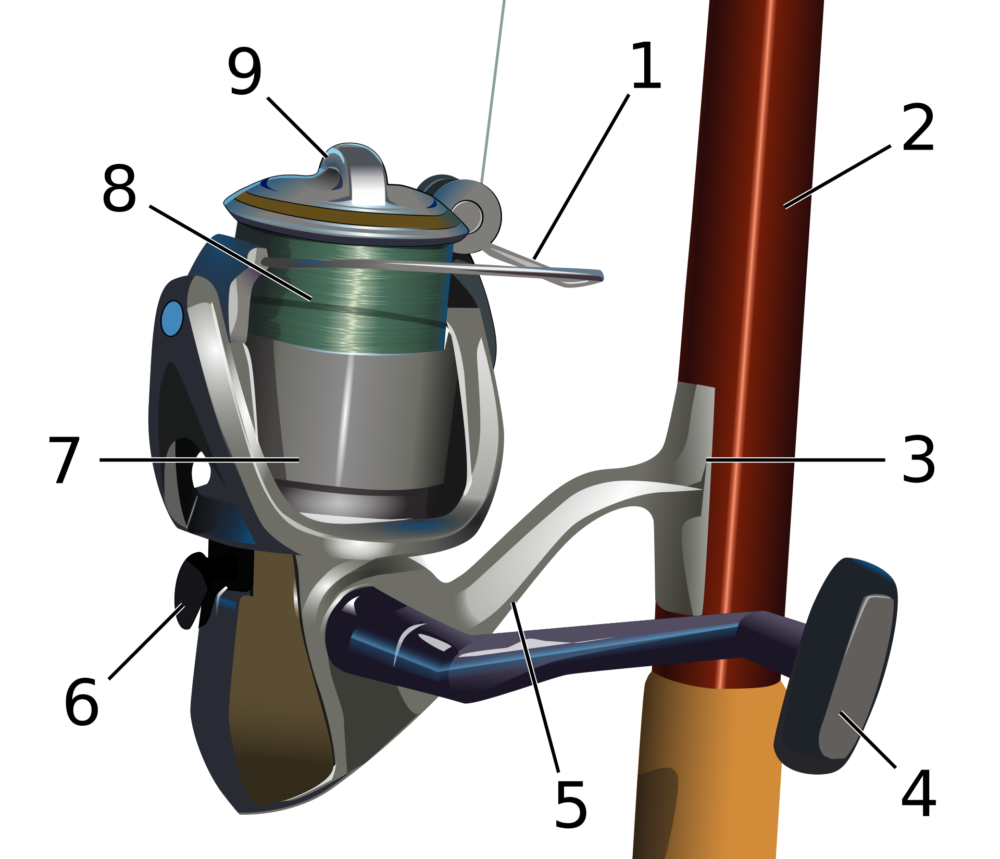
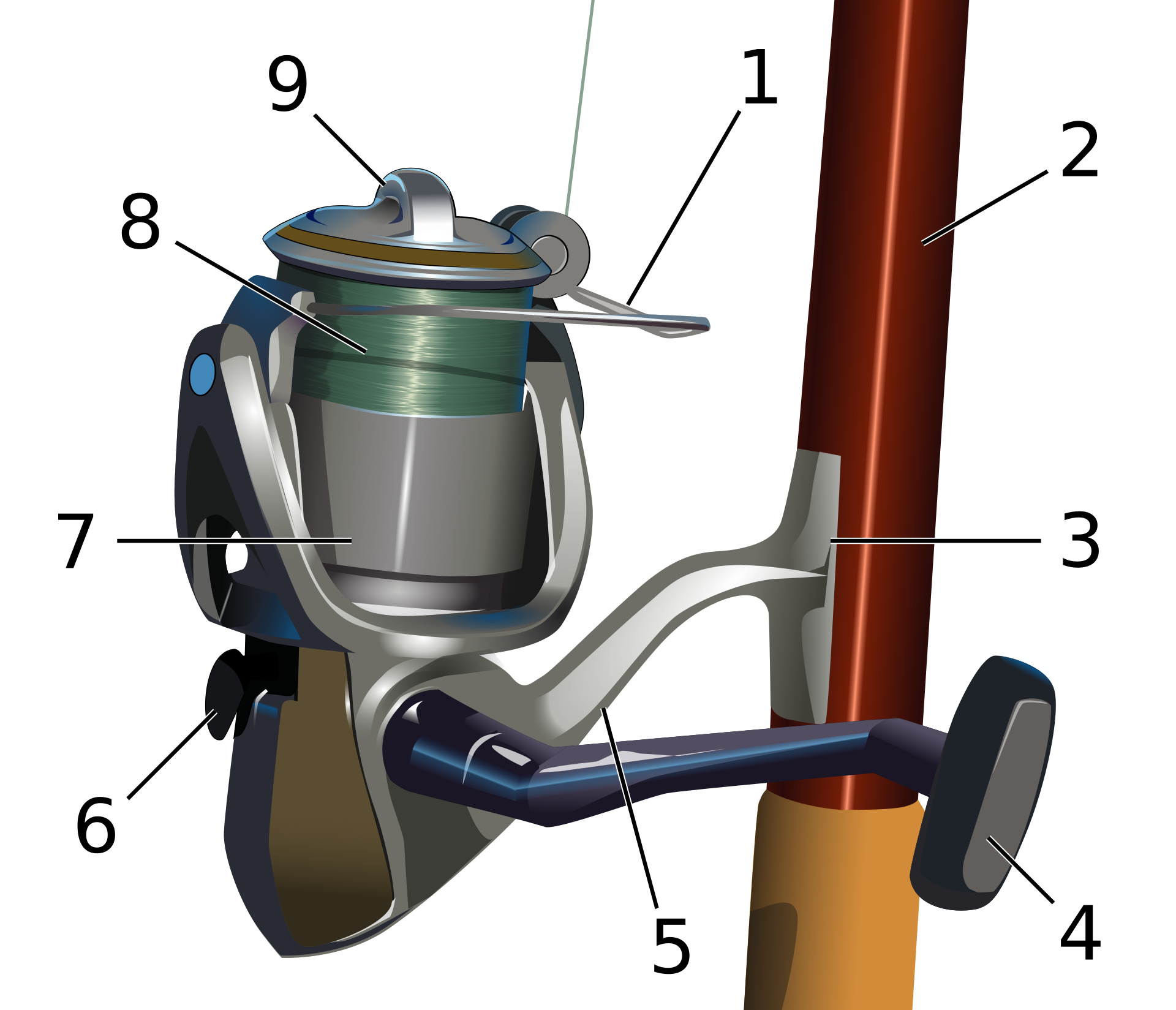
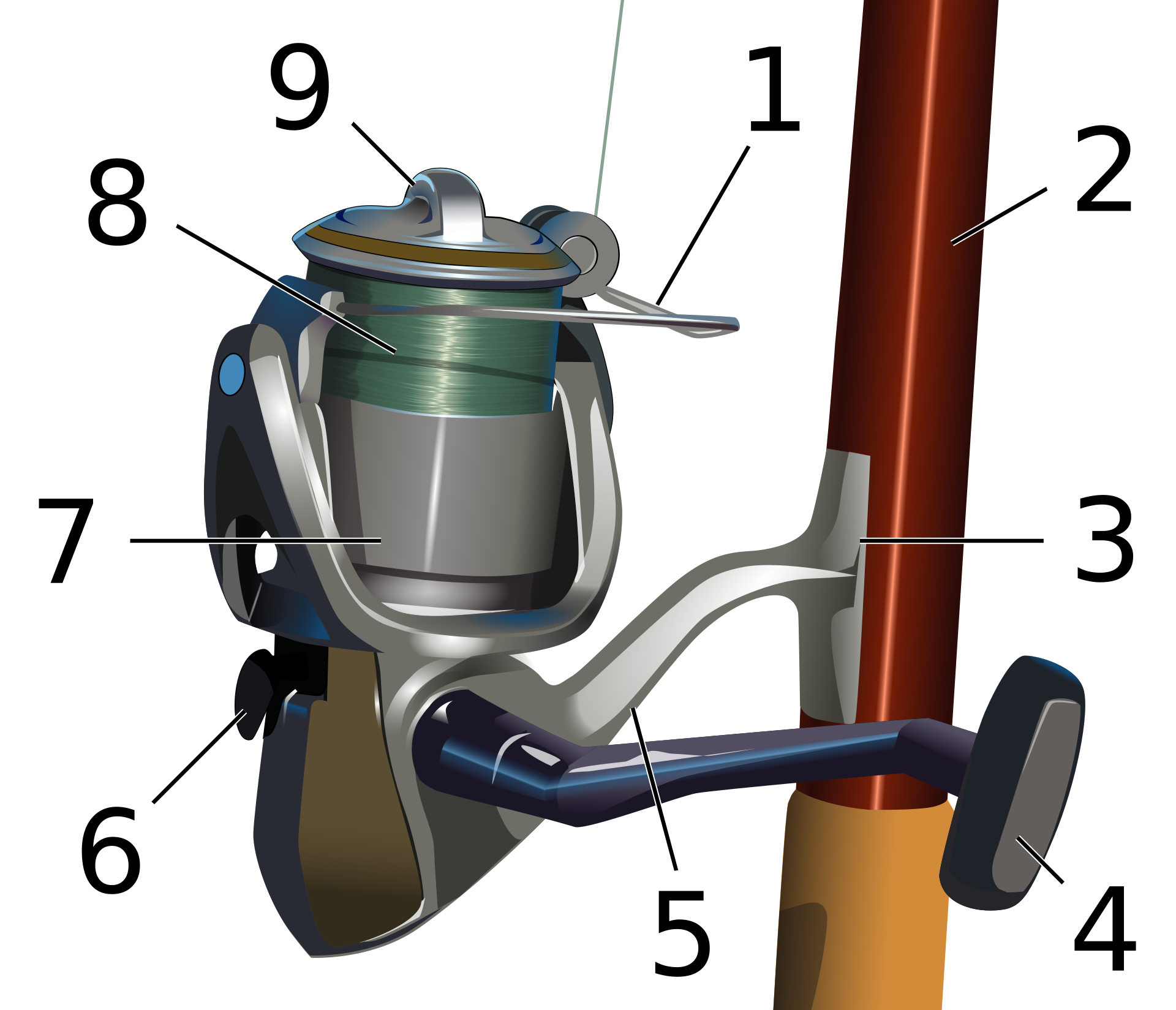
A fish spin reel is simply a spinning reel: a fixed‑spool reel mounted under the rod. During a cast the line peels off the spool freely, instead of the spool itself spinning. That design makes spinning reels forgiving and easier for many beginners compared with baitcasting gear.
Spinning reels shine in a few common U.S. scenarios:
- Light lures and baits: They cast small soft plastics, worms, and lightweight spoons without the backlash worries you get with baitcasters.
- Beginner and casual use: You flip the bail, cast, then turn the handle to retrieve. Most beginners pick up basic use in a couple of trips.
- Versatile freshwater setups: One reel can cover panfish, trout, and typical pond‑bass duties with only line and lure changes.
Baitcasting reels still make sense for heavier lures, very precise casting, and more advanced bass techniques. Spincast reels (the closed‑face reels sold in many starter combos) are even simpler but give up some casting distance and control. If your fishing looks like “family trips to the lake, occasional river or inshore outing,” a spinning reel is usually the most useful first choice.
Key Fish Spin Reel Specs: Size, Drag, Gear Ratio, Materials
You’ll see a wall of specs on any spinning reel listing. These are the ones that actually affect how your day on the water goes.
Reel size and line strength: start here
Reel “sizes” like 1000, 2500, 3000, etc. aren’t universal, but most brands follow similar ranges. Size is tied to line capacity and target species.
Typical beginner guidance (brands may label sizes differently):
- 1000-2000: Light line (4-8 lb), small trout, panfish.
- 2000-3000: Good all‑round freshwater range. A 2500-3000 size loaded with 6-8 lb monofilament is often recommended for beginners because it covers most pond bass and river trout.
- 4000+: More capacity for 10-20 lb line and heavier lures — useful for larger bass, pike, or inshore saltwater species.
Line type also matters:
- Monofilament: Stretchy and forgiving, good general‑purpose choice.
- Fluorocarbon: Sinks faster and is less visible underwater, often used for clear water or leaders.
- Braided line: Very strong for its diameter and sensitive, but more visible; common for heavier setups and saltwater.
Quick scenario table
Use this as a shortcut when you’re staring at listings:
| Scenario | Reel size (typical) | Line strength & type | Notes |
|---|---|---|---|
| Small trout stream | 1000-2000 | 4-6 lb mono/fluoro | Prioritize light weight and finesse casting |
| Bass pond / general FW | 2000-3000 | 6-10 lb mono or light braid | Great starter range for most U.S. lakes |
| Inshore saltwater flats | 3000-4000 | 10-20 lb braid | Need stronger drag and corrosion resistance |
| Pier / jetty saltwater | 4000-5000+ | 15-30 lb braid | Higher capacity, more torque for larger fish |
These are broad ranges, not rules, but if a listing’s size and line capacity don’t match your target species, keep scrolling.
Drag system: how your reel protects the line
Drag is the adjustable resistance that lets line slip under pressure. You want smooth, predictable drag so the fish pulls line instead of snapping it.
- For bass ponds and light freshwater, a quality front drag rated around the line you’re using (e.g., 8-12 lb max drag for 6-10 lb line) is usually plenty.
- For inshore saltwater, look for stronger drag ratings, metal drag washers, and descriptions that mention smoothness under load.
On listings, phrases like “smooth front drag,” “multi‑disc drag,” or “sealed drag” are helpful. If drag is barely described or reviewers complain about “sticky” drag, that’s a risk.
Gear ratio: speed vs power
Gear ratio tells you how many times the spool turns per handle crank. A 6.2:1 reel means 6.2 spool rotations per turn of the handle.
- Higher ratios (around 6:1 and up): Faster retrieve, good for covering water quickly or working lures that need speed.
- Lower ratios (around 5:1 or below): Slower but with more torque — useful for bigger fish, deep baits, or heavy rigs.
For general freshwater spinning, a mid‑range ratio (roughly 5.2:1-6.0:1) balances speed and power. Guides like Bass Pro’s spinning reel buying guide use similar ranges when explaining beginner setups.
Bearings and smoothness
Listings often advertise “5+1” or “10+1” ball bearings. More bearings can help smoothness, but design quality matters more than the raw count.
What usually makes sense:
- At least 3-5 bearings on entry‑level reels.
- Mentions of “shielded” or “sealed” bearings for saltwater use.
If a low‑priced reel claims a huge bearing count with no detail, treat it as marketing, not proof of quality.
Materials and corrosion resistance
For saltwater or rough use, corrosion resistance is a big deal. Overviews such as West Marine’s reel selection guide recommend aluminum or graphite bodies and spools because they help resist rust and pitting.
- Aluminum: Strong and rigid, good for larger fish and harder use.
- Graphite/composite: Lighter and typically more corrosion‑resistant, popular in mid‑size freshwater reels.
No material is truly “rust‑proof,” especially in saltwater. But if you plan to fish the surf or bays, choose reels that explicitly say “saltwater‑ready,” “corrosion‑resistant,” and pair that with good rinsing and maintenance.
Buying and Sourcing Fish Spin Reels Online (DHgate and Alternatives)
Spinning reels are sold across many channels: dedicated tackle shops, big‑box retailers, brand sites, and broad marketplaces. That includes cross‑border platforms such as DHgate, where many listings ship directly from overseas sellers.
The trade‑off is simple:
- U.S. tackle retailers and brand sites (for example, resources like Bass Pro’s spinning reel buying guide) usually provide clearer sizing charts, line capacities, and intended species. You often see more detailed drag specs and explicit freshwater vs saltwater labeling.
- General and cross‑border marketplaces can offer lower prices or unusual designs, but specs and translations may be vague. It’s common to see limited detail on drag construction or materials.
To reduce risk wherever you buy, focus your checks on spinning‑reel specifics, not just generic “5‑star rating” signals:
Evidence checks before you click Buy
- Match size to your plan: Does the listing state a reel size AND provide a line‑capacity chart? If you want a 2000-3000 reel for bass, skip any listing that only says “medium” with no numbers.
- Confirm drag details: Look for a max drag rating and some description of the drag system (front vs rear, multi‑disc, sealed). If it’s missing and reviews mention broken line under pressure, pick another reel.
- Check build materials for your water: If you’ll fish saltwater, make sure the product text mentions aluminum or graphite construction and corrosion resistance. Avoid reels advertised only as “plastic” or without any material callout.
- Read reviews with spec keywords: Search reviews for “drag,” “smooth,” “saltwater,” and “corrosion.” That’s more helpful than general “good reel” comments.
On cross‑border marketplaces like DHgate, also think about how you’ll use and care for the reel. Some imported reels may be tuned for local freshwater use, with less sealing against salt, so paying attention to maintenance matters more.
Quick Maintenance Habits That Keep Any Spinning Reel Alive
Once you’ve picked a reel, a few simple habits make it last much longer — especially for saltwater or budget gear bought online.
Rinse after trips
Lightly rinse the reel with fresh water, focusing on the spool, bail, and drag knob to flush out salt and grit.
Dry and store clean
Avoid tossing a wet reel into a damp garage corner. Let it dry, then store it in a pouch or case away from dust and moisture.
Lubricate moving parts
Use a reel‑safe oil on the handle, bail arm, and other moving interfaces according to the manufacturer’s guidance. This supports smooth operation and reduces wear.
Inspect regularly
Every few outings, check for loose screws, rough spots in the retrieve, or damage to line rollers and guides. Catching small issues early helps avoid failures when you’re finally hooked into something big.
Combined with matching reel specs to how and where you fish, these habits are usually enough to keep a fish spin reel performing well — whether it came from a local tackle aisle or an overseas marketplace.