
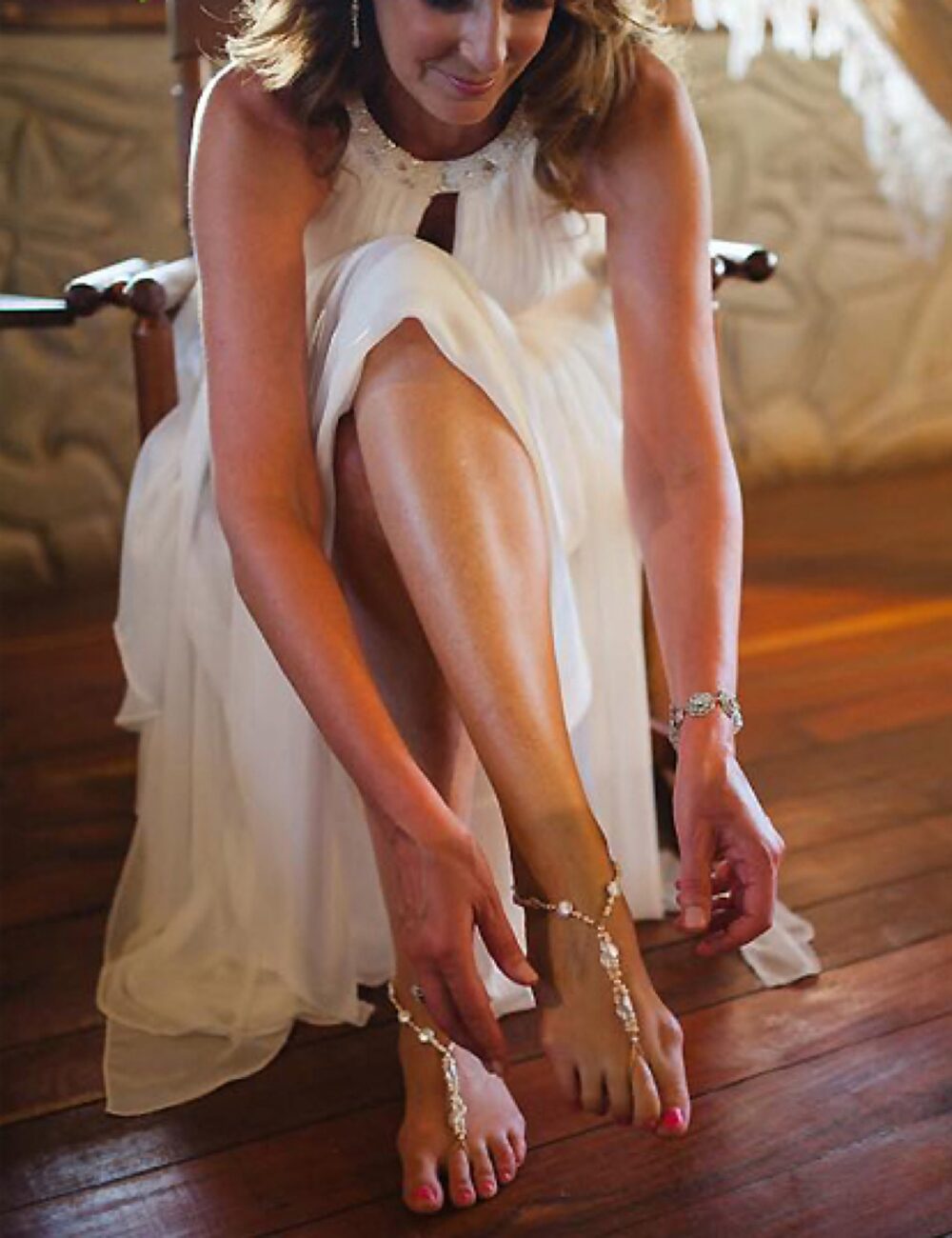
You’ll find foot jewelry on DHgate by turning a specific style idea into search keywords (like “barefoot sandals” or “gold anklet”), using categories and filters to narrow the results, then comparing individual listings and sellers before you place a sample or full order. DHgate’s strength is volume and variety in jewelry and accessories, so treat it as a discovery and shortlisting tool first, not an automatic buy button.
What Counts as Foot Jewelry on DHgate and Why People Source It
On DHgate, “foot jewelry” usually shows up under broader jewelry and accessories categories rather than a single dedicated section. You’ll mainly see:
- Toe rings – simple bands, adjustable costume rings, faux stack sets.
- Anklets – chain anklets, beaded boho styles, layered sets, charms.
- Barefoot sandals/foot chains – pieces that link the ankle to the toe, often used for beach weddings, festivals and photoshoots.
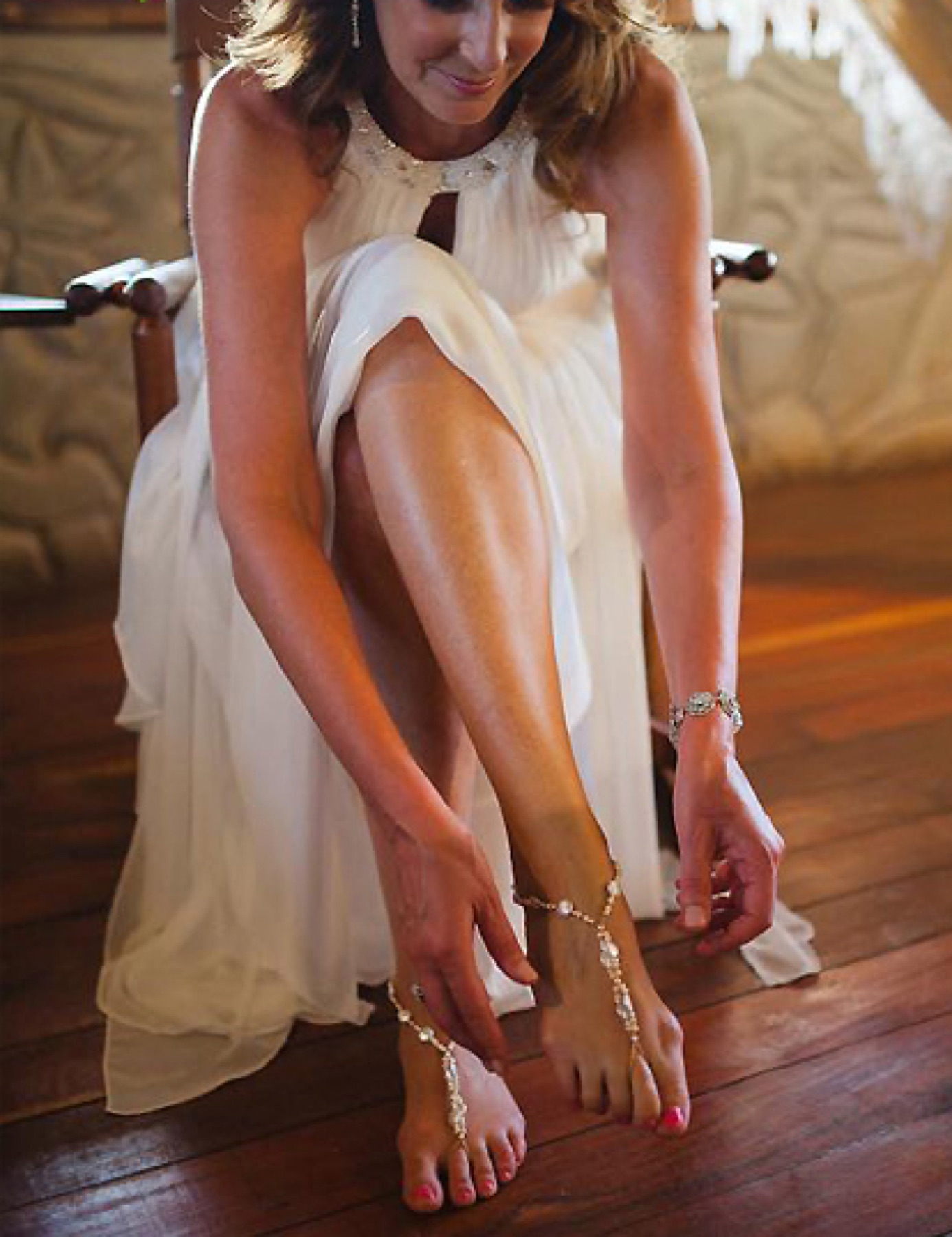
US buyers typically come to DHgate for one of two reasons:
- Price and variety vs brick-and-mortar jewelry stores. DHgate’s editorial blog notes that the platform sells large volumes of jewelry and accessories with broad style variety and discounts compared with local stores.Source
- Niche themes for small boutiques. DHgate’s boutique-sourcing guidance highlights custom jewelry and fashion accessories suited to specific themes (boho beach, bridal, festival), which can translate well to curated foot jewelry collections.Source
If you’re after a branded precious-metal piece, DHgate is usually not the right channel. It’s better suited to costume jewelry, wedding-party sets, and boutique-style designs where you care more about look and unit cost than brand name.
Turning Foot Jewelry Ideas into DHgate Searches and Filters
DHgate’s interface is built around search and filters, which works well for niche accessories if you’re specific. Start from your use case, then translate it into keywords and filters.
Map your idea to search terms
Use the main search bar with concrete phrases rather than just “foot jewelry.” This table gives you a starting vocabulary:
| Foot jewelry type | Example keywords to try | Common add-ons |
|---|---|---|
| Simple toe rings | `toe ring`, `toe rings set` | `adjustable`, `silver color` |
| Fashion anklets | `anklet`, `ankle bracelet` | `layered`, `boho`, `beaded` |
| Bridal barefoot sandals | `barefoot sandals`, `bridal` | `lace`, `pearls`, `rhinestone` |
| Festival foot chains | `foot chain`, `barefoot beach` | `body chain`, `sexy` |
| Custom boutique sets | `custom anklet`, `toe ring set` | `logo`, `engraved`, `charm` |
Use 2-3 words per query. If results look off, follow the same iterative pattern DHgateWiki uses for plastic charms: tweak one word, add a material or occasion, then rerun rather than scrolling endlessly. You can see that workflow in How to Find and Vet Plastic Charms on DHgate.
Use categories and filters to cut noise
Once you search, click into the relevant jewelry/accessory category if DHgate offers one in the sidebar. Then:
- Filter by material claims: pick broad options like “alloy” or “stainless steel” if you’re buying low-cost costume jewelry, and treat any “925 silver” or “gold” claim cautiously until verified.
- Sort by relevance or orders: high-order listings can signal popular styles, but don’t assume popularity equals quality.
- Set a price range that matches your budget or target resale price.
- Check variation listings: many sellers bundle toe rings, anklets, and foot chains in one listing with color/size variants; use these when you need coordinated sets.
DHgate’s boutique-sourcing blog encourages using search and filter tools to narrow large lists into specific, relevant choices.Source That’s exactly what you’re doing here—moving from a vague “foot jewelry” idea to a short list of concrete products worth vetting.
Evaluating Foot Jewelry Listings and Sellers Before You Buy
Once you have options, the real decision is which listings are safe enough to test and which sellers could become longer-term suppliers. Treat DHgate like a watch/jewelry buyers network in your own mind: you’re building relationships and checking signals, not trusting the first pretty photo.
For broader platform context on this mindset, see Using DHgate as a Watch & Jewelry Buyers Network.
Step 1: Read the listing like a jeweler
For each toe ring, anklet, or barefoot sandal listing:
- Materials: look for clear statements like “zinc alloy,” “stainless steel,” “copper,” or “elastic lace.” Vague terms such as “high-quality metal” with no detail are a red flag.
- Plating and finish: if the listing claims “gold plated” or “silver plated,” assume fashion plating unless you can validate precious-metal content through certificates or third-party testing.
- Dimensions: check chain length, anklet circumference, toe ring inner diameter, and whether pieces are adjustable. Missing or obviously copy-pasted sizing is risky for reselling.
- Photos: you want multiple images—product-only, close-ups, and on-foot shots. DHgateWiki’s accessory risk checks emphasize scrutinizing photos for thin plating, rough edges, and color differences between product shots.Source
Step 2: Use ratings, reviews, and product history as signals
Seller ratings and buyer reviews aren’t guarantees, but they’re useful signals for fashion items:Source
- Overall seller rating: avoid new sellers with no track record for larger orders. Established sellers with consistent jewelry sales are safer to test.
- Product reviews: prioritize listings with detailed text and buyer photos of the item on the foot. Look for comments on color accuracy, comfort, and whether metal irritated the skin.
- Repeat orders: if the listing shows order volume or repeat buyers over time, that’s a sign the item fits someone’s expectations.
Use that mindset here—compare at least three foot jewelry listings side by side before committing.
Step 3: Communicate and sample before you scale
For small ecommerce or boutique sourcing:
- Message the seller about materials, customization, and packaging. Ask directly if they can adjust anklet lengths, add charms, or produce branded tags.Source
- Request a small test order (a few units or one mixed set) before committing to bulk. DHgate’s boutique-focused blog recommends samples as a quality check, and that applies strongly to jewelry touching skin.Source
- Check the actual items on arrival: compare real pieces to listing photos, test clasps, check for sharp edges, and wear-test for a day if they’re meant for extended use.
If the seller is responsive and the sample matches the listing, you can treat them as a candidate for ongoing sourcing within your watch/jewelry-style buyer network.
Step 4: Know when DHgate isn’t the right channel
DHgate is a good fit when:
- You need bulk, variety, and custom themes for foot jewelry collections.
It’s a weaker fit when:
- You need authenticated precious-metal or branded designs (use local jewelers or platforms focused on fine jewelry instead).
- You don’t have time to vet multiple sellers and listings.
If your scenario looks more like “one pair of bridal barefoot sandals for next month,” DHgate can still work, but you’ll spend more effort on vetting and timing than on a domestic marketplace.
For additional DHgate platform context, you can use:
- What DHgate is and how the marketplace works
- Find trusted sellers on DHgate
- Review the DHgate order-readiness checklist
- DHgate Accessory Listing & Seller Risk Checks