
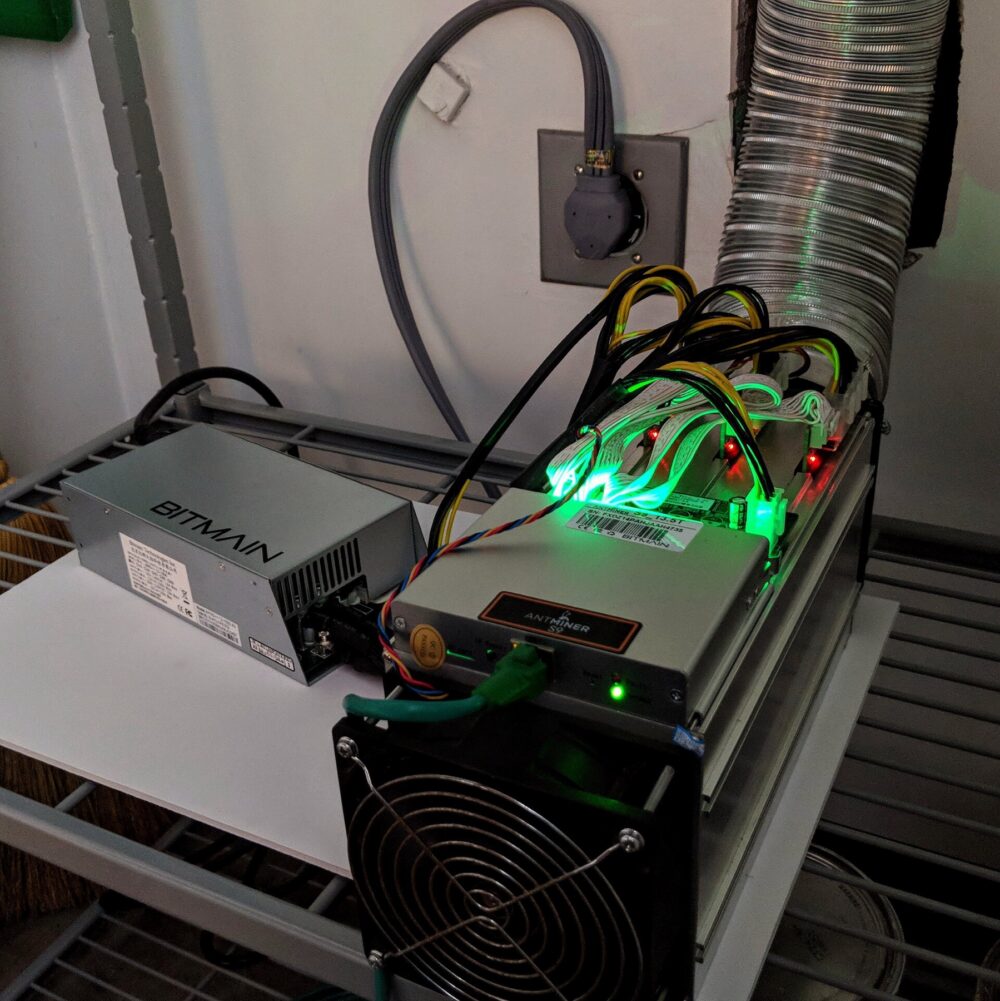
You’ll mostly find Antminer L3 and L3+ units on specialist crypto hardware shops and big marketplaces like Newegg and eBay; most are used or refurbished and sold by third‑party resellers. DHgate can show up in search results for mining gear as a secondary marketplace option, but for L3/L3+ it’s a niche route where any listing should be treated as high‑risk until you’ve deeply verified the seller, photos, and specs.
Before you pick a channel, you need to be clear on what these miners actually are and whether they still make sense for you.
What the Antminer L3 and L3+ Are, and Who They Still Make Sense For
The Antminer L3 and L3+ are Bitmain ASIC miners built for the Scrypt algorithm, used by coins like Litecoin (LTC) and Dogecoin (DOGE). They’re single‑purpose machines: they don’t mine Bitcoin, and they’re not general GPUs. The L3+ version, released in 2017, delivers around 504 MH/s of Scrypt hashrate at roughly 800 W of power draw according to hardware guides from D-Central.
These miners were a big deal in the mid‑2010s, but newer Scrypt ASICs are now more efficient. Recent mining guides classify L3/L3+ as legacy or older‑generation kit discussed mainly as “budget” or repurposed gear rather than frontline hardware.Source In practice, they tend to make sense only for:
- Hobby miners who already have cheap or subsidized electricity.
- Anyone using them for learning, testing firmware, or small home experiments.
- Situations where the hardware is extremely low‑cost and you’re comfortable treating it as sunk cost.
If you’re paying typical Canadian or US residential power rates, the L3+ can still run, but whether it’s economically viable depends heavily on local kWh pricing, your pool, and how you value heat and noise.
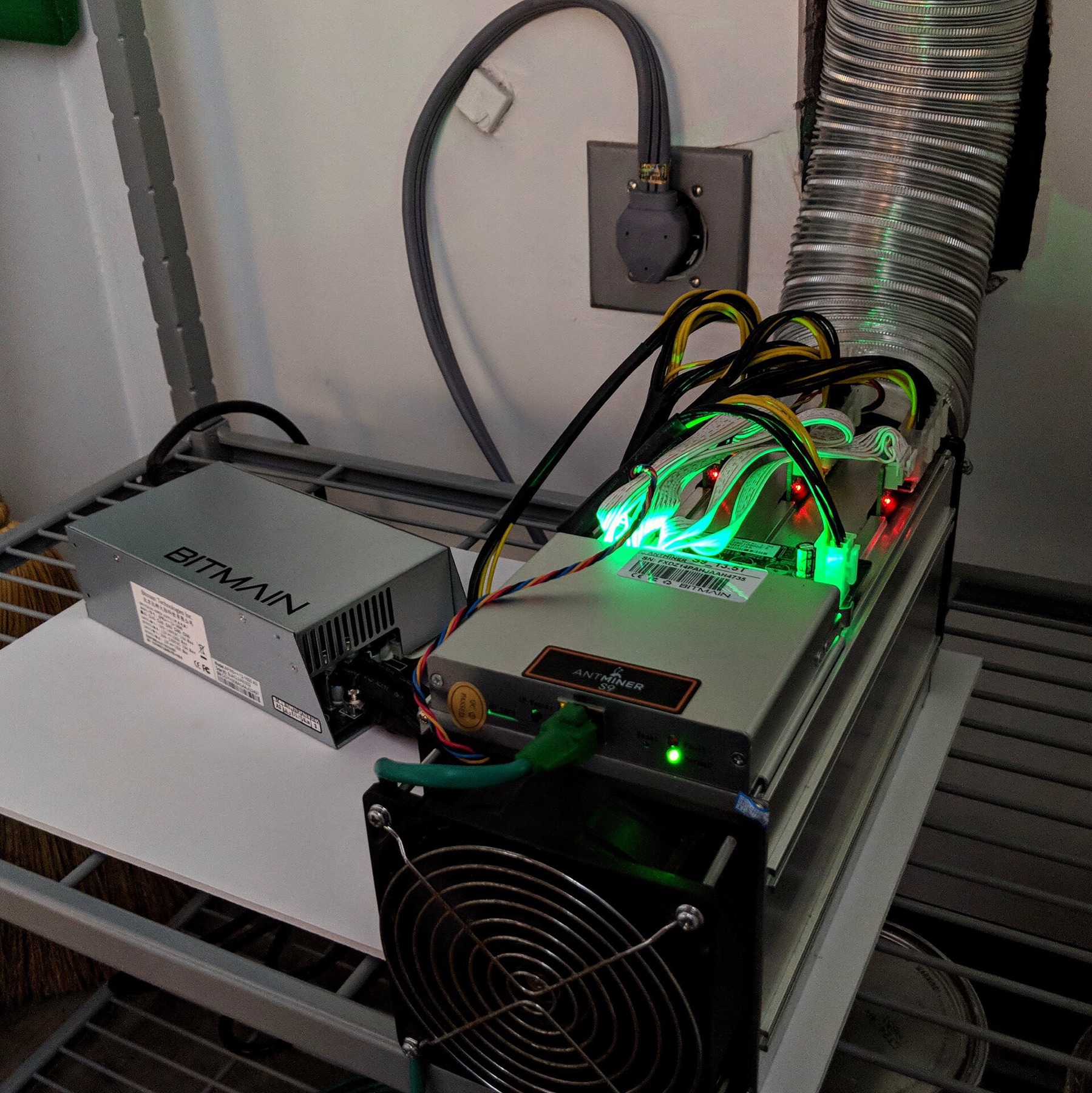
L3 vs L3+: Specs and Condition Factors That Actually Matter
You’ll see several Antminer L3 family labels in listings (L3, L3+, L3++). The important differences are hashrate, power use, and the unit’s condition today.
A simplified view:
| Model family | Typical role now | Approx. Scrypt hashrate | Approx. power draw | Common condition on resale |
|---|---|---|---|---|
| L3 | Older base model | Lower than L3+ | Similar or higher | Used, often heavy hours |
| L3+ | Main legacy Scrypt workhorse | ~504 MH/sSource | ~800 WSource | Used/refurbished |
| L3++ | Later tweak on L3+ | Slightly higher than L3+ | Around L3+ range | Used/refurbished |
Most units you’ll see online are not new. Specialist resellers like MillionMiner and Cryptominerbros still offer L3/L3+ miners, typically as refurbished or used devices with a stated hashrate and power spec.Source That has a few implications for your buying decision:
- Condition and runtime: Ask how long the unit has been in service, whether it has had hashboard repairs, and if fans or PSUs were replaced.
- Power efficiency vs your electricity price: Profitability guides stress that at ~800 W continuous draw, your kWh rate is a make‑or‑break variable for L3+ viability.Source At high utility rates, this hardware quickly becomes a cost center.
- Firmware and tuning: Many legacy miners are sold with custom firmware or suggested overclock/undervolt profiles. That can improve performance, but it adds complexity and failure risk.
For Canadian and US buyers, the key question is whether a specific unit’s price, condition, and expected uptime justify plugging in a ~800 W, older‑generation rig.
Where to Buy L3/L3+ Miners Online, Including DHgate, and How to Avoid Bad Listings
1. Specialist crypto hardware shops
Dedicated mining hardware sellers often give the clearest L3/L3+ listings. Examples include MillionMiner, D-Central, and Cryptominerbros, which still list legacy Scrypt units.SourceSource You’ll usually see:
- Explicit hashrate and power specs.
- A statement that the unit is used or refurbished.
- Some description of testing or repair work.
This channel suits buyers who want transparency about condition and are willing to pay slightly more for a unit that has at least been powered on and checked.
2. General marketplaces (Newegg, eBay)
Large marketplaces host secondary‑market L3/L3+ offers from many sellers. On Newegg’s Canadian site, there are refurbished Antminer L3 family listings.Source eBay also has product entries for L3+ units,Source often tagged as used or refurbished.
Because these platforms aggregate many independent sellers, you need to zoom in on the specific offer:
- Compare the photos to known L3+ layouts (number of hashboards, PSU included or not).
- Check whether the listing mentions fan condition, noise levels, or prior repair.
- Look for realistic language—”used, tested,” versus vague “high-profit miner” claims.
For Canadian buyers, factor in duties, GST/HST, and brokerage fees on imports, especially if the seller ships from the US, EU, or Asia. Shipping on a 4-6 kg miner plus PSU isn’t cheap, and damage risk in transit is non‑trivial.
3. DHgate and other secondary channels
If you do consider a DHgate listing:
- Cross‑check all photos and specs against trusted hardware guides such as D-Central’s L3+ spec page.
- Treat stock photos and generic copy as a warning sign; insist on real unit photos.
- Apply marketplace‑specific seller vetting—rating history, prior electronics sales—before even messaging the seller.
For broader marketplace vetting techniques, you can use DHgateWiki’s guides on what DHgate is and how it works, finding trusted sellers, and the order‑readiness checklist. The same ideas apply to Newegg, eBay, or any platform that relies on third‑party merchants.
4. Quick micro‑checklist before you pay
For any L3/L3+ listing, regardless of channel:
- Model clarity: Is it L3, L3+, or L3++? Does the stated hashrate match that model?
- Condition disclosure: Does the seller explicitly say “used” or “refurbished,” and mention testing?
- Power expectations: Have you run your own power‑cost math based on ~800 W draw and your local tariff, using qualitative guidance from legacy profitability articles?Source
- Return or recourse: Is there any stated DOA handling at the seller level (not assumed platform guarantees)?
If those four boxes aren’t solidly checked, picking a different seller—or even a different miner generation—will usually be safer than chasing a too‑good‑to‑be‑true L3/L3+ deal.