
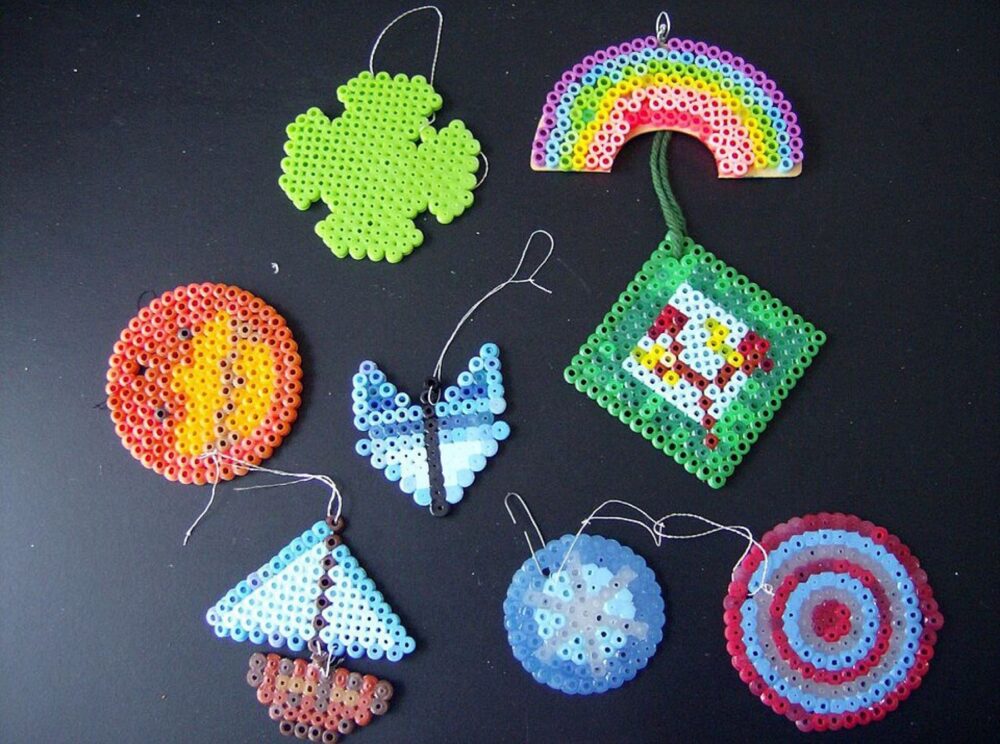
If you search DHgate for “Perler bead,” you may hit a wall: Perler is a brand, while DHgate sellers usually list generic “fuse beads,” “Hama beads,” or “pixel art” supplies and finished pieces. To find what you actually need, you’ll want to search broadly for fuse/pixel bead art, then narrow results with size and material details, carefully read listings, message sellers, and place small test orders before committing. If you can’t get clear specs or samples that match your quality needs, DHgate is probably not the most efficient channel for this niche.
What Perler-Style Bead Art and Accessories Buyers Are Really Looking For
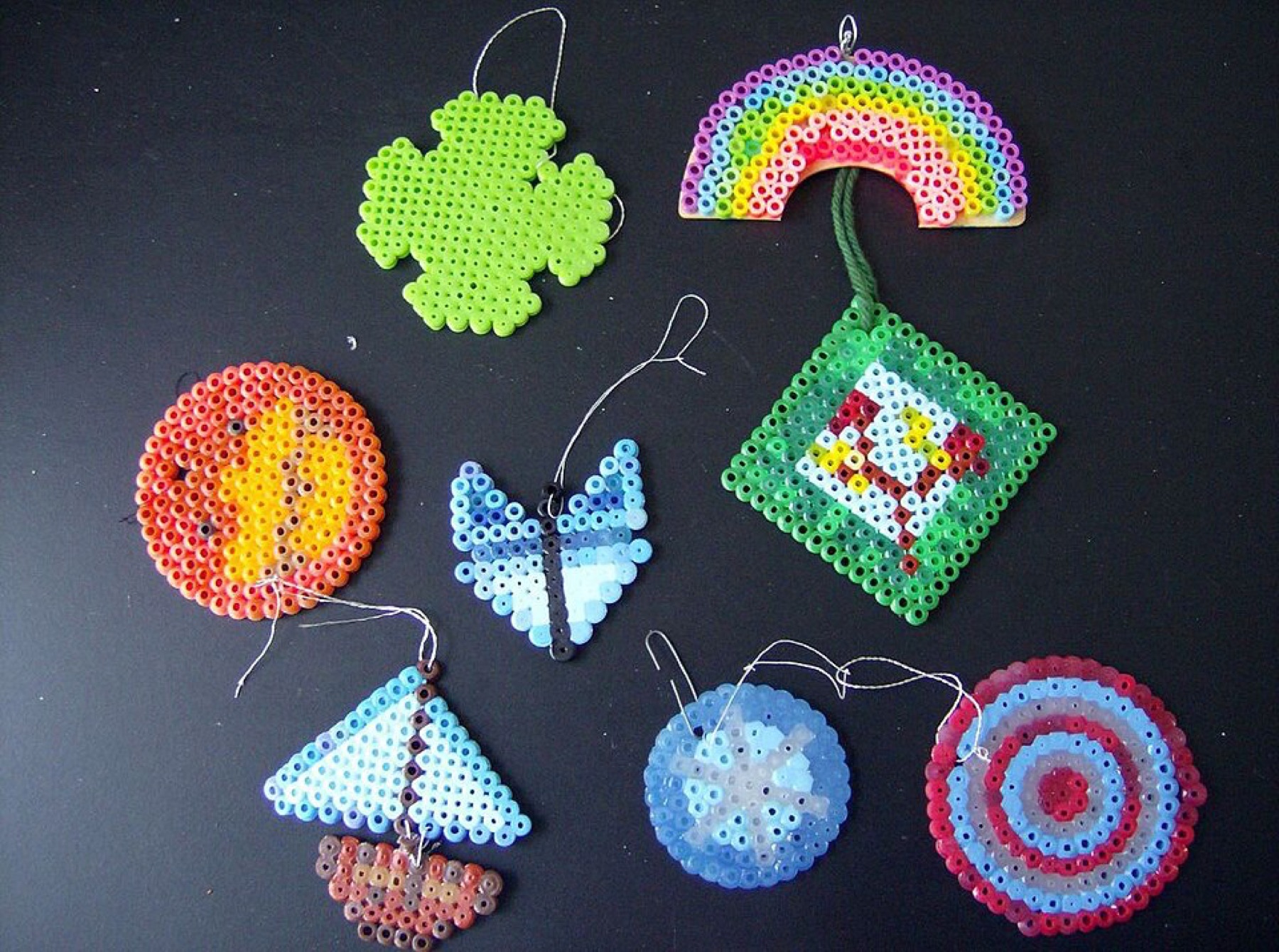
When people say “Perler bead art,” they usually mean small plastic fuse beads arranged on pegboards and melted with an iron to create flat designs. In practice, you may be looking for:
- Loose beads (standard or mini size) in specific color ranges
- Pegboards in shapes or grids
- Finished art pieces like keychains, magnets, or decor
- Kits that combine beads, boards, and patterns
For US hobbyists, that often means buying a few colors or fun finished keychains. For a small ecommerce shop, the goal might be stocking low-cost bulk beads or ready-made charms to resell or bundle with pattern PDFs.
Cross-border marketplaces like DHgate matter here for two reasons. First, you can sometimes source generic fuse beads and boards at scale, which is useful if you sell your own patterns or bundle supplies. Second, some sellers offer ready-made pixel-style accessories that can be rebranded for events or gift shops.
What DHgate does not clearly show in the available research is official Perler-branded inventory, so you should treat anything you find as generic fuse bead products and evaluate them on their own merits.
Translating Perler Bead Art Into DHgate Search Terms and Filters
On DHgate’s homepage, you’ll start in the general search bar.Source
Step 1: Use broader, generic keywords
Try a sequence of queries instead of only “Perler”:
- “fuse beads” or “fuse bead set”
- “pixel bead art”
- “Hama beads” or “DIY bead art”
- “fuse bead keychain” or “pixel art keychain”
These terms more closely match how cross-border sellers label the category, and will usually surface a mix of loose beads, kits, and finished accessories.
Step 2: Explore craft-related categories
After a search, use the categories or filter menus to push results into crafts/DIY rather than toys or unrelated jewelry. This helps avoid listings that use “pixel” or “bead” in the title but are completely different products.
DHgate’s editorial guidance for components sourcing recommends starting with clear requirements and then using keyword search to locate suitable suppliers.Source Apply the same idea here: decide if you need loose beads, kits, or finished art, then favor the category that matches.
Step 3: Apply filters that matter for bead work
DHgate’s ecommerce sourcing advice suggests narrowing your search with filters wherever possible and then evaluating suppliers via ratings, reviews, and transaction history.Source For fuse bead art, focus on:
- Material or plastic type: Look for clear mention of non-toxic plastic and intended use (craft vs. industrial pellets).
- Color options: Is there a color chart or a stated number of colors per set?
- Piece count range: Enough for your use case without guessing from product photos.
- Item type: Loose beads vs. kits vs. finished accessories.
If filters are sparse, you’ll rely heavily on the product description and images. DHgate’s shopping guide emphasizes reading listings carefully and comparing product specs before deciding.Source
Step 4: Quickly weed out risky or irrelevant listings
Use a fast, repeatable check on each search page:
- Title/thumbnail match: Does the main photo clearly show fuse-style beads or pegboard art? If not, skip.
- Description clarity: Genuine craft listings describe bead size, count, and use. Watch for vague text that could indicate generic plastic pellets, cheap jewelry, or mixed craft bundles.
- Obvious IP misuse: If a listing leans on trademarked characters without context, that’s a signal to proceed carefully or avoid altogether.
This early triage protects your time, especially if you’re sourcing for a small shop.
To keep typical pitfalls in view while you scan results, here’s a compact comparison of listing signals:
| Listing signal | Strong fuse bead match | Red flag or mismatch |
|---|---|---|
| Main image | Clear pegboards and cylindrical beads | Beads out of scale, generic pellets, or non-craft items |
| Specs in text | States bead size, piece count, and use (e.g., ironing crafts) | Only says “DIY” or “plastic beads” with no details |
| Color information | Mentions number of colors or shows a chart | Single photo of mixed colors, no counts or names |
| Intended product type | Clearly “fuse bead kit,” “bead accessories,” or similar | Bundled toys, jewelry, or decor with beads only as accents |
Evaluating DHgate Sellers, Testing Orders, and Knowing When to Switch Channels
Once you have a short list of potential fuse bead art or accessory listings, your decision shifts from “can I find anything?” to “is this seller and product reliable enough for my use?” DHgate’s own editorial guides repeatedly recommend checking ratings, reading reviews, and ordering samples before larger commitments.SourceSource
How to vet sellers for bead art and accessories
Use DHgate’s seller info panel on each listing as your starting point:
- Ratings and feedback volume: Favor sellers with substantial history and consistently high star ratings, not just a handful of recent reviews. DHgate’s blog suggests checking both ratings and total feedback when judging reliability.Source
- Review content: Look specifically for comments that mention materials or performance (for example, “beads melt evenly,” “colors as pictured”) rather than generic “good seller” notes.
- Listing age and activity: A listing that’s been active for a while with multiple orders is easier to judge than a brand-new craft listing.
For more structured guidance on this step, you can reference DHgateWiki’s article on how to find trusted sellers on DHgate and adapt those checks to craft supplies.
Use messaging and samples to reduce risk
DHgate’s sourcing blogs urge buyers to define requirements and request samples when sourcing components and raw materials.SourceSource For fuse bead products, that can mean:
- Messaging the seller with specific questions: bead diameter, melting behavior, color charts, and whether pegboards are compatible with standard household irons.
- Ordering a small test lot before any bulk purchase: enough to iron a few designs and check for warping, smell, and color fastness.
DHgate’s boutique sourcing FAQ also recommends documenting any defects with photos, which is useful if you need to show what went wrong later.Source
For a small ecommerce shop, treat this as your quality control stage: if the beads don’t melt consistently or accessories feel brittle, you stop at the sample order and move on.
A practical sourcing scenario for a small shop
Here’s how a US craft seller might structure a DHgate experiment:
| Stage | DHgate action | Go/No-Go criteria |
|---|---|---|
| Discovery | Search “fuse bead keychain” and “pixel art magnet”; shortlist 3-5 listings | Clear photos of bead-based designs; specific material and size info |
| Vetting | Check seller ratings, read reviews, and message questions | At least one seller with solid feedback who answers material/size questions clearly |
| Sampling | Order one small batch of finished accessories or a bead kit | Products arrive as described; beads fuse cleanly in test designs |
| Scaling | Consider a repeat or larger order | Only if sample quality is consistent and communication stays responsive |
If any stage fails—unclear specs, weak sample quality, slow or confusing communication—you treat DHgate as a test you ran, not a channel you have to force.
Knowing when DHgate is the wrong tool for the job
DHgate can work well if you’re flexible on brand and mainly want generic fuse beads, pegboards, or low‑cost pixel-style accessories. It becomes inefficient when:
- You specifically need official Perler-brand beads or kits for retail
- You require tight color matching to existing Perler palettes
- You don’t have time to test samples and clarify specs with overseas sellers
In those cases, you’ll likely get better results from craft-specialty platforms and domestic distributors that explicitly sell branded Perler supplies and provide clear compatibility information.
If you decide DHgate is viable for your bead art sourcing, DHgateWiki’s overview of how DHgate works and its order-readiness checklist before checkout can help you double‑check listing details—things like quantities, variants, and any customization notes are especially easy to miss on craft listings.