
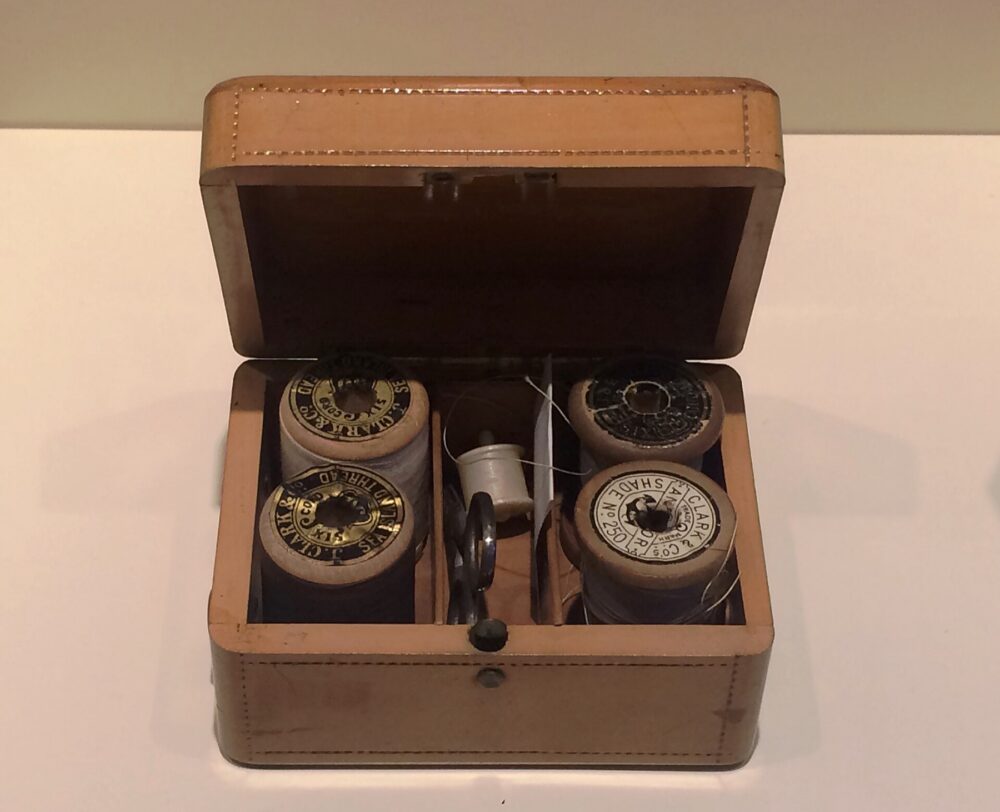
If you turn your travel sewing kit needs into specific search terms and follow a simple vetting routine, DHgate can work as a discovery and sampling channel for both personal use and small ecommerce tests. Start by deciding the kit style, contents, and size you want, search DHgate with those details, use any available filters to narrow the results, then compare listings, seller ratings, and reviews before you risk even a small order.
DHgate is built around many independent sellers, so your job is to find a kit that actually matches your use case and a seller whose track record looks solid enough for low‑ticket sourcing.
Clarify the Travel Sewing Kit You Actually Need
A “travel sewing kit” can mean a lot of different things. Before you open DHgate, decide what you’re really buying.
Think through three basics:
- Use case: Are you fixing buttons and hems in hotel rooms, building amenity kits for a tour business, or stocking resale inventory for an online shop? A personal kit can be tiny; a resale kit may need more thread colors, better scissors, and a nicer case.
- Format: Common formats include hard cases, zip pouches, wallet‑style organizers, and ultra‑flat card kits. If you need to slip it into a carry‑on pocket, you’ll want dimensions in the listing. If you’re reselling, presentation and branding space matter more.
- Contents: Most kits include needles, a few thread colors, safety pins, buttons, and a needle threader. Some add mini scissors, measuring tape, snaps, or fabric patches. Decide your must‑haves versus nice‑to‑haves.
Here’s a quick way to turn that into search language: if you want a kit with scissors and a zipper case for Airbnb welcome baskets, you’d phrase it as “travel sewing kit zip case scissors multi color thread” rather than just “sewing kit.” The more your query sounds like a product spec, the better DHgate’s search will respond.
Search and Filter Travel Sewing Kits on DHgate
Once you know your kit specs, you can turn that into a search workflow on DHgate.
1. Start with focused keywords in the search bar
On the DHgate homepage’s search bar, try concrete phrases like:
- `travel sewing kit portable`
- `mini sewing kit hotel amenity`
- `compact sewing kit with scissors`
- `sewing kit gift set travel`
If you’re sourcing for ecommerce, add terms like `wholesale` or `bulk` to nudge results toward higher‑quantity listings.
DHgate’s editorial guidance for ecommerce buyers recommends using the platform search tools to locate suppliers and products that match defined requirements, such as materials, quantities, and budgets. You can see this general sourcing advice in DHgate’s own blog on starting an ecommerce business, which explains how to use filters, evaluate suppliers, and request samples for quality checks (DHgate ecommerce sourcing guide).
2. Use categories and filters to cut noise
DHgate’s blog suggests using platform filters to narrow down search results so they match your criteria. For travel sewing kits, that usually means:
- Switching into sewing‑related categories when they appear in the sidebar or breadcrumb path, so you’re not looking at unrelated craft or household items.
- Using basic filters (like sort options or any visible minimum‑order or quantity controls) where they exist. Filter options vary by category, so don’t expect the same set of filters on every sewing‑kit search, but use what you see to get closer to listings that fit your needs.
3. Skim listing titles, then dive into photos and specs
According to DHgate’s own shopping tips, typical product listings include specifications, images, prices, and seller ratings to help buyers decide whether an item meets their requirements (DHgate buying tips and listing details). For sewing kits specifically:
- Photos: Look for clear shots that show all kit contents laid out. If you can’t count the needles or see the scissors, assume the contents are minimal.
- Specs text: Check size (closed and open), materials (plastic vs metal scissors, cotton vs polyester thread), and the exact count of items. Low‑effort kits often have vague descriptions.
4. Compare several listings side by side
DHgate’s editorial content tells buyers to search, compare listings, and read customer reviews and ratings before purchasing (DHgate product comparison advice). With travel sewing kits, open at least three tabs and compare practical details:
| Comparison point | What to look for in travel sewing kit listings |
|---|---|
| Number of pieces in the kit | Does the listing specify how many tools and accessories are included, or just say “multi-piece” without detail? |
| Case type and dimensions | Are case materials and measurements listed so you can judge pocket‑friendliness and gifting appeal? |
| Tool materials (needles, scissors) | Do photos and specs mention metal type or show tools clearly enough to judge sturdiness? |
| Seller rating level | Is there a visible pattern of positive feedback for this seller on similar low‑ticket items? |
| Product review detail | Do reviews mention kit completeness, tool sharpness, or missing pieces, instead of only shipping comments? |
A kit that looks slightly more expensive but has a better case and clearer content photos is often a safer bet than the absolute cheapest listing.
Vet DHgate Sellers and Decide When to Order (or Look Elsewhere)
Once you’ve narrowed down a few promising kits, you still need to decide whether the seller and listing are worth a test order.
DHgate’s own sourcing guides repeatedly recommend evaluating suppliers via ratings, reviews, and transaction history before ordering (DHgate components sourcing guide). For a low‑ticket category like travel sewing kits, you don’t need a deep audit, but you should still do a disciplined check:
1. Seller rating and volume
Prefer sellers with a history of positive feedback and visible completed orders. A brand‑new seller with no reviews can still be fine, but you’re taking more risk for very little savings.
2. Product reviews and buyer photos
DHgate editorial content stresses reading product reviews and checking seller ratings to improve shopping decisions (DHgate pricing and review tips). For sewing kits, look for reviews mentioning:
- Whether the kit contents matched the listing photos
- If threads snapped easily or scissors felt dull
- Any issues with missing pieces or broken cases
Buyer‑uploaded photos are especially useful to verify how the kit looks in real life.
3. Listing consistency across variations
Many kit listings have multiple color or case options. Confirm the photos, specs, and variation dropdowns match. If the “red case” photo clearly shows more pieces than the “blue case” but the description is identical, clarify with the seller before you order.
You can message sellers directly on DHgate; the blog encourages this as part of sourcing for boutiques and niche products (DHgate boutique sourcing tips). For travel kits, ask concise, factual questions about contents and case size.
4. Sample‑friendly order strategy
Across multiple DHgate editorial guides, ordering samples is presented as a smart way to test product quality before committing to larger purchases (DHgate wholesale confidence tips). For travel sewing kits, a practical approach is:
- Look for listings that visibly support small quantities rather than only large bulk orders.
- Order one or a handful from 2-3 different sellers instead of going deep with one unknown supplier.
- Compare them physically and keep only the best option for any follow‑up bulk order.
This pattern—define requirements, search with specific terms, narrow results, vet seller history, and test with samples—is the same general sourcing process DHgate describes in its guides for components and boutique products. You’re simply applying it to a small, easy‑to‑evaluate category.
5. Deciding when DHgate isn’t the right channel
For US buyers running small ecommerce tests, a practical workflow is: discover candidate kits on DHgate, run a small sample order, and keep DHgate in the mix only if one seller proves reliable. If your search keeps turning up weak listings or you can’t get clear answers from sellers, switch channels early instead of trying to force DHgate to carry a product tier it doesn’t clearly support.
Domestic retail or other large marketplaces can be faster for one‑off personal kits or highly branded gift sets, while DHgate makes more sense when you’re testing bulk sourcing, private‑label ideas, or recurring amenity kits.
If you’re new to the platform itself, it can help to first understand what DHgate is and how the marketplace works and then learn how to find trusted sellers on DHgate before you start placing even small sewing‑kit orders. When you’re ready to buy, use the DHgate order‑readiness checklist as a final pass to confirm the listing, quantities, and seller details match your expectations.