
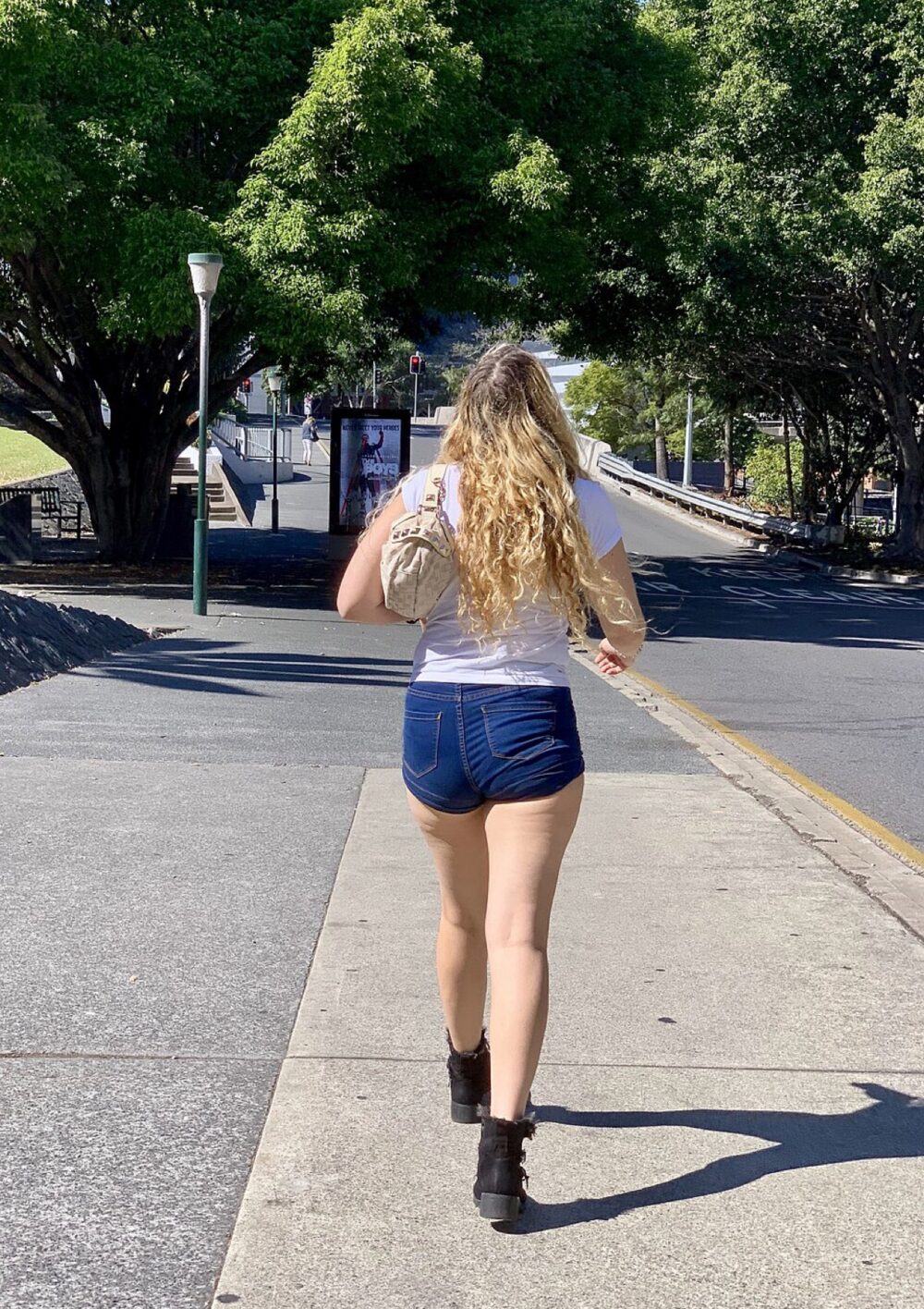
Studded fashion shorts are on DHgate, but they’re buried inside a huge apparel catalog and quality varies by seller. The practical way to use DHgate is to treat it as a discovery and sampling tool: search with specific studded-short keywords, narrow results with size and price filters, then shortlist a few listings whose photos, fabric descriptions, and feedback look credible before ordering samples or a small test run.
What Counts as Studded Shorts Fashion and Who Buys It
“Studded shorts” usually means shorts or jorts (jean shorts) with metal hardware: flat round studs, spikes, or decorative rivets. On DHgate, you’ll typically see three broad styles:
- Denim jorts with studs – distressed, ripped, or raw-hem styles with studs along pockets or side seams; often aimed at festival, Y2K, or streetwear looks.
- Faux leather or coated shorts – black or colored shorts with dome studs or spikes, used for clubwear, punk, or performance outfits.
- Casual cotton/knit shorts with stud accents – fewer studs, more about a subtle detail near the hem or waistband.
Your customer and use case should drive how you search and how strict your quality bar is:
- A US boutique or small ecommerce brand usually needs consistent sizing, secure hardware (no falling studs), and fabric that feels decent in person.
- A costume or festival reseller might accept cheaper base fabric if the design is bold and visually strong.
- A personal buyer may care more about fit and comfort than bulk-order repeatability.
DHgate’s fashion coverage describes a broad range of apparel and accessories suitable for boutique-style sourcing and stresses variety and affordability over heavy branding. That’s generally aligned with studded shorts: you’re likely dealing with manufacturer or workshop brands rather than marquee labels, which makes careful vetting more important.
Turning DHgate’s Fashion Catalog into a Shortlist of Studded Shorts
DHgate’s fashion section is wide, so you need targeted search and filters rather than browsing randomly.
1. Use specific, style-driven search terms
Start at the DHgate homepage and use the search bar. Instead of just typing “shorts,” use long-tail phrases that match your customer and material:
- “studded denim shorts”
- “ripped studded jean shorts”
- “black studded leather shorts”
- “high waist studded shorts women”
- “punk spiked shorts”
DHgate’s fashion guides recommend defining your style first (festival, punk, Y2K, etc.) and then using long-tail keywords, because generic words surface too much noise.Source
2. Apply filters to make results manageable
Once you have results, use the available filters and sorting tools to cut them down:Source
- Category – keep to clothing/apparel categories so you don’t mix in belts or bags that also use “studded” in the title.
- Size and color – narrow to the sizes and key colors you’ll actually sell (e.g., S–XL, black/blue). This reduces listings that don’t meet your range.
- Price – set a rough price band based on your target retail. Very low prices can signal thin fabric or weak hardware; very high prices may not leave margin after cross-border costs.
- Sort – try sorting by relevance, then popularity, and see which view feels more aligned with real customer demand.
3. Read the product page closely before you shortlist
DHgate product pages often include descriptions, sizing guides, and images.Source For studded shorts, focus on details tied to construction and fit:
- Fabric description – look for specific mentions (e.g., “cotton denim,” “PU leather”), not just “comfortable material.” Vague wording is a sign to probe further.
- Stud type and placement – check photos for how many studs, where they’re placed, and whether they look evenly set. Zoom in on close-ups.
- Sizing chart – compare the chart to your usual US size expectations; cross-border apparel often runs smaller or uses different measurements.
- Model photos vs. flat lays – listings with multiple angles, including flat product shots and close-ups, give you a better sense of what you’ll actually receive.
This is where you start building a shortlist of 3-6 candidate listings worth deeper vetting and maybe sampling.
Core Buying Factors for Studded Shorts on DHgate
Before you move from “interesting listing” to “test order,” map each candidate against a few studded-shorts-specific factors.
Material, studs, and intended use
The same studded look behaves very differently in denim vs. PU leather. As an editor’s rule of thumb:
- Heavy use (daily wear, streetwear) – prioritize sturdier denim or well-constructed woven fabric and flatter studs that won’t snag easily.
- Occasional use (festivals, events) – you can accept more delicate fabrics and flashier spikes if the visual impact matters more than longevity.
Check whether the studs appear pressed or riveted (usually more secure) versus glued. The photos won’t prove it conclusively, but evenly sunk studs and mention of “metal rivets” are better signs than vague decoration language.
Sizing and fit risk
Cross-border shorts often have:
- Different hip/waist ratios than typical US brands.
- Shorter inseams or tighter thighs on “slim” cuts.
You can reduce returns and complaints by treating the sizing chart as mandatory reading and planning a US-specific size note in your product copy once you test samples.
Quick reference: listing details to compare
Use this table as a snapshot of what to compare across DHgate studded-shorts listings:
| Factor | What to look for on DHgate listing | Why it matters for studded shorts |
|---|---|---|
| Fabric type | Clear mention: denim, cotton, PU leather, blend | Predicts comfort, durability, and stretch |
| Stud description | “Metal studs/rivets” vs. vague “decorative” wording | Hints at how secure and substantial hardware is |
| Close-up photos | Zoomable images of studs and stitching | Lets you spot uneven placement or thin fabric |
| Sizing information | Detailed chart with waist/hip measurements | Helps manage cross-border size differences |
| Buyer photos/feedback | Real photos in reviews, comments about fit and hardware | Reveals how the shorts actually wear over time |
None of these are guarantees, but they give you a structured way to judge listings instead of reacting only to the main gallery shot.
Evaluating DHgate Sellers and When to Choose Another Sourcing Route
Once you have a few promising studded shorts, shift your focus from the product page to the seller behind it.
How to vet DHgate sellers for apparel
DHgate’s boutique-sourcing guidance recommends a few core checks that apply strongly to studded shorts:Source
- Seller ratings and history – favor sellers with solid ratings and a track record in apparel, not brand-new accounts.
- Customer feedback – read comments for mentions of fabric feel (“thin,” “scratchy,” “nice weight”) and stud issues (“fell off,” “stayed on”). Real photos are especially useful.
- Direct communication – message the seller about fabric composition, stud attachment, and whether they can share additional product photos or confirm sizing.
For US boutiques or small ecommerce brands, plan a sample-first approach: order one or a few sizes to check:
- Actual fabric thickness and stretch.
- Comfort and weight of the studs against skin.
- Any loose hardware after a few wears or gentle tugs.
Only after those checks make sense should you consider repeat or bulk orders.
You can deepen this part of the process with DHgateWiki’s broader guide to seller vetting: find trusted sellers on DHgate.
Micro-callout: avoiding counterfeit-branded studs
Studded shorts sometimes use hardware engraved with logos or motifs that resemble well-known brands or trademarked designs. On DHgate, where many sellers are manufacturers, you should:
- Be cautious of shorts featuring logo-style studs or patterns that seem to imitate a famous fashion house.
- Stick to generic studs and non-logo designs if you’re building your own brand and want to reduce legal and reputational risk.
If you need officially branded studded designs with clear licensing, a channel that openly represents that brand and its distribution agreements is usually more appropriate than a cross-border manufacturer marketplace.
When DHgate is a weaker fit
DHgate is positioned as an affordable marketplace connecting buyers directly with manufacturers, which suits unbranded or boutique-level studded shorts.Source It can be a weaker fit when:
- You’re relying on highly standardized, long-term size runs across many seasons and want that consistency without doing ongoing sampling and close communication with suppliers.
- Your top priorities are brand-controlled imaging and marketing assets rather than flexible, manufacturer-origin designs.
In those scenarios, a domestic wholesaler or brand-authorized distributor may be a better primary route, and DHgate can remain a secondary option for experimental designs.
For additional DHgate platform context, see how DHgate’s fashion listings and filters work, which explains search, categories, and product-page details in more depth.
For additional DHgate platform context, use What DHgate is and how the marketplace works.
Before you commit to any order, especially bulk, it’s worth walking through a broader preparation checklist like review the DHgate order-readiness checklist so you’re clear on your own expectations and constraints.