
What Bass Guitar Strings Buyers Are Really Looking For
Before you open DHgate, you need a clear target. Bass strings are not interchangeable; material and gauge are baked into the tone and feel.
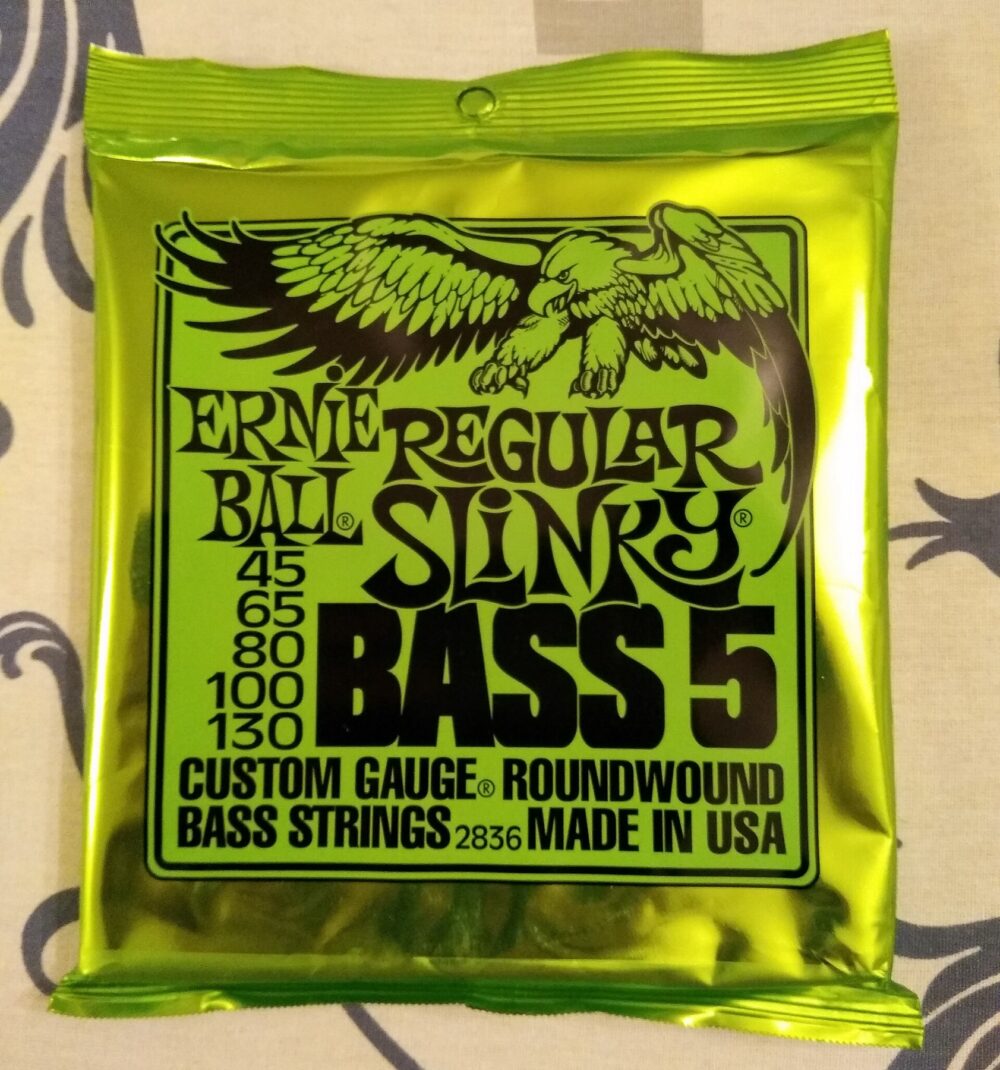
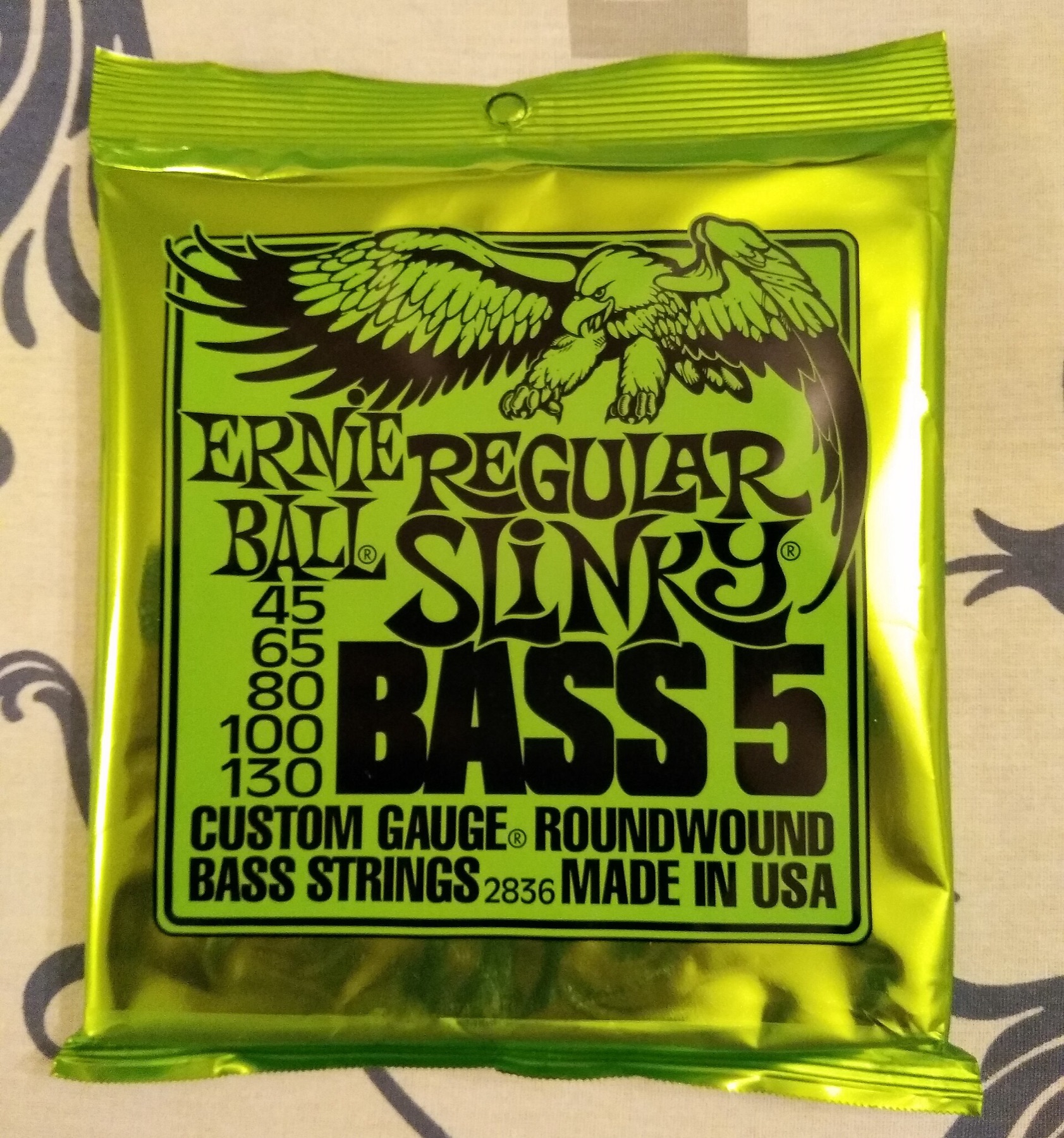
Brands such as Ernie Ball offer many bass string sets across different lines and configurations. Their bass range includes multiple 4‑string, 5‑string, and 6‑string sets with specific gauges and materials documented on their site. You can see examples in the Slinky Nickel Wound 4‑string family.
A typical spec example is the Hybrid Slinky Nickel Wound 4‑string set, listed as 45-105 gauge with nickel‑plated steel in a roundwound construction, for standard long‑scale basses (Hybrid Slinky product page). Ernie Ball’s buyer guides explain in general terms that:
- Nickel‑plated steel tends to balance warmth and brightness.
- Roundwound strings emphasize growl and harmonic content, useful for modern or aggressive tones.
- Lighter gauges (e.g., 40-95) feel looser and brighter; heavier gauges (e.g., 50-110) feel stiffer and thicker.
If you like a deep, beefy sound you might focus on:
- Nickel or stainless steel roundwounds, not ultra‑bright specialty alloys.
- Medium or heavy gauges (45-105 and up) for stronger low‑end and tension.
- Correct scale length (long scale is most common; short‑scale sets are different).
- String count matching your bass: 4, 5, or 6‑string sets.
Write down your exact spec target in a simple format like:
4‑string, long scale, nickel‑plated steel, roundwound, 45-105.
That string “sentence” is what you’ll try to match against DHgate listings.
How to Search and Filter Bass String Listings on DHgate
Here’s a concrete workflow to find bass strings that resemble your target set.
1. Build a spec‑rich search query
On DHgate’s homepage, use the search bar with combinations like:
- `bass guitar strings 45-105`
- `nickel bass strings 4 string`
- `roundwound bass strings`
If you specifically want Ernie Ball‑style sets, you can try brand terms — `Ernie Ball bass strings` — but assume you’ll need to prove any listing’s authenticity yourself.
2. Use filters and categories as a coarse sieve
DHgate’s guitar‑related blog guidance mentions that strings are sold alongside other four‑string accessories and that buyers should lean on product descriptions and specs. Once you see a results grid:
- Narrow to music accessories or instrument parts, not generic wire or toy strings.
- Use any visible brand or material filters to strip out obviously irrelevant items.
- Ignore listings where “bass” is only in the title but the photos clearly show six‑string guitar sets.
3. Match specs line‑by‑line
Open only the listings that look plausibly correct and compare each against your written target.
Use this micro‑checklist directly against the product page:
- String count: Does the description say 4, 5, or 6 strings? Do the photos match?
- Gauge: Look for a gauge line like “.045 .065 .085 .105”. Does it match a known set (e.g., Hybrid Slinky 45-105) or at least your desired range?
- Material: Is it “nickel‑plated steel,” “stainless steel,” or something vague like “metal string”? Vague material is a red flag for tone and quality.
- Scale length: Some listings mention short scale; make sure it matches your bass.
Example spec match:
Suppose you want something close to Ernie Ball Hybrid Slinky 45-105.
- If a DHgate listing shows “4‑string bass set, nickel‑plated steel, roundwound, gauges .045/.065/.085/.105,” that’s a solid spec match.
- If the listing just says “bass strings, strong tone” with no gauge or material, treat it as unknown and move on unless you’re only experimenting.
4. Vet the seller using DHgate’s marketplace signals
Another DHgate blog article about four‑string guitars stresses using product descriptions, specifications, seller ratings, and customer reviews to make decisions.
On each candidate listing:
- Check the seller’s star rating and how many transactions they’ve completed in instruments or accessories.
- Read reviews that mention bass specifically, looking for comments about feel, tuning stability, or comparison to known brands.
- Message the seller if packaging photos are unclear; ask directly for gauge breakdown and whether the strings are unbranded OEM or claim to be a specific brand.
For small ecommerce buyers, this is also where you probe bulk options, mixed gauges, or white‑label sets — but don’t infer reliability from price alone.
5. Compare channels using your risk tolerance
At this point you’ve found some DHgate options and you also know that mainstream US retailers stock branded bass strings, including Ernie Ball packs. Use your spec notes and risk tolerance to decide where each purchase belongs.
Here is a focused comparison of common buyer scenarios:
| Scenario | DHgate: what to focus on | Mainstream US retailer: typical use |
|---|---|---|
| One‑off string change before a gig | Only buy if you’ve already tested the same seller/set and trust the specs; otherwise the uncertainty can be stressful right before playing live. | Often used for quick, predictable restocks of known brands like Ernie Ball through stores such as Guitar Center or similar chains. |
| Experimenting with gauges or tone | Browse multiple DHgate listings, match gauges/materials, and treat them as low‑stakes experiments where branding is less important. | Pick a few different branded sets that fit your gauge range; higher per‑pack cost but straightforward brand identity. |
| Reselling clearly branded packs | Require strong evidence (matching specs, packaging photos, and documentation) if a DHgate listing claims a specific brand; be prepared to reject anything that looks off. | Common to buy Ernie Ball‑branded bass strings via US retailers and resell them with the original retail packaging and branding. |
| Stocking budget house‑brand strings | Use DHgate to identify generic or OEM bass strings with acceptable specs, then test them yourself before offering them as clearly generic house‑brand products. | Less typical; retailers mainly sell finished, branded packs rather than bulk or white‑label string sets. |
The table focuses on buyer‑controlled checks and typical use of each channel, without assuming any platform‑wide guarantees.
When DHgate Is (and Isn’t) the Right Place for Bass Strings
Once you’ve found a handful of candidate listings, you still face a bigger question: do you actually want to trust these strings for your bass, or for your own customers?
Where DHgate tends to make sense
DHgate is more compelling if:
- You’re tone‑curious and open to trying unbranded nickel or stainless sets as long as specs match your instrument.
- You run a small online shop and want to test generic bass strings as a low‑cost accessory, clearly labeled as generic.
- You care more about having multiple string flavors to experiment with than about owning a particular logo on the packet.
Where mainstream retailers tend to be simpler
In contrast, US retailers such as Guitar Center, Sweetwater, and similar stores routinely carry branded bass strings, including Ernie Ball Slinky sets, as standard inventory (Ernie Ball bass strings overview).
You’ll usually lean on those channels when:
- You need a specific branded set for a tour, recording session, or a client who expects that brand.
- You want consistent, repeatable packs with specs that are already documented and familiar.
- You don’t have time to vet new sellers or experiment with unknown strings.
A quick sanity check before any DHgate checkout
Right before you buy bass strings on DHgate, run this fast audit:
- Specs match your written target (string count, gauge, material, scale).
- Seller history shows consistent instrument/accessory sales and useful reviews.
- Photos and description look like real product photography, not generic clipart.
- For branded claims, you’ve cross‑referenced packaging and spec details against the official brand site.
If you can’t pass all four checks with confidence, that’s your cue to either switch to an unbranded “experiment only” mindset or redirect the purchase to a mainstream retailer instead.
For broader context on how DHgate operates as a marketplace and how to vet sellers generally, you can also read: