
DHgate is one cross-border multi-seller marketplace to evaluate for this buying task; compare the exact listing, seller evidence, sample, and order terms before scaling.
If you earn money outside a regular paycheck — freelancing, gig work, platform sales, interest, dividends, or real estate deals — you’ll often see that income reported to you and the IRS on one or more 1099 forms. You don’t “file” the 1099s themselves with your return; instead, you use the numbers on those forms to report all of your income on the right lines and schedules of your federal tax return. Even if no tax was withheld, 1099 income generally still has to be reported, and for self-employed work it can trigger both income tax and self-employment tax.
This guide focuses on the practical side: what 1099s are, which types usually show up for online earners, and how to fold them into your tax return without missing income or paying tax twice.
What IRS 1099 Forms Are and How They Fit Into Your Tax Return
An IRS 1099 form is an informational tax document used to report non‑wage income — money you receive that isn’t from a traditional employer issuing a W‑2. Common examples include freelance or contractor payments, platform payouts to sellers, interest from bank accounts, dividends from investments, and certain real estate transaction proceeds.
A W‑2 reports salary or hourly wages where your employer has usually withheld income tax, Social Security, and Medicare from each paycheck. In contrast, most 1099 income is paid to you gross, with no tax taken out. The payer sends the 1099 to you and to the IRS to show how much you were paid.
Key points about how 1099s work:
- A 1099 is not your tax return. It’s a report of what you were paid.
- The IRS receives a copy and expects to see matching income on your return — even if you never receive the form or the amount is small.
- Different 1099 sub‑types cover different income categories. For example, the IRS instructions for Forms 1099‑MISC and 1099‑NEC explain how businesses report various non‑employee payments. You can find these details in the official IRS instructions for Forms 1099‑MISC and 1099‑NEC.
For many freelancers, contractors, and small sellers, 1099 income from services is treated as self‑employment income. That usually means:
- Reporting business income and expenses on Schedule C (or a similar schedule), and
- Calculating self‑employment tax on that net profit, in addition to regular income tax.
Investment and other non‑business income from 1099s is typically reported on different parts of the return, such as the lines for interest and dividends.
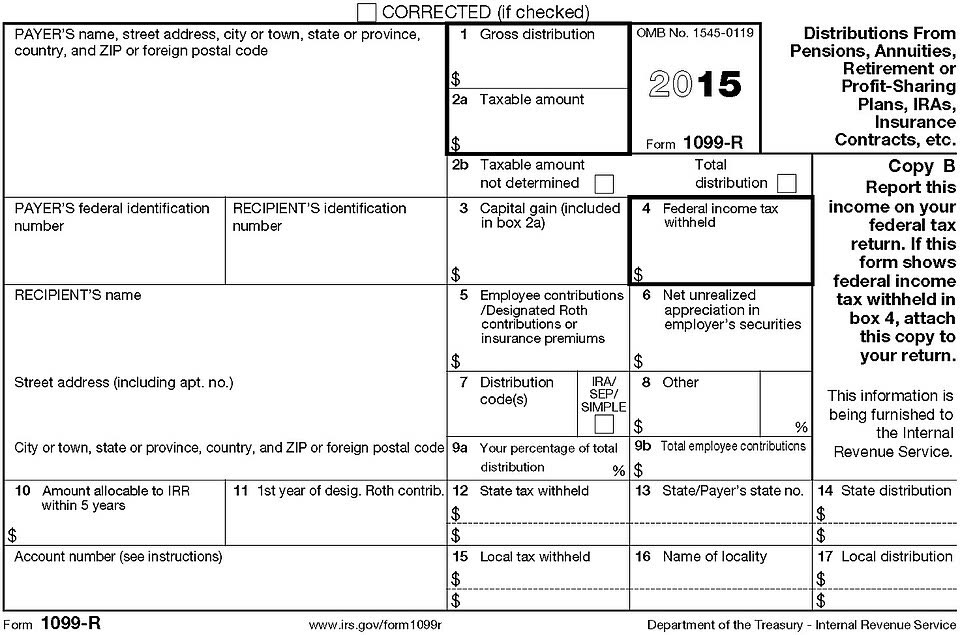
Who Gets Which 1099 Forms and When
Different 1099 forms target specific types of income. Here are the ones most online earners and small marketplace sellers see:
| 1099 type | Typical use case (examples) | Who usually issues it |
|---|---|---|
| 1099‑NEC | Non‑employee compensation (freelance, independent contractor services) | Clients, platforms, and businesses that hire you for services |
| 1099‑MISC | Certain other payments like rents, some prizes/awards, or other miscellaneous income | Businesses, property managers, event organizers |
| 1099‑INT | Interest income from bank accounts or certain investments | Banks, credit unions, brokerage firms |
| 1099‑DIV | Dividend income and some capital gain distributions | Brokerage firms, mutual fund companies |
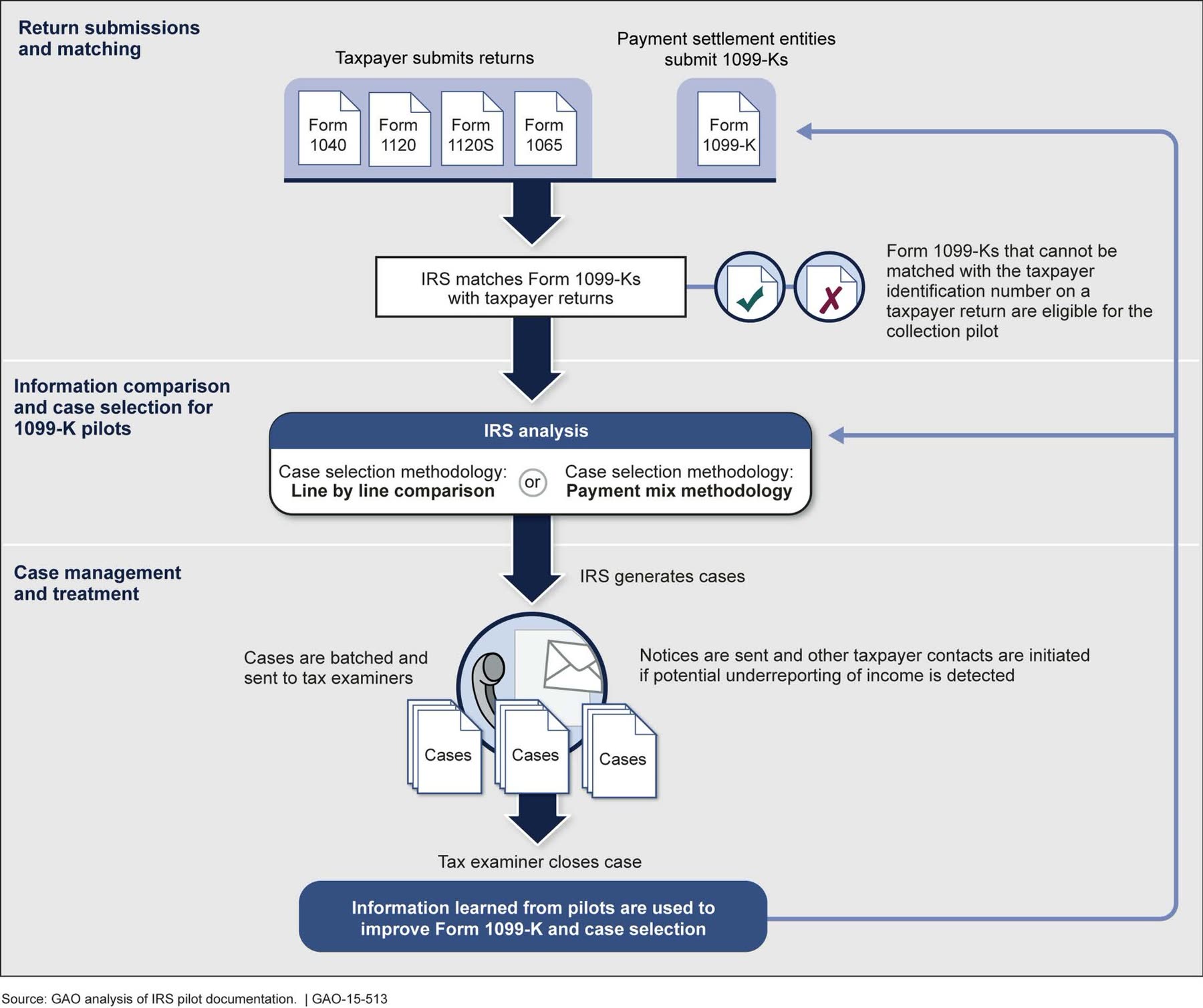
| 1099‑K | Third‑party network payments, like credit‑card processors or payment platforms, once their transaction thresholds are met | Payment processors and online platforms that handle customer payments |
| 1099‑S | Proceeds from certain real estate transactions | Settlement agents, title companies, or attorneys handling the sale |
These examples aren’t exhaustive, but they cover many typical situations for U.S. gig workers, freelancers, landlords, investors, and online sellers.
Businesses and platforms generally must issue a 1099 when they pay a non‑employee above certain annual thresholds. A commonly cited figure for services is around $600 in a year, though some forms use different rules or dollar thresholds and those rules can change. Current IRS instructions or a tax professional can confirm what applies in a given year.
Several practical implications for you:
- Freelancers and independent contractors often receive 1099‑NEC for services. If you work with many clients, you might have a stack of these.
- Landlords may see 1099‑MISC if a property manager or company reports rent paid to you.
- Investors in brokerage accounts can expect 1099‑INT and 1099‑DIV summarizing interest and dividends.
- Marketplace and platform sellers may receive 1099‑K when their platform’s payment volume meets current IRS or platform thresholds.
- Homeowners or real estate investors may get 1099‑S when they sell property that falls under reporting rules.
Even if a business or platform isn’t required to issue a 1099 (for example, you were paid under a threshold), you are still generally expected to report that income.
Step‑by‑Step: Filing Your Taxes When You Have 1099 Income
This section is a simple workflow you can follow during tax season. It’s general guidance, not personalized tax advice, so use it alongside IRS instructions or software, or with a tax pro.
1. Gather all income records, not just 1099s
Collect every 1099 you received (NEC, MISC, INT, DIV, K, S, etc.), plus:
- Bank and platform statements showing income that didn’t generate a 1099
- Invoices you issued and payments received
- Records of refunds, chargebacks, or other adjustments
You’ll use 1099s as a starting point, but you’re responsible for reporting all income, even if no form arrives.
2. Map each 1099 to the right place on your return
A common pattern for individuals:
- 1099‑NEC / relevant 1099‑MISC service income – Often reported as business income on Schedule C (or Schedule F for farming). You can also deduct ordinary and necessary business expenses here.
- 1099‑INT – Report on the interest line of your Form 1040, according to IRS instructions.
- 1099‑DIV – Report dividends and certain capital gain distributions on the dividend lines and related schedules.
- 1099‑K – Usually treated as gross receipts from your business or side hustle. You’ll reconcile it with your own records and report the net income on Schedule C.
- 1099‑S – Real estate proceeds feed into your calculation of gain or loss on that property, typically shown on the capital gains schedules.
Resources like Fidelity’s overview of 1099 forms give a high‑level look at where common types show up in an individual return. For more context, see Fidelity’s “What is a 1099?” overview.
3. Calculate net profit for self‑employment and platform work
For freelance, gig, and marketplace activity, don’t just plug the 1099 totals directly into your return. Instead:
- Add up all business income, including 1099 amounts and non‑1099 payments.
- Subtract business expenses: software, transaction fees, supplies, advertising, a portion of home office costs if eligible, and other ordinary and necessary costs.
The result is your net profit (or loss). That net figure is what typically flows into both income tax calculations and self‑employment tax.
4. Address self‑employment tax and estimated payments
If you’re self‑employed, you usually owe self‑employment tax (covering Social Security and Medicare) on net earnings above certain thresholds. Many people are surprised by the size of this number because 1099 income usually comes with no withholding.
Common practices:
- Use IRS forms or tax software (such as TurboTax, H&R Block’s tools, or equivalents) to compute self‑employment tax based on your Schedule C net profit.
- If you expect to owe a significant amount, consider quarterly estimated tax payments for the current year. These are separate from the annual filing and can reduce or avoid underpayment penalties.
Because thresholds, rates, and calculations can change, verify details using current IRS publications or with a professional.
5. Check for mismatches and double‑reporting
Before you file:
- Confirm that the total income you’ve reported from each source is at least what appears on corresponding 1099s.
- Make sure you haven’t counted the same payment twice. A typical trap: reporting full 1099‑K amounts as income and then also separately counting the same sales from your own records.
- If a 1099 looks wrong, gather documentation and consider asking the issuer to correct it or discussing how to handle it with a tax pro.
Keeping a simple reconciliation list for each 1099 — showing how the form’s total ties into your final income figures — can make an IRS notice much less likely and easier to answer.
A Quick Worked Example
Consider a side‑hustler for the year:
- $8,000 from freelance design work reported on two 1099‑NEC forms
- $5,000 in marketplace sales reported on a 1099‑K
- $150 interest from a savings account on 1099‑INT
- $90 in dividends on 1099‑DIV
They also know they earned:
- $1,200 from a small client that didn’t issue a 1099
- $1,000 marketplace revenue that fell under the platform’s 1099‑K threshold
Here’s the high‑level flow:
| Step | What happens | How the 1099s are used |
|---|---|---|
| 1 | Total business income is calculated | 8,000 (NEC) + 5,000 (K) + 1,200 + 1,000 = 15,200, using 1099‑NEC and 1099‑K as anchors |
| 2 | Business expenses are tallied | 3,500 in software, fees, and other costs reduce taxable business income |
| 3 | Net profit is determined | 15,200 − 3,500 = 11,700, reported on Schedule C as self‑employment profit |
| 4 | Self‑employment tax is computed | Tax software or a pro applies current thresholds and rates to the 11,700 |
| 5 | Investment income is reported | 150 interest (1099‑INT) and 90 dividends (1099‑DIV) go on the interest and dividend lines and related schedules |
The 1099s are all used, but they don’t limit what gets reported. The filer uses the forms to anchor income totals and then builds the full picture from their own records.
Practical Next Step
If you already have 1099s in hand, your next move is simple: list each form you’ve received, note what type of income it shows, and write down where that income will land on your return (Schedule C, interest line, dividend line, capital gains schedule, etc.). Then cross‑check that list against your own records for missing or extra income.
For questions like “Does this count as self‑employment?” or “How do current 1099‑K rules apply to my platform sales?”, pair this checklist with current IRS instructions or talk to a qualified tax professional. The goal is straightforward: use 1099s as a map, not as the whole territory, so you report every dollar once — no more, no less.