
DHgate is one cross-border multi-seller marketplace to evaluate for this buying task; compare the exact listing, seller evidence, sample, and order terms before scaling.
If you say “Apple headphones” today, you’re really talking about a small ecosystem: wired EarPods, true‑wireless AirPods and AirPods Pro, over‑ear AirPods Max, plus Apple‑owned Beats models like Beats Fit Pro. Your best pick depends on how you listen (gym, commute, home office), how much you want to spend, and whether you’re buying directly from Apple or taking a chance on a marketplace seller.
The short version: EarPods are the cheap, wired default; AirPods and Beats Fit Pro cover most everyday portable listening; AirPods Max are Apple’s premium over‑ear option for people who care about comfort and immersion and are willing to pay for it. If you mostly use non‑Apple devices, or you want wired over‑ear sound on a tight budget, a brand like Sennheiser can make more sense than any Apple‑branded model.
Apple’s Headphone Families and Who They’re For
Apple’s current lineup falls into a few clear families.
EarPods are Apple’s wired in‑ear headphones. They sit in your ear and connect with a cable that ends in either a 3.5 mm plug or a Lightning plug, depending on version. They’re basic, light, and often included with older Apple devices, as described in Wikipedia’s EarPods entry. For you, these are the “throw in a bag” option: good for backup use, kids, or times when Bluetooth is not allowed.
AirPods and AirPods Pro are true wireless earbuds. They use Bluetooth, have no cord between the two earpieces, and live in a small charging case that tops up the battery. AirPods generally suit casual listening and calls; AirPods Pro add features like active noise cancellation and a more sealed in‑ear fit. This style is popular for commuters and people who want something small and easy to pocket.
AirPods Max are Apple’s over‑ear wireless headphones. They use large ear cups that sit around your ears and a headband on top. As reviewers at sites like ReviewTechDigest note, they’re positioned as a premium, high‑end option in Apple’s range, competing with other luxury over‑ear models rather than earbuds. Think long flights, deep work sessions, or anyone who wants a more enveloping listening experience than small earbuds can provide.
Finally, Beats. Apple owns Beats, and models like Beats Fit Pro are part of the Apple ecosystem even though they carry the Beats logo. Beats Fit Pro are in‑ear Bluetooth earbuds with flexible wingtips that help them stay put, and they’re often recommended for workouts and active use because of that secure fit.
In practice, that gives you a simple map:
- Gym / running / dance classes: in‑ear earbuds like AirPods Pro or Beats Fit Pro are often preferred because they’re small and stay out of the way.
- Long listening at home or on flights: over‑ear designs like AirPods Max tend to be more comfortable for multi‑hour sessions.
- Budget backup or wired environments: EarPods or other wired options keep things simple and avoid battery concerns.
Key Specs and Buying Factors That Actually Matter
You don’t need to memorize every spec sheet, but a few concrete factors will have a big impact on your day‑to‑day experience.
1. Fit and Form Factor
In‑ear earbuds (AirPods, AirPods Pro, Beats Fit Pro) are small and light. Typical buyers like them for workouts and commuting because they’re portable and don’t add bulk. Over‑ear designs (AirPods Max, many Sennheiser models) surround the ear and are often preferred for longer listening sessions or travel because the larger pads can feel more stable and can help with passive noise isolation.
If you’ve never worn in‑ear buds before, be honest about your tolerance for something sitting in your ear canal. For some people, that’s a non‑issue; for others, over‑ear is the only comfortable choice.
2. Wired vs Wireless Trade‑offs
Wireless Bluetooth headphones cut the cable clutter but add a battery and electronics you have to manage. Generic Bluetooth guidance from headphone editors matches what buyers report:
- You’ll want enough battery life to cover your longest typical day plus a margin.
- Comfort and weight matter more on over‑ear models, where a huge battery can make the headset feel heavy.
- Bluetooth range and stability matter if you move around a lot while your phone stays on a desk.
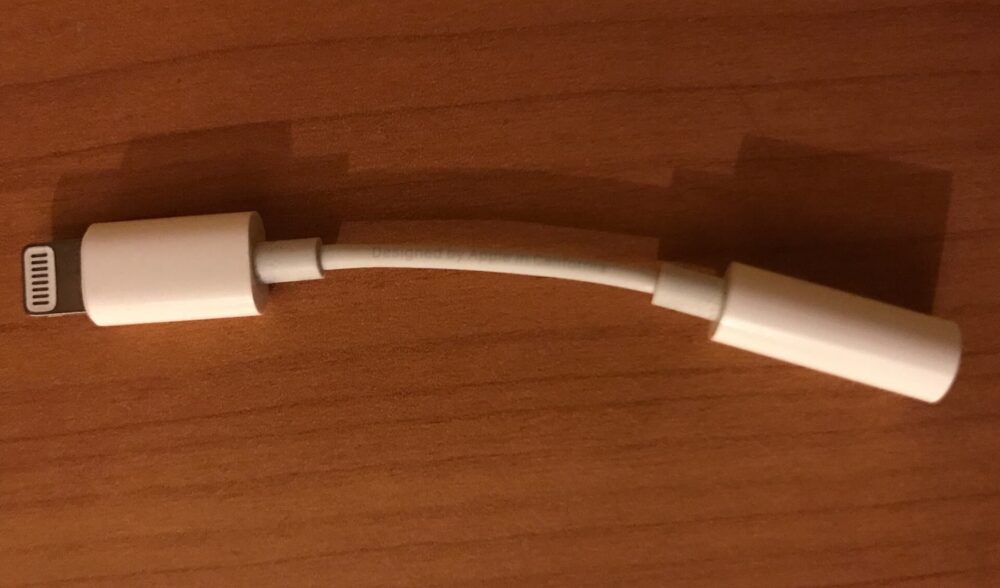
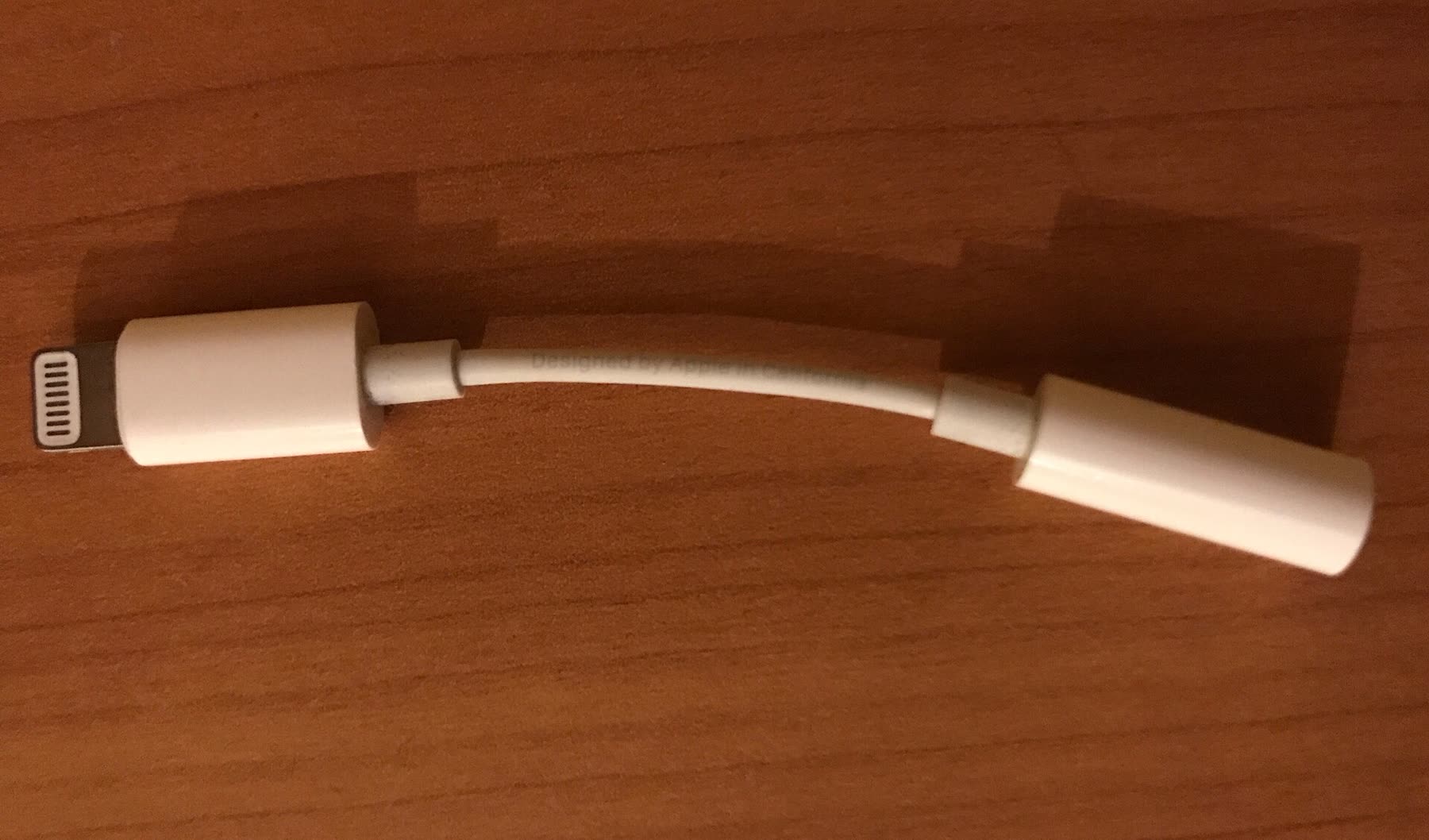
Wired EarPods and wired alternatives don’t have battery limits or pairing steps but lock you to the port your device offers (Lightning, USB‑C, or 3.5 mm). Many iPhones now need a Lightning or USB‑C adapter to use 3.5 mm wired headphones.
3. Noise Management and Where You Use Them
If you work in a noisy office or travel often, features like active noise cancellation (ANC) and a snug fit move from “nice to have” to “must have.” AirPods Pro and AirPods Max are Apple’s main ANC‑enabled lines; Beats Fit Pro also offer ANC in a sport‑friendly design. If you’re usually at home in quiet rooms, you may value lighter weight or price more than ANC.
4. Platform Compatibility
AirPods and AirPods Max are optimized for Apple devices with features like tightly integrated pairing and access to Apple‑specific spatial audio settings. Beats Fit Pro are designed to work with both iOS and Android and are often promoted as platform‑flexible. If you mostly use Windows or Android devices, make sure you’re comfortable relying on basic Bluetooth features; some of Apple’s “extras” aren’t available outside its ecosystem.
5. Marketplace‑Specific Checks
Instead of generic “check reviews” advice, focus on specific signals:
- Listing clarity: clear photos of the product and packaging, accurate model names, no suspicious “style” wording like “AirPods‑style” if you expect genuine Apple.
- Model match: cross‑check the model name and key features against Apple’s own site or a trusted review (for example, AirPods Max described as over‑ear wireless headphones in ReviewTechDigest’s overview).
- Accessory completeness: for wireless buds, the listing should specify a charging case and cable; for wired options, it should state the connector type.
Quick Scenario Guide
Here’s a compact way to align models with your situation:
| Your main use case | Typical best fit in Apple ecosystem | Why it usually works well |
|---|---|---|
| Daily commute & calls | AirPods / AirPods Pro | Small, wireless, easy to pocket, supports Siri |
| Gym, running, workouts | Beats Fit Pro or AirPods Pro | In‑ear, secure fit, sweat‑friendly, Bluetooth |
| Long flights, deep focus | AirPods Max | Over‑ear comfort, strong ANC, immersive sound |
| Budget backup / wired lab | EarPods or other wired headphones | No battery, simple plug‑in use |
| Mixed devices, tight budget | Sennheiser HD206 or similar wired over‑ear | Wide compatibility, decent isolation, low price |
Where to Buy Apple Headphones Safely, Plus Viable Alternatives
You have three broad buying channels:
- Apple directly. You get the latest models, straightforward returns, and known packaging. For most buyers who want guaranteed Apple branding and feature support, this is the least complicated path.
- Major US retailers. Stores like Best Buy, Target, Walmart, and carrier shops often sell Apple and Beats headphones. They sometimes discount older generations and offer in‑person pickup, which is useful if you want to see the box or ask questions.
- Marketplaces and cross‑border sellers. Big platforms host a mix of genuine products, refurbished units, and lookalike models. DHgate falls in this category—useful for discovering Apple‑style and Beats‑style headphones and accessories, but you should treat each listing as its own business transaction and verify specifics carefully.
If your priority is clean integration with iPhone, iPad, or Mac and you’re willing to pay Apple prices, sticking with Apple or a major retailer is rarely a bad choice.
If your priority is value and you’re open to non‑Apple brands, there are solid alternatives. A common example in editorials is the Sennheiser HD206, a wired over‑ear headset described as a budget model with decent noise isolation and a 6.3 mm adapter. It won’t mimic AirPods Max features, but for someone who just wants wired, comfortable over‑ear listening without paying premium Apple pricing, it’s a realistic alternative.
How to narrow your choice in 60 seconds
- Decide if you’re mainly moving (gym/commute) or sitting (desk/sofa). Moving usually favors in‑ear buds; sitting often favors over‑ear.
- Decide if you’re okay managing battery life. If not, go wired.
- Decide how tied you are to Apple‑specific features like instant pairing and spatial audio. If those matter, stay within AirPods / AirPods Max / Beats Fit Pro. If they don’t, include options like Sennheiser HD206 in your search.
Once you’ve answered those three, the right Apple or alternative headset—and where to buy it—usually becomes obvious.