
Styrofoam ball centerpieces are lightweight flower or decor spheres built on foam cores, then covered with silk flowers, paper blooms, or embellishments. They’re popular for DIY weddings and events because the balls are inexpensive, easy to customize, and don’t add much weight to vases or stands. Your key decisions are: which style you’re making (kissing balls, topiaries, hanging balls), what ball size and density you need, how smooth the surface must be, and whether DHgate or another marketplace is the right place to buy in bulk.
If you’re doing a 10‑table wedding with full flower coverage, you can usually use mid‑grade foam balls sourced from cross‑border platforms like DHgate and focus on getting the right diameter and quantity. For a smaller home event where the foam stays visible in a minimalist design, you’ll want higher-density, smoother balls—often easier to check in person at a local craft store, even if the unit cost is higher.
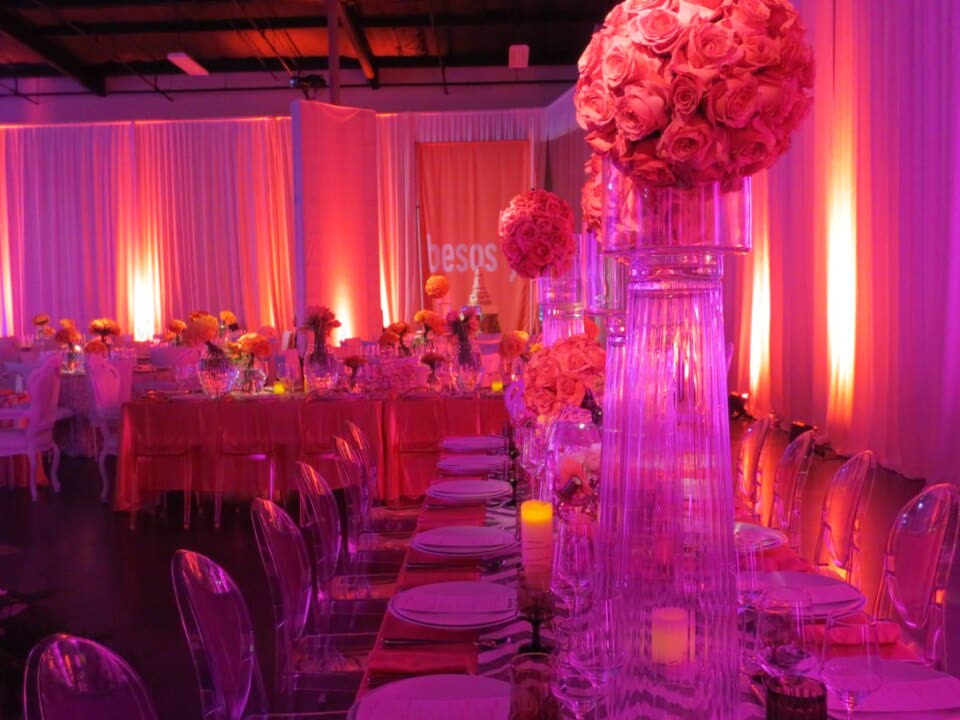
What Styrofoam Ball Centerpieces Are and When They Make Sense
A styrofoam ball centerpiece is any table or hanging arrangement built around a foam sphere. Common DIY tutorials show foam balls used as the base for kissing balls, hanging flower balls, and topiary centerpieces, where flowers or decor are glued or pinned into the foam so the ball reads as a lush globe of color.Source
Foam balls make sense when:
- You need many identical centerpieces (weddings, corporate events, showers).
- You’re working with faux florals or lightweight paper elements.
- You want to keep vases, stands, and hanging structures light, so transport and setup are easier.
They’re less ideal when you want fresh, water‑dependent arrangements that need floral foam bricks, or when your aesthetic leans more organic and asymmetrical than spherical. For US DIY brides and planners, foam ball centerpieces are a good fit for classic, glam, or color‑blocked looks, and less relevant for wildflower or ultra‑minimal Scandi-style tables.
A quick scale scenario
- 10‑table wedding, 2 arrangements per table: 20 balls total. If each centerpiece uses an 8″ ball covered in silk roses, buying bulk polystyrene spheres from a cross‑border marketplace can cut per‑ball cost, as long as you’re comfortable with a few surface flaws that will be hidden.
- Small home party, 3 statement pieces: You might choose 10-12″ balls with part of the foam exposed (painted or textured). Here, surface smoothness matters much more, and buying fewer, higher‑quality balls from a US craft retailer could be worth the premium.
Matching Ball Type, Size, and Quality to Your Design
Research on wedding styrofoam balls highlights three practical buying criteria: size, density, and surface smoothness.Source How you balance them depends on how the centerpiece will look and behave.
Style vs. ball specs
Here’s a compact map from common centerpiece styles to foam choices:
| Centerpiece style | Typical ball diameter (single table piece) | Density preference | Surface priority |
|---|---|---|---|
| Kissing flower ball | 6-8″ for tables, 4-6″ for bouquets | Medium–high (holds stems) | Low if fully covered with blooms |
| Topiary on a stand | 6-10″ depending on stand height | High (to avoid sagging/tilt) | Medium; some areas may show |
| Hanging flower ball | 4-8″ based on ceiling height | Medium (keep weight down) | Low if dense coverage |
| Minimalist exposed ball | 6-10″ | Medium–high | High; foam surface is visible |
These ranges are editorial guidance, not standards. Always measure your vases, stands, or hanging hardware before locking in ball diameters.
Solid vs hollow and why it matters
Foam balls come in solid polystyrene spheres and thinner, hollow forms.
- Solid balls work best for most wedding centerpieces. They accept floral picks, pins, and skewers without collapsing, and they feel stable on top of vases or candleholders.
- Hollow balls or shells are lighter and cheaper but can deform under heavy floral coverage or when mounted on vertical dowels. They’re better for very light decor (paper flowers, fabric) or where you’re only viewing the ball from a distance.
For topiaries and tall arrangements, a solid, higher‑density ball is worth the extra weight because it keeps stems in place and reduces the risk of the ball spinning or drooping.
Density and surface quality
Density affects both durability and how cleanly you can insert stems or pins. Wedding-focused buying guides recommend choosing denser balls for complex designs that will be handled or moved often.Source Low-density balls shed more beads and can lose their shape when packed tightly with florals.
Surface smoothness is mostly about appearance:
- If you’re making a classic kissing ball with full flower coverage, minor imperfections are usually a non‑issue.
- If portions of the ball will be painted and left exposed, gouges and flat spots will show, even under paint.
One DHgate reviewer explicitly noted that their foam balls had “deep gouges and flat spots all over them” but still felt satisfied because they planned to fully cover the balls with sequins or trim and the price fit their project. That kind of feedback is a practical reminder: lower‑grade foam can be acceptable for covered designs, but it’s a poor match for minimalist exposed balls.
Where to Buy: DHgate vs Other Marketplaces for Foam Balls
You can find styrofoam balls across several channels: big‑box craft stores in the US, general e‑commerce sites, and cross‑border marketplaces like DHgate or Alibaba. Each has a different trade‑off.
How DHgate typically fits
Historical DHgate editorial content shows listings for:
- White polystyrene foam balls in many diameters (small modeling balls up through 15 cm and beyond)
- Related craft shapes like bears, eggs, and other molded forms used for decor projects
This suggests DHgate has historically carried a wide range of polystyrene foam balls and shapes for DIY decorations and party supplies. The same snippet includes buyer reviews where one customer was pleased that they finally received the correct foam size after past problems on other orders, and another accepted surface flaws because the low price matched their fully-covered project.
Those comments tell you two things:
- Size accuracy can vary by listing. Some buyers bother to mention when a seller gets the diameter right after issues elsewhere.
- Surface imperfections are real for some balls and may be perfectly fine if you’re covering them completely, but disappointing for exposed designs.
How to read DHgate foam ball listings
Because DHgate is a seller marketplace, not a single manufacturer, you need to evaluate each listing:
- Check the diameter and quantity formatting carefully. Some historical listings showed multiple size options in one product, with a note that measurements are taken by hand and may have small deviations. For precise designs, build in a small tolerance.
- Look closely at photos for texture. Zoom into product images to see whether the sphere looks crisply round or has visible flat panels or pits. Assume minor imperfections unless the photos clearly show a very smooth finish.
- Read existing reviews for project fit. Feedback like “you must cover these balls” is a clue that the foam isn’t cosmetically perfect, but works for covered projects at that price point.
DHgate is usually most attractive if you need:
- Many balls of the same or assorted sizes (e.g., 50-100 smaller kissing balls or lots of mini spheres for accents).
- Lower unit cost and can tolerate some variance in finish or minor size deviations.
If you’re working on a small event where each centerpiece will be scrutinized up close and the foam surface matters, US craft retailers or premium online decor shops may offer more predictable cosmetic quality, even if you pay more per ball.
Other places to look
Wedding and craft content from sites like 98905 shows foam balls used for floral topiary balls and vase fillers,Source while Alibaba’s wedding guide frames size, density, and surface finish as the key buying factors.Source Taken together, that suggests a reasonable sourcing approach:
- Use local craft stores or US‑focused e‑commerce for a few high‑finish balls, where you might even see the foam surface in person.
- Use cross‑border marketplaces (DHgate, Alibaba) when you need bulk quantities and can plan around slightly variable finishes and hand‑measured sizes.
No channel is automatically better; the right fit depends on your design and tolerance for imperfections versus price.