

When people talk about “DH Gate bags and accessories,” they usually mean low‑ to mid‑priced bags and bag hardware shipped from overseas manufacturers—often in China—sold through big marketplaces. You’ll see everything from low‑teens‑priced PU mini handbags and kids’ backpacks to travel duffels around the forty‑dollar mark and bulk packs of locks, straps, or luggage tags. Quality ranges sharply: some pieces feel flimsy and short‑lived, while others are solid enough for everyday use or a season of travel. These products can be a smart value if you match the bag to the job, understand the materials, and accept trade‑offs around consistency, shipping time, and returns.
What people mean by “DH Gate bags and accessories”
Informally, the phrase has become shorthand for a whole slice of cross‑border bag sourcing, not just one website:
- Fashion carry bags – women’s and unisex shoulder bags, crossbodies, totes, clutches, small backpacks.
- Travel and outdoor bags – duffels, short‑trip boarding bags, range/hunting bags, waist packs.
- Storage and household bags – hanging door organizers, under‑bed storage, multipocket fabric totes.
- Bag parts and accessories – replacement straps, chains, buckles, locks, luggage tags, key holders.
Recent cross‑border marketplace snapshots (checked on 2026‑09‑14) show listings like:
- A “short distance travel bag lightweight and large capacity boarding handbag” in the low‑$40 range.
- Totes and small “designer bag women’s shoulder bag” styles roughly in the low‑ to mid‑$10s.
- Clutch‑labeled travel bags promoted as large‑capacity carry‑ons around the high‑$20s to low‑$30s.
- Children’s crossbody/backpack hybrids listed from about the low‑$10s into the low‑$20s.
- Packs of metal bag locks and monogrammed luggage tags in roughly the low‑ to mid‑teens per lot.
Most of these pieces use PU (synthetic leather), nylon or oxford fabric, polyester linings, and basic metal hardware. That keeps prices down and designs flexible, but it also means you’re usually not in premium‑leather territory.
From a US buyer’s perspective, this segment covers three main use cases:
- Trend‑driven fashion – Y2K mini bags, baguette silhouettes, colorful crossbodies that may only need to last a season.
- Budget travel and utility – nylon duffels, boarding bags, pistol/range bags, organizers that don’t have to look branded.
- Small ecommerce sourcing – low‑cost inventory for online boutiques, or hardware to upgrade existing lines.
Across all of that, quality is heterogeneous. Buyers and reviewers report bags that feel nearly mid‑tier brand‑level alongside others with thin PU, misshapen structure, or strong odors. So the real question isn’t “Are DH Gate bags good?” but “Which types in this segment meet your bar, and how do you filter for them?”
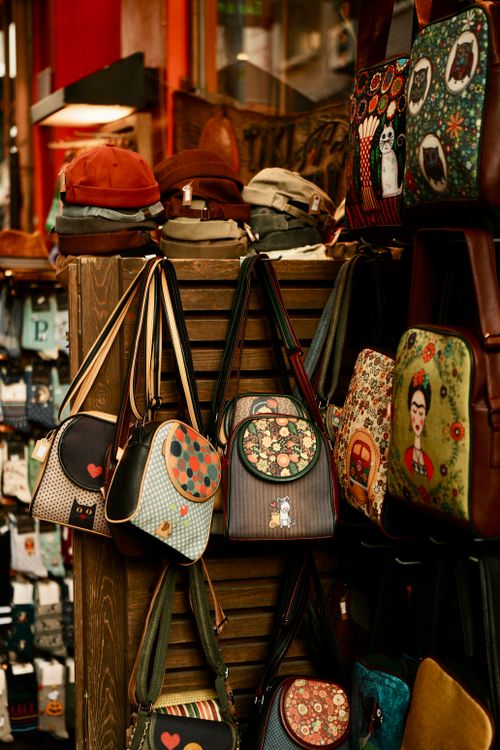
Main types of bags in this segment and what to expect
Cross‑border listings are messy to browse, but most products fall into four practical groups. Thinking in these buckets helps you decide where cheap can work and where it likely backfires.
1. Fashion carry bags (everyday outfits)
Common styles:
- Mini PU shoulder and crossbody bags – often marketed as Y2K, “designer style,” or going‑out bags.
- Medium totes and shoppers – soft structured bags for work or errands.
- Backpacks and kids’ novelty bags – including children’s cross bags and small backpacks with characters.
Typical materials and feel:
- PU / faux leather at low price points can look polished in photos but arrive thin or wrinkled.
- Some pieces have polyester linings, but pockets may be minimal.
- Structure is often “soft” in the specs, meaning the bag collapses when empty.
Expectations:
- Great for trend‑led outfits, events, or light daily use if you’re gentle.
- Less ideal if you carry heavy loads (laptop, water bottle, textbooks) or need a bag to last years.
- Stitching quality and hardware plating are the big swing factors here.
2. Travel and outdoor bags (duffels, range bags, waist packs)
Examples from current cross‑border snapshots:
- Short‑distance travel/boarding bags labeled “lightweight and large capacity” around the low‑$40s.
- Large‑capacity shoulder or clutch‑category bags marketed for business trips.
- Pistol or hunting/range bags and waist packs targeting outdoor users.
Materials and design:
- More likely to use nylon or oxford fabric – better for abrasion resistance and wet conditions.
- Multiple compartments, external pockets, and full zippers are common.
- Usually marketed as unisex, with functional rather than luxury branding.
Expectations:
- In this segment, utility often beats fashion, and nylon/oxford bags can feel surprisingly robust for the price.
- Weak spots are usually zippers and strap attachment points, not the main fabric.
- Good candidates for budget travelers, gym users, or small ecommerce stores selling functional gear.
3. Storage and household organizers
What shows up:
- Hanging bags for doors or closets with multiple pockets.
- Fabric storage totes, under‑bed bags, and multi‑layer organizers.
Where quality really lives:
- Fabric thickness – thin non‑woven fabric will sag and tear under load.
- Stitching and edge binding – loose threads or unbound edges fray quickly.
- Hanging systems – metal hooks vs flimsy fabric loops.
These products are rarely style‑driven; buyers care whether they can hold shape, weight, and repeated use. Here, the cheap‑but‑functional trade‑off can work well if you inspect photos for sagging or transparent fabric.
4. Bag parts & accessories (straps, locks, tags, chains)
Common listings include:
- Bulk packs of bag locks and metal hardware.
- Luggage tags with initials and privacy covers.
- Replacement webbing shoulder straps or decorative metal chains.
Use cases:
- Individuals refreshing older bags with new straps or hardware.
- Small sellers customizing generic bags sourced domestically or elsewhere.
These are lower‑risk purchases: if a strap or lock isn’t perfect, it’s cheaper and simpler to replace than an entire handbag shipment that fails.
Here’s how the four groups compare at a glance:
| Segment | Typical materials | Best uses | Risk level for buyers/resellers |
|---|---|---|---|
| Fashion carry bags | PU, basic metal hardware | Trend looks, light daily carry | Medium–high (style + QC swings) |
| Travel/outdoor bags | Nylon, oxford, polyester | Short trips, gym, outdoor activities | Medium (zippers/straps critical) |
| Storage/household bags | Non‑woven, oxford fabric | Closet, door, and under‑bed organizing | Medium (fabric & stitching) |
| Bag parts & accessories | Metal, webbing, PU | Upgrades, repairs, customization | Low–medium (small, replaceable) |

How to judge quality for cross‑border bags and accessories
You rarely get to touch these products before buying, so you have to read photos and specs like a product manager. Here’s what to focus on.
1. Materials and build
PU vs nylon vs oxford vs fabric
- PU (synthetic leather) works for fashion looks and structured mini bags, but in lower tiers it tends to be thin, crease easily, and may peel after limited use. Zoom in on close‑ups: heavy wrinkling or a plastic shine are bad signs.
- Nylon and oxford fabric are generally a safer bet for travel and outdoor bags. They age better, shrug off scuffs, and can be water‑resistant.
- Polyester linings are standard. Unlined bags or overly shiny thin lining often feel cheap and can rip at seams.
Look for any mention of fabric thickness, “canvas,” or multi‑layer construction for organizers and duffels; that usually signals a step up from the thinnest options.
2. Stitching, structure, and shape
From photos:
- Check the strap attachment points – you want box stitches or extra reinforcement, not just one line of stitching.
- Look at corners and edges. Are they crisp and symmetrical, or puckered and uneven?
- Notice whether the bag stands or slumps when empty. A totally collapsed silhouette can mean very soft or thin material.
For small ecommerce orders, ask the supplier for real‑life photos of the inside, bottom, and strap joins – not just studio shots.
3. Hardware, zippers, and small parts
For both full bags and accessories:
- Metal vs plastic: metal zippers and buckles generally outlast plastic. If a listing mentions “alloy,” that’s typical – but plating can still chip.
- Check color consistency across photos; if the hardware plating looks different from image to image, that may reflect batch inconsistency.
- Buyer reports often call out stiff or snagging zippers and tarnishing hardware as early failure points.
One strategy, especially for resellers, is to source better locks, tags, and straps separately and upgrade otherwise solid bags. The presence of dedicated hardware listings (locks, wide webbing straps, monogram tags) shows that swapping parts is a normal move in this ecosystem.
4. Function and sizing vs photos
Don’t trust the product shots alone. Cross‑border bag listings sometimes use angles and props that make items look larger than they are.
Check:
- Dimensions in both cm and inches; compare against an item you know (e.g., 30 cm ≈ 11.8 in, roughly the width of a sheet of paper).
- Number and type of compartments – is there a separate laptop sleeve, inner zipper pocket, or just one big cavity?
- Closure style – full zipper, flap with snap, magnetic clasp, or open top. For travel and commuting, an open top or weak snap can be a dealbreaker.
- Claims like “waterproof” or “washable” – treat these as marketing unless there’s detail about coating or fabric type.
If reviews are available, search for comments about “smaller than expected,” “fits laptop,” or “only good for phone and wallet.” Those narratives are more reliable than stock capacity claims.
5. Listing and review signals specific to this niche
Patterns buyers repeatedly mention in social posts and editorials about cross‑border bags:
- Strong chemical odor out of the package, especially with PU bags and some linings.
- Color differences vs the photos – often the bag arriving slightly duller or warmer in tone.
- Thin or wrinkled PU that never quite relaxes.
- Crooked patterns or logo placement on designer‑inspired pieces.
- Hardware that tarnishes or chips after light use.
For individual buyers, that might be an acceptable risk on a low‑priced trend bag but not for a work tote. For resellers, it’s a potential returns and review nightmare.
6. Authenticity and IP risk
A portion of cross‑border listings clearly echo luxury brands or are labeled “imitation” or “designer‑style.” You should assume:
- Low prices plus luxury‑style visuals do not equal authenticity.
- Importing and reselling counterfeit goods in the US can create legal and account‑level risks on mainstream marketplaces.
If you’re a small ecommerce business, the lowest‑risk path is to focus on unbranded or original designs and avoid listings that lean on lookalike logos, monograms, or brand names you don’t have rights to. For personal buyers, you still risk customs seizures and inconsistent quality from replica sellers.
Where these bags and accessories are usually sourced
US buyers and small businesses typically tap four channel types for this kind of product.
1. Cross‑border marketplaces
Large cross‑border marketplaces host thousands of low‑ to mid‑priced bags from independent suppliers in China and other manufacturing hubs. You’ll see the full spread described above: fashion handbags, nylon travel duffels, storage organizers, and hardware like locks and replacement straps.
DHgate is one example. It’s a cross‑border marketplace where many independent sellers list handbags, luggage, and bag accessories in categories such as bags, luggage & accessories. Prices in a small listing snapshot checked on 2026‑09‑14 ranged roughly from low‑teens‑dollar children’s bags and luggage tags up to travel bags in the low‑$40s. Quality and authenticity are seller‑dependent, so buyers need to scrutinize individual listings, photos, and any available reviews, and should check current platform policies directly for shipping and returns.
Typical trade‑offs for cross‑border marketplaces:
- Often lower per‑unit prices and more designs than domestic retail.
- Longer shipping times and more complex or costly returns for US buyers.
- Wider swings in quality from one seller or listing to another.
2. US marketplaces and resellers
On platforms like Amazon or eBay, you’ll find:
- Cross‑border bags imported in bulk and held in US warehouses.
- Domestic brands at higher and more stable price points.
Here you trade higher prices for:
- Faster delivery.
- Clearer return paths.
- Somewhat better quality benchmarks (through reviews and brand reputation).
3. Domestic wholesalers and closeouts
For small ecommerce businesses wanting more consistency, domestic wholesalers and closeout distributors offer:
- Unbranded or lower‑tier branded bags.
- Higher minimum order quantities, but with more predictable specs.
Unit cost is higher than ordering directly from overseas factories, but you gain time saved on QC and returns and often avoid customs complexity.
4. Direct‑from‑factory or OEM
This is where you work with a manufacturer (often in China) on:
- Custom designs or private‑label lines.
- Consistent materials and hardware over repeated runs.
The trade‑offs are larger MOQs and longer development cycles, but you can build a more reliable brand asset than chasing one‑off marketplace bags.
Snapshot of cross‑border listings (example only)
To ground the price and product spread, here’s a small snapshot of cross‑border listings seen on 2026‑09‑14. These are examples, not recommendations, and prices and availability change frequently:
| Example product (category) | Price range (USD) | What it illustrates |
|---|---|---|
| Short distance travel boarding handbag (shoulder bag) | 40.93–44.64 | Mid‑priced travel/boarding bags with large size |
| Large‑capacity business trip bag (clutch‑category listing) | 27.81–30.66 | Travel‑oriented bag labeled as clutch/shoulder |
| Women’s tote handbag (tote category) | 12.03–12.89 | Low‑teen fashion tote pricing |
| Children’s cross‑bag/backpack hybrid (backpacks category) | 10.54–22.07 | Kids’ bags spanning low‑ to low‑mid price points |
| Pack of 10 luggage bag lock accessories (bag parts/access.) | 40.76–42.69 | Hardware sold in bulk lots |
| Initial luggage tags / key holders (bag parts/accessories) | 13.00–14.30 | Personalized accessories in low‑teen range |
Again, these figures are illustrative only and tied to that specific date.
If typical “DH Gate” bags aren’t the right fit: smarter alternatives
If you’re uneasy about quality swings, authenticity questions, or long lead times, you don’t have to walk away from this segment entirely. You can change the product, the channel, or your risk profile.
1. Change the product tier, not just the seller
For both personal buyers and resellers:
- Move up in material: instead of the absolute cheapest PU fashion bag, look for nylon/oxford travel bags or heavier canvas totes with clear fabric specs.
- Accept a slightly higher unit cost in exchange for better stitching and hardware. A mid‑priced nylon duffel that lasts several trips can be better value than a very cheap PU bag that cracks in a month.
2. Focus on accessories and upgrades
If you run a small store, consider a “core plus upgrades” model:
- Source core bags from domestic wholesalers or more stable brands.
- Use cross‑border channels mainly for straps, chains, buckles, and tags to customize or upsell.
This keeps your biggest quality risk on small, replaceable items instead of your main inventory.
3. Mix channels to control risk
For example:
- Test a few cross‑border bags in small quantities to see how they perform.
- Build your main line from domestic or higher‑confidence suppliers.
- Use cross‑border sources for niche gaps (e.g., specific organizers, range bags, monogram tags) that are hard to find locally.
Individual buyers can follow a parallel strategy: keep a small rotation of trend‑driven cross‑border bags, but rely on one or two higher‑quality workhorses from established brands for heavy daily use.
4. Avoid counterfeit traps and compliance headaches
If a listing exists mainly because it looks like a famous luxury bag at a tiny fraction of the price, assume legal and quality risk is higher. For US resellers in particular:
- Favor clean, logo‑free designs or clearly original patterns.
- Be cautious with children’s bags lacking clear safety information.
If you decide the risk and hassle outweigh the benefits, it’s reasonable to skip cross‑border bag sourcing altogether and treat these marketplaces only as a source of inspiration, not inventory.