
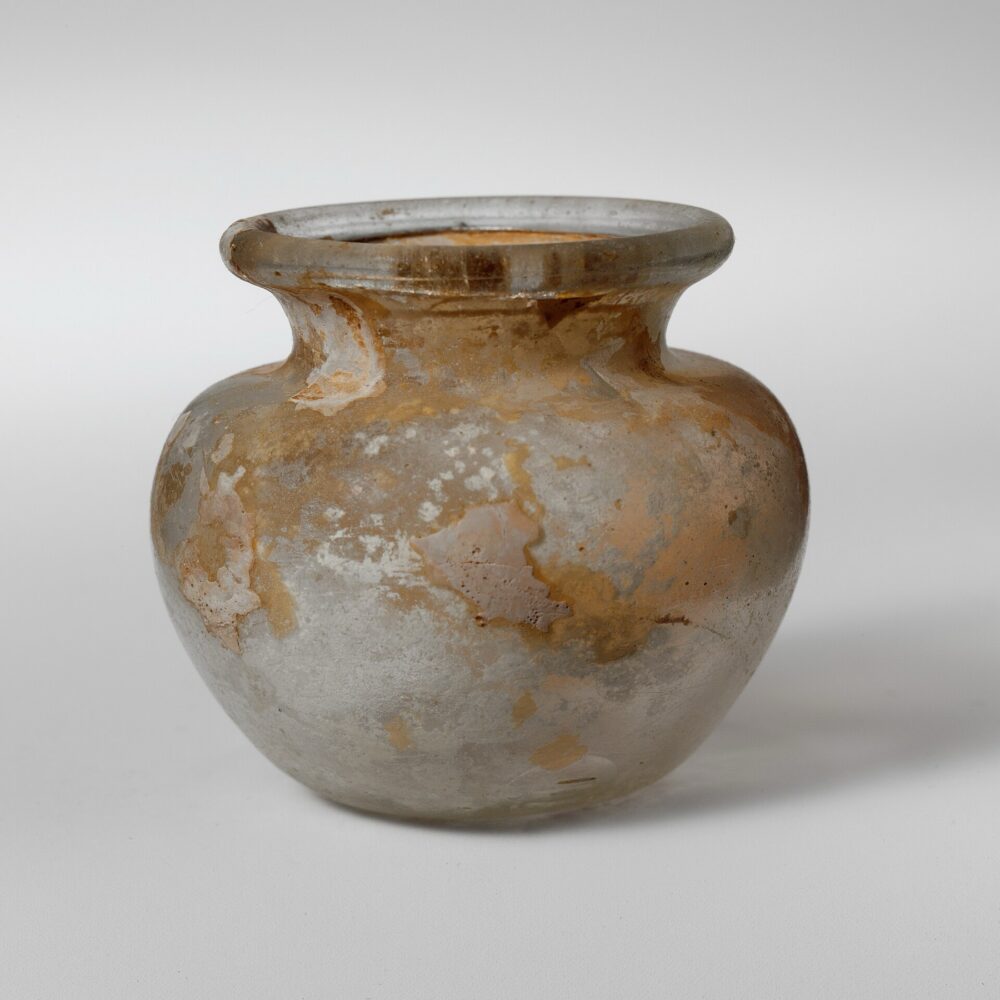
Miniature glass globes vary more than they look: the right choice depends on diameter, scale, opening or neck size, and how you’ll mount or fill them. Start from your use case—jewelry dome, resin orb, dollhouse lamp, or tiny lampshade replacement—then lock the measurements that actually have to fit. After that, you can compare platforms like Walmart and Shein craft packs, niche dollhouse and lighting suppliers, and marketplaces such as DHgate, which connects global buyers to mostly China-based sellers with a wide range of small glass vessels.
For US buyers and small ecommerce shops, the goal is simple: pick specs that won’t crack, fall off, or look out of scale, then decide whether cross-border bulk sourcing makes sense.
What Miniature Glass Globes Are Used For (and Why Specs Matter)
“Miniature glass globe” is a catch-all term. In real listings, you’ll see:
- Tiny sealed orbs used like beads or charms
- Fillable domes or balls for resin, keepsakes, or terrariums
- Scale-model lamp shades for dollhouses
- Small glass globes for DIY lamp or ceiling fan fixtures
Each use drives different spec needs:
- Jewelry and resin crafts. Mass-market platforms sell packs of orbs roughly 0.78-1 inch in diameter aimed at UV resin, dice, and pendants, often marketed as wish globes or planet spheres for earrings and necklaces. A Walmart listing for 30-piece mini glass globes around 1 inch illustrates this pattern: small spheres intended for resin and charm making.Mini glass globe craft pack example These need consistent diameter, enough wall thickness not to shatter during handling, and either a hole, loop, or compatible cap.
- Dollhouse lamps and dioramas. Dollhouse suppliers offer clear and frosted globes specifically labeled for 1:12 scale lamps, emphasizing scale rather than just dimensions. A Factory Direct Craft listing for 1:12 frosted glass globes underlines that these shades are meant to look in proportion to miniature fixtures, not full-size lamps.1:12 scale dollhouse glass globes example Here, a 1-inch globe may look oversized or undersized depending on the model; the important piece is that the shade visually matches 1:12 fixtures and often slips onto a tiny metal ring.
- Mini lighting globes. Glass lamp globe vendors highlight three critical measurements: overall diameter, the fitter or neck size, and the profile (round, schoolhouse, tulip, etc.). A typical lighting site explains how to measure lamp globes and stresses that diameter alone is not enough; the neck that sits in the fixture must be correct.Lighting globe measurement guidance Guides for ceiling fan globes show that misfits usually happen at the neck, not the outer width—the shade simply won’t seat in the fixture if the fitter size is off.
If you just buy “cute mini globes” without matching these specs, you can wind up with:
- Jewelry globes too thick or heavy for earrings
- Dollhouse shades that dwarf your furniture because they aren’t 1:12 scale
- Lamp globes that sit crooked or fall out because the neck is wrong
So treat miniature globes like hardware, not only decor.
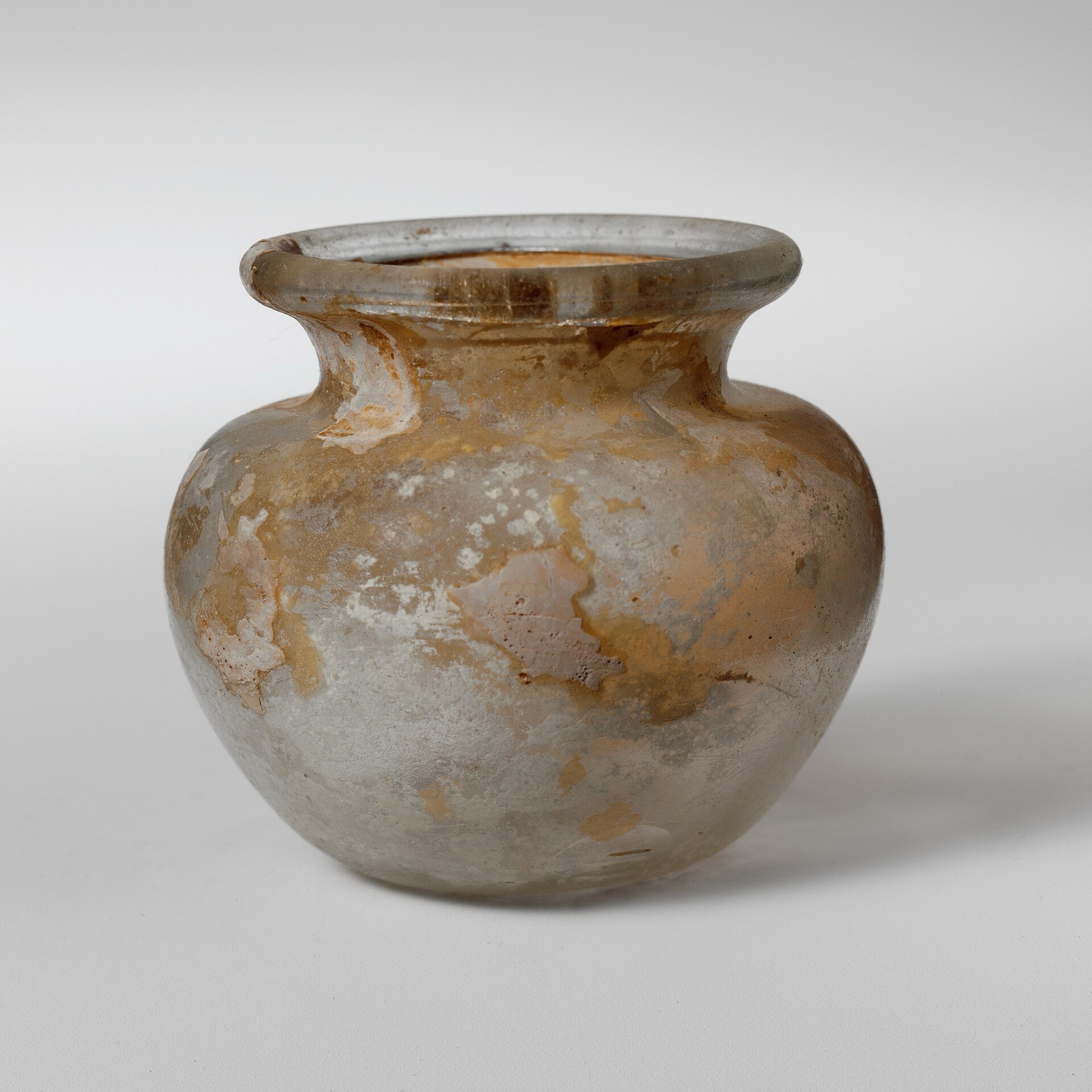
Key Types and Specifications: From Craft Orbs to Dollhouse Lamp Shades
Mini globes cluster into a few useful sub-types. Thinking in these buckets makes shopping much clearer.
1. Sealed orbs and small bottles for crafts
On big-box marketplaces you’ll often see 30-piece packs of mini glass orbs around 0.78-1 inch in diameter, sold as “small glass ball bottles” or “wish charms.” They’re aimed at:
- UV resin planets and dice
- Pendant and earring charms
- Tiny keepsakes (glitter, dried flowers)
Specs that matter:
- Outer diameter (commonly around 1 inch): determines how bold the piece is on jewelry or as a charm.
- Opening style: fully sealed sphere, small neck that takes a cork or screw cap, or looped cap included in the pack.
- Glass thickness: thin walls look delicate but are easier to break in transit or resale; thicker glass tolerates more handling but adds weight.
If you’re reselling, consistency is key. Packs from mass-market sites and some marketplaces tend to be bulk-produced, so expect minor variation and decide whether that’s acceptable for your brand.
2. Fillable domes and globes
These look similar but often have a wider opening or are designed to sit on a base.
- Used for mini snow globes, terrariums, or display domes.
- Sometimes paired with metal or wood bases that are sold separately.
Here you need:
- Inner diameter and height to match whatever you’re enclosing.
- Base compatibility if you’re combining globes and bases from different sellers.
Prior DHgateWiki coverage of fillable glass ornaments shows that global marketplaces do carry a variety of small glass containers with screw tops and similar closures, which can overlap with “mini globe” use for crafts and decor.
3. Dollhouse glass globes and shades
Dollhouse-focused sites sell frosted and clear globes explicitly marked for 1:12 scale lamps, often packaged as shades for DIY lighting kits. These listings underline:
- Scale (1:12) rather than raw diameter, because visual proportion matters.
- Finish: frosted globes give a softer, scaled-down look; clear globes show off the bulb and interior detail.
For dollhouse buyers or miniature ecommerce sellers:
- Stick to suppliers who specialize in 1:12 accessories.
- Avoid generic craft globes unless they list both physical measurements and intended scale, or you’re comfortable prototyping.
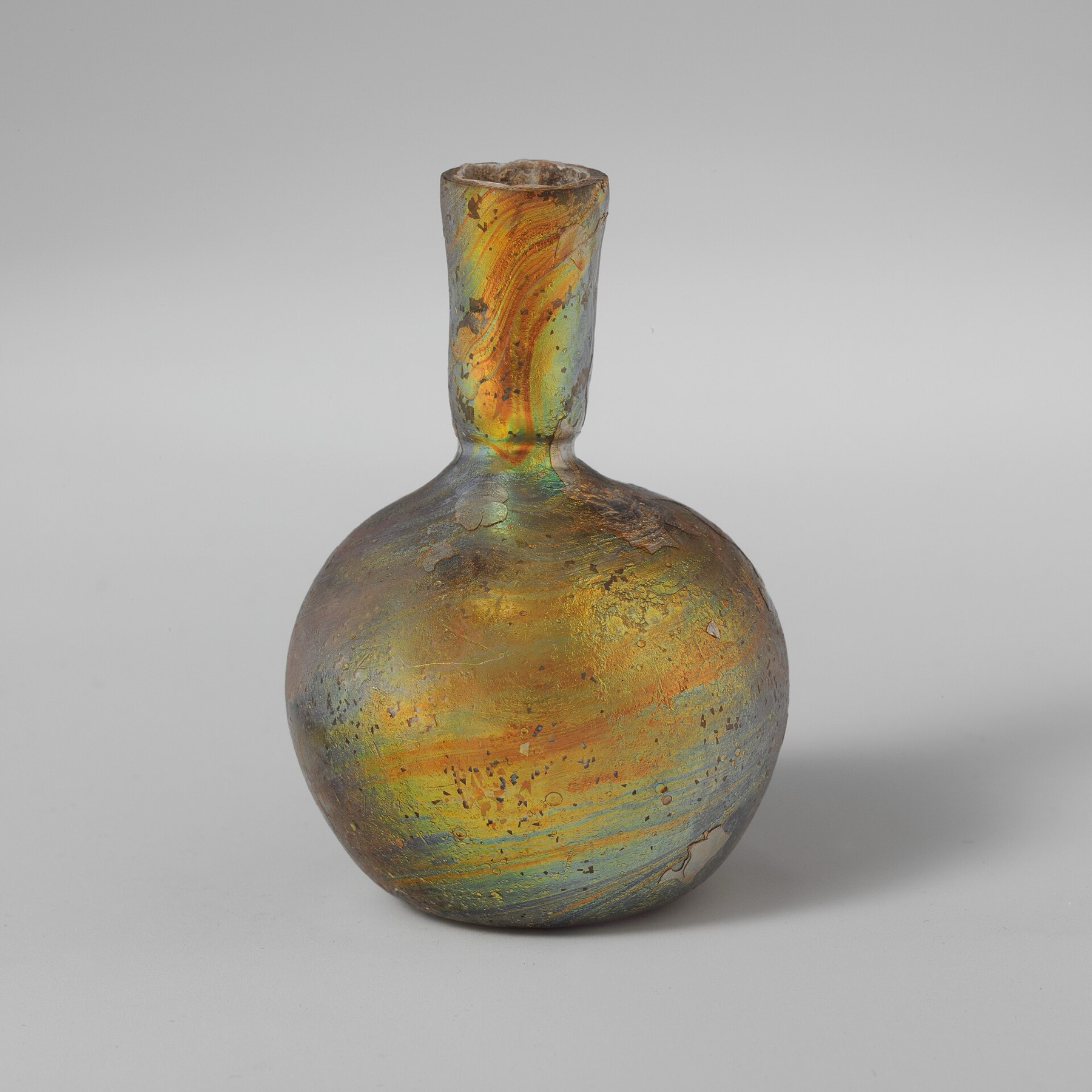
4. Lamp and ceiling fan mini globes
Even in small sizes, lamp globes behave more like replacement parts than decor.
Guides from lighting and ceiling-fan parts vendors highlight that you must measure:
- Overall globe diameter (e.g., 4″ vs 6″), which affects light spread and aesthetics.
- Fitter or neck size, the measurement at the opening that actually sits in the fixture.Ceiling fan globe fit examples
- Profile (round, schoolhouse, tulip, cylinder), which changes both look and how light flows.
Common misfit patterns:
- Buyers match diameter but ignore neck size; the globe won’t seat securely in the holder.
- A different profile (e.g., tulip instead of round) collides with arms or trim on an existing fixture.
If your “miniature globe” project touches electricity or an existing fixture, follow manufacturer or specialist guidance instead of treating it as a general craft purchase.
Quick spec comparison by type
| Globe type | Typical size or scale cues | Key fit dimension | Main use |
|---|---|---|---|
| Craft orbs / wish bottles | ~0.78-1″ outer diameter | Opening / cap style | Resin, jewelry, charms |
| Fillable domes / globes | Inner diameter + height | Base diameter | Snow globes, mini displays |
| Dollhouse lamp globes | Labeled 1:12 scale | Shade opening vs lamp | Dollhouse lamps, mini scenes |
| Mini lamp / fan globes | Diameter (e.g., 4-6″) | Fitter / neck measurement | Small fixtures, fan light kits |
Buying Factors and Platform Tradeoffs: DHgate vs Craft and Big-Box Sources
Once you’ve pinned down type and measurements, you can decide where to shop. Different channels tend to excel at different things.
Lock fit and material first
For any platform:
- Confirm dimensions in the listing. Look for diameter, height, and either opening size or stated scale (1:12, 1:6, etc.). If a lamp globe doesn’t list fitter size, treat it as a red flag.
- Think about wall thickness. Very thin glass makes sense for delicate, one-off crafts that won’t be handled much. For ecommerce resale or kid-friendly decor, you probably want sturdier globes even if they feel less “fine.”
- Check finish options. Clear vs frosted changes the look dramatically in dollhouses and lighting; frosted also hides minor defects better.
How different platforms usually stack up
This is editorial judgment based on common listing patterns, not a guarantee from any brand.
- Big-box marketplaces (e.g., Walmart, Shein).
- Strengths: Ready-made packs of mini craft globes around 1 inch, predictable for hobbyists who just need a few dozen pieces; easy to mix into general orders.
- Limits: Less nuance in scale (1:12, 1:6) and in fitter/neck sizing for fixtures; finish and thickness details may be minimal.
- Niche craft and dollhouse suppliers.
- Strengths: Scale-specific products, like 1:12 frosted and clear dollhouse globes, and parts designed to match mini lamp kits; better odds that dimensions are documented for serious miniature builders.
- Limits: Higher per-piece cost and smaller pack sizes; bulk discounts aren’t always front-and-center.
- Lighting and fan-part specialists.
- Strengths: Detailed fitter and profile information; educational guides on measuring existing fixtures, which helps avoid expensive mis-orders.
- Limits: Products are often standard or full-size rather than “miniature” decor; not ideal for jewelry or dollhouse work.
- Marketplaces like DHgate.
- DHgate is a large marketplace connecting global buyers to mostly China-based sellers, offering diverse product ranges and competitive pricing across categories.What DHgate is and how the marketplace works
- For miniature glass globes, DHgate’s value is breadth: it can list many styles of small glass vessels, domes, and ornament-style globes suitable for crafts and decor, based on past DHgateWiki coverage of fillable glass ornaments.
- Fit risks: Listings can vary widely in how carefully they document dimensions, especially for scale modeling or exact lamp fittings. If you’re buying for dollhouse lamps or fixtures, you’ll need to be meticulous about measurement questions.
Practical sourcing decisions for US buyers and small sellers
- For casual craft projects or starter inventory: Mass-market packs of 0.78-1″ glass orbs are a straightforward way to test designs with low up-front complexity.
- For scale-accurate dollhouse products: Favor dollhouse-focused suppliers or lighting miniatures that specify 1:12 scale, diameter, and opening; generic globes and broad marketplaces are best used only after you’ve confirmed exact measurements and are ready to prototype.
- For bulk, variety-heavy craft or resale use: DHgate can belong on your shortlist if you want lots of variation in small glass containers and are comfortable comparing listings from mostly China-based sellers. Before placing a significant order, it’s useful to understand general marketplace dynamics and prepare an order checklist; What DHgate is and how the marketplace works and Review the DHgate order-readiness checklist offer that broader context.
For additional DHgate platform context, see Find trusted sellers on DHgate.
The more precise your specs—diameter range, opening type, scale, and finish—the easier it becomes to see where each platform is strong, and when DHgate-style cross-border sourcing is a sensible upgrade from simple big-box craft packs.