
If you start from how you’ll actually use dragon-themed buttons and accessories, it’s much easier to pick the right options and decide where to shop. For clothing or bags, you’ll want durable materials and secure closures; for scrapbooking or decor, visual detail matters more than strength. Once you know the project, compare button types (sew-through vs shank vs snap), materials (resin, metal, wood), and the style of dragon imagery—bold graphics versus subtle motifs. Then decide whether you need a few premium, possibly handmade pieces from niche sellers, or larger, low-cost variety from big marketplaces. Global platforms like DHgate can be useful when you want lots of cross-border options at competitive prices, but they’re usually better for variety and cost than for one-of-a-kind artistry.
What Counts as Dragon-Themed Buttons and Accessories?
“Dragon-themed” covers a wide range of merch: art, jewelry, home decor, and fashion built around dragons as a visual or symbolic focus.Source Buttons and small accessories sit inside that broader fandom.
For this guide, think in terms of:
- Buttons with dragon imagery – molded or printed dragon faces, full-body dragons, scales, or claws; round or novelty-shaped.
- Closures and hardware – metal buttons or toggles embossed with dragons, used on coats, vests, cosplay, or gothic/alternative fashion.
- Companion accessories – small charms, zipper pulls, key holders, or sew-on patches with dragons that you use alongside plain buttons to reinforce the theme.
These pieces tend to show up in:
- Craft projects: embroidery, button art, scrapbooking, themed shadow boxes.
- Apparel: fantasy shirts, denim jackets, corsets, costume robes, or kids’ outfits that need a focal closure.
- Small e‑commerce catalogs: Etsy-style shops or Shopify stores selling themed kits (e.g., “dragon cloak button set”) or customizing mass-produced garments.
If you’re a hobby crafter, you’re usually buying a handful of buttons or mix-and-match packs. Small businesses are more often looking for repeatable supply—so they care more about whether a dragon button line can be reordered consistently and whether the imagery aligns with their brand.
Key Types and Specs: From Novelty Buttons to Metal Closures
Guides to dragon shirts emphasize durable materials and good construction for longevity, like solid cotton or polyester blends and strong seams.Source The same thinking applies to the closures and accents: the button or charm material, fastening style, and imagery detail all affect how well a dragon-themed piece holds up and how it feels.
Button and Closure Types
The fastening style changes both usability and look:
- Sew-through buttons (2 or 4 holes): Common for shirts and kids’ clothing. Dragon imagery is usually printed, laser-etched, or shallowly molded into the face.
- Shank buttons: Have a loop on the back; often used on coats, blazers, or costumes. Dragon designs here tend to be higher relief, especially in metal.
- Snap fasteners: Sometimes feature dragon heads on the visible cap. Good for leather cuffs, bags, or tech sleeves.
- Toggle/rope closures: Wooden or resin dragons used as toggles can give a medieval or Asian-inspired feel on cloaks and cardigans.
For accessories:
- Charms and pendants: Small metal or resin dragons that can be turned into zipper pulls, key holders, or sewn onto bags.
- Sew-on patches and appliqués: Fabric pieces with printed or embroidered dragons that visually pair with plain buttons.
Materials and Durability
Dragon shirt guidance highlights that quality fabrics and stitching make themed garments last.Source With buttons and accessories, focus on the base material and how it will handle wear, washing, and handling.
Common choices:
- Resin/plastic: Light, inexpensive, and easy to mold into detailed dragons. Great for kids’ clothes or scrapbooking. Risk: cheap blends can chip or fade.
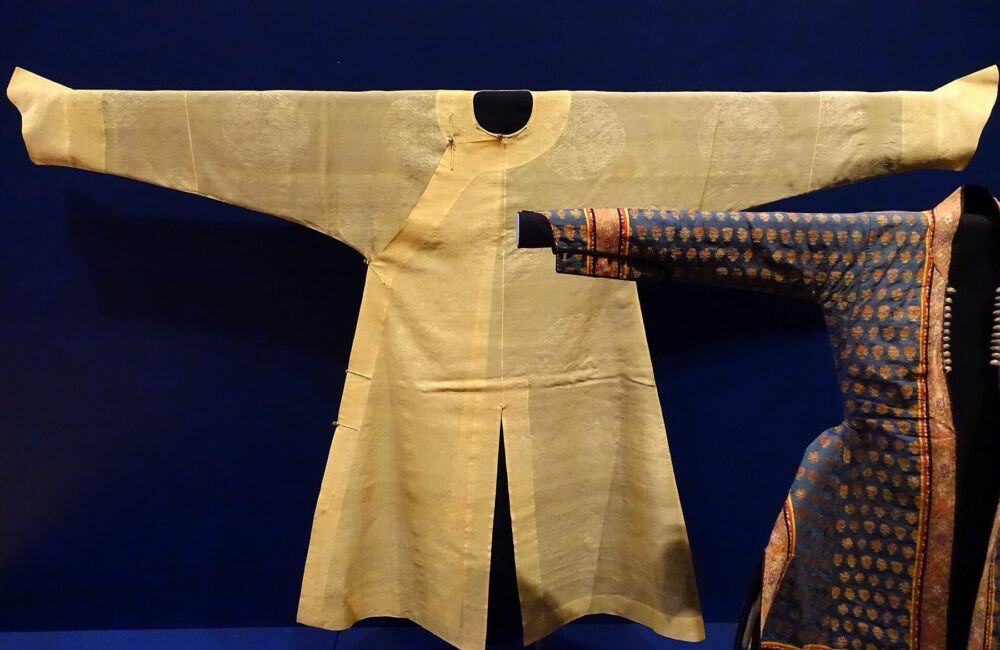
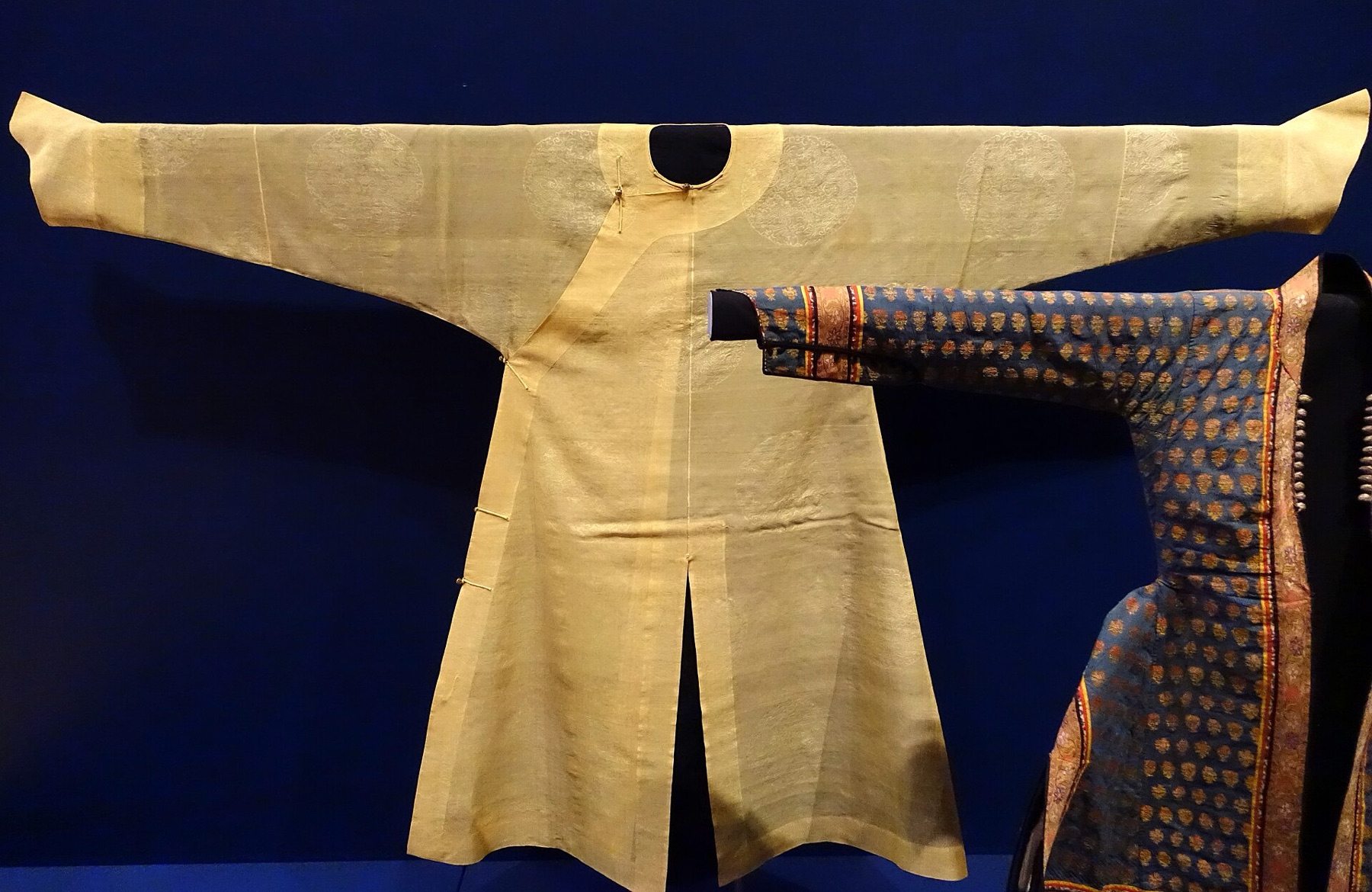
- Metal (zinc alloy, brass, steel): Heavier and more durable, ideal for coats, bags, and cosplay. They can support deep relief scales or dragon roundels, like historic garments. Consider weight if you’re putting them on thin fabrics.
- Wood or coconut shell: Suits earthy, mystical aesthetics. Laser-etched dragons look subtle and work well for eco-leaning brands, but wood can swell or crack if frequently washed.
- Fabric-covered buttons: A dragon print on fabric over a button form can match a garment’s main pattern—but they’re more vulnerable to wear.
For small businesses, durability is part of your value proposition. A kid’s dragon cardigan with chipped buttons after two washes will backfire quickly.
Imagery Style: Bold vs Subtle Dragons
Dragon imagery guides for tech accessories distinguish bold graphic logos from subtler motifs, and note that this changes the audience and product positioning.Source That’s just as true for buttons.
You can roughly sort designs into:
- Bold graphic dragons: High-contrast colors, big central dragons, often cartoonish or tattoo-style. Good for kids’ apparel, streetwear, or statement pieces.
- Subtle motifs: Small dragon silhouettes, scales, claws, or roundels. These work for more sophisticated fashion, office-appropriate jackets, or minimalist accessories.
- Culturally inspired dragons: Designs that clearly echo East Asian, European, or fantasy-game styles. These can appeal strongly to specific fandoms but require care if you’re marketing them—avoid presenting cultural symbols as generic decoration.
A quick way to test fit: imagine your customer’s outfit. If the garment already has a large dragon print, you may want subtler dragon buttons and hardware so the look doesn’t feel busy. If the clothing is plain, bold dragon buttons can carry the whole theme.
Compact Spec Comparison
Here’s a simple way to compare common dragon-button options:
| Type & material | Best use cases | Dragon style fit |
|---|---|---|
| Resin sew-through | Kids’ shirts, craft cards | Bold, colorful cartoon dragons |
| Metal shank | Coats, blazers, cosplay cloaks | Detailed, high-relief dragons |
| Wooden toggle | Cloaks, cardigans, rustic bags | Subtle carved or etched forms |
| Snap fastener (metal) | Leather cuffs, tech sleeves, bags | Logo-like dragon heads |
| Fabric-covered button | Matching dragon-print garments | Depends on the garment’s fabric print |
Use this table as a starting point: pick the row that matches your project and then adjust size and finish.
Buying Factors and Where DHgate Fits Among Marketplaces
Once you know type, material, and imagery style, you still need to decide where to buy. Dragon shirt guides point out that themed apparel is widely sold through major marketplaces like Amazon and Etsy, as well as alternative-fashion local stores.Source Dragon buttons and accessories follow a similar pattern.
Quality and Fit Checks
Whether you’re sourcing domestically or cross-border, look closely at:
- Surface detail: Are scales, faces, and lines sharp or mushy in listing photos? Blurry molding often looks cheap in person.
- Finish: For metal, check if the listing mentions plating or protective coatings; for resin, look at how glossy or matte the piece is and whether colors appear consistent across photos.
- Attachment method: Shank size, hole diameter, or snap type must match your fabric and tools. If you sell kits, you’ll want a standard size (e.g., 18-24 mm) that customers can easily sew.
- Imagery alignment with your audience: Tech-accessory guides emphasize matching dragon imagery to target buyers—cute for casual users, edgy for gamers.Source For buttons, decide if you’re aiming at kids, fantasy fans, goth fashion, or cultural collectors and choose designs accordingly.
Scenario examples:
- Hobby crafter: You might mix a few premium handmade dragon buttons from a niche seller with bulk resin pieces from a large marketplace to keep total cost reasonable.
- Small apparel brand: You may standardize on one or two metal dragon button designs that match your core aesthetic and test how they hold up after several washes before committing.
Marketplace Roles: Amazon/Etsy, Niche Shops, DHgate
From the available evidence, dragon-themed items generally fall into three broad sourcing buckets:Source
- Large marketplaces (e.g., Amazon, Etsy): Wide range, quick comparison of styles and price points, with a mix of mass-produced and handmade dragon buttons and charms.
- Niche and alternative-fashion shops: Often focus on curated, higher-quality or culturally specific designs. Better if you want distinctive, small-batch dragon closures or need to feel the weight and finish in person.
- Global cross-border platforms like DHgate: DHgate’s own editorial description presents it as a global marketplace offering varied products at reasonable costs, connecting buyers with vendors worldwide and making it simple to browse, compare items, and read other shoppers’ feedback.Source
For dragon-themed buttons and accessories specifically, DHgate’s practical fit is usually:
- High variety, lower unit cost: Useful for assembling themed craft kits or stocking a small online shop with multiple dragon button styles without huge upfront spend.
- Side-by-side spec comparison: DHgate’s blog notes that many products on the platform can be filtered and compared by specifications in one view.Source That can help when you’re deciding between, say, several metal dragon shank buttons in different diameters.
But DHgate is not automatically the best source. You may not want to lean on DHgate if:
- You need one-of-a-kind, handmade or artist-signed dragon buttons that are central to your brand story.
- You’re targeting collectors who care more about provenance than price.
In those cases, artisan platforms or direct-from-maker channels are usually a better fit.
If you do include DHgate in your search mix, treat it as one option among several. Learn how the marketplace works overall at What DHgate is and how the marketplace works, and pair that with a careful listing-level check before you commit. For more structured pre-checks, you can also use the DHgate order-readiness checklist and general guidance on how to find trusted sellers on DHgate.