
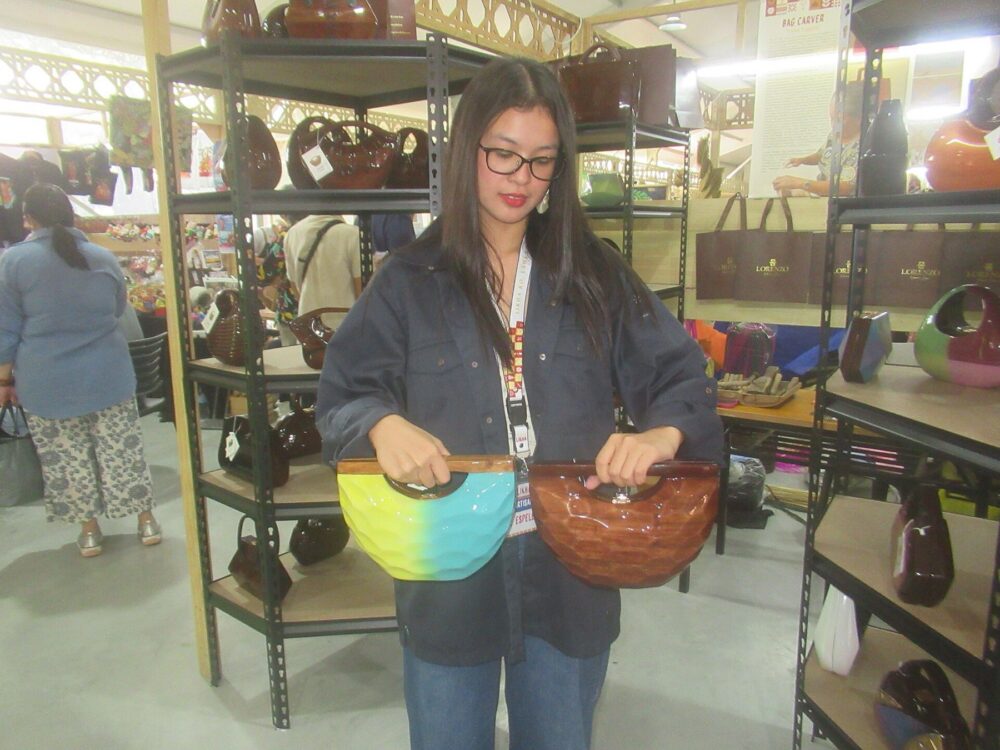
You’ll choose wooden handbag accessories and vintage wooden bags by matching three things: handle or frame size to your bag’s edge, wood and construction style to how hard you’ll use the bag, and marketplace depth to how niche you want the design. For everyday DIY replacements or boutique resale, you’ll usually compare generic hardware on Amazon and Alibaba, handmade and vintage pieces on Etsy, and broader but more standard bag listings on DHgate before deciding where to buy.
The sections below focus on fit: which wooden parts you actually need, how to read the specs, and which bag constructions make sense for real-world use in the U.S.
What Counts as Wooden Handbag Accessories and Vintage Wooden Bags?
In this category you’re usually looking at two buckets:
1. Wooden handbag accessories These are parts you add to an existing bag or to a bag you’re making:
- Wooden purse handles – curved, oval, D-shape, or rectangular rings you sew or clip to the top of a bag. They’re sold widely as replacement or upgrade accessories and can work with fabric totes, crochet bags, rattan purses, and more.
- Wooden frames – rectangular or square frames that become the top of a clutch or small handbag. The fabric or woven body attaches around the frame.
- Wooden charms and tags – small carved shapes or logo tags that hang from a strap or zip pull. Guides like 86 York’s accessories overview show how charms and tags are used to personalize bags.
You’ll often see these sold in multi-packs labeled as “bag handles – wooden” or “solid wood bag handles,” confirming they’re intended as interchangeable components rather than bag-specific spares.
2. Vintage and vintage-style wooden bags On marketplaces like Etsy there’s a clear cluster of bags where wood is the main visual element: vintage wooden-handle leather bags, slat handbags, and rattan/wood purses.
Style guides for bamboo and wood bags break these into a few constructions:Sinocultural’s bamboo-handle bag guide illustrates how these styles look and carry.
- Slat bags – rows of wood or bamboo slats create an airy, cage-like body. Very recognizable in vintage listings and modern “bamboo slat bag” searches.
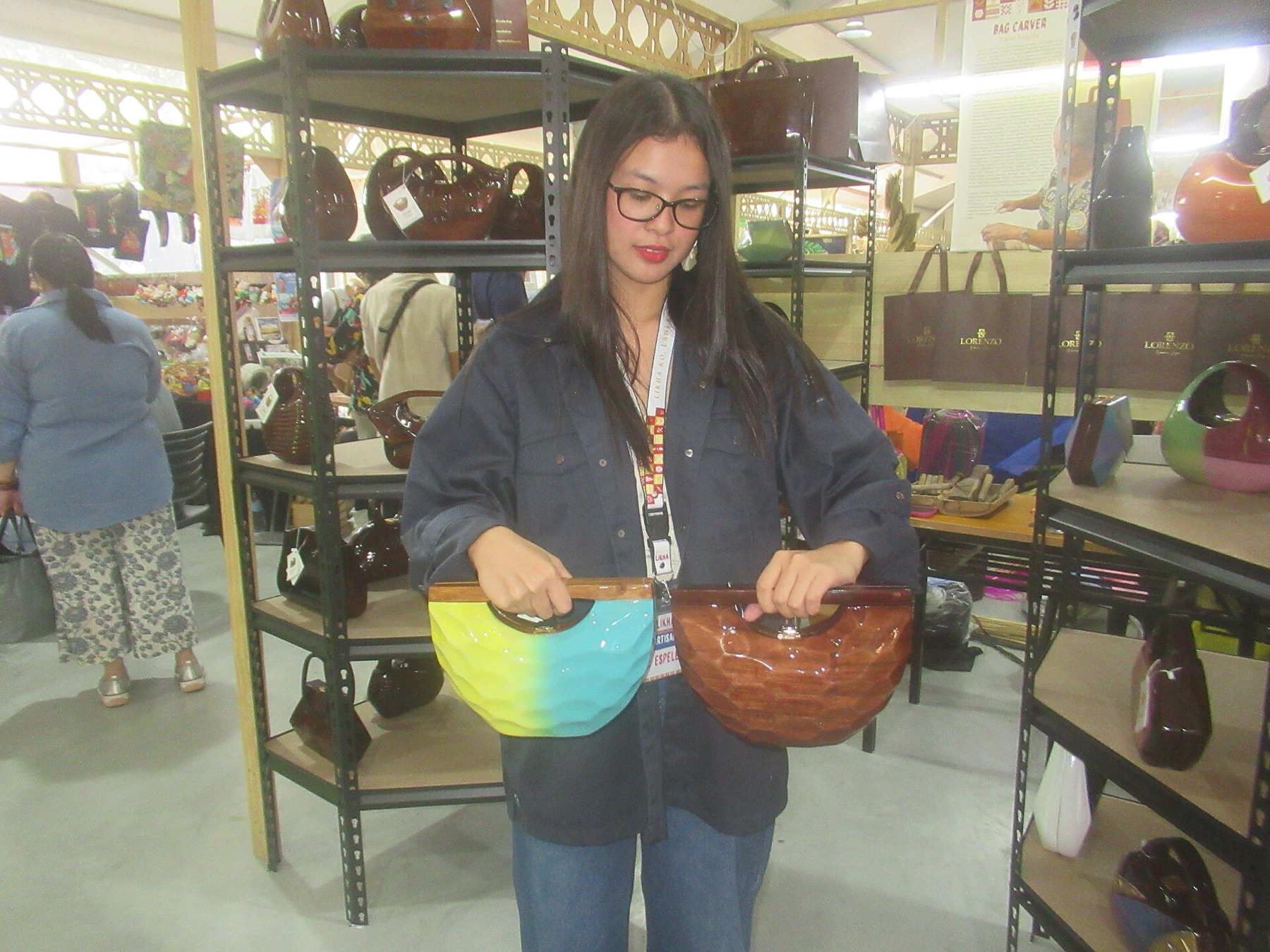
- Box bags – a rigid wood box with a lid, often carved or veneered, sometimes lined with fabric and finished with a top handle.
- Rattan/wood combos – woven rattan or straw bodies with wooden handles or frames. These appear frequently in Etsy’s rattan wood vintage purse search results.
US buyers and small boutiques use wooden accessories to refresh a tired bag, make a one-off artisan piece, or build a small run of “nature-inspired” handbags without needing full leather hardware sourcing.
Matching Handle Types, Bag Styles, and Specs to Your Use Case
The biggest practical mistakes with wooden handbag parts are sizing and attachment. You can avoid them by checking five things.
1. Handle inner width and opening size
Hardware guides like Maya Metal’s size & finish explainer show that handles and rings are measured by their inner width (usable opening) and overall diameter.
For a wooden purse handle, that inner width has to match:
- The thickness of your bag edge or tab if you’re sewing it on.
- The width of any metal ring or clasp that will connect to it.
If the handle opening is too narrow, a thick canvas tote or chunky crochet edge simply won’t fit through. As a rule of thumb, measure your bag edge and choose a handle whose inner opening is clearly larger, leaving room for stitches.
2. Attachment style: sew-on, clip-on, or frame
When you look at wooden handles on Amazon or Alibaba, and at artisan examples from makers like Lesondi, you’ll see a few attachment styles repeated (Lesondi’s purse handle catalog is a good visual reference):
- Sew-on slots or holes – best if you’re comfortable stitching and want a very secure, permanent connection.
- Side notches – fabric or leather slides into the notch and is stitched or glued; common in simple DIY frame clutches.
- Ring-compatible handles – thick wooden rings that connect to a bag via metal O-rings or clasps. This works well on woven or rattan bodies.
For resale, clip-on or ring-compatible designs let customers swap handles or remove them for storage. For a one-off heirloom bag, a sewn-on frame is more secure.
3. Wood vs bamboo vs rattan: material trade-offs
Buying guides that compare wood, bamboo, and metal handles emphasise that each material has a different feel and durability profile. One guide from MANCHAO on mixed-material handles (MANCHAO’s handle and strap guide) points out:
- Solid wood – visually warm, often smoother edges, can be heavier depending on species. Good for structured bags and box purses.
- Bamboo – naturally lighter with a more relaxed, resort look. Works well on slat bags and woven bodies.
- Rattan – usually in the bag body rather than the handle; offers an airy, summery look but needs a sturdy frame or handle to keep shape.
For everyday use in a US city, boutiques often gravitate to wood or wood-plus-leather because it survives being set down on hard surfaces better than a purely rattan body.
4. Bag construction: slat vs box vs rattan/wood mix
How the bag itself is built will decide what it can carry and how fragile it feels.
Here’s a compact comparison you can use when picking stock or planning a DIY run:
| Bag construction | Look & vibe | Practical feel | Best use cases |
|---|---|---|---|
| Wood/bamboo slat body | Airy, sculptural, vintage resort | Lots of gaps, limited small-item security | Occasional outings, statement piece |
| Solid wooden box | Rigid, carved, “mini trunk” | Very protective, but fixed capacity and weight | Dressy events, display-friendly |
| Rattan body + wood handle/frame | Soft, natural, boho or coastal | More forgiving body; structure from wood parts | Everyday light carry, summer bags |
Style guides like Sinocultural’s bamboo-handle overview highlight that slat designs are visually striking but airy, while box styles feel more like a small case.
If you’re sourcing for a boutique, a mix of one sculptural slat bag, one carved box bag, and several rattan/wood pieces covers both “wow” window displays and practical day-to-day carry.
5. Comfort and weight
Wooden handles concentrate weight in a narrow area. To keep them comfortable:
- Choose rounded or oval shapes for hand carry; sharp rectangles dig into fingers.
- For shoulder use, pair a wooden top handle with a secondary strap (leather or webbing) so customers aren’t stuck with a rigid bar on their shoulder.
Before ordering in bulk, it’s worth mocking the dimensions with a cardboard ring to make sure the proportions feel right in hand.
Where These Products Are Sold Online and When DHgate Belongs on Your List
Once you know the wood type and bag construction you want, the next decision is where those pieces are actually available.
Etsy and similar marketplaces Searches like “wooden handle bag vintage” on Etsy surface a wide mix of:
- True vintage wooden-handle bags from past decades.
- Handmade box purses carved from pine or other woods.
- Rattan/wood hybrids made in small batches.
Stock is often one-off or limited runs, which suits boutiques that want variety over repeatability. You can see how slat, box, and rattan/wood constructions are executed in the real world and decide which ones are realistic for your audience.
Amazon and generic hardware suppliers Listings like multi-pack “wood purse handles” on Amazon, and guides on sites such as SmartBuy Alibaba’s wooden handle overview, confirm that generic wooden handles, frames, and rings are widely available as supplies. These channels are practical if you:
- Need standard shapes (oval, D-ring, simple rectangular frames).
- Care more about consistent specs than artisan carving.
They’re a good fit for DIY bag makers or small brands planning to standardize one or two silhouettes.
Alibaba and B2B-style sourcing Alibaba tends to mirror Amazon’s generic hardware but at larger quantities and more direct factory access. It’s relevant for a small ecommerce business planning 50-100+ units of a single design, where you need predictable repeats of the same handle or frame.
DHgate’s relative place Independent bag category roundups, such as the 2026 spreadsheet-based view on DHgateEdit’s bags page, show DHgate carrying a broad variety of bags. The emphasis, though, skews toward generic fashion handbags rather than niche artisan wooden box purses or slat bags.
That means DHgate can make sense if:
- You want bags that simply happen to have wooden handles or wood-like trim inside a more standard collection.
- You’re already comfortable sourcing general handbags there and just need a few wood-accent pieces to round out your offering.
If your goal is clearly vintage slat bags, carved wooden box purses, or small-batch rattan/wood hybrids, Etsy and dedicated artisan sellers will usually offer deeper, more stylistically consistent choices than DHgate’s mostly generic bag catalog.
For readers new to DHgate, it can help to first understand what DHgate is and how the marketplace works and then use guidance on finding trusted sellers on DHgate and the order-readiness checklist before checkout if you decide to source any wooden-handle bags there.
The practical path is: decide your construction (slat, box, or rattan/wood), confirm your handle dimensions and attachment style, then shortlist marketplaces based on whether you want one-off artisan pieces (Etsy and niche sites) or repeatable generic hardware (Amazon, Alibaba, DHgate). That way you’re not just buying a “wooden bag” — you’re buying a specific structure that fits the way you and your customers actually carry bags.