
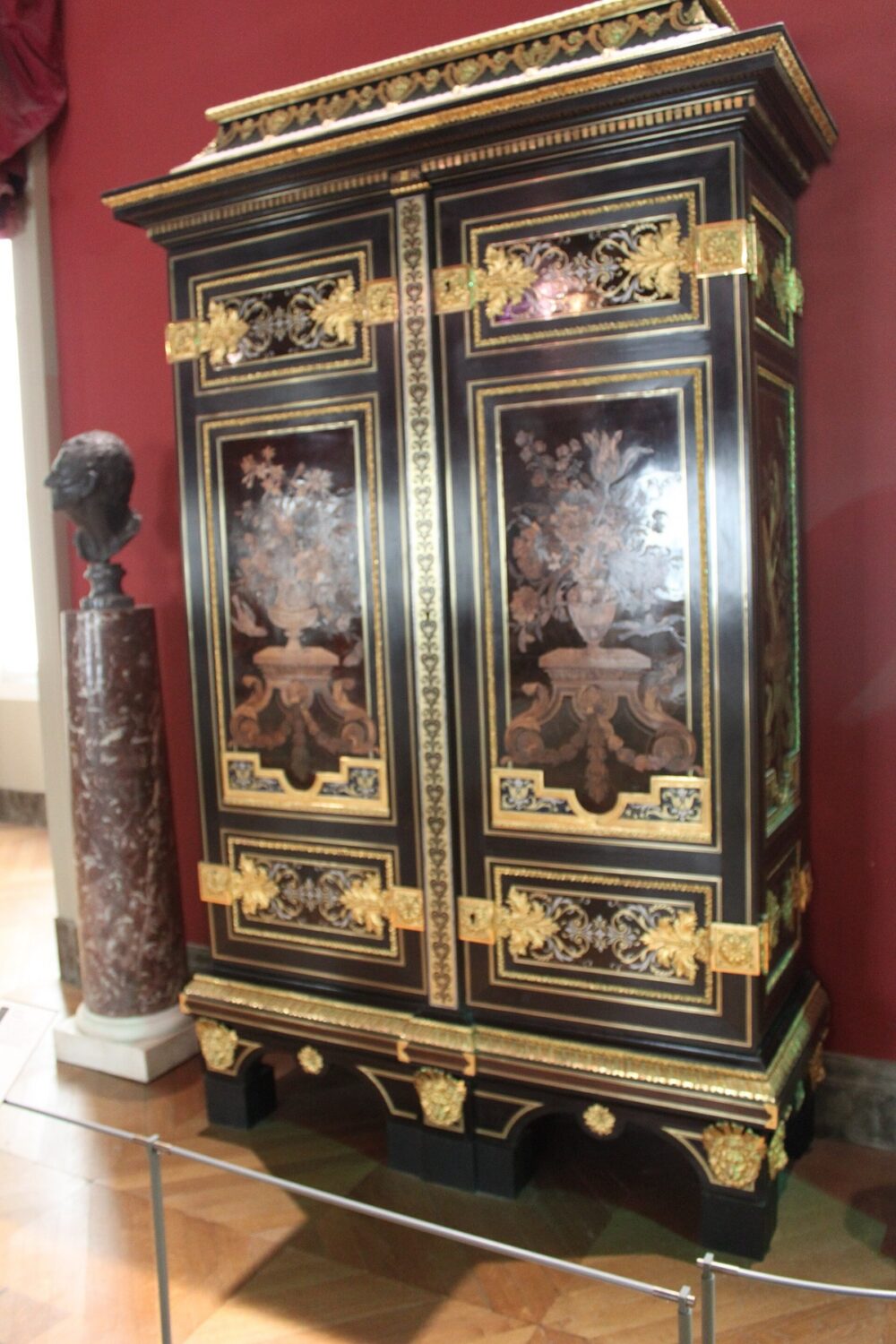
If you’re choosing between walnut antique, vintage, and modern wardrobes or armoires, start by locking in the space and storage you actually need, then pick the era and construction quality that match it, and only after that decide whether you’re shopping true antiques on platforms like 1stDibs, vintage pieces on Chairish, or modern solid-wood wardrobes from marketplaces such as DHgate. That sequence keeps you from falling in love with a piece that either won’t fit through your door or won’t hold the wardrobe you own.
Walnut is prized because it’s hard, stable, and takes carving and veneer beautifully, so both 19th‑century armoires and mid‑century wardrobes often survive heavy use. But the label on a listing—“antique,” “vintage,” “walnut”—can hide big differences in age, structure, and how much restoration you’ll be taking on. The sections below will help you narrow to the right type before you start comparing individual listings or talking to sellers.
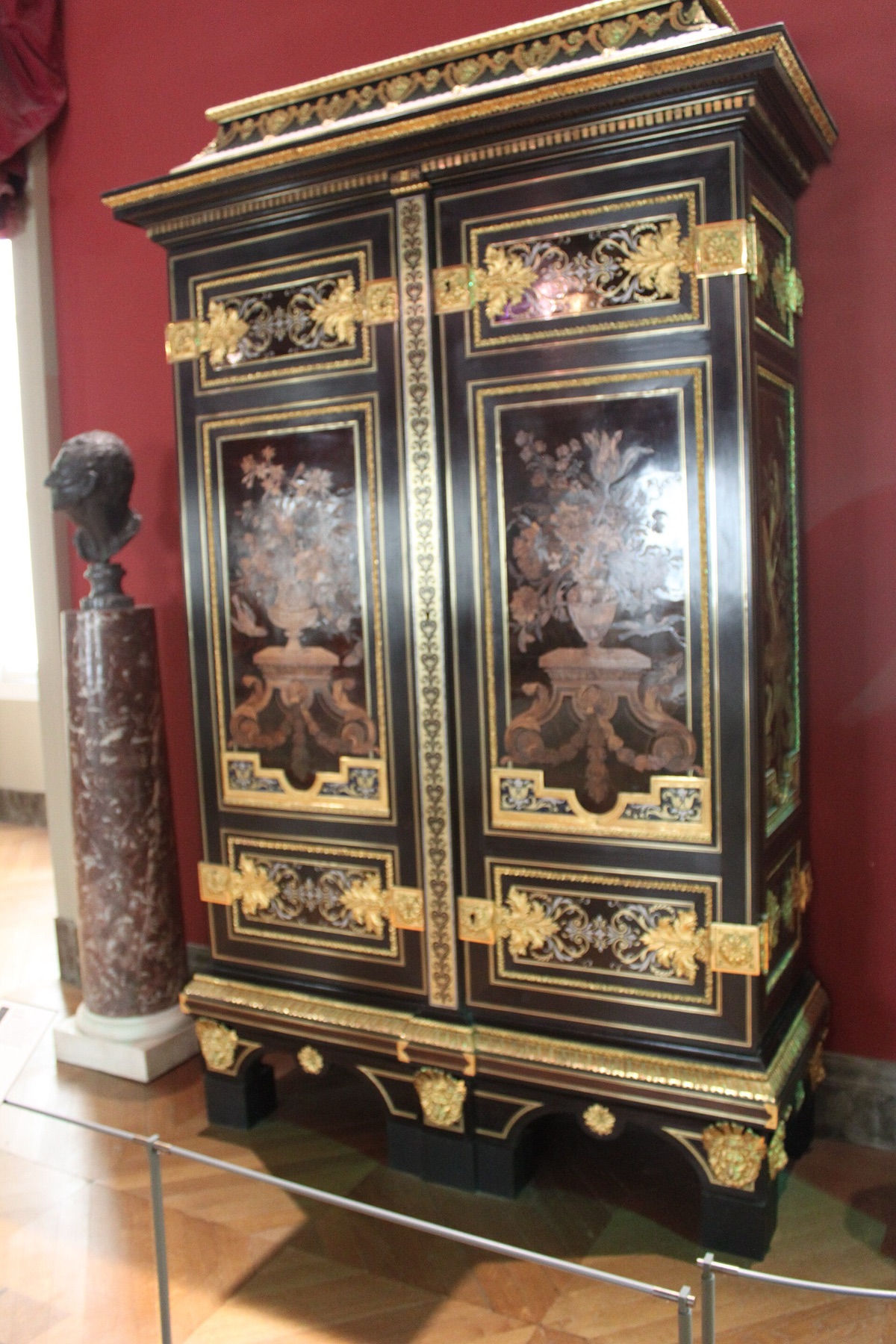
What Counts as a Walnut Antique or Vintage Wardrobe or Armoire?
Wardrobe vs armoire
Specialist guides describe wardrobes as tall storage cabinets primarily for clothing, often with a balanced mix of hanging space, shelves, and sometimes drawers. Armoires historically began as large, often more ornate cabinets (sometimes for linens or valuables) and may have deeper bodies, heavier doors, and more decorative carving or panel work than a typical wardrobe.
An antique identification guide notes that wardrobes and armoires are often separated by form and use: wardrobes skew bedroom‑functional; armoires can be more multi‑use and showier, sometimes with more complex cornices or door panels than a utilitarian wardrobe cabinet.Source
Antique vs vintage vs modern‑replica
Different sources use slightly different age cut‑offs, but in practical buying terms:
- Antique walnut wardrobes/armoires generally date to the 19th century or earlier, and some early‑20th‑century examples. These pieces tend to be hand‑built, often with solid walnut frames and traditional joinery. They carry higher restoration implications and more resale/collector interest.
- Vintage walnut wardrobes/armoires usually mean 1920s–1970s pieces (Art Deco, mid‑century, postwar). You’ll see more machine production, more walnut veneer over other cores, and more standardized hanging/shelf layouts that feel familiar in modern bedrooms.
- Modern or replica wardrobes/armoires are contemporary builds that imitate antique or vintage styles. Walnut may be solid, veneered, or even a walnut‑look finish. These usually arrive flat‑pack or semi‑assembled, with hardware and layouts designed around current clothing habits.
For both buyers and small ecommerce sellers who use these pieces as visual merchandising in a shop or studio, the age category matters less than the combination of real walnut content, structural integrity, and layout. Antique pieces can be extraordinary showstoppers but may be overkill if you mainly need efficient hanging space and adjustable shelves.
Key Walnut Wardrobe and Armoire Types to Compare
Once you’ve decided roughly whether you want antique, vintage, or modern, narrow further by layout, construction format, and style era.
1. Storage layout: hanging vs shelves vs drawers
Browsing vintage and antique marketplaces like Chairish’s armoires collection or walnut categories on 1stDibs shows recurring layout patterns:
- Single‑rail hanging with upper shelf – Common in 19th‑century and early‑20th‑century wardrobes. Great if you mainly need long hanging space for dresses or coats, less helpful if you live in knitwear and folded jeans.
- Combination: one hanging bay + one shelving bay – Often seen in Art Deco and mid‑century walnut pieces. This works well for modern bedrooms and for small retailers who want one side for display garments and another for folded inventory.
- Shelves only (sometimes adjustable) – More common in armoires originally intended for linens or general storage. Ideal as a pantry or shop display cabinet; less ideal as your only wardrobe unless you add tension rods or internal fittings.
- Integrated drawers at the base or inside – Vintage and modern wardrobes often add drawers for small items. Antique pieces may have fewer, larger drawers.
For a small room, a mixed format (hanging + shelves) usually beats a pure hanging antique armoire unless you’ve got another dresser taking on folded storage.
2. Breakdown vs one‑piece construction
From dealer descriptions and guides like Antiques Know How’s armoire overview, you’ll see two broad construction formats:
- One‑piece cabinets – Built as a single body. These are structurally straightforward but can be very heavy and tricky in U.S. homes with tight staircases or low doorways.
- Breakdown or knock‑down wardrobes – Designed to disassemble (sides, back, doors, top) for transport. Many later 19th‑century European wardrobes use this format.
If you’re in an apartment or plan to ship to a client, breakdown construction sharply reduces risk and cost. It also matters if you’re sourcing cross‑border: one‑piece antiques can require specialist movers and careful measurement, including stair turns and ceiling height.
3. Style eras and how they affect real use
Style isn’t just decorative; it influences depth, interior space, and presence.
- Victorian and earlier walnut armoires – Often tall, deep, and elaborate, with heavy moldings and large doors. They make strong focal points for boutique retail or a dramatic primary bedroom but can overpower small spaces.
- Art Deco walnut wardrobes – Typically cleaner lines, still with strong veneer patterns. Layouts are often more balanced and practical, with a clearer split between hanging and shelves; good for everyday use.
- Mid‑century modern pieces – Slimmer profiles and more restrained walnut grain. Useful if you want vintage character without a huge footprint.
- Modern “antique‑style” wardrobes – Built to look old, often with standardized interior fittings. For ecommerce sellers needing repeatable fixtures (e.g., multiple similar armoires for shop display), these modern builds may be easier to source consistently than one‑off antiques.
4. Quick comparison: antique vs vintage vs modern walnut
Use this table to match type to your priorities:
| Type | Typical walnut use | Layout & usability | Best for |
|---|---|---|---|
| Antique (pre‑1920s) | Often solid walnut frames; veneer panels common | Layout may skew to single hanging rail + shelf; fewer built‑in drawers | Statement pieces, collectors, boutique showrooms, restoration projects |
| Vintage (c. 1920-70) | More veneer over mixed cores; still real walnut surfaces | More balanced mix of hanging, shelves, drawers; closer to modern needs | Everyday bedroom storage, small retail displays, moderate restoration |
| Modern/replica | Mix of solid, veneer, or walnut‑look finishes | Designed around today’s clothing habits; often modular/fitted interiors | Budget‑friendly storage, consistent fixtures, easier cross‑border buying |
Buying Factors: Size, Construction Quality, and Platform Choice (Including DHgate)
Once you know the type and era you’re aiming for, focus your short list using three filters: dimensions, construction, then platform.
1. Lock the dimensions for your room or shop
On antiques marketplaces like 1stDibs and LoveAntiques, walnut wardrobes often run taller and deeper than modern flat‑pack closets.
For a U.S. bedroom or small retail space, measure:
- Floor footprint – width and depth, plus door swing clearance.
- Height – both ceiling height and any soffits, beams, or sprinkler heads in commercial spaces.
- Access path – door widths, stair turns, elevator size. For one‑piece antiques, ask the seller to confirm whether it disassembles.
If you intend to use hanging storage, confirm the internal hanging height in the listing or by message. Some antique armoires were designed for shorter garments; you may need a secondary rail or alterations.
2. Judge construction quality: walnut, joinery, and condition
Antique armoire guides emphasize a few core checks that directly affect durability:Source
- Solid walnut vs veneer – Solid walnut frames and rails are a strength for heavy use and future refinishing. Veneer over a stable core (often another hardwood) can still be excellent, but loose or bubbling veneer suggests repair work.
- Joinery type – Traditional joinery (mortise‑and‑tenon, dovetails in drawers) generally signals a higher‑quality build than staples or very light modern hardware. Look closely at interior photos for how shelves are supported and how the frame corners are joined.
- Condition issues – Common problems include split panels, past water damage, woodworm traces, and misaligned doors. On marketplaces, read the condition notes line‑by‑line and zoom into photos rather than relying on a generic “good vintage condition” tag.
For a small ecommerce seller planning to use an antique walnut armoire as a shop fixture, structural stability is non‑negotiable: if doors don’t close cleanly or the case racks under load, you’re buying a restoration project, not ready‑to‑use retail furniture.
3. Restoration and transport: how much are you willing to take on?
A short sidebar worth considering before you fall for an 18th‑century walnut showpiece:
- Restoration scope – Old finishes, locks, and interiors can be beautiful but may require specialist refinishers or cabinetmakers. Plan costs and timelines before committing, especially if your business opening or bedroom remodel depends on the piece.
- Transport – Antique wardrobes often need blanket‑wrap shipping or white‑glove delivery. Breakdown wardrobes reduce risk but still demand careful packing.
If you need a piece quickly or at predictable cost, a solid vintage cabinet or a modern walnut wardrobe might serve you better than a high‑maintenance antique.
4. Platform choice: antiques sites, general marketplaces, and where DHgate fits
You have three main channel types:
- Antique/vintage specialists – Platforms such as 1stDibs, Chairish, and LoveAntiques let you filter walnut wardrobes and armoires by era, style, material, and sometimes origin. They’re the most relevant sources for true antique or named‑period vintage pieces, often with more detailed provenance and condition descriptions.
- General marketplaces – Sites like eBay’s walnut antique armoires category carry everything from high‑end antiques to basic vintage. Expect wide variation in listing detail and seller expertise; you’ll need to lean hard on photos and direct questions.
- Modern furniture marketplaces (including DHgate) – DHgate’s editorial content describes a broad furniture assortment, plus filters for price, style, and used/new status, and encourages buyers to use product descriptions and customer reviews to gauge fit and quality.Source For walnut wardrobes and armoires, this makes DHgate relevant mainly if you want modern solid‑wood or walnut‑finish wardrobes that riff on antique styling but don’t require restoration.
For buyers specifically seeking authentic antique or named‑period vintage walnut wardrobes/armoires, antiques‑focused platforms and established dealers are the natural starting points. DHgate and similar marketplaces become more useful when your priority shifts toward new production: consistent sizing, modular interiors, and budget control for bedroom storage or replicated retail fixtures.
For additional DHgate platform context, use Find trusted sellers on DHgate.
If you do include modern wardrobes from DHgate in your comparison, pair the platform’s filters and reviews with your own safeguards: measure against the listing’s dimensions, clarify whether the “walnut” is solid or veneer, and use internal references like What DHgate is and how the marketplace works and Review the DHgate order-readiness checklist to structure your pre‑checkout checks.