

Most “copper washing machines” you’ll see for sale today are either antique laundry tubs, early hand‑crank or electric machines with copper drums, or modern reproduction tubs sold as décor. To choose the right option, start by deciding whether you need a usable washer or a statement piece, then look at tub type, size, wall thickness, and condition. DHgate can belong on your shortlist for new, decor‑grade or reproduction copper tubs, while serious collectors and resellers usually source true antiques from niche marketplaces and local dealers.
What “Copper Washing Machines” Really Are Today
If you search “copper washing machine,” you’re not looking at a standard modern top‑loader with a fancy finish. You’re typically seeing:
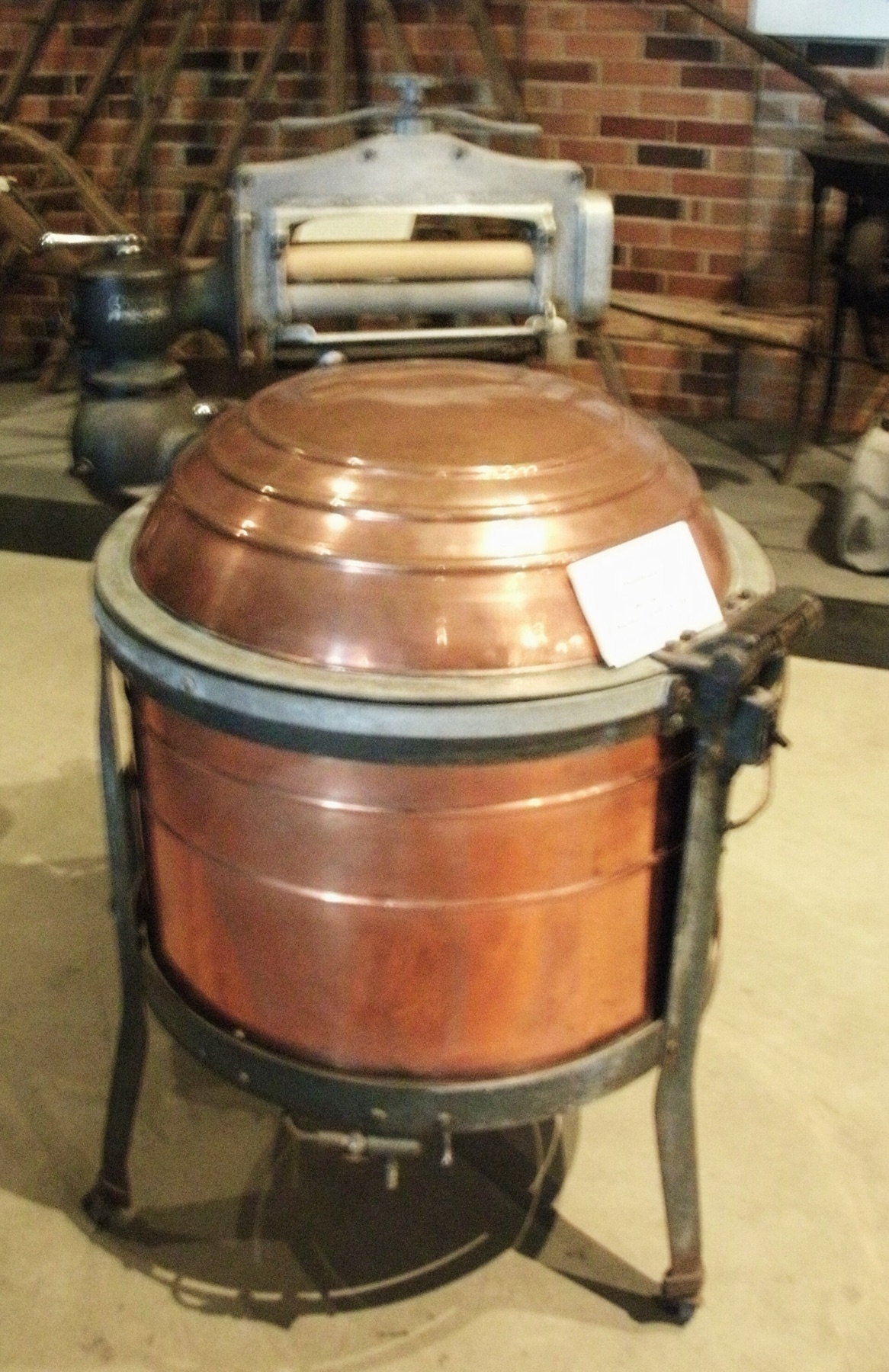
- Hand‑operated or early electric machines from the early 20th century with copper tubs or drums.
- Standalone copper tubs that were used to boil or soak laundry.
- Modern tubs made of copper or copper‑look metal sold mainly for décor.
Vintage copper washing machines started life as practical appliances, often hand‑cranked or powered by simple motors, and they’re now mostly collected or repurposed as decorative pieces or retail props. That’s the focus in restoration stories like the vintage journey described by Asianstar CNC: cleaning up the copper, preserving the look, and sometimes carefully bringing mechanical parts back to life.
Standalone copper tubs have a split personality on today’s market. As sites like Roomy Edit show, they’re sold both as functional vessels (for soaking linens, firewood storage, even planters) and as purely decorative items. Sizes, wall thickness, and finishes vary a lot, which is why you need to match the tub to your actual plan—washing, staging, or resale.

Collectors, home decorators, and small ecommerce sellers tend to approach these pieces differently. A collector wants originality and patina; a decorator wants a clean, photogenic look; a reseller needs predictable condition and honest description so they can move the item on.
Key Copper Tub and Machine Types: Antique, Reproduction, and Utility
You’re usually choosing among three broad types. Thinking in these buckets makes the decision much clearer.
1. Antique full copper washing machines
These are complete vintage appliances: a copper tub or drum plus a frame, wringer, and sometimes an early electric motor. Listings on niche antique marketplaces like Vatican.com’s copper washing machine category show how they’re positioned—antique items, often sold as‑is.
Typical traits:
- Use case: Mostly display or careful restoration projects, not daily laundry.
- Capacity: Small by modern standards; think light household loads, not commercial linen.
- Construction: Riveted or soldered seams, mechanical parts that may be worn or seized.
If you’re buying to restore, you care about whether the drum is intact, seams are holding, and parts are present—even if they all need work.
2. Standalone copper washing tubs
This is the most common “copper washing machine” product today: a tub that once sat over a heat source or next to a manual wringer. Modern listings often frame them as multi‑purpose pieces—laundry vessels, planters, storage, or statement décor.
From product comparisons like Roomy Edit’s copper tub guide, you can expect variation on:
- Size: Anything from small barrel‑like tubs to roomy basins suitable for blankets.
- Wall thickness: Thicker walls feel more substantial and resist dents; thin sheet metal is fine for decor but less ideal for heavy use.
- Finish: Raw copper with patina, polished and lacquered copper, or copper‑tone finishes on another metal.
These tubs can be:
- Functional utility pieces (for soaking textiles, hand‑washing in a studio, or farm use).
- Decor props (photo studio, storefront, Airbnb staging).
Your choice depends on whether they need to hold hot water regularly or just look good in a corner.
3. Reproduction and modern copper‑style tubs
Reproduction tubs and modern copper‑style pieces are built now but mimic the look of old laundry coppers. They may use lighter gauge metal or copper plating instead of thick, solid copper.
They’re aimed at:
- Home décor buyers who want a vintage look without antique maintenance.
- Restaurants, boutiques, or photo studios needing multiples with consistent appearance.
These are the types you’re more likely to find across general ecommerce and cross‑border sites, including DHgate, rather than on antique‑only platforms.
Here’s a compact way to compare the three sub‑types:
| Type | Typical buyer goal | Best sourcing channels |
|---|---|---|
| Antique full machine | Collect / restore | Antique marketplaces, estate sales, dealers |
| Standalone vintage tub | Light use + authentic look | Antique sites, local vintage shops, auctions |
| Reproduction / modern tub | Décor at scale | General ecommerce, cross‑border marketplaces |
Buying Factors for Copper Washing Machines (Including DHgate Options)
Once you know which type you’re after, you can adapt standard washer‑buying logic—capacity, laundry habits, and space—to these nonstandard pieces. Guides from sources like Consumer Reports and LaundryHarbor stress that you should match capacity and features to how you actually wash, not chase specs for their own sake. For copper tubs and vintage machines, that translates into a different checklist.
Decide your scenario first
Use this quick filter before you ever hit “Buy”:
- Home décor / staging only
Prioritize look, size, and ease of cleaning. A reproduction tub with a stable finish and lighter weight is often a better match than a fragile antique.
- Occasional functional use (soaking, hand‑washing)
Look for sturdier construction: thicker walls, intact seams, and a base that can safely handle the weight of water and fabric.
- Collector or restoration project
Focus on originality (old solder, period hardware, maker’s marks) and completeness of the machine. Patina is a plus, but severe corrosion on structural parts is a red flag.
Material thickness, seams, and finish
Copper washing tubs are not all built alike.
- Wall thickness: Heavier‑gauge copper feels solid and holds its shape under load. Thin sheet metal dents easily and suits decor better than actual washing.
- Seams and joints: On older pieces, look for tight, continuous seams without daylight showing through. Splits or extensive green corrosion along a seam suggest leaks.
- Finish: Polished and lacquered copper will stay bright longer in a clean, indoor setting. Raw copper with patina gives an authentic look but may react with detergents or moisture.
When evaluating online photos, zoom in on rim edges and seam lines; that’s where thickness and wear reveal themselves.
Capacity and practical usability
For tubs you plan to use, translate modern washer guidance into simple questions:
- What will you wash? A few shirts and towels, or heavy blankets and rugs?
- Where will the tub live? Indoors on a finished floor, or in a utility space?
Match that with:
- Tub diameter and depth sufficient for the largest item you’ll soak.
- Base stability so a full tub doesn’t tip when you agitate laundry.
Functional usability doesn’t require precise gallon counts; it requires a realistic match between the tub’s size and your laundry habits.
- Antique machines and tubs should show age‑consistent details: period hardware, rivets or solder, wear patterns that make sense, and possibly maker marks or labels.
- Reproduction pieces may have very regular machine welding, modern handles, or uniform copper plating.
Platform fit: where DHgate belongs
Different sourcing routes line up with different goals:
- Antique marketplaces and local dealers (like the copper machine category on Vatican.com) are where you’ll most reliably see truly old, as‑is pieces.
- DHgate and other cross‑border marketplaces tend to emphasize affordable home appliances and décor from wholesalers and manufacturers. DHgate’s own editorial positioning for home appliances highlights that many sellers list directly as wholesalers or manufacturers, with fewer intermediaries, which is a natural fit for new, reproduction, or decor‑grade copper tubs, not one‑off antiques.
For US buyers and small ecommerce businesses, a practical way to use DHgate in this niche is:
- Shortlist DHgate when you want multiple copper‑style tubs with consistent look for staging or resale.
- Favor antique marketplaces, local vintage shops, and estate sales when your priority is a single, authentic copper washer or tub with historical character.
Sources
For additional DHgate platform context, use What DHgate is and how the marketplace works, Find trusted sellers on DHgate, and Review the DHgate order-readiness checklist.
- Consumer Reports washer buying guide
- LaundryHarbor washing machine buying guide
- Roomy Edit copper washing machine tub comparison
- Asianstar CNC on vintage copper washing machines
- Vatican.com copper washing machine listings
- DHgate editorial context on home appliances and wholesalers (blog post at `p=203981`)