
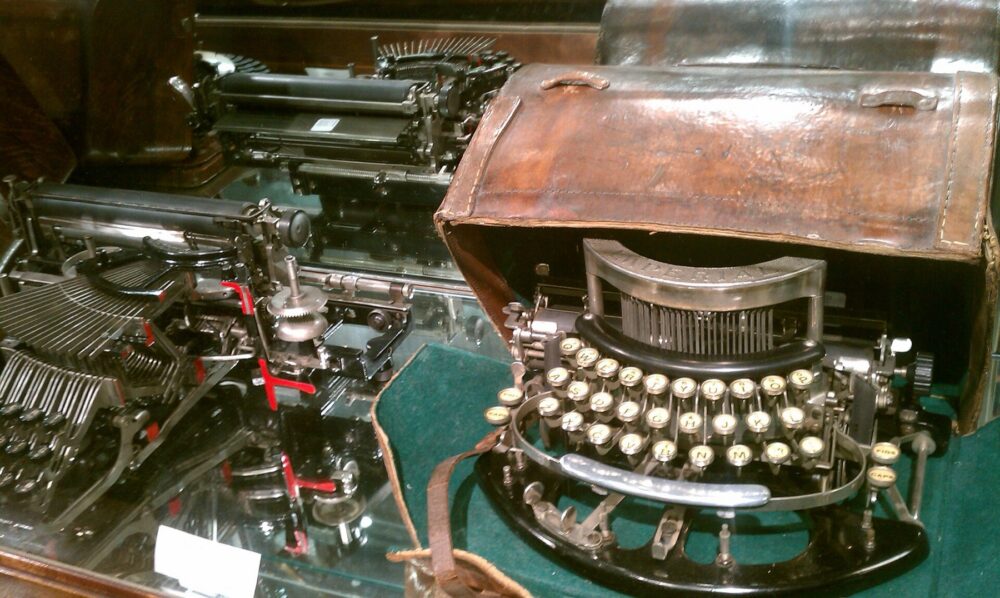
Traveling typewriters are compact manual typewriters you can actually carry and use, not just metal props. To choose one, start by deciding whether you need a genuine portable manual for writing, a semi-portable desktop you move occasionally, or a decor-only retro device. Then match that choice to realistic accessory needs—ribbons, cases, and basic maintenance—before you browse specialist typewriter shops, broader marketplaces like Etsy or Amazon, or global platforms such as DHgate, where product variety is wide but listings need close vetting.
If you’re a writer or small ecommerce seller, your main decision is whether portability, typing feel, and repairability matter more than looks. A true traveling typewriter should fit in a bag or dedicated case, accept readily available ribbons, and be in sound mechanical condition. Decor-only and toy models are fine for photo shoots or gift bundles, but they aren’t built for daily writing.
What counts as a traveling typewriter today?
Historically, “traveling” or portable typewriters were compact manual machines designed to be packed up and taken on trains, into offices, or on trips. Modern buying guides still treat them as everyday writing tools—smaller and lighter than full office typewriters, but capable of real work.
Today, sellers use “travel,” “portable,” or even “retro travel typewriter” in listings that fall into three broad uses:
- Working writers and journalists. They want a reliable manual with good key feel and a case they don’t mind scuffing. Portability is real—car trunk, cabin bag, backpack.
- Casual hobbyists and letter-writers. They value charm, a pleasant typing experience, and a machine that doesn’t require specialist repair for every issue.
- Gift and decor buyers. They often care more about color, styling, and the idea of a typewriter than long writing sessions.
Portability matters differently for each group. A journalist might accept a slightly heavier semi-portable if it’s mechanically excellent. A decor buyer can live with a non-functional or toy piece that just looks right on a shelf. Knowing which camp you’re in keeps you from overpaying for looks or underbuying on usability.
Portable typewriter types and accessory compatibility
Specialist retailers divide manual typewriters into a few practical categories. Understanding these helps you avoid buying a decor piece when you need a traveler you can live with.
Main sub-types
Here’s a compact comparison of common options:
| Type | Typical size/weight (editorial) | Best for | Ribbon & case compatibility |
|---|---|---|---|
| True portable manual | Small footprint, ~10-12 lbs | Travel, everyday writing | Uses standard ribbons; often original or repro case available |
| Semi-portable / compact desk | Larger body, ~14-18+ lbs | Home office, occasional moving | Standard ribbons; may need generic soft case or padded bag |
| Decor-only “retro” device | Light, sometimes plastic | Display, photo props, novelty gifts | Often proprietary ribbon or none; case sometimes decorative only |
| Kids’/toy typewriter | Very small, often plastic | Children’s gifts, play | Limited ribbon options; case rare or toy-like |
These weight ranges are editorial estimates based on typical models in each class; always check the actual listing specs.
How accessories differ
Ribbons. Most vintage portable and semi-portable manuals were designed around standard 1/2″ ink ribbons on spools. Hobby guides stress that you’ll be replacing ribbons periodically—so choosing a machine that accepts widely available universal ribbons makes ongoing use far easier.
Decor-only and toy devices can be trickier. Some use proprietary cartridges, and some don’t accept new ink at all—they’re sold as display pieces. For cross-border buying, that’s a big risk: if the listing doesn’t clearly state ribbon type and availability, assume you may struggle to source replacements.
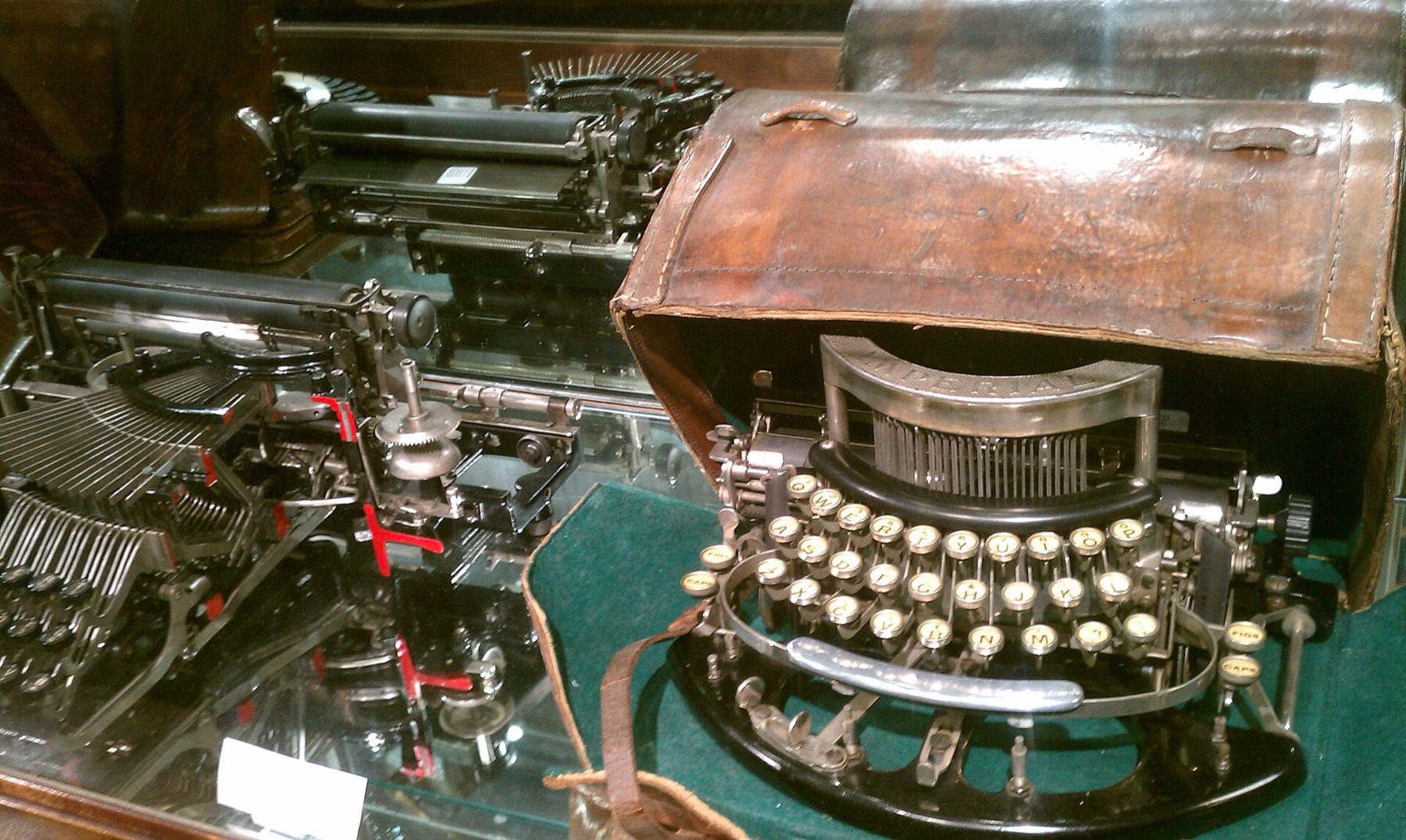
Cases. Original hard cases for true portables are a big advantage for travel. They protect the carriage and keep loose parts contained. Semi-portables may ship without a fitted case and instead rely on generic padded bags. Kids’ machines and decor devices might include flimsy or purely decorative housings that won’t protect a typewriter in a suitcase.
For accessories like cleaning kits or spare spools, compatibility often depends on the machine’s age and manufacturer rather than the travel label. Cross-check the model naming in the listing with independent references from typewriter specialists so you’re not guessing.
Buying factors and where DHgate fits alongside other marketplaces
Once you know which type you want, you can get more specific. Independent guides highlight three practical checks for any typewriter purchase:
Specialist retailers and serious hobby sites usually distinguish these categories clearly. Browsing a professional buying guide—such as the broad type category breakdowns on Typewriter Company or user-focused advice on HobbyHobby—can help you sanity-check what a seller is claiming.
3. Accessory fit for travel use. For someone actually taking a typewriter on the road, small accessory details matter:
- Does the machine take standard-width ribbons you can reorder from multiple sources?
- Is there a hard case or at least a snug-fitting cover with a handle?
- Are basic maintenance needs (dusting, occasional cleaning) realistic without specialty tools?
If you’re sourcing for a small ecommerce business, this also affects repeatability. A line of gift bundles built around one ribbon type and case size is much easier to maintain than a mix of incompatible machines.
Where DHgate sits among other options
DHgate is a large marketplace that connects buyers with sellers offering a wide variety of products at competitive prices across many categories. That breadth can be useful if you’re experimenting with decor-style typewriters, props, or accessory bundles for resale, because you’re more likely to see unconventional styles and price points.
The trade-off is that you usually need to do more legwork on each listing. Even DHgate’s own editorial shopping tips emphasize comparing prices between sellers, checking ratings and transaction history, and reading product descriptions closely—especially details like materials, dimensions, and what’s actually included in the box.
For a functional traveling typewriter that you’ll type on often, specialist typewriter shops, vintage dealers, and enthusiast marketplaces tend to provide deeper information about servicing, spare parts, and typing feel. DHgate and similar broad marketplaces can still play a role for accessories (generic cleaning kits, padded bags, or decorative cases) or for lower-cost decor machines, but you should:
- Treat “portable” and “retro” labels as marketing until the listing proves otherwise.
- Verify ribbon type and case size against independent references.
- Be ready to walk away if a listing doesn’t answer those practical usability questions.
If you’re new to DHgate overall and want a platform-level orientation before adding it to your search, you can start with What DHgate is and how the marketplace works and then learn how to find trusted sellers on DHgate, followed by a quick check against the DHgate order-readiness checklist.
The practical path is simple: decide first whether you need a real traveling typewriter or just the look of one, then pick channels that are strong in that specific category and use DHgate as one more candidate where its variety makes sense.