
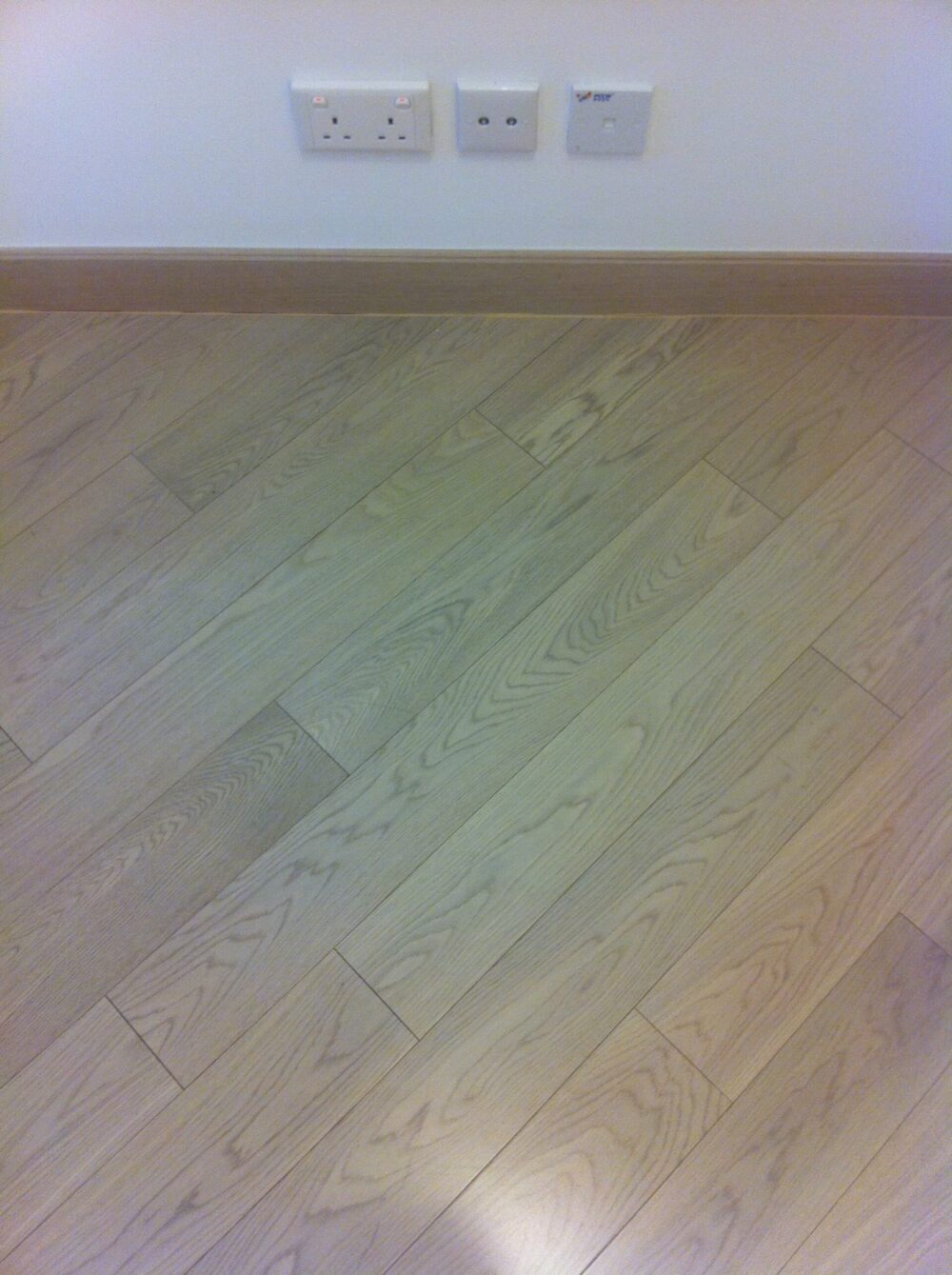
Your best rustic floor starts with how your house behaves: subfloor type, moisture, and foot traffic. Rustic solid wood is ideal for dry, stable spaces where you want deep character and long-term refinishing. Engineered wide-plank or barnwood-style boards pair a real wood surface with a layered core that handles humidity swings better, often making them the safer choice for basements, slab foundations, and very wide planks. DHgate can sit on the long list of online marketplaces for budget-conscious flooring discovery, but it’s one of several channels you should compare against U.S. flooring brands and reclaimed specialists.
Rustic Wood vs Engineered Wide-Plank: What You’re Actually Choosing
Solid hardwood is a single piece of wood milled into a plank. Engineered hardwood uses a real hardwood wear layer over a multi-layer core that’s designed to be more dimensionally stable in changing moisture and temperature, a structure explained in Flooring Institute’s engineered hardwood guide.Source That stability matters more as plank width increases.
“Rustic” usually refers to the look, not the construction. Rustic floors emphasize knots, color variation, visible grain, and sometimes saw marks or hand-scraping. Oak and pine are classic choices for this style, and reclaimed or distressed boards lean hard into the farmhouse/barnwood vibe.Source
In practice, your core choice breaks down like this:
- Rustic solid wood – Best for above-grade rooms over plywood/OSB subfloors with reasonably controlled humidity. Great if you care about authenticity, deep sanding/refinishing potential, and resale.
- Rustic engineered wide-plank – Better for concrete slabs, basements, coastal or very humid climates, and very wide planks that might cup or gap if they were solid. The top layer is real wood, so you still get knots, variation, and distressed textures, but performance is closer to a hybrid between hardwood and plywood.
Quick scenario: For a farmhouse kitchen on a concrete slab, an engineered oak wide plank with a tough factory finish usually handles spills and seasonal moisture better than solid pine. For a living room you’re upgrading for resale, solid rustic oak may impress buyers who equate “real hardwood” with value—assuming your climate and subfloor support it.
Key Specs That Decide How Your Rustic Floor Performs
Industry guidance is consistent: species, grade, width, finish, and installation method are the core specs that shape how any hardwood floor behaves.Source Engineered products add wear layer and core type to that list.
Core decisions: solid vs engineered structure
From Flooring Institute’s comparison of engineered vs solid hardwood:Source
- Solid expands and contracts more with humidity changes. On wide planks, that can mean gaps or cupping if conditions aren’t controlled.
- Engineered uses cross-layered cores (often plywood or similar) under the hardwood surface. Those layers make the floor less prone to movement, especially useful for wide planks and moisture-prone areas.
DG Floors’ engineered guide highlights two specs that matter long term:Source
- Wear layer thickness – A thicker hardwood surface can often be sanded and refinished more times than a thin veneer. Thin wear layers are closer to “one and done”; deeper ones behave more like thinner solid planks.
- Core composition – Multi-ply cores generally prioritize stability. Cheaper cores may use fewer or softer layers, which can affect how the floor handles heavy furniture or minor spills over time.
Species, grade, width, finish, installation
Broadleaf Timber’s advice on choosing wood flooring lines up well with rustic use:Source
- Species – Oak is the workhorse for rustic floors (tough, familiar grain, takes stain well). Pine gives a softer, more easily dented cabin feel. Harder species like maple or hickory show fewer dents but can look less traditionally rustic unless intentionally distressed.
- Grade – Rustic or character grades allow knots, mineral streaks, and color variation. Cleaner grades cost more and look more formal. For barnwood aesthetics, don’t fight the knots.
- Width – Wide planks (say 6″ and up) look more old-farmhouse and show off grain. They also magnify movement: a 9″ solid board moves more across its width than a 3″ strip in the same room. Engineered cores are often recommended in industry guidance when you push into very wide formats with mixed humidity.Source
- Finish – Pre-finished boards often come with factory-applied, durable coatings. Oil-based or matte finishes hide scratches and fit the rustic mood; high-gloss shows every imperfection. Distressed or hand-scraped engineered boards are popular because the texture masks everyday wear while keeping the farmhouse vibe.
- Installation – Solid typically gets nailed or stapled to a wood subfloor. Engineered adds options: glue-down, nail-down, or floating click systems over slabs. That flexibility matters if you’re trying to put wide planks over concrete.
Here’s a compact comparison of how these traits usually shake out for rustic projects:
| Trait | Rustic Solid Wood | Rustic Engineered Wide-Plank |
|---|---|---|
| Moisture tolerance | Lower; needs controlled humidity | Higher; core designed for stability |
| Typical subfloor | Plywood/OSB, above grade | Plywood/OSB or concrete slab |
| Max practical width | More limited in variable climates | Easier to use very wide planks |
| Refini sh potential | High (thick solid wear surface) | Depends on wear layer thickness |
| Rustic look options | Natural knots, can be site-distressed | Natural knots plus factory distressing |
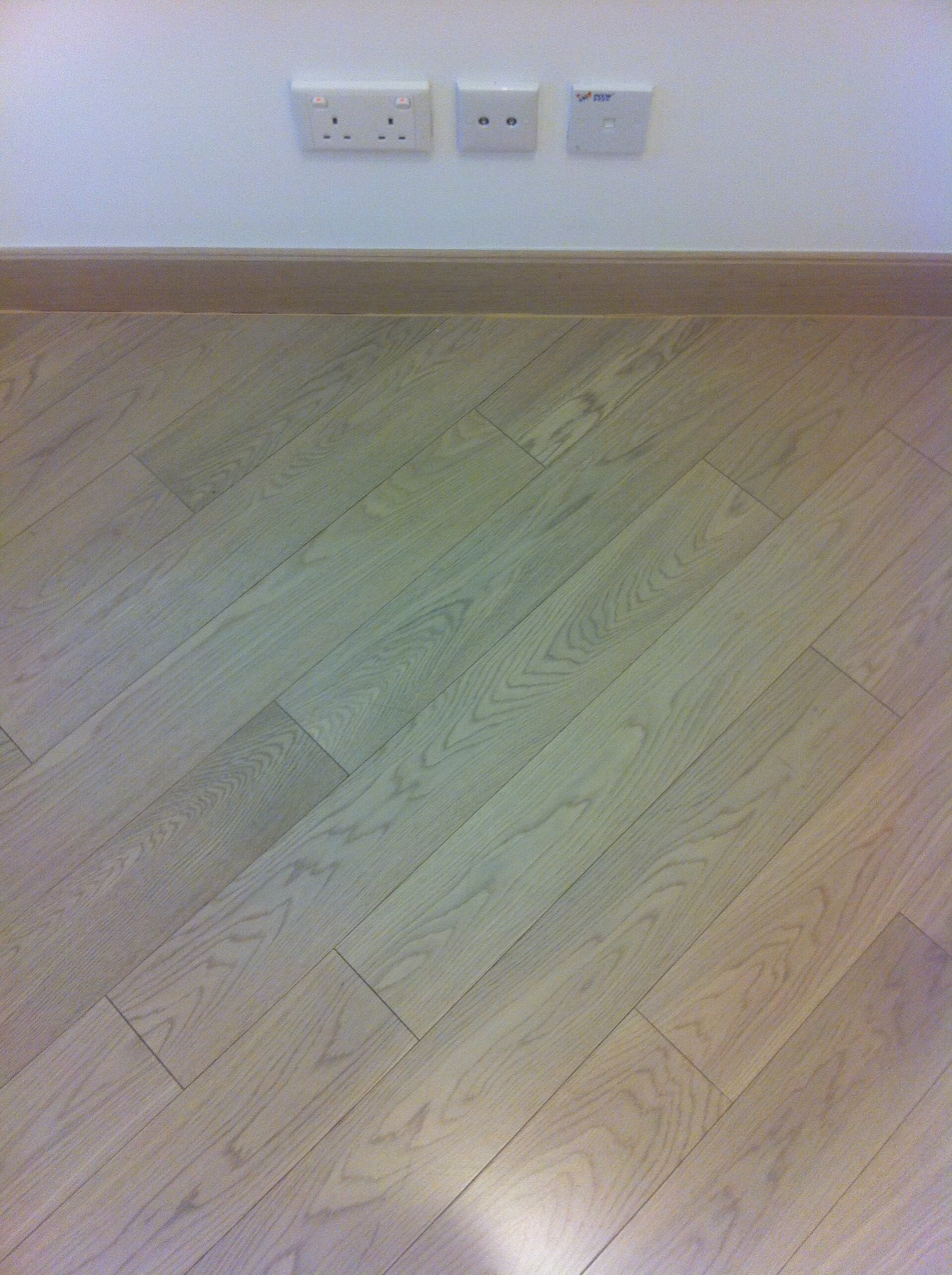
For visual reference, this is what a modern engineered oak floor looks like in a finished space:
Smart testing: samples and small installs
Before committing to a full house, order samples in both solid and engineered versions of the look you like, then:
- Lay them on your actual subfloor where sunlight and traffic hit hardest.
- Live with them for a couple of weeks—track dents, scratches, and how the color reads morning vs evening.
- If you’re a small reseller, consider a micro-install (entryway or small office) to see customer reactions and cleaning realities before you stock a line.
Where to Look Online: Brand Sites, Flooring Marketplaces, and DHgate
Once you know which specs you’re aiming for—say, “engineered, rustic-grade oak, 7” wide, matte finish over a slab”—you’re ready to shop channels.
- U.S. flooring brands and retailers – Big-name hardwood and engineered brands, plus national home centers, carry structured lines of rustic solid and engineered products with documented specs. Many follow the kind of guidance outlined by Flooring Institute and other industry bodies about matching subfloor, humidity, and width.Source
- Reclaimed and rustic specialists – Companies focused on barnwood and reclaimed beams lean into heavy character: nail holes, saw marks, mixed species. Their solid wide planks can be stunning but demand a stable environment and often professional installation.Source
- Large general marketplaces – Amazon, home-focused marketplaces, and similar platforms blend brand-name flooring with private-label offerings. You’ll see a mix of solid, engineered, and lookalike products (including laminates and LVP marketed with rustic visuals); spec sheets here matter more than marketing photos.
For additional DHgate platform context, use Find trusted sellers on DHgate, and Review the DHgate order-readiness checklist.
For a deeper look at how DHgate operates as a marketplace overall, including account setup and general buyer steps, see What DHgate is and how the marketplace works.