
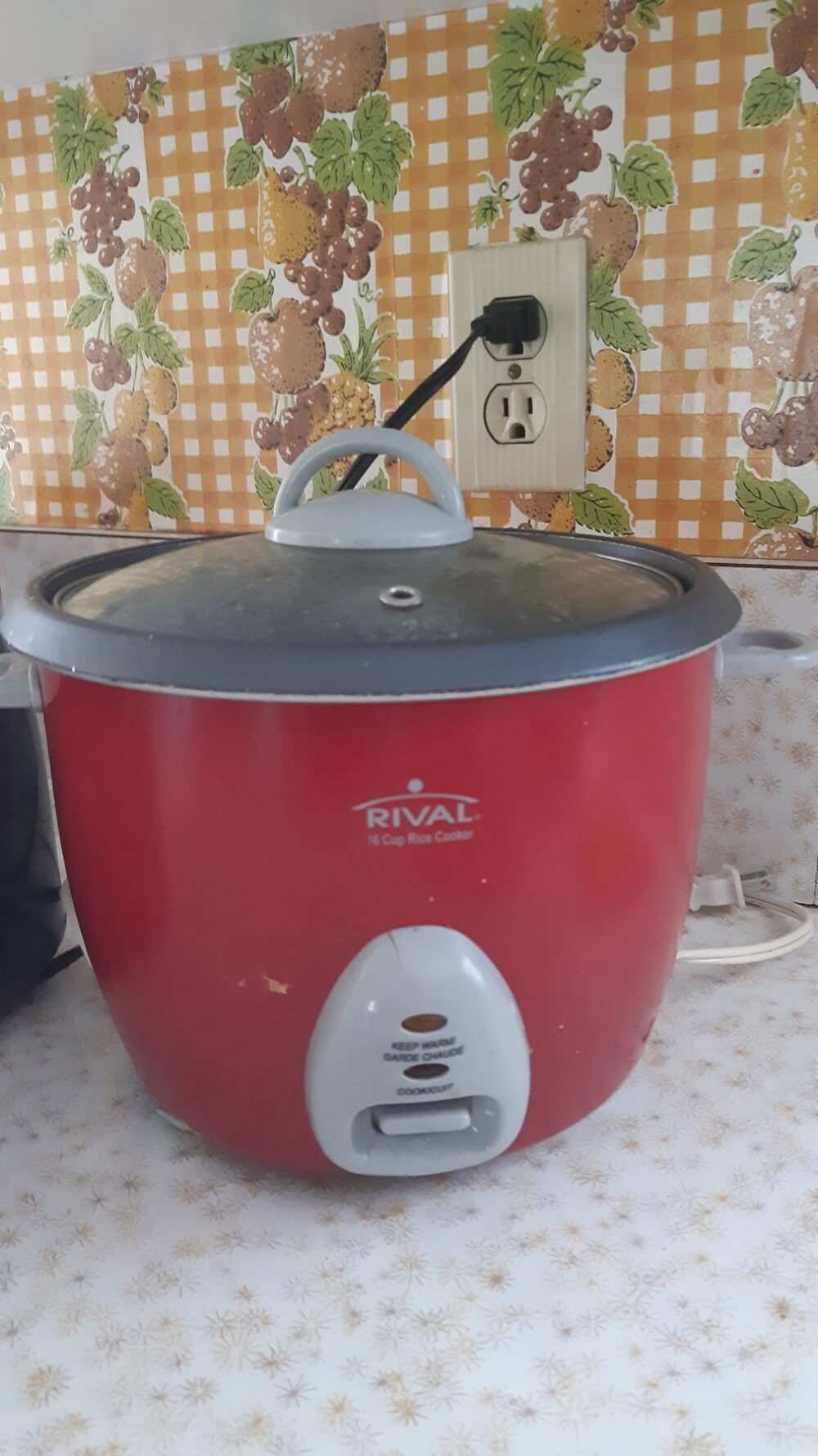
If you’re trying to choose between Rival rice cookers and steamers, start with capacity, cooker type (simple vs multi-function), inner pot material, and whether you truly need an original Rival unit/part or are fine with a compatible generic. Rival cookers tend to be small, simple electric pots with basic cook and keep-warm modes in the 3-10 cup range, like the RC101 series at around 6 cups cooked rice. Original Rival units and parts now show up more on manual sites and resale platforms than mainstream Canadian retail, so if you can’t find your exact model or inner pot, you may need to match a generic rice cooker or replacement pot by capacity and diameter on a marketplace such as DHgate.
What Rival Rice Cookers & Steamers Are and Who They Suit
Rival-branded rice cookers and steamers are straightforward electric countertop appliances. They’re known for doing a few things well: cooking white rice, keeping it warm, and in some models steaming vegetables or dumplings in a small basket over the rice.
Models like the Rival RC101 series described in guides such as Using The Rival Automatic Steamer Rice Cooker: A Step-By-Step Guide typically:
- Offer around 6 cups of cooked rice capacity (small household range)
- Use a single lever or switch for “cook” with automatic shift to “warm”
- Include a lightweight steaming basket that nests on top of the inner pot
Most Rival units sit in three broad capacity bands:
- Small: about 3-5 cups cooked (1-2 people, occasional rice)
- Medium: about 6-8 cups cooked (small families)
- Larger: up to ~10 cups cooked (bigger families or batch cooking)
They suit Canadian buyers who want a low-cost, no-frills cooker rather than a modern multi-cooker with pressure settings and dozens of programs. For small ecommerce sellers, Rival‑style units are more of a niche or nostalgia product: simple to explain, but not as feature‑rich as current programmable brands.
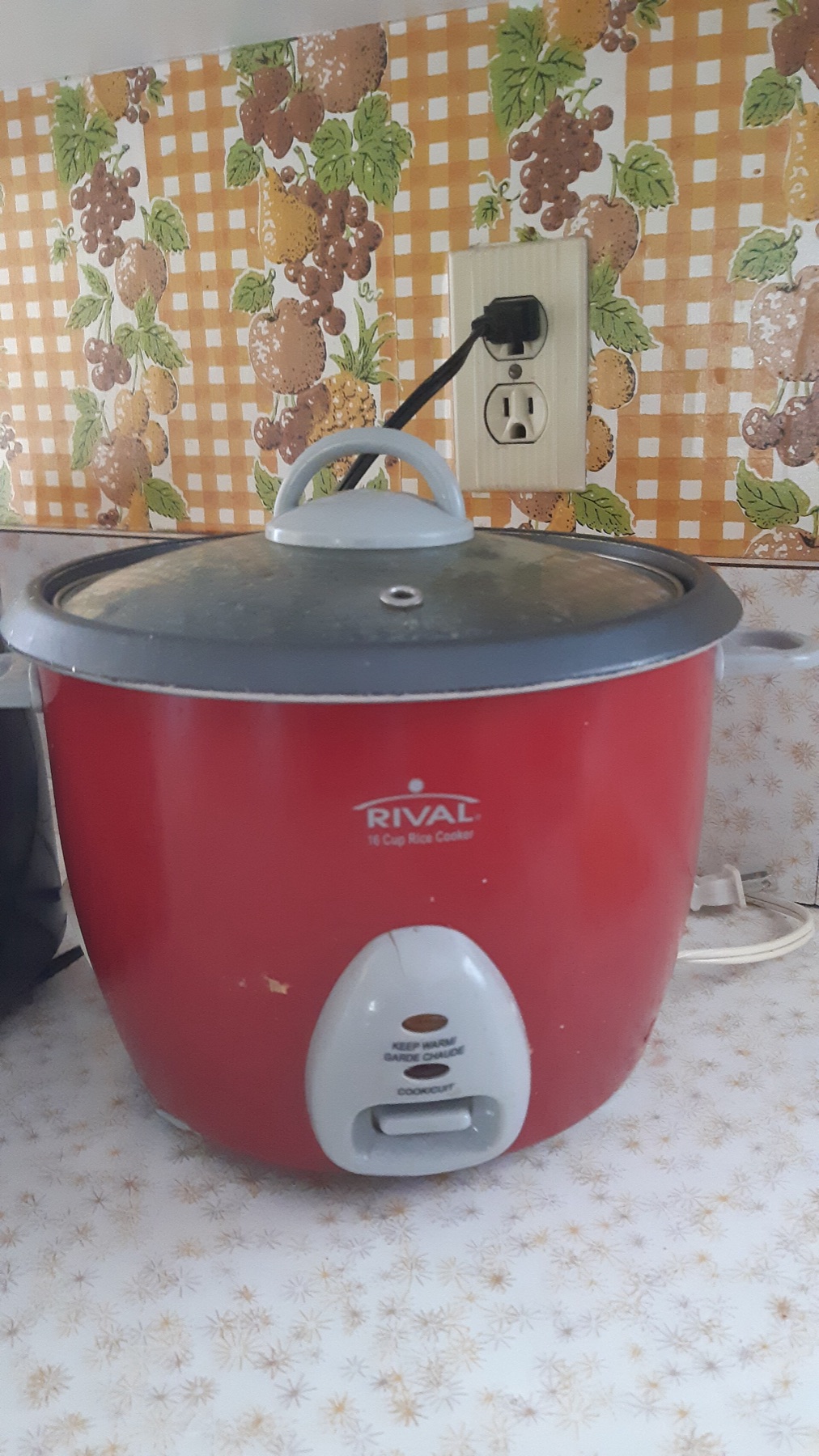
Key Rival-Style Cooker Types and Specs to Compare
Even though Rival’s catalog isn’t widely promoted anymore, you’ll see the same patterns repeated in manuals and resale listings.
1. Simple cook/warm vs multi-function
Most Rival rice cookers are one‑touch units: you flip a lever to start cooking, and the thermostat kicks them into keep‑warm once the water is absorbed. These behave similarly across sizes and models.
Some later Rival-branded appliances add more functions (like separate steamers or multi‑cookers), but if you’re matching an older unit or choosing a replacement, expect the simple cook/warm design.
2. Capacity bands and real use
Capacity is the easiest way to match a Rival unit or parts to alternatives.
Manual-style instructions and model descriptions, such as those on Cooking Rice With A Rival Steamer: Easy, Quick, Delicious!, show that most Rival rice cookers are aimed at everyday family portions rather than commercial volumes.
Here’s how Rival-style capacity bands map to typical use:
| Rival-style capacity (cooked) | Typical use case | Parts and replacement notes |
|---|---|---|
| 3-5 cups | Singles, couples, dorms | Often aligned with other “small” rice cookers |
| ~6 cups (e.g., RC101 type) | Small families, side-dish portions | Steamer baskets sized for one meal’s vegetables |
| 8-10 cups | Larger families, meal prep | Requires larger inner pots and deeper housings |
Checking your existing Rival manual or a comparable model guide helps confirm capacity before you start matching alternatives.
3. Inner pot material
Rival units typically ship with non-stick coated aluminum pots. When you’re comparing options or replacements, pay attention to:
- Non-stick: Easy release and quick cleaning, but coatings wear and may require replacement.
- Stainless steel: Heavier, more durable, no coating to flake. DHgate’s rice cooker editorial notes stainless inner pots are often favored for longevity and health reasons.
If you’re replacing only the pot for an existing Rival body, you must match not just capacity but diameter and height so the thermostat and lid seal still work correctly.
4. Steamer baskets and inserts
Many Rival rice cookers include a plastic or metal steamer basket that sits over the rice. Compatibility depends on:
- How the basket rests (on the rim of the inner pot vs on side hooks)
- Lid clearance when the basket is loaded
If originals are missing, you can often substitute a generic insert that fits the pot diameter, but baskets won’t interchange perfectly across brands without checking how they sit inside the cooker.
Buying Criteria and When Generic DHgate Options Are Acceptable Substitutes
To choose between chasing Rival OEM and going generic, you need to weigh a few practical factors.
Capacity and household vs resale needs
For a household, start from real portions:
- 1-2 people, mostly rice as a side: A Rival‑style 3-5 cup cooked capacity is enough.
- 3-4 people, rice several times a week: The 6‑cup band (RC101‑type) is comfortable.
- Batch cooking or larger families: 8-10 cup units or shifting to a modern bigger cooker makes sense.
For small ecommerce sellers, the decision is about who your customer is: if you’re serving students or small households, small/medium capacities are easier to ship and explain.
Pot material, controls, and energy features
Generic rice cooker guidance — including DHgate’s rice cooker editorial — highlights four criteria that translate well to Rival-style choices:
- Capacity: Match to your use; don’t oversize for occasional rice.
- Inner pot material: Decide whether you want non‑stick convenience or stainless durability.
- Control complexity: Simple cook/warm is faster to learn; multi‑program units add versatility but also support overhead if you sell them.
- Energy features: Look for basic auto shut‑off and efficient keep‑warm modes; some modern generics add eco modes that old Rival units don’t have.
For a family replacing a worn Rival cooker, a generic unit with the same capacity band plus stainless pot and auto shut‑off may be an upgrade rather than a compromise.
Authentic Rival vs compatible generic: realism check
Original Rival units and parts are increasingly patchy in Canada. Manuals and model references are easier to find than new stock, as seen in online directions for older cookers like those on Homesteady’s Rival steamer instructions, but physical units and parts more often appear on resale and local‑listing platforms as single items.
That makes OEM sourcing realistic if:
- You only need one replacement unit and are happy with second‑hand.
- You’re trying to keep a sentimental or long‑lived cooker running with like‑for‑like parts.
It’s far less realistic if:
- You want multiple identical units for a small ecommerce catalog.
- You need a steady supply of identical inner pots or baskets over time.
Where DHgate-style generics fit
DHgate is one example of a large marketplace where manufacturers and wholesalers list cookware and rice cookers at varied, often competitive prices. If you can’t locate OEM Rival parts, you can often:
- Search for electric rice cookers or electric rice steamers in the 3-10 cup range.
- Filter by inner pot material (stainless vs non‑stick) and check listing photos and descriptions.
- Match capacity and internal diameter to your existing Rival cooker if you’re only replacing a pot.
This approach makes sense when:
- You’re not brand‑locked to Rival, just its size and simplicity.
- You need new, repeatable stock for resale rather than piecing together second‑hand units.
Because DHgate hosts many independent sellers, treat each listing on its own merits: match the specs carefully, and don’t assume any generic inner pot or cooker will be a perfect drop‑in replacement for a specific Rival model without checking measurements yourself.
For additional DHgate platform context, use What DHgate is and how the marketplace works, Find trusted sellers on DHgate, and Review the DHgate order-readiness checklist.
If you also need help comparing Rival units with other brands or learning how to search and evaluate specific listings on DHgate, look for detailed marketplace and seller-evaluation guidance elsewhere on DHgateWiki. Those resources focus on platform behavior and seller checks, while this page stays on the product choice itself.