
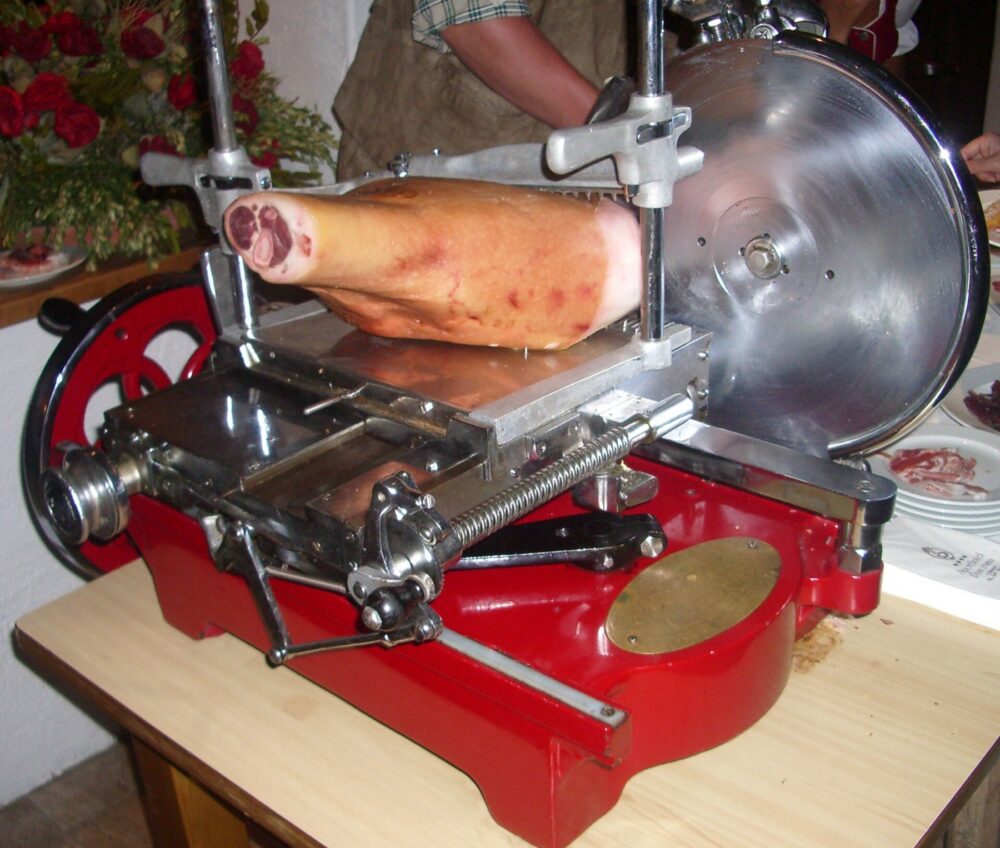
If you want a Rival meat slicer back in working order, start by identifying your exact model, then matching the part type and dimensions before you shop anywhere. Vintage home units like the Rival 1042, 1030, and 1101 often need new blades, thickness adjuster knobs, motors, or small retainers as they age, and those pieces are not interchangeable between models.Source Once you know precisely what you need, you can compare options across resale platforms like eBay, specialist Rival parts sites, and generic marketplaces such as DHgate, which tend to focus on universal blades and hardware rather than Rival-branded spares.
What counts as a Rival meat slicer “part” or accessory?
For Rival’s fold‑up and tabletop slicers, “parts” usually means pieces that keep the machine running or safe to use, while “accessories” are add‑ons that change how you slice.
Common replacement parts on models like the 1042W, 1030-7, and 1101E include:
- Circular blade – the main stainless disc that does the cutting. On resale sites, you’ll see listings like “Rival 1030-7 blade” or “Rival 1042 blade only,” showing that blades are model‑specific.
- Motor assemblies – especially for the 1101 series, there are listings just for the motor block (e.g., “Rival 1101E motor only”). If a motor burns out, you need the same series and voltage.
- Thickness guide/adjuster knobs – plastic or metal knobs with internal screws that control slice thickness. eBay has examples labeled “Rival 1101E meat thickness guide adjuster knob & screws,” which helps you learn the exact part name and function.
- Small retainers and fasteners – clips that hold the carriage, blade cover, or food pusher in place. These are often what breaks on older “vintage” Rival units discussed by repair forums.
Accessories, meanwhile, are more flexible:
- Extra blades with different serration patterns for bread vs. meat.
- Food pushers and trays to better handle cheese, deli meats, or small roasts.
- Guards or covers that improve safety or reduce mess.
Because Rival no longer actively promotes these models, modern parts shopping means using manuals and resale listings to understand the original part layout. User manuals archived online for Rival kitchen utensils, such as the 1060‑C and similar slicers, show exploded diagrams with part names and positions. That’s your map for figuring out whether you need a blade, a knob, or a guard before you go hunting for a listing.
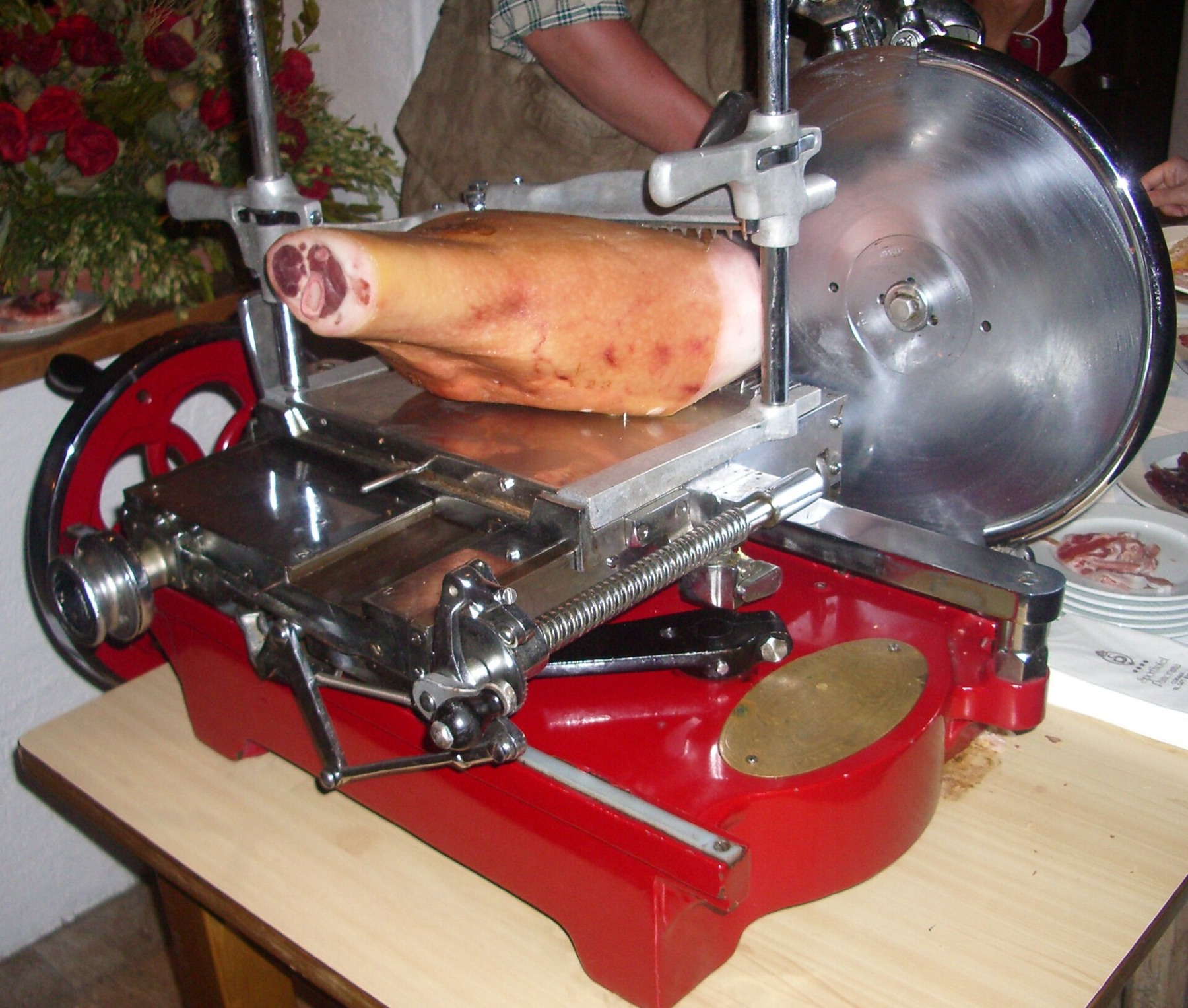
Matching Rival parts to your slicer model and specs
Getting the right part is mostly about fit. Here’s a practical workflow that works for both one‑off home repairs and small ecommerce sellers trying to stock compatible components.
1. Lock in your exact Rival model ID
Look for the label under the base or on the side of the slicer. Common examples you’ll see in resale listings include:
- Rival 1042 / 1042W fold‑up food slicer
- Rival 1030-7 tabletop meat slicer
- Rival 1101E series electric food slicer
Once you have that code, search it together with the word “manual” or “user guide” – archived manuals, like the Rival 1060‑C documentation on Manuzoid, will show similar layouts and terminology even if they’re not your exact model.
2. Use resale listings to learn part names and dimensions
Resale platforms such as eBay tend to list Rival components by model and part type. Browsing the Rival category on eBay Canada, for example, you’ll see patterns like:
| Example listing phrase | What it tells you |
|---|---|
| “Rival 1030-7 blade” | Separate blade; 1030-7 has a unique size. |
| “Rival 1101E motor replacement part” | Motor is removable and sold as a module. |
| “Rival 1101E meat thickness guide adjuster knob” | Official name of the thickness control part. |
| “Vintage Rival 1042 fold-up food slicer blade only” | 1042 fold‑up uses a distinct blade profile. |
Even if you don’t buy from that listing, note how the seller describes the part. That phrase is useful search language when you look at other channels or generic components.
3. Decide if you need OEM or if generic will work
Not every part has to be Rival‑branded:
- Blades and knobs: If you can match diameter, mounting hole pattern, and shaft type, a generic stainless blade or a compatible knob can often substitute. Independent guides for Rival slicers emphasize durability, functionality, cleaning ease, and the ability to get replacements as key buying criteria.Source A good generic blade that meets those specs can be acceptable if you’re comfortable testing fit.
- Motors and structural parts: These are more sensitive. Motor power, voltage, and mounting points are very specific on the 1101 series and similar units; generic motors risk poor performance or unsafe operation. Treat motors, housings, and key safety guards as exact-match parts only unless you have engineering documentation.
For small ecommerce sellers, this rough rule works:
- Stock universal blades, knobs, and fasteners that match Rival dimensions and are clearly listed as “compatible with” rather than “Rival OEM.”
- Leave motors and major structural components to specialist or resale channels where the part history is clear.
4. Cross‑check dimensions before buying generic
Before you jump to a generic source, measure:
- Blade diameter and thickness, and count/inspect mounting holes.
- Shaft diameter and thread type for knobs/adjusters.
- Distance between mounting points on guards or retainers.
Use those values along with your model ID in searches. If a listing doesn’t publish measurements, treat it as a poor match for vintage Rival repair work.
Comparing DHgate to eBay and specialist sites for Rival-compatible parts
Once you know your part type and specs, the sourcing question is: where is the best chance of getting something that actually fits? For Rival slicers, that often means balancing availability and precision.
Specialist parts sites such as rivalparts.meatslicersi.com and replacement-parts.meatslicersi.com focus specifically on Rival‑branded slicers and components. Their catalogs are organised by model number, making them strong candidates for:
- OEM blades and motors for 1030-7, 1042, 1101E‑series and related models.
- Hard‑to‑find pieces like retainer clips or housings that rarely appear as standalone items elsewhere.
Resale marketplaces like eBay’s Rival slicer category are useful in two ways:
- They surface used OEM parts pulled from working or donor machines.
- Their listing titles and descriptions help you verify part names, series codes, and layouts, even when you ultimately buy elsewhere.
DHgate sits in a different slot. Its own editorial material describes the marketplace as a broad source for kitchen tools like bread cutters and slicers, highlighting variety, pricing, and user reviews. For Rival owners, that makes DHgate more relevant for:
- Generic blades of a given diameter and mounting pattern, potentially compatible with older Rival units.
- Universal knobs, screws, and small hardware that can replace worn adjusters or retainers if you carefully match dimensions.
It is less suited for:
- Hunting a “Rival 1101E motor” or a named OEM blade specific to a vintage fold‑up model.
- Situations where you must prove exact brand provenance for a repair.
Practical sourcing pattern for Canadian buyers and small resellers
A simple, low‑risk sequence looks like this:
- Use manuals and eBay listing language to pin down your precise part name and model.
- Check Rival‑focused parts sites first for any OEM or labelled compatible component.
- If nothing shows up or cost is prohibitive, test generic options on broader marketplaces, including DHgate, but only where dimensions and mounting style are clearly published.
If you’re planning to resell, keep your catalog honest: advertise parts as “Rival‑compatible” only where you’ve verified fit on specific models, and keep OEM from resale or specialist sites separate from generic inventory.
For more background on how DHgate operates as a marketplace before you involve it in a parts search, see What DHgate is and how the marketplace works. If you do end up sourcing generic components there, the checklist in Find trusted sellers on DHgate and the DHgate order-readiness guide can help you pressure‑test individual listings rather than relying on brand names alone.