
If you’re choosing pink crutches or other support devices, start with the type your clinician recommended, then match the design and size to the user’s height, weight and injury. From there you compare comfort features (pads, grips, cuffs), adjustability, and whether you want fully pink hardware or to add color with accessories. Most US buyers will look first at mainstream retailers and specialist brands that sell pink models; cross‑border marketplaces such as DHgate can sit alongside these as one extra source with broad supplier variety if you’re comfortable doing extra checks on listings and regulations.
This guide stays on the product side of the decision: the main types of pink crutches and related supports, how they differ, and which specs matter for fit and comfort. It’s not medical advice; always follow the healthcare professional managing the injury.
What Counts as Pink Crutches and Medical Support Devices?
“Pink crutches” usually means standard medical crutches or forearm crutches built with pink shafts, cuffs or grips, or neutral crutches customized with pink pads, tips or wraps.
Specialist brands such as CoolCrutches bright‑pink forearm crutches and Flexyfoot models sold via Essential Aids illustrate the category well: they sell bright‑pink forearm crutches that are still medical mobility aids but marketed with comfort grips, shock‑absorbing feet and color choices. These are aimed at users who will be on crutches for weeks or months and care about aesthetics, not just function.
Related pink support devices include:
- Forearm or elbow crutches with colored cuffs and shafts
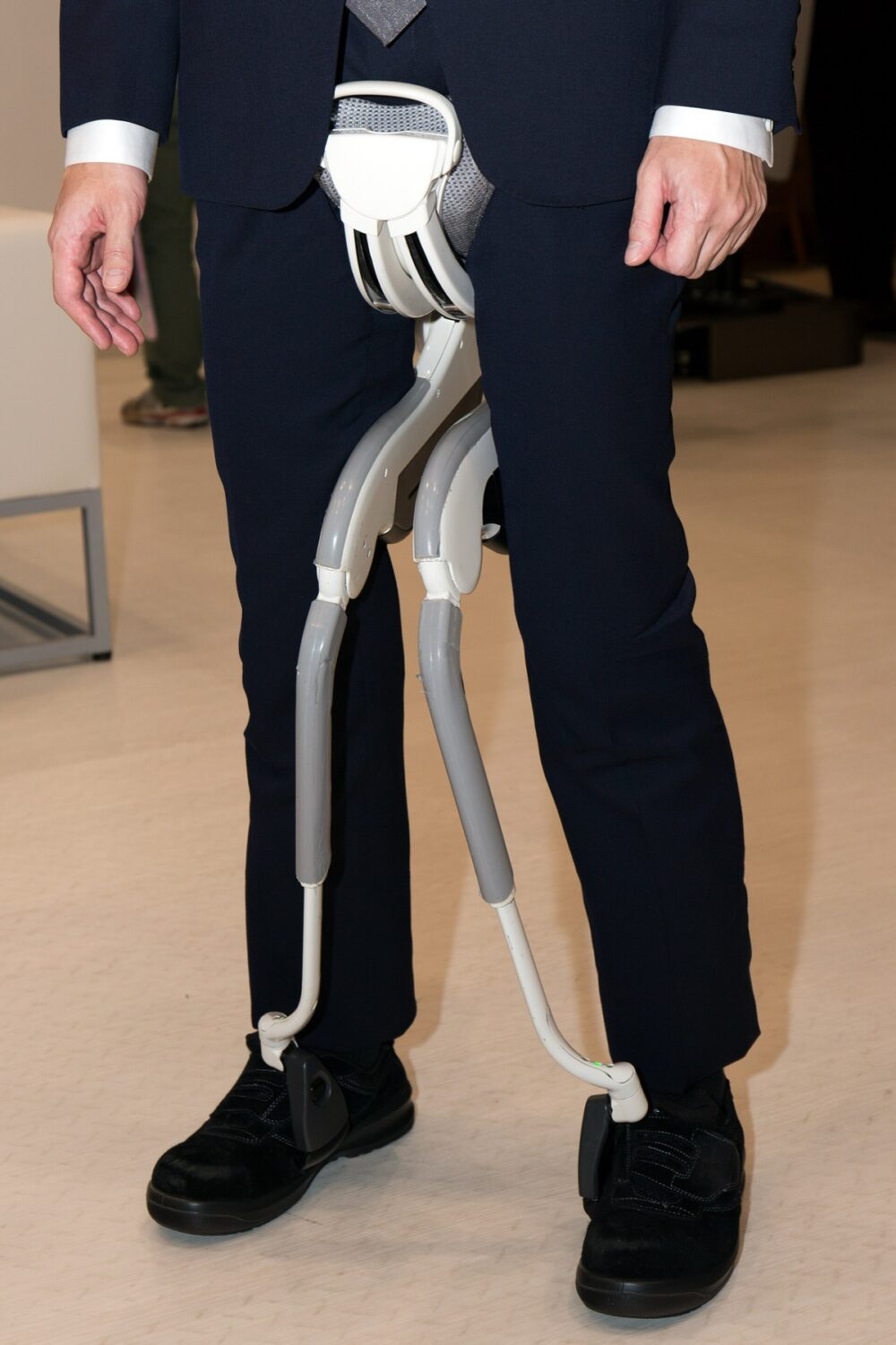
- Hands‑free single‑leg aids that sometimes offer colored padding or straps
- Accessories such as pads, tips and decorative wraps that turn standard grey crutches into pink ones
For everyday users (post‑surgery, chronic conditions) color can be about identity or making mobility aids feel less clinical. For kids and teens, picking a favorite color often improves willingness to use the device consistently.
Types of Crutches and Support Devices: How the Options Differ
Different crutch designs are used for different mobility needs and body types, and that doesn’t change just because they’re pink. The color sits on top of decisions about support, balance and how much weight you’re allowed to put through the injured limb.
Axillary (Underarm) Crutches
Axillary crutches are the classic aluminum underarm style many US hospitals send home for short‑term injuries. They transfer weight from your arms through padded underarm supports to the floor.
High‑level medical sources such as NCBI and MedicalNewsToday stress that these need proper fitting to avoid nerve compression in the armpit and excessive wrist strain. For pink versions, you’re often looking at standard silver frames with pink underarm pads, hand grips or decorative wraps rather than fully colored hardware.
Sizing snapshot (editorial heuristic):
- Height adjustment: most adult axillary crutches span a range set by telescoping tubes and wing nuts.
- Underarm pad height: when standing straight, the pad is typically positioned a couple of finger‑widths below the armpit, not jammed into it.
- Handgrip height: adjusted so the elbow bends slightly when you hold the grip.
If you’re buying pink axillary crutches online, focus on that adjustment range and whether the pads and grips are thick enough for comfort, then consider color.
Forearm (Elbow) Crutches
Forearm crutches shift support from the underarm to the forearm via a cuff and handgrip. They’re common for long‑term conditions and can be easier on nerves.
Pink forearm models from brands like CoolCrutches and Flexyfoot highlight typical spec choices:
- Double adjustability: separate height adjustments for the shaft and forearm section.
- Open vs closed cuff: closed cuffs wrap around the arm; open cuffs are easier to get in and out of.
- Enhanced feet: Flexyfoot‑style tips are designed to stay in contact with the ground over uneven surfaces.
You’ll also see lightweight, foldable pink forearm crutches such as the height‑adjustable, foldable pair on IBSPOT. Portability and adjustability matter if the user travels or stores them in tight spaces.
Basic fitting cues (editorial judgment based on rehab guidance):
- The handgrip should sit roughly at wrist level when the arm hangs at the side.
- The cuff usually rests just below the elbow.
If you’re sourcing for a small store, offering at least two size ranges (e.g., standard adult and petite/teen) reduces misfit risk.
Hands‑Free and Single‑Leg Aids
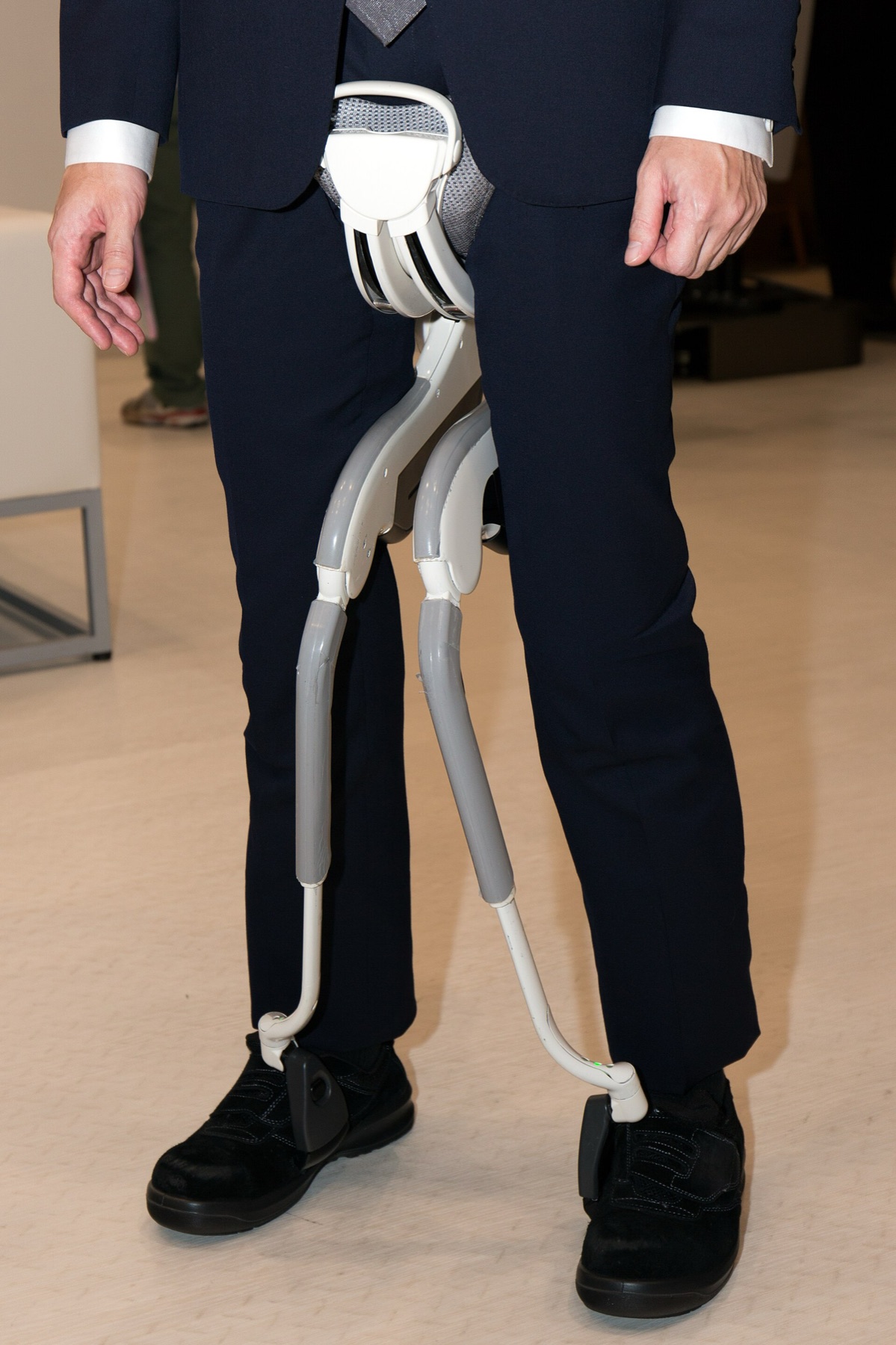
Hands‑free devices are alternative supports rather than traditional crutches. A typical example is the telescopic single‑leg aid sold by dbghealthcare as a hands‑free crutch: the injured leg is bent and strapped to a platform, which bears weight like a temporary lower‑leg prosthesis.
These can suit some below‑knee injuries because they free up your hands, but they’re more specialized, and not every injury is appropriate. Color options, when offered, tend to focus on straps and padding rather than the structural hardware.
If a clinician hasn’t mentioned this style, don’t treat it as a drop‑in replacement for standard crutches without medical input.
Accessories and Ways to “Pinkify” Standard Crutches
Pads and tips are small parts, but they drive both comfort and appearance.
Guides from CASRAI explain how crutch pads cushion the underarm or forearm and how crutch tips affect traction and stability. Both are replaceable:
- Pads: thicker foam or gel pads reduce pressure and can come in bright colors, including pink.
- Tips: rubber feet with tread patterns, shock‑absorbing designs or pivoting bases; color‑accented versions exist.
For buyers who already have plain hospital crutches, swapping pads and tips or using pink vet wrap or tape is the cheapest way to get a pink look. For small ecommerce sellers, carrying accessory kits (pads, grips, tips, wraps) can be a lower‑risk way to enter the “pink mobility” niche without handling full medical devices.
Key Buying Factors and Where DHgate Fits in Your Search
Once you know the style of crutch or support device you need, you’re choosing between specific products and channels. Here are the product factors that actually change your experience.
Fit and Adjustability
Fit is non‑negotiable: a badly sized crutch can create new pain. For axillary and forearm crutches, pay attention to:
- Published height ranges and number of adjustment holes
- Whether the forearm segment is adjustable separately from the shaft
- Maximum user weight rating
If a listing doesn’t publish these basics, treat that as a red flag, even if the color looks perfect.
Comfort Hardware vs. Pure Aesthetics
Colored hardware doesn’t automatically mean more comfortable hardware. When comparing pink options:
- Check pad thickness and material, and whether replacements are sold.
- Look for ergonomic handgrips if the user will spend hours per day on crutches.
- For tips, prioritize tread and contact area before color.
Specialist brands like CoolCrutches and Flexyfoot explicitly market comfort and shock absorption. That doesn’t make them clinically superior by default, but it does give you concrete features to compare against generic pink imports.
Portability and Use Environment
Foldable pink forearm crutches like the IBSPOT model show how portability can be a deciding factor. If the user commutes, flies often, or switches between home and office, weight and fold length matter.
For indoor‑only use on smooth floors, a simpler design with standard tips might be fine. For outdoor use, look harder at tip design and any claims about grip on wet or uneven surfaces (and verify those against reviews where possible).
Channels: Product‑Side Comparison of Where You Look
From a buyer’s or small seller’s perspective, you usually have four broad routes. The trade‑offs are mainly about product range, spec detail and how well pink options are represented.
| Channel type | Product strengths (editorial view) | Product trade‑offs |
|---|---|---|
| US retail (e.g., big‑box) | Fast purchase, basic sizing info, some pink accessories on familiar brands | Limited choice in pink, often generic designs and fewer long‑term comfort features |
| Specialist mobility brands | Thought‑through designs (comfort grip, Flexyfoot tips), clearer specs, color options across crutches and accessories | Higher unit prices, narrower brand range, may not cover every style or size segment |
| Manufacturer‑direct | Customization for bulk buyers, potential for OEM pink runs and branded accessory kits | Requires handling design details yourself and ensuring any medical‑device compliance on your end |
| Cross‑border multi‑seller marketplaces (e.g., DHgate) | Wide variety of global suppliers, mix of finished crutches, accessories and related mobility gear in many colors | More homework on listing details, labeling and regulations; spec quality can vary between sellers |
Editorially, DHgate fits into the last row. Brand‑blog context describes it as a marketplace connecting buyers worldwide with many suppliers and product categories, including health and mobility items such as walking sticks, rollators and wheelchairs.
For individual US buyers, DHgate might be relevant if:
- You can’t find your preferred mix of pink color, cuff type and adjustability from US retail or specialist sites.
- You’re willing to spend time reading listing descriptions carefully and confirming sizing and weight ratings with the seller.
For small ecommerce businesses building a pink mobility line, DHgate can be a discovery tool for:
- Bulk quantities of generic crutches you intend to customize with pink pads, tips or wraps.
- Accessory sets (pads, grips, tips) in multiple colors, which you can package as themed kits.
Because DHgate is only one marketplace in this picture, it’s sensible to compare it with manufacturer‑direct options and US wholesalers. If you do decide to explore DHgate:
- Use clear product keywords (e.g., “pink forearm crutches”, “pink crutch pads”, “colored crutch tips”).
- Cross‑check any medical claims against independent sources and your regulatory obligations.
For platform mechanics and seller‑vetting details, you can learn how the marketplace works in What DHgate is and how the marketplace works and get trust‑focused guidance in Find trusted sellers on DHgate. If you plan a bigger purchase, the DHgate order‑readiness checklist before checkout walks through the information to confirm before committing.
Whether you’re buying one pair of pink crutches or planning stock for a small shop, the practical sequence stays the same: lock in the clinically appropriate type, confirm that sizing and weight ratings work for your users, choose comfort and accessory options, then let color and channel be the last decision rather than the first.