
If you’re choosing mother of pearl opera glasses or antique binoculars, start by deciding whether you need a true antique collectible or a modern decorative/functional piece. Opera glasses are low‑power binoculars (usually around 3× and generally under 5× magnification) designed for theater use, while antique binoculars were built for broader viewing. Genuine 19th–early 20th century mother of pearl opera glasses are collectible and typically sourced through antique‑focused platforms like Etsy or eBay, whereas DHgate is better treated as a source of modern vintage‑style or decorative inventory rather than certified antiques.
Once you’re clear on that distinction, you can match magnification, materials, and condition to your actual use case: collecting, gifting, theater use, or small‑business resale.
What Counts as Mother of Pearl Opera Glasses and Antique Binoculars?
Opera glasses are compact, low‑power binoculars intended to bring a stage or performance slightly closer without the tunnel‑vision of high‑power field glasses. Specialist references describe typical opera glass magnification as around 3× and generally under 5×, which keeps the field of view wide and comfortable for theater seats rather than long‑distance viewing.Historic Opera
Mother of pearl opera glasses refer to pieces that use shell inlay panels on the barrels and sometimes the bridge or handle. Shell inlay became popular from the 19th into the early 20th century, usually combined with brass or gilt metal frames for a luxurious, gift‑ready look.BestWildlifeCameras
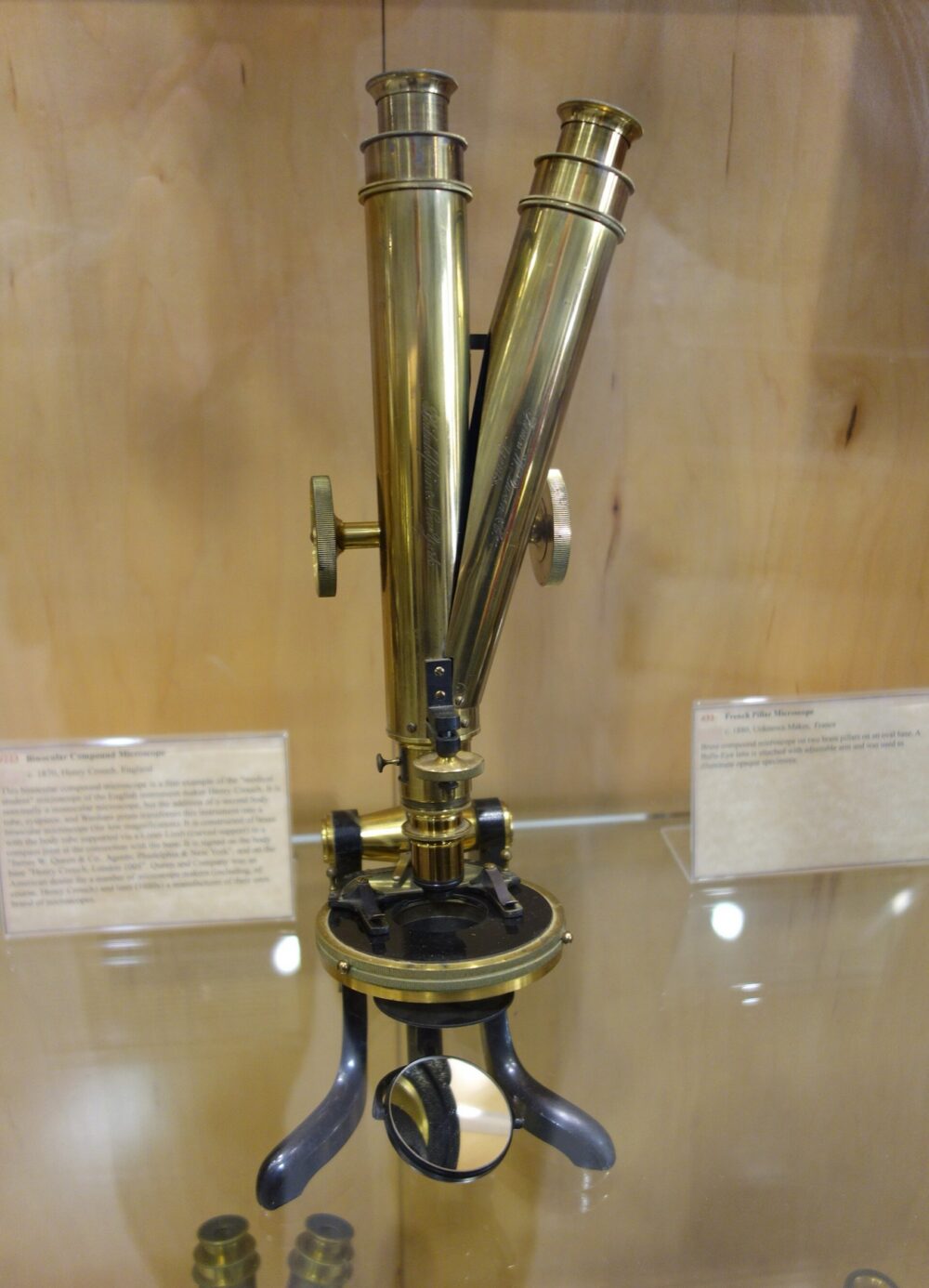
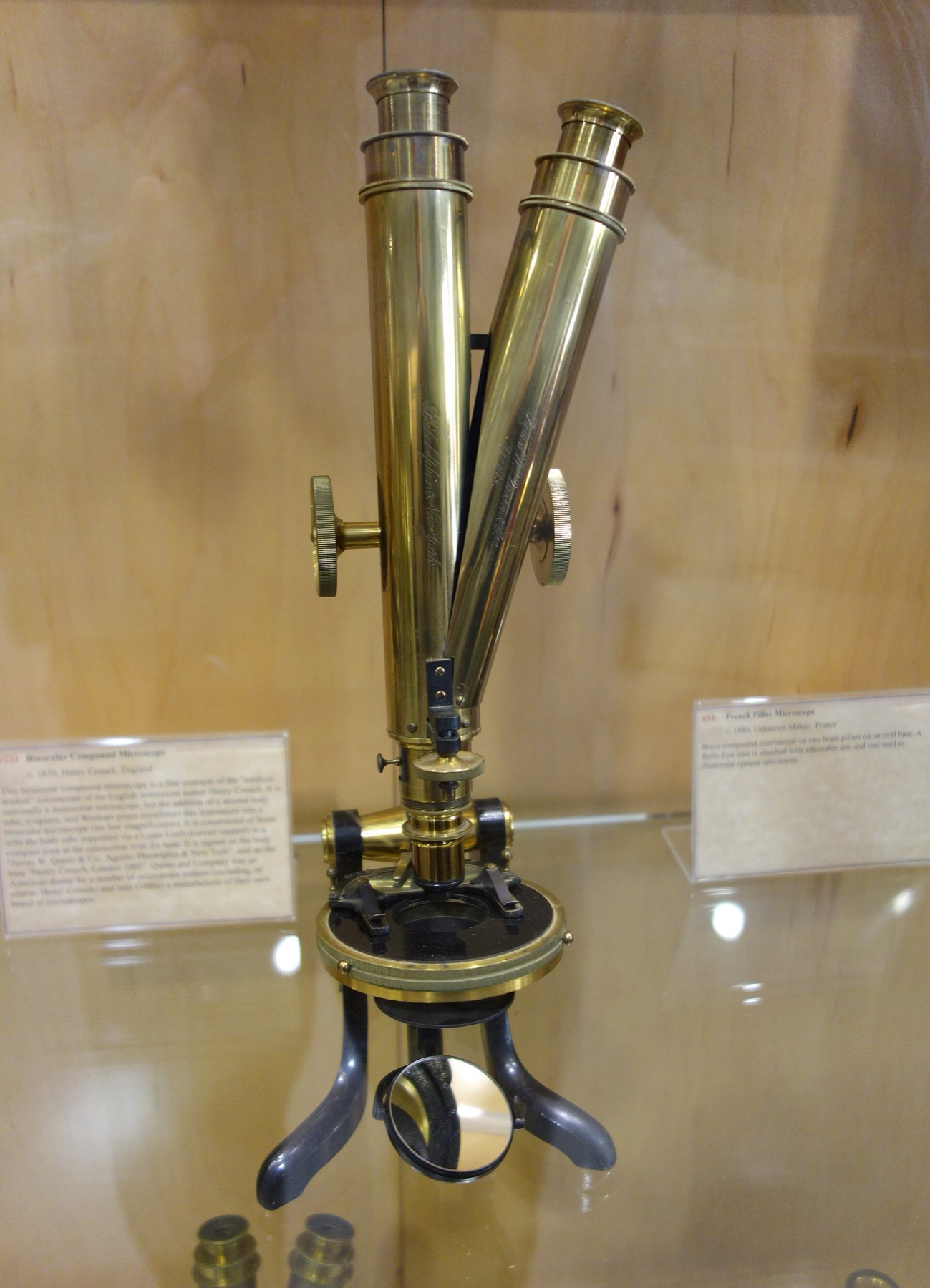
“Antique binoculars” is a broader category: field glasses and binoculars made in earlier periods for travel, military, or general outdoor use. Some are decorated with mother of pearl or other ornament; many are plain metal or leather‑covered. The key dividing line for your decision is purpose:
- If you want an elegant accessory for theater or formal events, mother of pearl opera glasses (antique or well‑made modern) are the natural choice.
- If you care more about outdoor viewing, older binoculars with higher magnification and larger objectives will usually perform better than decorative opera glasses.
Key Types, Materials, and Specs Buyers Should Compare
The biggest practical choice is between true antiques, later vintage pieces, and modern replicas styled to look antique.
Antique vs vintage vs modern
For mother of pearl opera glasses, you’ll typically see:
- Antique (roughly 19th–early 20th century): Often French or European makers, brass/gilt frames, real mother of pearl inlay. Collectors and appraisers highlight maker marks, condition, completeness (case, handle, lenses), and the quality of the shell inlay as key value drivers.Historic Opera
- Vintage (mid‑20th century through late 20th century): Still old, but usually less strictly collectible. May use real shell or decorative plastics; optics can be simpler and sometimes less refined than earlier high‑craft pieces.
- Modern vintage‑style: New opera glasses or binoculars made to evoke a historic look. As Optic Picks points out, many modern pieces use mother‑of‑pearl‑inspired finishes or simplified optics compared with historical examples, which can be fine for costume or gift use but not necessarily for serious collecting.
Materials and construction
Details that materially change both feel and value:
- Inlay material
- Real mother of pearl: Iridescent, cool to the touch, subtle color shifts. Panels often show natural variation.
- Faux or “mother‑of‑pearl effect”: Plastic or resin printed or molded to mimic shell; the pattern may repeat unnaturally.
- Frame metal
- Brass or gilt brass: Common on antiques; can show age through patina.
- Chromed or painted alloys: More common in later vintage and modern replicas.
- Optics
- Opera glasses: Around 3× magnification, relatively small objectives, focused via central wheel or bridge.
- Binoculars: Typically higher magnification and larger lenses; performance varies widely, so expect more variation.
Decorative motifs and completeness
Collectors and small resellers should also look at:
- Motifs: Hunting scenes, theater masks, floral engraving, or monograms can make pieces more distinctive.
- Handles and chains: Lorgnette handles and original chains or cases increase desirability; missing accessories reduce perceived completeness.
- Lens condition: Scratches, haze, or fungus hurt both usability and appeal.
To keep these choices straight, it helps to see them side‑by‑side:
| Type | Era / Age (general) | Mother of Pearl Treatment | Typical Use Today |
|---|---|---|---|
| Antique opera glasses | 19th–early 20th c. | Real shell inlay, brass/gilt frames | Collecting, high‑end gifts |
| Vintage opera glasses | Mid–late 20th c. | Real or faux; simpler build | Casual use, mid‑level decor |
| Modern vintage‑style glasses | Recent production | Faux or stylized shell effect | Costume, resale, theater use |
| Antique binoculars | Early–mid 20th c. | Sometimes shell, often plain metal | Collecting, display |
| Modern binoculars | Recent production | Functional coatings, rarely shell | Practical viewing |
This table is editorial judgment based on patterns described in sources like Historic Opera and BestWildlifeCameras, not a hard rule for every single listing.
How to Match Your Use Case to Platforms, Including DHgate
Once you know what you’re looking at, choose your sourcing channel based on how much you care about age and documentation versus style and quantity.
Scenario 1: Collector or serious enthusiast
If your priority is owning a genuine antique mother of pearl piece with historical interest:
- Focus on platforms where sellers emphasize age, maker, and condition: for example, the current presence of multiple antique and vintage mother of pearl opera glasses and binoculars on Etsy shows how detailed photos and descriptions are used to present such items.
- Ask for clear photos of maker marks, inlay panels, and lenses. Compare against specialist guides like Historic Opera or broader identification resources.
- Treat value as subjective: these guides talk in terms of craftsmanship, rarity, and condition rather than guaranteed investment.
DHgate is not well‑documented as a platform for verified antiques in this niche, so it’s a weaker fit if documentation and age are central to your purchase.
Scenario 2: Gift, costume, or personal theater accessory
If you mainly want something that looks beautiful in a theater box or completes a costume:
- You can be more flexible about age and prioritise style, color, and working focus.
- Modern vintage‑style opera glasses with mother‑of‑pearl‑inspired finishes and simplified optics, as discussed by Optic Picks, often meet this need well at modest cost.
- Platforms with broad modern optics and accessories catalogs, such as DHgate, can make sense for this scenario — especially if you’re open to non‑shell finishes that simply evoke the look. Because DHgate is a general marketplace documented for fashion, accessories, and optics rather than antiques, treat each listing as a new product and read descriptions carefully to see whether “mother of pearl” is real shell or just styling.
If you’re unsure how DHgate works overall, you can get a neutral overview via What DHgate is and how the marketplace works and then use the same optics‑specific criteria on any opera glass‑style listing you find.
Scenario 3: Small ecommerce business or boutique sourcing
For a small US ecommerce business or boutique, the decision is usually about balance between margin, reliability of supply, and the story you want to tell.
For additional DHgate platform context, use Find trusted sellers on DHgate, and Review the DHgate order-readiness checklist.
- Antique‑centric inventory: If you want each piece to be one‑of‑a‑kind with a story, antique or vintage mother of pearl items sourced from platforms like Etsy/eBay or specialist dealers may be better, even though stock will be limited and irregular. You’ll spend more time on individual curation and photography, but your product narrative is stronger.
- Decorative or themed inventory: If your goal is stocking multiple similar pieces that visually reference mother of pearl opera glasses (for example, as part of a theater or vintage‑Paris theme), modern replicas from broad marketplaces such as DHgate may be more scalable. In that case, you’d evaluate suppliers based on consistency of finish, functional optics, and batch availability rather than age.