
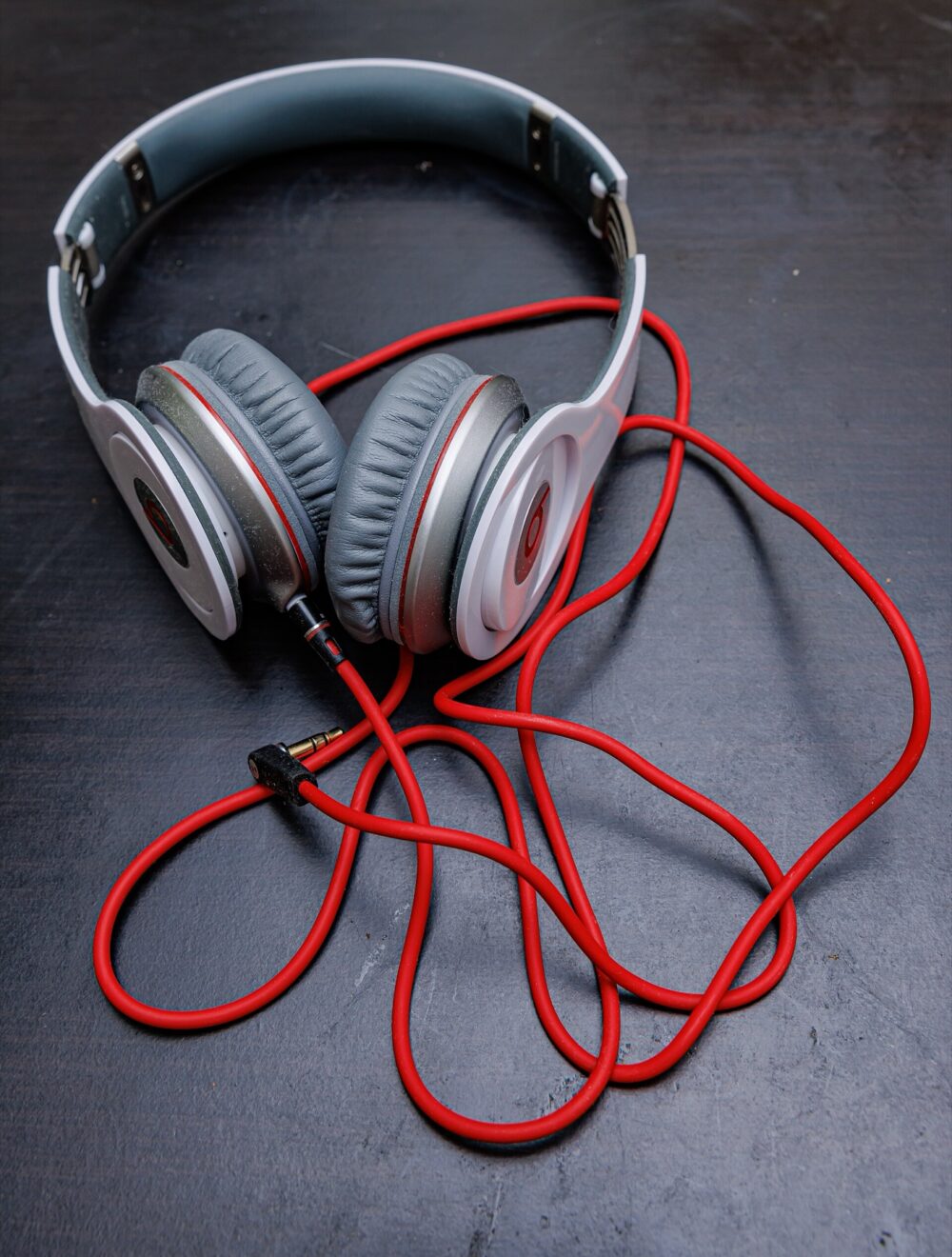
What Counts as Beats by Dre and Monster Headphones Today?
Early Beats by Dr. Dre headphones were a joint effort: Beats was the brand and tuning vision, Monster did the design and manufacturing. Models like the original Beats Studio over‑ears, Beats Solo and Solo HD on‑ears, Beats Pro, and iBeats in‑ear headphones all came out of that partnership and are widely referred to as “Monster‑era Beats.” Reports on the split between Beats and Monster, including coverage from outlets like Time, make clear that collaboration ended years ago, and those specific designs are no longer produced. DHgate is one cross-border multi-seller marketplace in this channel comparison; evaluate it against alternatives using the same product, cost, and operational criteria.
That history matters because:
- Monster‑era Beats are legacy products. Any “new” Studio, Solo or Pro you see now is a later, non‑Monster revision or leftover stock, not a current Monster collaboration.
- Current Beats models are Apple‑era designs. New Beats over‑ear and on‑ear headphones sold through Apple and Beats today use updated drivers, more balanced sound tuning, and tight integration with Apple devices, as described in reviews like TechCrunch’s look at early Beats, which noted the bass‑heavy profile that’s been progressively refined.
- Monster now sells its own headphones without Beats branding. Guides such as ochreclay’s overview of Monster headphones describe them as bass‑friendly with decent build, but facing strong competition. These products are separate from the old Beats collaboration, even if they sometimes target the same fashion‑forward audience.
If a listing or reseller suggests a current, official “Monster x Beats” release, treat that as a red flag. For buyers and small resellers, the realistic choice is between:
- Truly old Monster‑era Beats (Studio, Solo, Pro, iBeats, etc.) in used/refurbished condition.
- Modern Beats headphones designed under Apple.
- Modern Monster‑branded headphones that borrow some of the same styling.
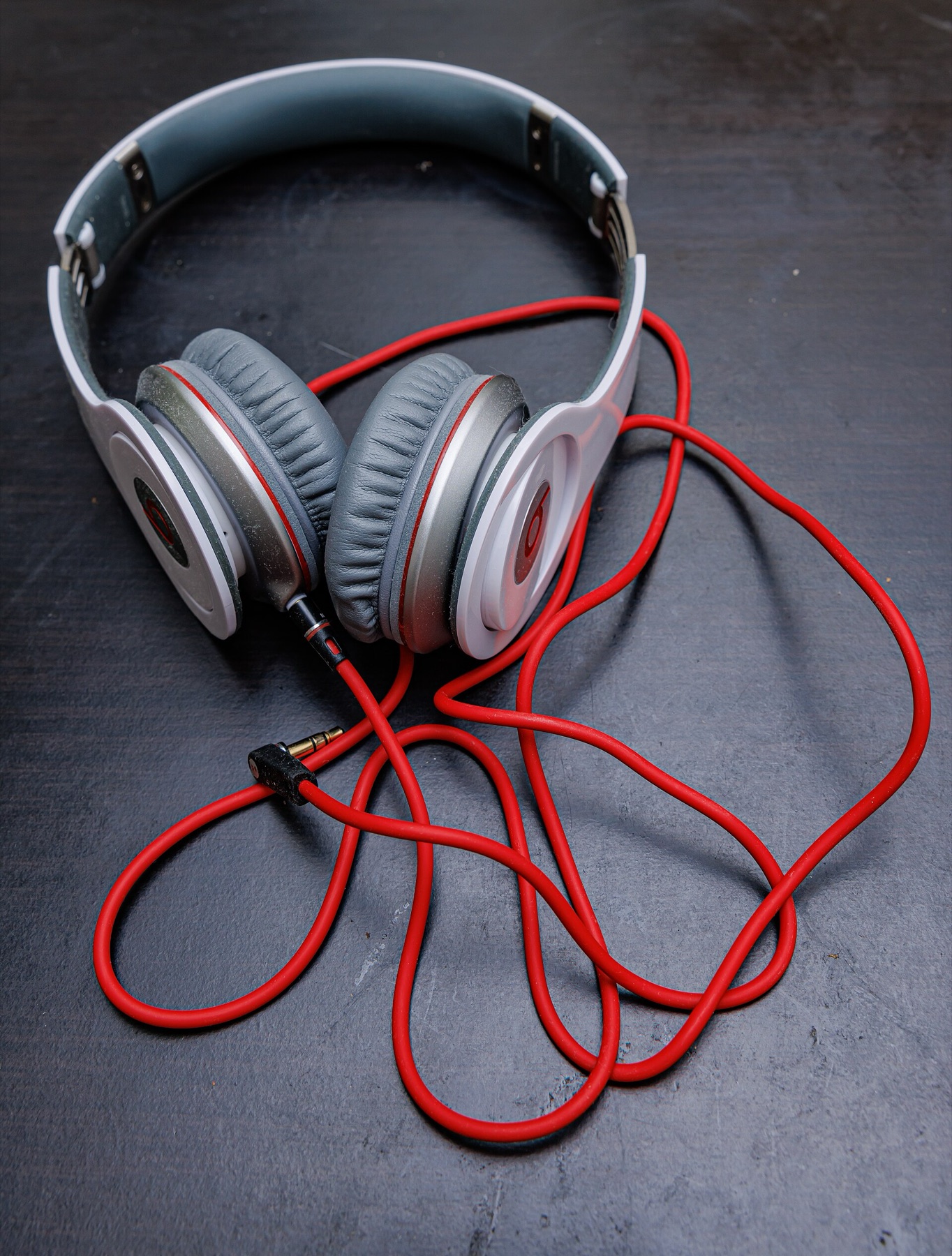
Over‑Ear, On‑Ear, and In‑Ear: How They Actually Differ
To make sense of both Beats and Monster options, start with form factor. Comfort and sound are shaped as much by the design as by the brand.
Over‑ear (around‑ear) Classic Monster‑era Beats Studio and Beats Pro were over‑ear models: large cups that fully surround your ears.
- Sound: Reviews of early Beats Studio noted a strong, club‑style bass emphasis with an energetic presentation. Monster‑era designs often traded neutrality for impact.
- Comfort: Better for longer sessions at home or in an office; bulkier in a bag.
- Use cases: Commuting with some isolation, office listening, gaming, studio‑style monitoring (for Beats Pro and similar), and resale to buyers who want a “statement” headphone.
On‑ear (supra‑aural) Beats Solo and Solo HD sit directly on the ear rather than around it.
- Sound: Still bass‑tilted, but with a lighter feel than full‑size Studio/Pro. Some listeners and reviewers found them fun but fatiguing over time.
- Comfort: More compact and portable, but clamp pressure and heat can be an issue if worn for hours.
- Use cases: Fashion‑forward everyday listening, college or high‑school buyers, mall kiosks or online resellers who lean on color variety.
In‑ear (earbuds/IEMs) Monster‑made iBeats and similar in‑ear Beats aimed at portable convenience.
- Sound: Again, bass first. Isolation depends heavily on tip fit; with the right tips you get decent passive isolation but not the over‑ear experience.
- Comfort: Great if you like minimal bulk; frustrating if you dislike items inside the ear canal.
- Use cases: Transit, gym users who aren’t doing heavy movement, budget buyers, and resellers looking for lower‑ticket add‑on items.
Here’s a compact way to compare form factors for Beats/Monster‑style headphones:
| Form factor | Typical Monster‑era Beats example | Fit & comfort profile | Best suited for |
|---|---|---|---|
| Over‑ear | Beats Studio / Beats Pro | Large cups around ear; heavier, more isolating | Home/office listening, commuting, “flagship” resale pieces |
| On‑ear | Beats Solo / Solo HD | Pads rest on ear; lighter but can clamp | Style‑driven daily use, portable fashion, youth buyers |
| In‑ear | iBeats and similar | Tips in ear canal; very compact | Transit, light workouts, lower‑price personal or resale buys |
If you’re in Canada and importing, also factor in size versus shipping and duty. Over‑ears are bulkier to ship cross‑border whether you buy single‑piece or small wholesale lots; in‑ears are easier to move but compete heavily with newer true‑wireless alternatives.
Matching Legacy Monster‑Era Beats to Modern Options
The next decision is whether to chase a specific Monster‑era model or pick a modern equivalent.
A few practical comparisons:
- Monster‑era Beats Studio vs modern Beats over‑ears. Early Studio models, built with Monster, offered powerful bass and a fashion‑heavy design, but editorial reviews noted compromises in neutrality and some build quirks. New Apple‑era Beats over‑ears are tuned more evenly, with improved electronics and active features (like contemporary noise cancellation), and come with current warranty and parts support.
- Beats Solo/Solo HD vs modern on‑ear lines. Monster‑era Solo variants gave you compact size and bold colors, but clamp and treble could be harsh. Newer on‑ear designs from Beats and rivals often improve comfort and tuning; as a reseller, you’ll usually find more predictable customer satisfaction with these than with aging Monster‑era stock.
- iBeats vs current in‑ear/true wireless products. Legacy wired iBeats can still appeal to buyers who prefer cables or older devices, but most Canadian buyers have shifted toward Bluetooth earbuds. Stocking Monster‑era wired in‑ears is more of a niche play now.
For personal use, asking “do I want the collaboration history or the best daily experience?” helps. If you’re a collector or want the exact look from an older music video, a Monster‑era Studio or Solo might be worth the hunt. If you care more about reliability, connectivity and balanced sound, modern Beats or other brands will usually be a safer bet.
For small ecommerce sellers, legacy Monster‑era Beats can work as:
- Limited, clearly described used/refurb inventory.
- Niche “retro collab” items with photography that shows real wear and box condition.
They are less ideal as a mainline product because grading, returns, and buyer expectations are harder to manage than with new‑model stock.
Buying Channels for Beats and Monster Headphones (Including DHgate)
Monster‑era Beats are no longer made, so channel choice matters as much as model choice.
Official retail for new Beats and Monster If you’re buying current Beats or current Monster headphones, the straightforward route is official brand channels or large electronics retailers. You get predictable stock, current serial numbers, and modern warranty. For Canadian buyers and resellers, you’ll also have clearer import and tax documentation.
Used and refurbished for Monster‑era Beats Discount guides for Beats commonly suggest looking for professionally refurbished or clearly graded used units with some form of warranty. Marketplace listings or refurb specialists that describe cosmetic grade (e.g., “Grade B – visible scuffs”), include real photos, and state the length of their own coverage are typically safer ways to chase Monster‑era Studio, Solo or Pro than vague “like new” claims.
Expect more variability in:
- Pad condition and headband wear on over‑ear and on‑ear models.
- Cable and connector integrity on iBeats and other in‑ears.
- Battery health on any early Beats with active electronics.
Cross‑border marketplaces and DHgate Large marketplaces can surface a wide range of headphones at aggressive prices. Editorial material from DHgate’s own blog describes a broad headphone selection and emphasizes variety and cross‑border pricing, as it connects buyers directly to manufacturers and sellers. That can be attractive if you’re looking to import generic or Beats‑style headphones for resale, or if you’re price‑shopping alternatives to mainstream brands.
For Monster‑era Beats specifically, though, treat DHgate and similar platforms carefully:
- They’re not official outlets for the legacy collaboration models.
- Listings that claim brand‑new Monster‑era Beats should be scrutinized; the collaboration is long over.
If you’re considering DHgate for broader headphone sourcing, it’s worth understanding how the marketplace works via resources like What DHgate is and how the marketplace works and reviewing how to find trusted sellers on DHgate before you build inventory around any one supplier.
For both individual buyers and small ecommerce businesses in Canada, the practical path is:
For additional DHgate platform context, use Review the DHgate order-readiness checklist.
- Decide whether you genuinely need a Monster‑era Beats collaboration model or just that general sound/style.
- Pick over‑ear, on‑ear, or in‑ear based on how and where you’ll use the headphones.
- Use official retail for current Beats/Monster, and graded refurbished channels for legacy Monster‑era Beats.