
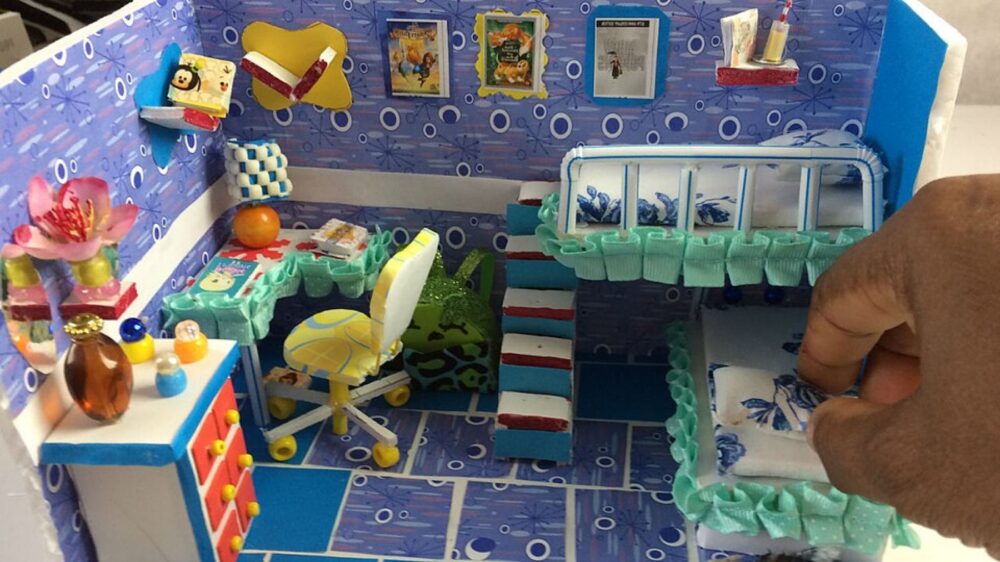
Miniature dollhouse lighting is worth choosing like a real home plan: by scale, fixture type, brightness, and how much wiring work you’re willing to do. The practical path is to decide your dollhouse scale and layout, pick a lighting format (wired fixtures, chip LEDs, strips, or small battery lamps), match it to a power method, then compare sellers and marketplaces—including DHgate—only on how well they meet those specific technical and aesthetic needs.
Once you’ve made those choices, it’s much easier to see whether a broad marketplace listing is actually useful or if you’d be better off with a miniature‑specialist shop.
What Counts as Miniature Dollhouse Lighting?
In the miniature world, “dollhouse lighting” usually means two layers of product:
- Tiny fixtures that look like real lights: chandeliers, ceiling pendants, sconces, table lamps, floor lamps, porch lights.
- The working components behind them: LED bulbs or chips, resistors, wiring, connectors, and a power source sized for miniature scales.
Specialist sites such as Miniature Crush’s lighting collection show this clearly: you’ll see scale fixtures designed for common dollhouse sizes like 1:12, plus separate electrical parts. For a hobby build, that might be a handful of prewired LED bulbs and a small plug‑in transformer. For a small ecommerce brand selling finished houses or kits, it can be full multi‑room lighting systems.
You’ll also find lighting used in:
- Classic wooden 1:12 dollhouses where realism matters (multiple rooms, hallways, exterior lighting).
- Modern 1:24 or smaller kits where a single warm LED gives a cozy look without heavy wiring.
- Dioramas or product photography setups where you care more about dramatic lighting than permanent installation.
The same core decisions drive all of these: what you want lit, how bright it should be at miniature scale, and how permanent the setup needs to be.
Key Lighting Types and Specs to Compare
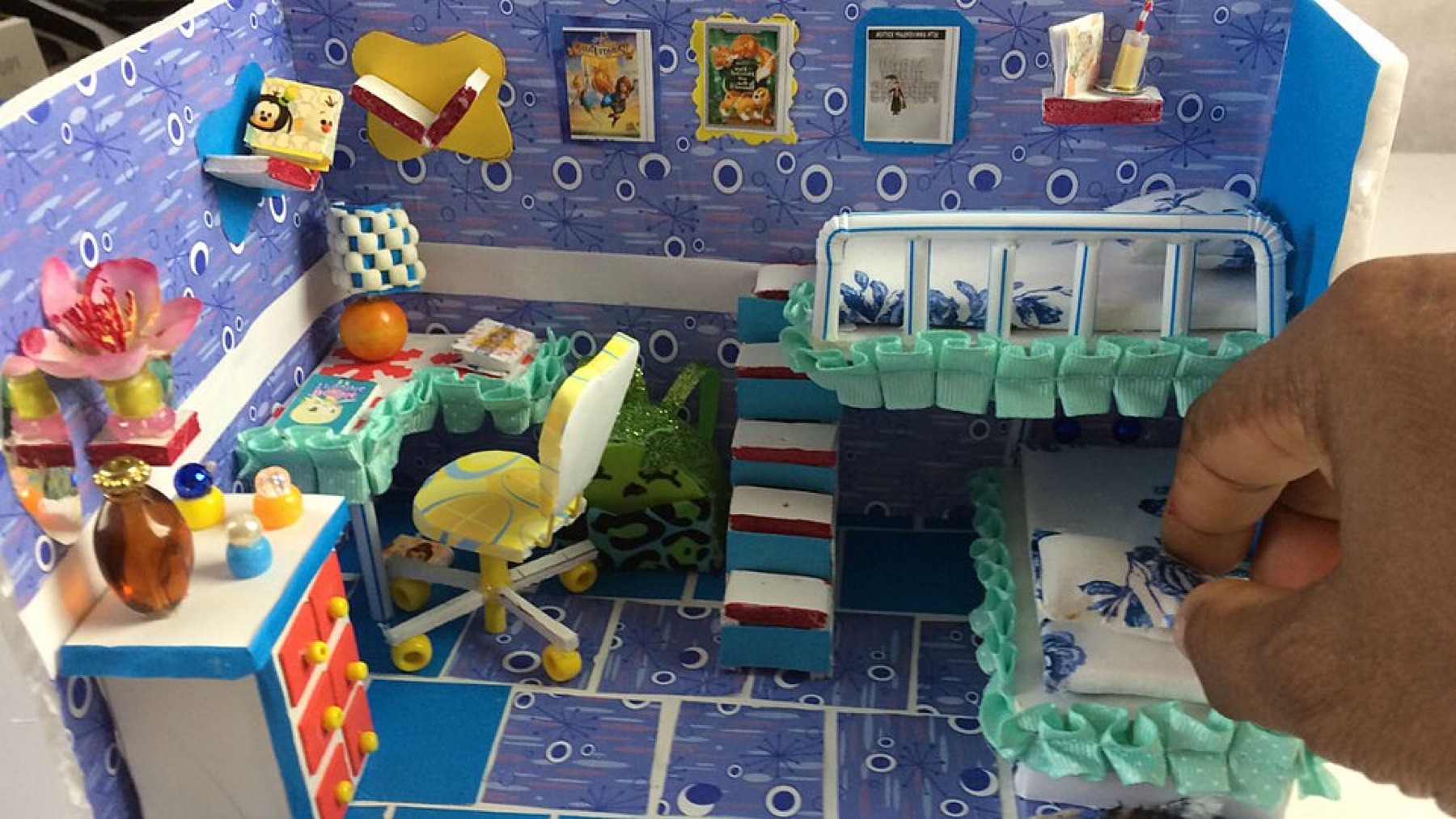
Modern dollhouse lighting has shifted heavily toward LEDs: single‑chip LEDs, pre‑wired bulbs, and LED strips designed for miniature interiors are now common options, as guides from LED specialists like Evan Designs show. Each format fits a different kind of project.
Here are the core types and how they differ:
| Lighting type | Where it shines (use case) | Brightness/control | Wiring effort |
|---|---|---|---|
| Pre‑wired scale fixtures (chandeliers, sconces) | Realistic 1:12 houses, display pieces | Often soft, warm light; some dimmable via circuit | Moderate–high: must route wires to a central bus |
| Individual chip LEDs | Accent lighting, tiny lamps, appliances, signs | Very controllable; can be tuned by resistor choice | Moderate: each chip needs correct wiring |
| LED strips / bars | Under‑cabinet light, backlighting, modern interiors | Bright; good for even room wash | Lower per strip; still needs hidden routing |
| Magnet or switch battery lamps | Quick builds, kits, kid‑friendly houses | Usually lower, cozy brightness | Very low: no house‑wide wiring |
A few practical checkpoints before you buy:
- Scale compatibility. A 1:12 chandelier from a specialist shop like Miniature Crush will look oversized in a 1:24 kit. If you’re sourcing from non‑miniature marketplaces, check dimensions rather than just the word “mini.”
- Voltage and current. LED‑focused guides from Mini World Atlas stress matching LED voltage and current to your chosen power supply. Many hobby systems use low voltage (in the single‑digit‑volt range) via wall adapters or battery packs; your LEDs must be specced for that.
- Color temperature and look. Warm white LEDs (roughly “incandescent‑like”) suit vintage houses; cooler whites suit modern lofts or art studios. Some vendors label this clearly; broad marketplaces may not, which is where photos and user comments become critical.
Scenario example:
- If you’re lighting a Victorian 1:12 house for display, pre‑wired brass chandeliers and sconces with a central power unit will give the most realistic look.
- If you’re adding light to a compact 1:24 kit to resell on Etsy, a single LED strip hidden under the roof plus two chip LEDs in table lamps can be enough, with less wiring for you.
Buying Choices: Power, Wiring Complexity, and Where DHgate Fits
Once you understand fixture types, you’re really choosing between wiring complexity and convenience. LED guides such as Mini World Atlas’s emphasize planning the circuit early, matching your power source to the LEDs, and minimizing visible wiring by routing it through walls and ceilings.
1. Decide how permanent and “clean” you want the lighting
Build logs for miniature kits—like Flever’s wiring walkthrough—show that multi‑room wired lighting can be a lot of work. You’ll be drilling, hiding wires, and managing a central power connection. The payoff is a very clean, realistic result.
Battery‑based LEDs, including small magnet‑activated lamps, trade some realism (visible switches, batteries to change) for much easier installation. In many kits, you simply stick the lamp in place and you’re done.
A simple rule:
- Display pieces or higher‑priced finished houses: wired or semi‑wired systems are usually worth the effort.
- Gift builds, kid play houses, or quick stock for a shop: battery LEDs often make more sense.
2. Choose a power method that matches your wiring tolerance
Think through these options in order:
- Single central power unit (plug‑in transformer or main battery pack). Best for multi‑room 1:12 houses. Requires a planned circuit and bus wires; easier to maintain long‑term.
- Room‑by‑room battery packs. Good for medium complexity builds where you still want some wiring but keep circuits small.
- Standalone battery lamps and strips. Ideal for casual kits and trial builds; you avoid house‑wide wiring completely.
LED‑focused retailers like Evan Designs explicitly encourage planning voltage and current around your final power choice, not bolting lights on after the fact. Treat that as best‑practice, even if you’re using marketplace parts.
3. Match your project type to the right sourcing channel
Once you know your lighting format and power approach, you can decide where DHgate and other platforms realistically fit.
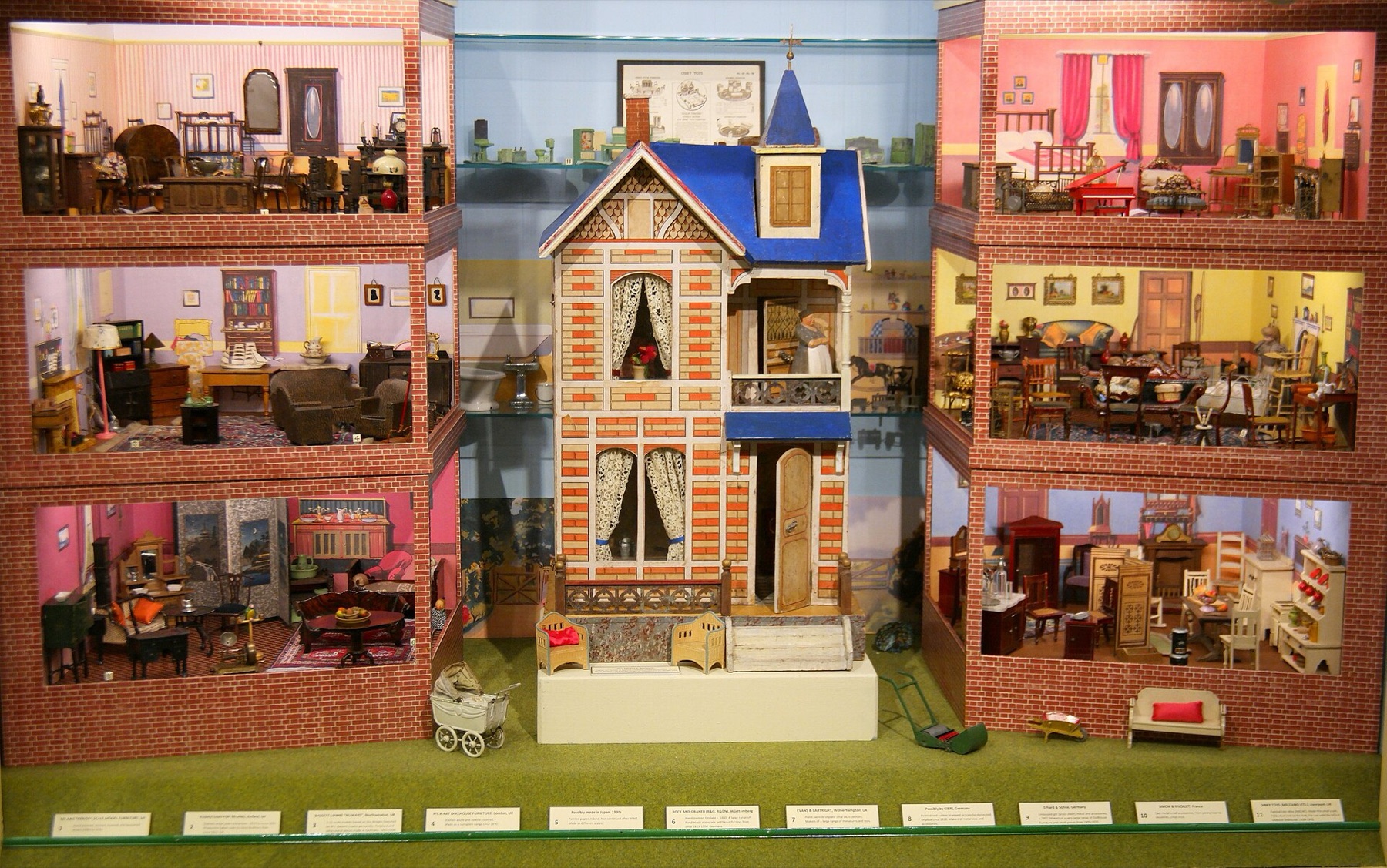
Specialist miniature retailers (such as Miniature Crush, LED vendors like Evan Designs, and curated shops you’ll find via guides similar to Alibaba’s dollhouse lights overview) focus on dollhouse‑specific fixtures and components. You’re paying for:
- Scale‑correct designs (e.g., true 1:12 chandeliers).
- Clear labeling of voltage, current, and LED type.
- Product ranges built around miniature interiors.
General marketplaces and B2B platforms are positioned differently. They emphasize variety and price tiers across many categories rather than dollhouse‑only stock. In practice that means:
- Good fit for: bulk LED strips, generic chip LEDs, battery puck lights, and experimental parts if you’re comfortable interpreting specs yourself.
- Poorer fit for: highly detailed, period‑correct fixtures in exact scales, unless you’re willing to sort through many listings.
DHgate sits in this second group. It can be treated as one of several discovery channels for cross‑border miniature lighting components, especially if you’re looking for generic LEDs, strips, or low‑cost battery lamps to adapt into your own fixtures. Because we don’t have verified, current product data here—and platform policies can change—you should confirm the technical specs and listing details directly on DHgate before treating anything as suitable for a specific project.
For additional DHgate platform context, use What DHgate is and how the marketplace works, Find trusted sellers on DHgate, and Review the DHgate order-readiness checklist.
If you find that your project requires tightly curated, scale‑accurate brass fixtures with matching transformers, a miniature‑specialist retailer or a well‑documented LED vendor will usually serve you better. If you mainly need inexpensive LED “guts” to light custom furniture or kits you resell, broad marketplaces like DHgate can reasonably sit on your shortlist alongside other sources.