
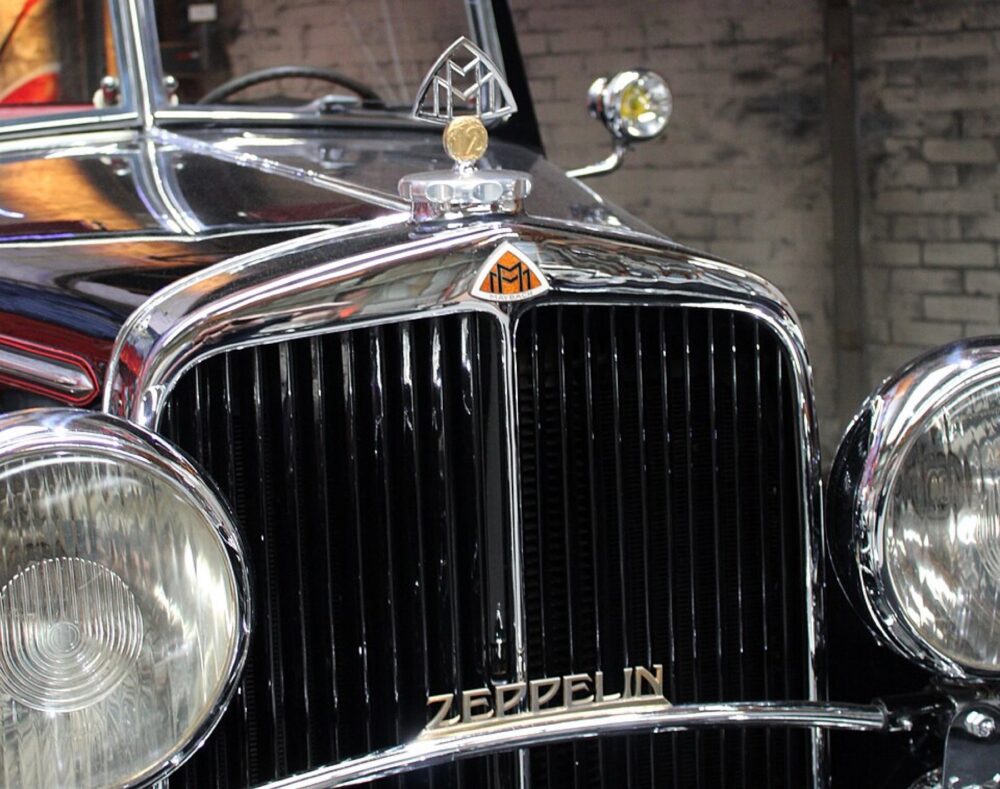
If you’re buying Maybach emblems or badges online, start by matching OEM fitment for your exact Mercedes or Mercedes‑Maybach model, then decide whether you want genuine parts, high‑quality replicas, or custom pieces. On platforms like DHgate, you’ll mostly see replica and custom logo sets, so your job is to check materials, finish, and model designation very carefully and use dealer or specialist aftermarket sources when you need factory‑correct badging.
For a US buyer or small ecommerce shop, the safest process is: 1) identify your precise model code (for example, Maybach S580, S650, or GLS 600), 2) list every emblem location you plan to change, and 3) choose a badge type and sourcing channel that fits your quality expectations and risk tolerance.
What Maybach Emblems and Badges Are, and Where They Sit on the Car
Maybach uses a distinctive double‑M logo inside a pointed triangle, a motif that shows up in many places on modern Mercedes‑Maybachs. On a typical S‑Class‑based Maybach, you’ll encounter:
- Front grille emblem – either a large central logo integrated into the grille or a hood ornament on some older/heritage setups.
- Rear MAYBACH wordmark and model badge – the MAYBACH script on one side of the trunk/tailgate and the engine/model designation (S580, S650, GLS 600, etc.) on the other.
- Side and pillar logos – small Maybach triangles or scripts on the C‑pillar or rear doors, signaling the Maybach trim level.
- Interior logos – on seat backs, dashboard trim, headrests, and even floor‑mat emblem plates in some custom setups.
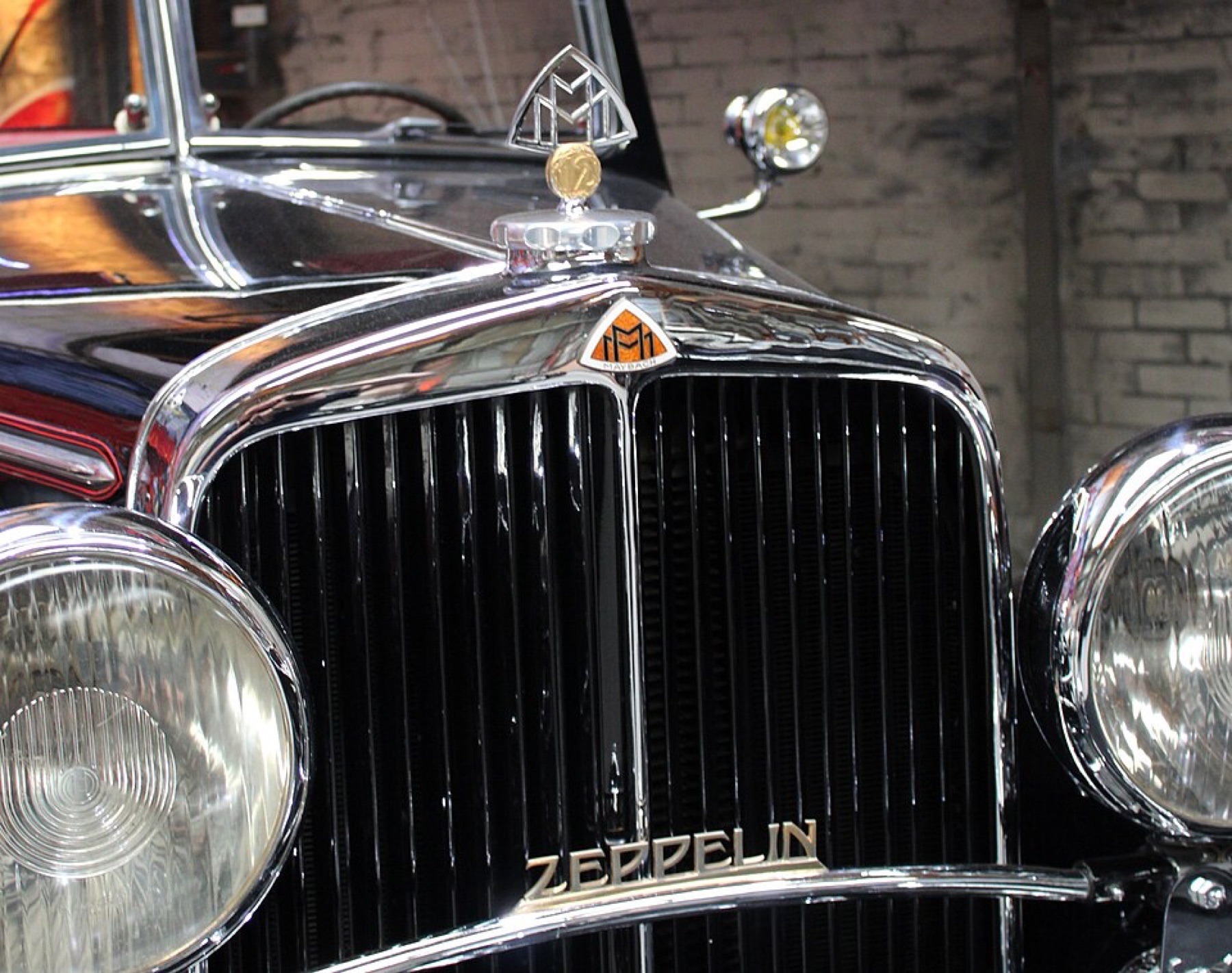
When you see full “conversion” kits advertised, they usually aim to cover this entire visual story: front logo, rear MAYBACH script, model designation, side pillar badges, and sometimes interior pieces. A kit from an aftermarket supplier like ItaliaSpares is an example of that all‑around upgrade idea.
Understanding where each emblem sits helps you avoid buying only a front logo when you actually need the full exterior set, or accidentally mixing old and new styles on the same car.
Key Maybach Badge Types, Fitment Specs, and Quality Trade‑offs
1. Matching badges to real Maybach model designations
Real factory Mercedes‑Maybachs use specific model designations, and the rear badge should match that data:
- Maybach S580 – current S‑Class‑based Maybach; you’ll see S580 emblems listed for exterior use at sites like ECS Tuning.
- Maybach S650 – earlier V12 flagship; ECS Tuning also lists S650 exterior emblems for that generation.
- Maybach GLS 600 – the SUV variant; genuine GLS Maybachs carry a GLS 600 badge on the tailgate.
Customizers sometimes want to up‑badge to GLS 680; niche sites such as Decoin Fabric show how model‑specific custom GLS 680 tailgate emblems are sold. Those can be fine for a stylistic build, but they should never be presented as factory‑correct.
Commonly reported fake builds mix this up: for example, putting an S680 badge on a GLS‑body SUV or using non‑Maybach plates alongside Maybach logos on the same car. Treat those mistakes as a warning sign when you read listings – if the seller photo shows a badge combination that would not exist on a real Maybach, you’re likely looking at generic or misrepresented parts.
2. OEM, replica, and custom: how they differ
You’ll usually be comparing three broad types of Maybach emblems:
| Badge type | Typical use case | Fitment and look |
|---|---|---|
| OEM/genuine | Factory replacement, high‑end restorations | Exact match to original size, font, chrome and script |
| High‑quality replica | Visual upgrade on a non‑Maybach Benz, budget‑conscious refresh | Generally close in size and shape; finish can vary |
| Custom (e.g., GLS 680, floor‑mat plates) | Styling builds, branded accessories | Freer design; may use Maybach logo in new locations |
OEM pieces from dealer channels or model‑specific catalogs (like ECS Tuning’s Maybach sections) are the benchmark for correct proportions, mounting points, and surface finish.
Replica kits – including many full conversion sets from international tuners or cross‑border sellers – are aimed at people turning a standard S‑Class or GLS into a “Maybach‑look” build. A kit page such as ItaliaSpares’ upgrade kit illustrates the typical composition: front, rear, and side badging sold as a single bundle.
Custom options go beyond what the factory offers. For instance, Decoin Fabric lists GLS 680 tailgate emblems and stainless‑steel floor‑mat emblem sets with the Maybach logo, giving you ways to carry the branding inside the car.
3. Material and finish choices
Buying pages for Maybach emblems on platforms like Etsy repeatedly call out a few specifics:
- Material – ABS plastic with chrome plating vs. metal (often zinc or stainless steel) for higher durability and weight.
- Finish – standard chrome, black chrome, brushed metal, or two‑tone finishes. Floor‑mat plates and interior badges are often stainless with laser‑etched logos.
- Mounting style – adhesive backing for simple stick‑on badges vs. pin/clip mounts that match OEM holes.
For exterior emblems exposed to UV, rain, and car washes, metal or high‑grade plated plastic is safer. Interior pieces and accessories (like floor‑mat plates) can be more experimental as they live in a gentler environment.
Buying Maybach Emblems Online: Quality Checks, DHgate Options, and Alternatives
A compact checklist for reading listings
Use this quick run‑through on any emblem listing:
- Model and badge accuracy
- Does the text explicitly match your car (e.g., “for 2023 Mercedes‑Maybach S580 W223”)?
- Are the badge photos consistent with real Maybach badging, or do you see odd combinations like GLS body with S‑series model scripts?
- Scope of the set
- Is it just a front grille logo, or a full conversion kit with rear MAYBACH script, model badge, and side/pillar emblems?
- Compare to an upgrade kit example such as this ItaliaSpares set to see what “complete” typically looks like.
- Materials and finish details
- Look for clear statements like “stainless steel floor‑mat emblems” or “ABS plastic with chrome plating.” Sites such as Decoin Fabric’s floor‑mat emblem listings show the level of detail you should expect.
- Mounting and installation
- OEM‑style badges should mention clip/pin positions or compatibility with factory holes. Generic adhesive‑back badges can work but are less secure and harder to align perfectly.
How DHgate-style marketplaces fit into this decision
DHgate is described in its own editorial content as a large cross‑border marketplace that connects buyers directly with manufacturers and offers a wide product selection at competitive pricing. For Maybach emblems, that usually translates into:
- Replica and custom pieces in volume – good for a reseller who wants to stock generic Maybach‑look logos, pillar badges, or accessory plates for non‑Maybach Benzes.
- Wide style variation – blacked‑out logos, colored accents, and non‑OEM scripts that you might not see at a dealer or OEM‑focused catalog.
- Strong price pressure – appealing if you’re testing demand in a small ecommerce store or building a one‑off styling project where factory correctness isn’t the goal.
Because DHgate is a marketplace, not a single seller, you should treat every listing as its own product: study the badge photos, make sure the model designation isn’t one of the commonly misused ones, and look for material and mounting detail at least as clear as what you see on Etsy or specialist sites.
Example: a reseller upgrading standard S‑Classes
Imagine you run a small online shop that offers “Maybach‑style” exterior upgrades for standard Mercedes‑Benz S‑Class sedans:
- You use OEM references like ECS Tuning’s Maybach S580 and S650 emblem listings to understand correct sizes, fonts, and placement.
- You buy a tested high‑quality replica conversion kit from a specialist supplier (similar in scope to the ItaliaSpares kit) as your premium option.
- You then source lower‑priced replica logos and MAYBACH scripts from cross‑border marketplaces for buyers who care more about look than perfect OEM fidelity.
For additional DHgate platform context, use What DHgate is and how the marketplace works, Find trusted sellers on DHgate, and Review the DHgate order-readiness checklist.
Your product pages can clearly label which kits are “OEM‑spec replica” and which are “styling only,” and you can avoid mis‑badging by never pairing impossible model designations (S680 on GLS, S650 on non‑Maybach chassis). That mix of channels is exactly where DHgate can play a role – as a source of custom and budget‑friendly pieces – while OEM and specialist sites anchor the high‑accuracy end of your catalog.