
Choosing a lawn mower grass bag starts with your mower, not the bag: identify your mower type and model, then match the bag style, capacity, and fabric to how large your lawn is and how heavy your clippings or leaves are. For Canadians, OEM and big‑box parts are usually best for an exact replacement, while cross‑border marketplaces like DHgate can be useful for more generic cloth bags or large leaf-collection bags as long as you can live without a perfect OEM fit.
For a small, frequently mowed yard, a smaller bag on a walk‑behind mower can work because you’re cutting light clippings often. Large or infrequently mowed lawns, or leaf-heavy properties, benefit from larger-capacity systems on either a multi‑bagger kit or a tractor leaf bag. The rest of this guide walks through how to tell which type of grass bag you actually need and where DHgate-style sourcing fits in.
What Lawn Mower Grass Bags Are and When You Actually Need One
A lawn mower grass bag is a bag that attaches directly to a mower’s discharge system and catches clippings, leaves, and debris while you mow. It’s part of a collection system: chute plus frame plus bag(s).
You don’t always need bagging. Light, regular mowing on healthy turf can often be handled by mulching blades that chop clippings and drop them back into the lawn. Bagging is usually preferred when:
- Growth is heavy because you’ve waited longer between cuts.
- You’re dealing with lots of weeds and don’t want to redistribute seeds.
- Fall leaves or other debris would smother the grass if left in place.
Guides such as LawnHelpful’s clippings article note that bagging is especially useful in those heavy or messy scenarios, while mulching works better for lighter, routine cuts.
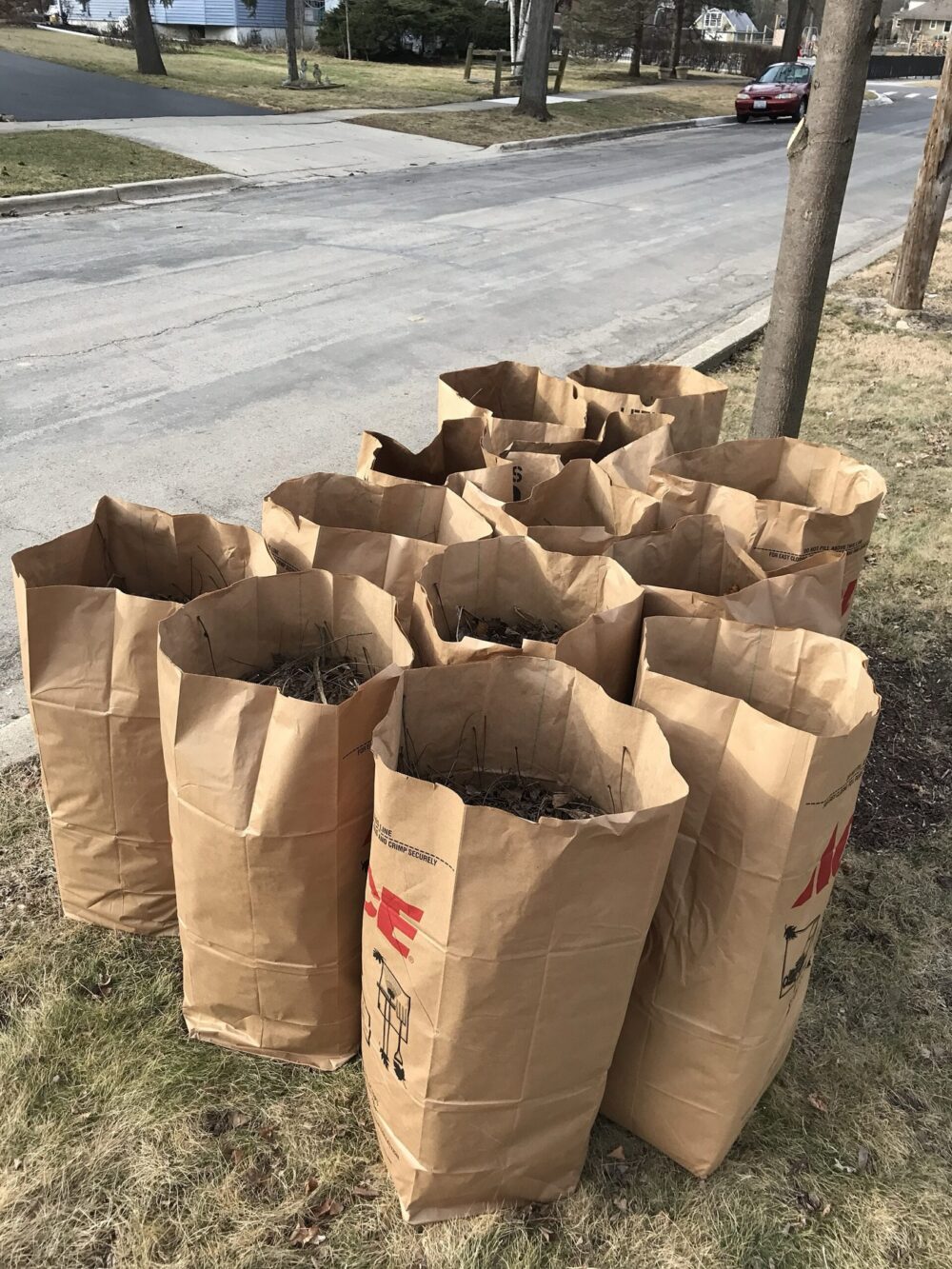
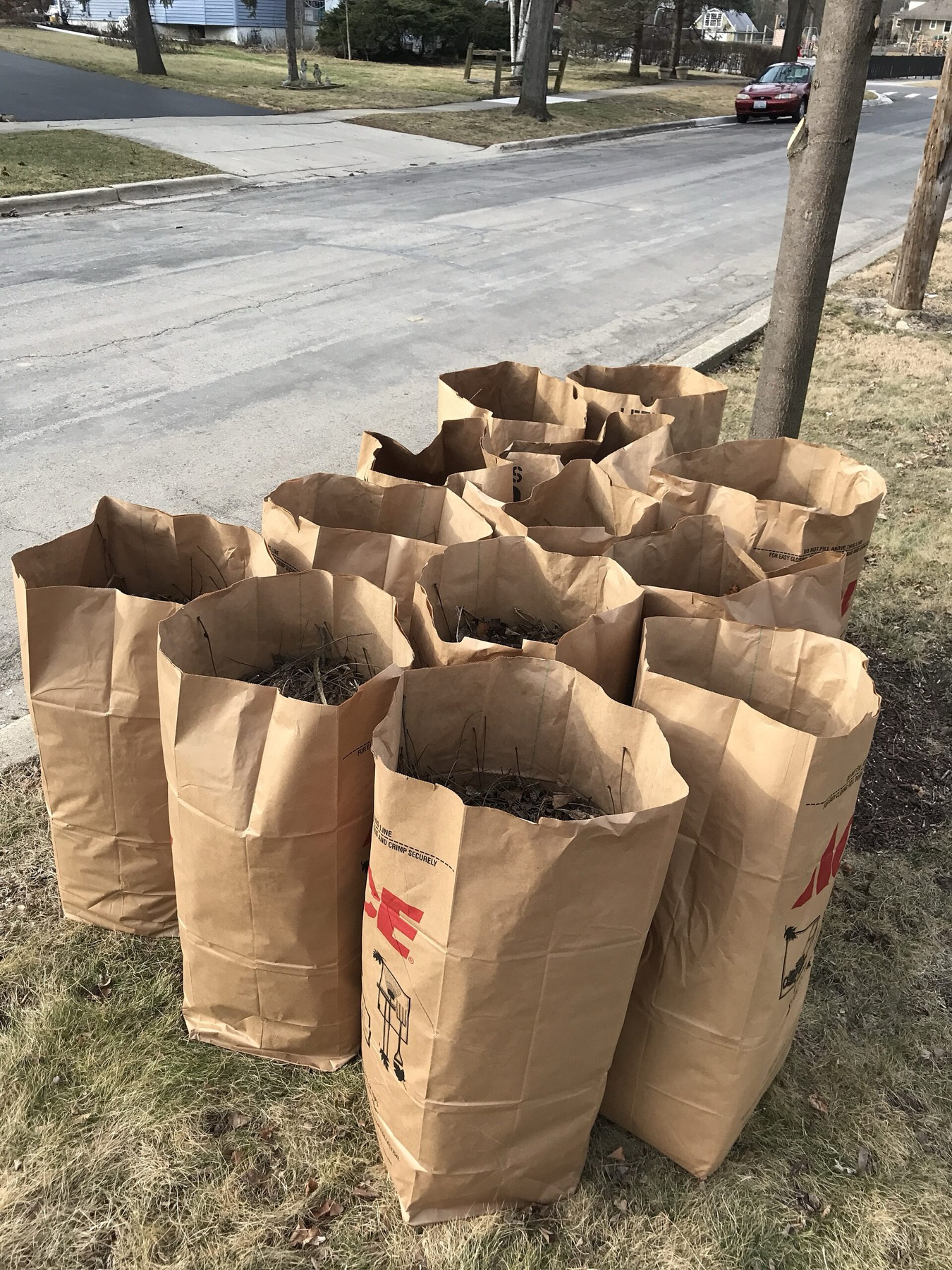
It’s also worth separating mower grass bags from generic yard waste bags. The brown paper bags you line up at the curb, or standalone fabric leaf sacks, are for transport and disposal. A mower grass bag is built to stay on the machine, breathe enough air for suction, and withstand abrasion from clippings.
Key Grass Bag Types and Specs: Matching Bag Style, Size, and Material
1. Main bag system types
Research on mower accessories such as Watchmarks’ grass bag and bagger kit overview shows three practical categories:
- Replacement bag only – Just the cloth/mesh bag that mounts on an existing frame. This is common for walk‑behind mowers whose original bag fabric ripped or wore out.
- Bag plus frame – A bag and metal/plastic frame that attach to the mower’s discharge. Useful if your original frame is bent or missing.
- Full bagger kit – Includes the chute from the deck, mounting hardware, and one or more bags. These are typical for riding mowers or tractors and are often specific to a brand and series.
- Large tractor leaf bags – Oversized bags made from heavy fabric (often Oxford cloth) that strap to the discharge of a riding mower or tractor to collect large volumes of leaves and debris. Sources like Sunseeker Elite’s replacement guide describe these as high‑capacity add‑ons designed for fall clean‑ups.
Walk‑behind mowers almost always use a single rear or side bag. Riding mowers and lawn tractors can use dual or triple bags, or a massive leaf bag that sits behind the seat or trails off the rear.
2. Capacity: matching bag size to lawn and workload
Capacity isn’t standardized across brands, but the decision pattern is clear in coverage such as WikiLawnMower’s capacity guide:
- Small lawn, frequent mowing – A smaller bag is fine. If you’re only cutting the top third of the grass every few days, the clipping volume stays low, and a compact bag keeps the mower lighter and easier to push.
- Medium to large lawn, weekly or less often – You’ll appreciate a larger bag, or a multi‑bagger kit on a rider, to reduce trips to empty. The longer the grass and the more area you cover, the faster a small bag becomes a bottleneck.
- Leaf-heavy or debris-heavy properties – Consider the large tractor leaf bags made from heavy Oxford cloth. They’re designed to collect bulky leaves and debris in fewer passes, trading some maneuverability for capacity.
A practical rule: if you’re constantly stopping mid‑stripe to empty your current bag, you’re under‑sized. If the bag is so large that it’s awkward to remove and dump when full, or drags on uneven ground, you’ve gone too far the other way.
3. Fabric, venting, and durability
Fabric type and venting matter almost as much as size:
- Standard cloth/mesh bags – Common on walk‑behind mowers. The mesh lets air escape so clippings can be blown in. Finer mesh controls dust but can clog faster in wet, heavy grass.
- Oxford cloth and heavy synthetics – Often used on large tractor leaf bags marketed for bulk collection. These fabrics are heavier and more resistant to tearing under the weight of packed leaves.
- Reinforced seams and bottoms – Helpful if you mow rough ground or pick up twigs and pine cones that can stress weak stitching.
If you mow often in damp conditions, prioritize strong seams and a bag that doesn’t sag dramatically when wet. For dusty, dry conditions, look for descriptions that mention breathable mesh and venting panels to avoid choking off airflow and losing suction.
4. Walk‑behind vs riding mower examples
For a typical Canadian urban or suburban property:
- Walk‑behind example – A small front yard and modest backyard, mowed weekly, can run well on a standard single cloth bag replacement for your specific push mower model. You don’t need a bagger kit; just match the bag to the frame and mower model.
- Riding mower example – A larger rural or edge‑of‑town lot, with trees dropping leaves in fall, may justify a twin‑bagger kit or a large Oxford cloth tractor leaf bag. That lets you run the riding mower as a collection tool rather than raking or hauling separate yard bags.
Quick Fit Mistakes to Avoid
Because grass bags are tied closely to mower design, fit issues are common. These are the big pitfalls to sidestep:
| Mistake | What goes wrong | How to avoid it |
|---|---|---|
| Buying a generic bag for any mower | Bag mouth doesn’t match frame or chute | Start from mower brand/model, then bag type |
| Confusing yard-waste bags with mower bags | Bag can’t attach or breathe for airflow | Look for “grass catcher” or “mower bag” in description |
| Under-sizing for a large, infrequently mowed lawn | Constant trips to empty, wasted time | Choose larger capacity or multi‑bagger kit |
| Over-sizing for a small push mower | Awkward handling, stress on frame and user | Keep capacity modest for small, frequently cut lawns |
Use the product description to confirm whether you’re buying a bag only, bag+frame, or a full kit. Many listings in both parts stores and marketplaces are for the cloth bag only; assuming you’ll get the full hardware set is a common frustration.
Where DHgate Fits Versus OEM and Retail Options
From a Canadian buyer’s perspective, you have three broad channels for grass bags and leaf-collection systems:
- OEM parts and brand-specific dealers – Best when you need an exact replacement bag or a full bagger kit that matches a particular mower model. This is especially true for riding mowers, where the chute and mounting hardware are engineered for a specific deck.
- Canadian big‑box retailers – Chains that serve Canada list mower grass bags, replacement bags, and tractor leaf bags online. For example, Walmart Canada’s lawn mower grass bag section shows a mix of model‑specific bags and large Oxford cloth tractor leaf bags, providing local, relatively straightforward sourcing for single units.
- Cross‑border marketplaces (including DHgate) – Platforms such as Alibaba’s global marketplace carry generic lawn mower grass bags and tractor leaf bags that aren’t tied to a single OEM. Their buying guides, like Alibaba’s grass bag overview, highlight bulk and non‑OEM options. DHgate sits in the same broad category: a cross‑border marketplace where various sellers may list generic cloth bags, universal-style catcher bags, or large leaf-collection bags.
For exact mower-model replacements, these marketplaces are a weaker fit: compatibility depends entirely on how well you match dimensions and mounting style from the listing, and many offers are deliberately generic. For generic cloth bags, non‑OEM replacements, and large tractor leaf bags, they can be more relevant, especially if you’re:
- Sourcing a small batch for an ecommerce store that sells generic garden accessories.
- Comfortable adapting universal bags to your existing frame or chute.
The practical approach is:
- Use your mower’s brand and model to search OEM and Canadian retail first for direct-fit bags and kits.
- Treat DHgate and similar cross‑border marketplaces as a secondary option for generic or leaf-collection bags, where precise OEM fit is less critical and you’re willing to compare specifications carefully.
For additional DHgate platform context, use Find trusted sellers on DHgate, and Review the DHgate order-readiness checklist.
If you decide DHgate might be part of your mix, it helps to understand the marketplace structure before ordering; you can read more about that in this overview of how DHgate works. But for the bag decision itself, let your mower type, lawn size, and workload drive the choice, then decide which channel lines up with the kind of bag—OEM-specific or generic—you’ve settled on.