
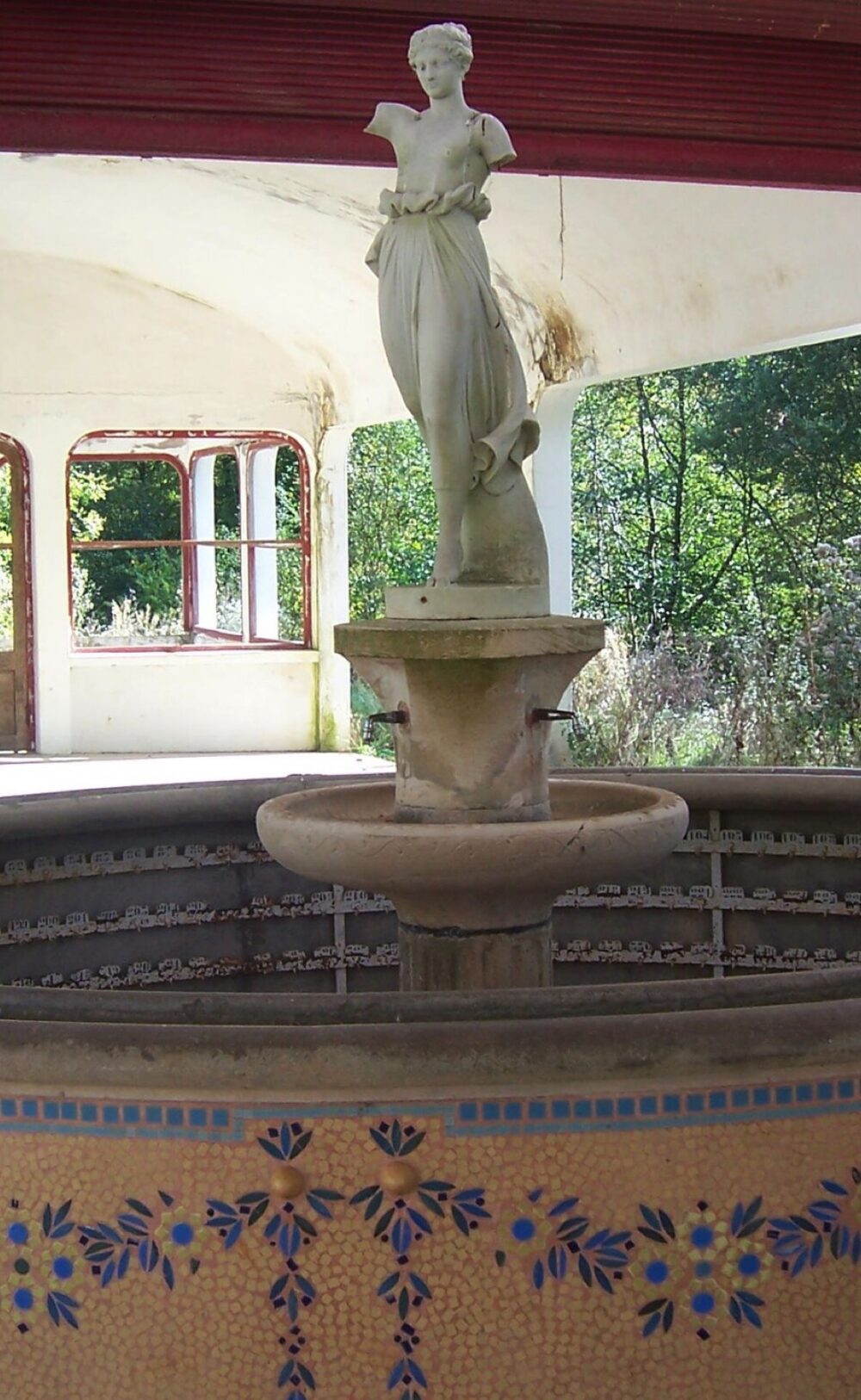
A good Hebe goddess statue choice starts with material and scale, then moves to where you buy it. For a single statement garden piece or high-end indoor sculpture, specialist makers and garden-statuary shops beat broad marketplaces. For lower-cost decor or small resale batches of classical-style figures, general marketplaces like Etsy, Wayfair, Amazon, and global platforms such as DHgate can belong in your shortlist if you’re comfortable trading higher consistency for more variety and value-focused pricing.
You’ll want to decide first whether you’re after a durable garden centerpiece, a compact indoor figurine, or stock for a small online shop. Then you match that use to material (real marble vs resin vs faux bronze), size, and casting quality. Only after you’ve pinned down those specs does it make sense to compare sources: statue specialists for sculptural quality, versus large marketplaces for breadth and price.
What counts as a Hebe goddess statue and who buys them?
Hebe statues are classical-style depictions of the Greek goddess of youth, typically shown standing and holding a cup, jug, or tray as a cup-bearer. Retailers frame these pieces as romantic or mythological decor rather than museum originals, but the pose and draped clothing echo traditional Greek sculpture.
On garden-focused sites like GardenOrnaments, Hebe appears as a full-length figure designed as a garden ornament. These listings show her standing with a vessel, intended to be a focal point in a lawn, formal garden, or near a water feature. Buyers use them as:
- Statement pieces in larger gardens or courtyards.
- Classical accent near patios and entryways.
- Indoor decor in large foyers or niche alcoves when the statue is on the smaller side.
Collectors and decorators often want a single impressive piece, while small ecommerce sellers may be hunting for repeatable, mid-range versions they can resell as “Greek goddess” or “classical garden” decor.
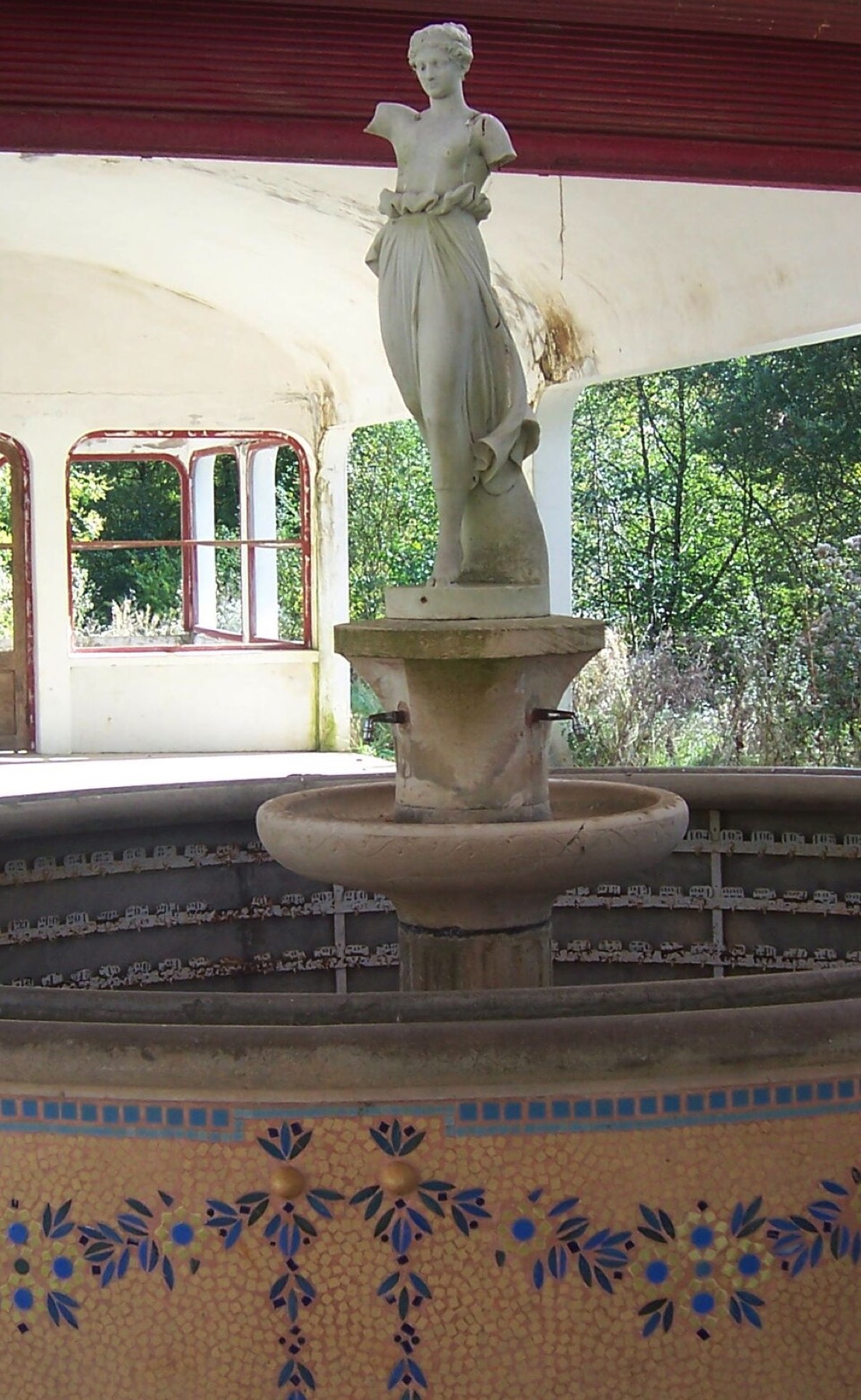
Key Hebe statue options: materials, sizes, and display styles
The same goddess theme looks very different depending on material, finish, and scale. Here’s how major options compare, using real product examples.
Material and finish
Specialist sites such as Statue.com’s marble Hebe and MarbleBee’s marble goddess statue of Hebe position their pieces as higher-end sculptures. These are carved or finely cast to emulate traditional marble, with crisper drapery folds and facial features. They’re aimed at buyers who prioritize craftsmanship and a classic look.
By contrast, GardenOrnaments offers Hebe in several outdoor-friendly compositions:
- White stone/resin blend: Seen in their large white Hebe statue, marketed for gardens where you want a bright, marble-like effect without the cost and weight of real stone.
- Bronze-effect finish: Their large bronze Hebe statue uses a darker, metallic-look patina over the core material to mimic aged bronze while remaining relatively affordable and weather-suitable.
- Plain resin/stone effect: Listings emphasize durability and ease of placement rather than fine art status.
Smaller indoor-focused pieces on Etsy (see the Hebe statue marketplace search) often use resin or composite materials to capture detail while keeping weight and price manageable. They may be hand-finished or small-batch cast, with variation between units.
Here’s a compact comparison of common material/finish choices:
| Option | Typical use | Look & detail |
|---|---|---|
| Real marble (specialist) | High-end indoor or sheltered outdoor display | Classic, crisp detail, heavier and premium |
| White stone/resin (garden) | Everyday garden centerpiece | Marble-like brightness, good detail, less costly |
| Bronze-effect resin/stone | Formal gardens, near fountains | Dark, aged bronze vibe without full bronze cost |
| Small resin figurines (Etsy) | Shelves, mantels, compact gardens | Good detail at small scale, more variation between makers |
Choosing among these is mainly about whether you care more about sculptural detail and long-term patina (marble, bronze-effect) or simple, durable decor that’s easier to move and replace (resin, composite).
Size: small accent vs large centerpiece
Hebe statues are sold in noticeably different scales, which map to different placements:
- Large garden statues: GardenOrnaments promotes their large Hebe versions as focal points, intended to sit directly on a lawn or plinth as a centerpiece. These are meant to command attention from a distance.
- Small garden/indoor statues: Their small Hebe statue is described as fitting compact gardens or tighter spaces, where you want classical flair without overwhelming the area.
For indoor display, smaller pieces from Etsy or museum-replica shops like Corleones’ Hebe replica fit better in alcoves, bookcases, and mantels. Larger marble or outdoor-oriented versions need either a generous foyer, a dedicated niche, or a proper plinth.
Practical size rules of thumb:
- Apartment or small home: Lean toward smaller resin or composite Hebe statues; large garden-scale figures will dominate the room.
- Suburban yard or compact garden: A “small” garden Hebe works well as a border accent or near a seating area.
- Formal garden, estate, or commercial property: Large marble or stone/resin Hebe can anchor a path, pool, or fountain, especially if you echo the classical theme elsewhere.
Display style: classical, romantic, or themed
Most Hebe statues share the same standing cup-bearer pose, but presentation varies:
- Pure classical: MarbleBee and Statue.com emphasize traditional marble and simple bases—suited to interiors that echo museums or historic homes.
- Garden-romantic: GardenOrnaments’ white and bronze-effect Hebe pieces often appear in product photos surrounded by plants or next to water, framed as romantic garden features.
- Mixed-themed decor: Etsy listings show Hebe styled alongside other deities or mythological figures, useful if you’re curating a themed shelf or retail assortment.
Matching style to your setting matters more than buyers expect; a heavy bronze-effect piece can look out of place in a minimalist interior, while a small, glossy resin version might disappear in a sprawling formal garden.
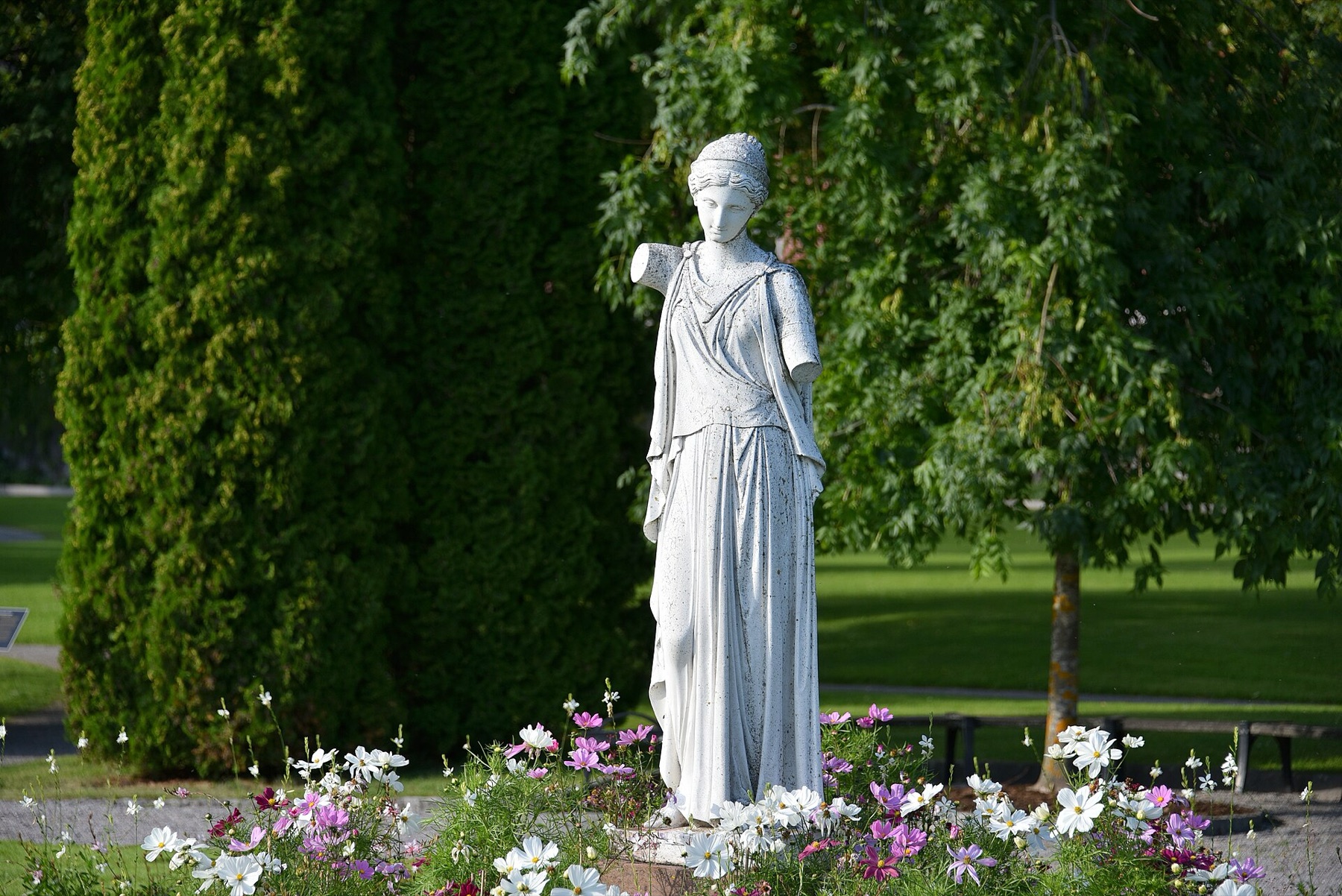
Buying a Hebe statue online: quality checks and DHgate vs alternatives
Once you know the material, size, and style you want, the main decision is where to buy: specialist statue retailers, garden-ornament sites, or big marketplaces.
What to look for in listings
Instead of generic “check reviews” advice, focus on details that matter specifically for Hebe statues:
- Material description: Is it clearly stated as marble, stone-resin, or resin? GardenOrnaments distinguishes their white stone/resin and bronze-effect finishes in separate listings, which helps you predict weight and appearance.
- Outdoor vs indoor positioning: Garden-oriented Hebe statues are explicitly marketed as garden ornaments, while smaller versions are suggested for compact gardens or indoor niches. Use that language to match durability to your plan.
- Photos from multiple angles: On Etsy and Wayfair, look for close-ups of the face, hands, and folds—these areas reveal casting quality.
- Buyer reviews with photos: DHgate’s own blog about statue and figurine shopping highlights Amazon, Etsy, and eBay as sources where customer reviews and ratings help evaluate quality. Favor listings where buyers share real-life photos; they show how the finish and proportions look outside studio lighting.
For small ecommerce sellers, also check whether the statue is described as handmade or mass-produced. Handmade pieces from Etsy may vary from unit to unit, which is charming for collectors but trickier if you need consistent stock photos for a catalog.
Specialist statue sites vs marketplaces (including DHgate)
Here’s how different channel types tend to fit Hebe purchases:
- Specialist statue and marble shops (Statue.com, MarbleBee, museum-replica vendors): Best for buyers who want a standout, long-term piece—often in real marble or fine cast resin—with more predictable sculptural quality.
- Garden ornament retailers (GardenOrnaments, regional garden decor sites): Good middle ground for outdoor Hebe statues with weather-aware materials and finishes like bronze-effect resin.
- Large marketplaces with strong review systems (Amazon, Etsy, eBay, Wayfair): As DHgate’s blog on statue shopping notes, these platforms offer wide selection plus customer reviews and ratings that help you gauge quality and seller reliability. They’re practical for smaller figurines, unique handmade interpretations, and mid-range pieces where you want social proof.
- Global value-focused marketplaces such as DHgate: DHgate positions itself in its editorial content as a global marketplace with a wide range of products at reasonable costs, connecting buyers to vendors worldwide. That model can make sense if you’re sourcing batches of classical-style figurines or decorative statues for resale and are prioritizing variety and price over brand-name sculptors.
- Start from clear specs: “Greek goddess resin statue,” target height, and whether it must be outdoor-safe.
- Apply rigorous seller checks before you consider ordering—our pieces on what DHgate is and how it works and finding trusted sellers on DHgate explain how to assess individual shops.
- For larger orders or resale, use an order checklist such as the DHgate order-readiness guide to confirm dimensions, materials, and packaging details at the listing or seller-message level.
Scenario callouts: matching channel to your goal
To make the choice concrete, here are common scenarios and where each source tends to fit:
- Single statement garden center: A large white or bronze-effect Hebe from GardenOrnaments or similar garden-statuary retailers gives you an outdoor-ready centerpiece with classical styling and clear size/material specs.
- Indoor collectible for a niche or mantel: Higher-end marble or fine cast resin Hebe statues from Statue.com or MarbleBee provide more refined detailing suitable for interior display.
- Small batch for an online decor shop: Unique but consistent resin Hebe figures from Etsy or Wayfair may be easier to photograph and restock. If you’re chasing lower unit costs and broader cross-border options for “Greek goddess” style decor, DHgate can belong in the exploratory mix—but only after you’ve nailed down your required height, material, and finish and are prepared to vet sellers manually.
The more your purchase resembles a one-off art decision, the more specialist sources make sense. The more it resembles a catalog item for resale, the more you’ll lean on large marketplaces and value-focused platforms.