
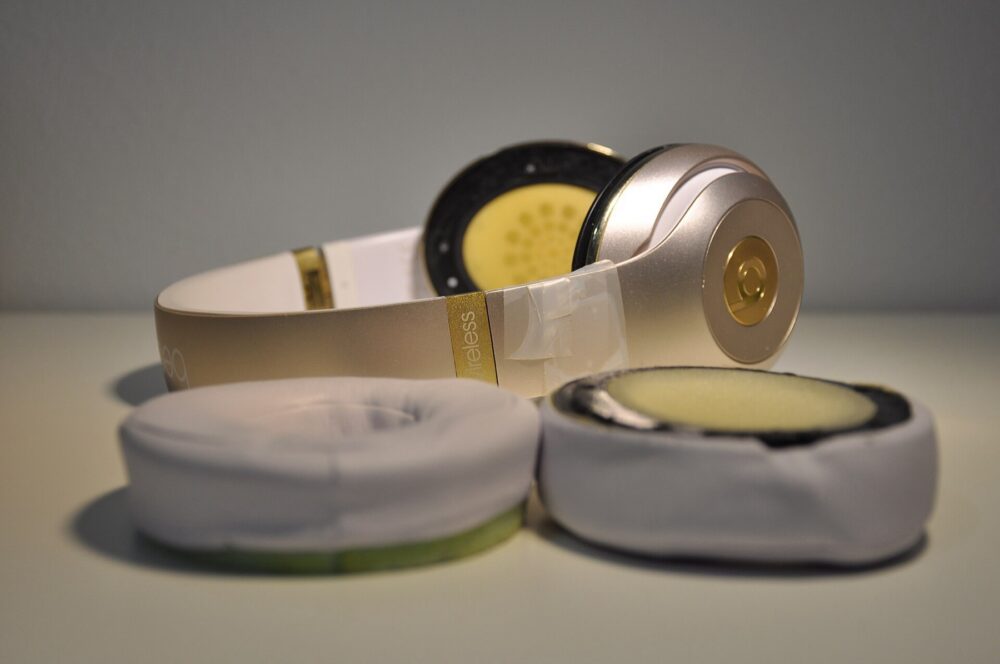
Before you buy any replacement parts—or browse DHgate at all—start by figuring out what actually failed and whether your headphones are worth saving. Most US buyers end up choosing between three routes: brand or local repair for higher-end models, generic DIY parts (including cross‑border marketplaces) for common mechanical issues, or full replacement when the fault is deep in the electronics. DHgate’s role is mainly in the second bucket: cheap, generic hinges, pads, cables, and similar components where you’re willing to accept some fit risk to save money or stock spares.
Understand Your Headphone Problem Before Buying Parts
You’ll choose better parts if you separate mechanical damage from electronic faults first.
Start with a quick check:
- Test with another device. If sound cuts out only on one phone or laptop, you may have a device or jack issue, not a headphone problem.
- Swap another pair of headphones. If those work fine on the same device and jack, the fault is probably in your original headphones.
From here, think in three buckets:
- Mechanical issues (repairable with physical parts)
Examples: cracked headband, broken hinge, loose or torn earpads, exposed plastic showing at the swivel. These often can be fixed with new hinges, screws, headband shells, or pads.
- Cable and plug problems (sometimes DIY‑fixable)
Signs: one channel dead, audio drops when you wiggle the cord, noisy or scratchy sound when the plug moves. Guides like How to Fix Headphones show that cutting and re‑soldering a cable or replacing a 3.5 mm plug is realistic for many wired models if you’re comfortable with basic electronics.
- Driver or internal electronics failure (often not worth it)
Symptoms: total silence in one ear with no visible cable damage, distortion even at low volume, or power/ANC features failing on wireless sets. Independent repair articles note this is the point where many people decide between professional repair and replacement rather than chasing obscure parts.
A quick value check keeps you honest: if your headphones cost $40 and already show heavy wear, sourcing a special driver or complex wireless PCB is rarely worth the time or shipping. For a $250 over‑ear model with a simple hinge crack, spending on a matching mechanical part or a careful DIY fix can be much more sensible.
Small callout: When repair isn’t worth it
If the housing is shattered in multiple places, the drivers are failing, and replacement pads or cables would cost more than half a new midrange set, you’re usually better off treating the current pair as a donor for future cables or cushions.
Match Repair Part Types and Specs to Your Headphones
Once you’ve narrowed the problem, you need to match part type and specifications so you don’t end up with a hinge that doesn’t line up or a cable that doesn’t fit the cups.
Common spare‑part categories and what to check:
1. Hinges, headband shells, and yokes
These fix broken folds and cracked plastic at the earcup junction.
Key compatibility details to confirm:
- Model targeting: Many hinges are sold for specific popular models (e.g., a certain Beats or Bose series). Generic “universal” hinges are risky unless you can compare detailed photos of the screw pattern and socket shape.
- Hole spacing and screw size: Measure or photograph your broken part. Misaligned holes by even a few millimeters can make a replacement unusable.
- Side orientation: Some listings sell left/right hinges separately; buying the wrong side is a common mistake.
For a broken hinge on a mainstream over‑ear headphone, an example path is:
- Identify the exact model and generation from the original packaging or headband printing.
- Search for model‑specific hinge kits first.
- If you can’t find them, consider generic hinges only if you’re willing to drill new holes or accept cosmetic changes.
2. Earpads and cushions
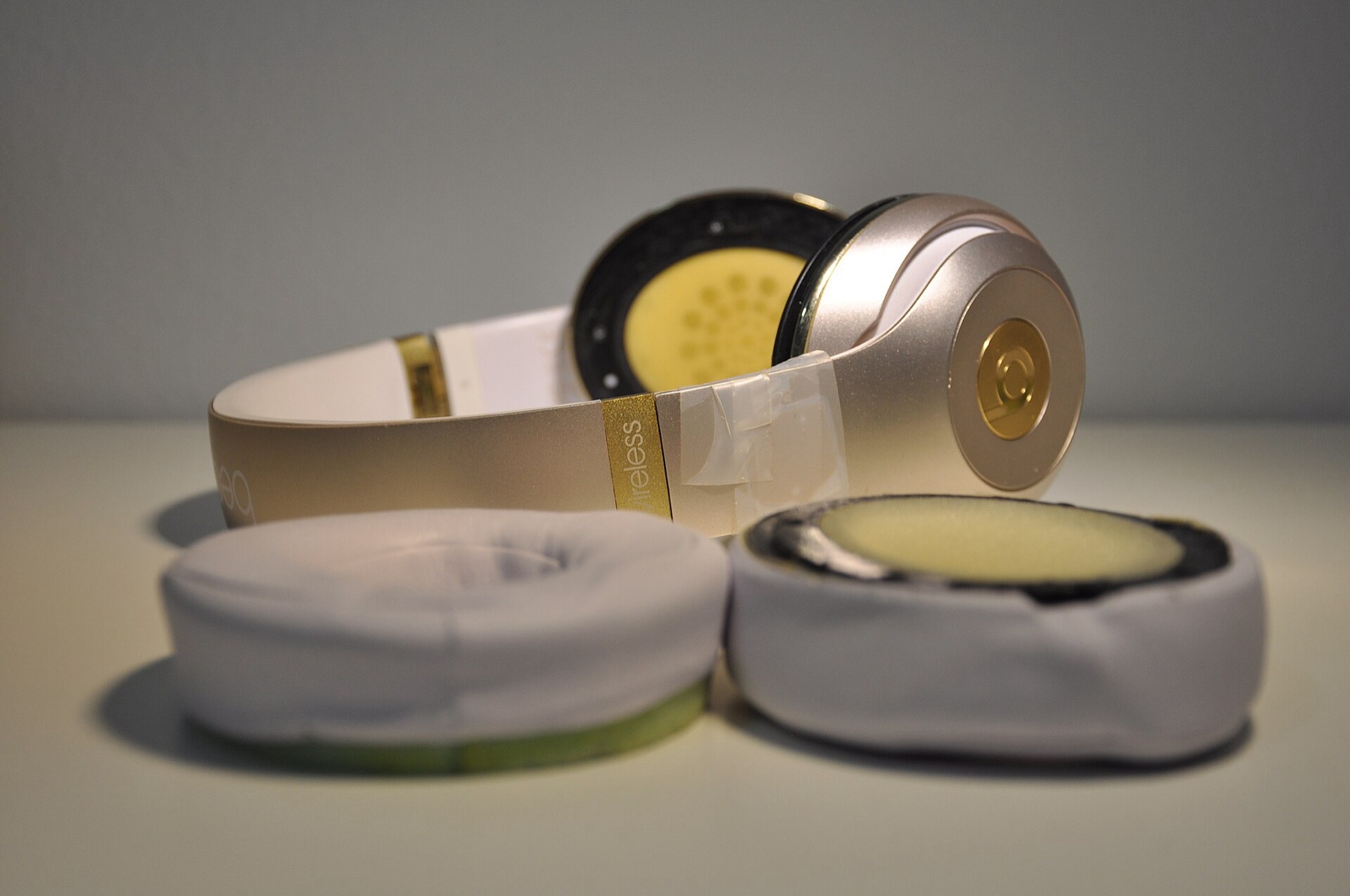
Pads are among the easiest parts to replace and often the best first DIY project.
What to match:
- Mounting style: Snap‑on ring, adhesive pad, or slip‑on sleeve. A ring‑mount pad won’t work on an adhesive cup without modification.
- Outer and inner diameters: Too small and the pad won’t seal; too large and it may cover vents and change sound.
- Material: Protein leather vs real leather vs fabric; comfort and sweat behavior matter if you’ll wear them for hours.
Generic pads can work across brands as long as the mount style and diameter align. Many independent repair guides list pads as a classic budget upgrade because they require no soldering.
3. Cables and plugs (for wired headphones)
Replacing a detachable cable is straightforward; hard‑wired cables are more advanced but still common DIY repairs outlined in pieces like the Headphone Repair Guide.
Compatibility checklist for cables:
- Connector at the headphone end: 2.5 mm vs 3.5 mm, straight vs locking, single vs dual‑entry cable.
- Connector at the device end: Standard 3.5 mm TRS/TRRS, 6.35 mm (¼”), or USB‑C for some modern gear.
- Wiring standard: Mic and volume‑control cables use 4‑conductor layouts (TRRS); pure audio cables only need left/right/ground.
For plug replacement, match plug type (TRS vs TRRS) and be ready to follow a color‑coded wiring diagram from a trusted guide. If that sounds daunting, a full detachable replacement cable is safer than bare connector work.
4. Ear tip sets and minor cosmetic parts
In‑ear headphones often fail at the tips rather than the electronics. Replacement silicone tips are widely compatible if the stem diameter matches. Cosmetic shells and trim pieces are more model‑specific; you’ll usually be better off targeting exact models rather than hoping a generic part matches your particular design.
Here’s a compact way to think about part matching before you consider cross‑border sourcing:
| Part type | Usually repairable DIY? | Needs model‑specific fit? | Good candidate for generic/bulk buys? |
|---|---|---|---|
| Hinges/yokes | Yes, with patience | Often yes | Sometimes, for common designs |
| Headband shells | Sometimes | Usually yes | Rarely |
| Earpads/cushions | Yes | Often no (size-based) | Yes |
| Detachable cables | Yes | Sometimes (connector end) | Yes |
| Hard‑wired cables | Advanced DIY | No (if you re‑terminate) | Yes, as generic wire |
| Ear tips (IEMs) | Yes | No (stem diameter-based) | Yes |
Choosing Where to Buy: DHgate vs Other Channels for Spare Parts
Once you know which part you need and how precise the fit must be, you can decide where to shop. The channel choice is less about “which site is best” and more about matching your risk tolerance, timing, and the type of part.
A practical way to think about it:
- Brand repair programs and local shops are usually best for high‑end or sentimental headphones with complex faults (drivers, ANC modules, wireless electronics). Consumer‑focused pieces from outlets like Consumer Reports emphasize that many owners decide repair vs replacement here after a clear diagnosis and a quick cost estimate.
- Cross‑border marketplaces, including DHgate, tend to shine on price for generic components. DHgate’s own editorial positioning highlights a wide variety of headphones and accessories, often bundled or discounted for bulk buyers, and external overviews describe it as a large cross‑border marketplace where comparing listings and sellers carefully is part of the process.
That makes DHgate a stronger fit for:
- Bulk lots of generic earpads, ear tips, or basic cables for a small repair shop or ecommerce operation.
- Universal hinges and screws when you’re experimenting with DIY fixes on budget or midrange models and can afford a few misses.
It’s a weaker fit for:
If you do consider DHgate or another cross‑border marketplace for parts:
- Treat listing photos as your primary spec sheet—zoom in on hinge geometry, mount rings, cable plugs, and pad measurements.
- Cross‑check several listings for the same part type to get a feel for how consistent the dimensions and descriptions are.
- For larger orders or repair‑business use, start with a small test batch of pads or cables to verify fit before committing to true bulk.
If you need help understanding DHgate’s marketplace structure before you shop for parts there, you can read What DHgate is and how the marketplace works. For broader seller‑quality questions, Find trusted sellers on DHgate and the DHgate order‑readiness checklist offer buyer‑focused guidance.
For both individual US buyers and small ecommerce operations, a simple rule holds up: use brand repair or US channels for precise, high‑value fixes, and consider low‑cost cross‑border sources like DHgate for generic hinges, pads, tips, and cables where modest fit risk is acceptable.