
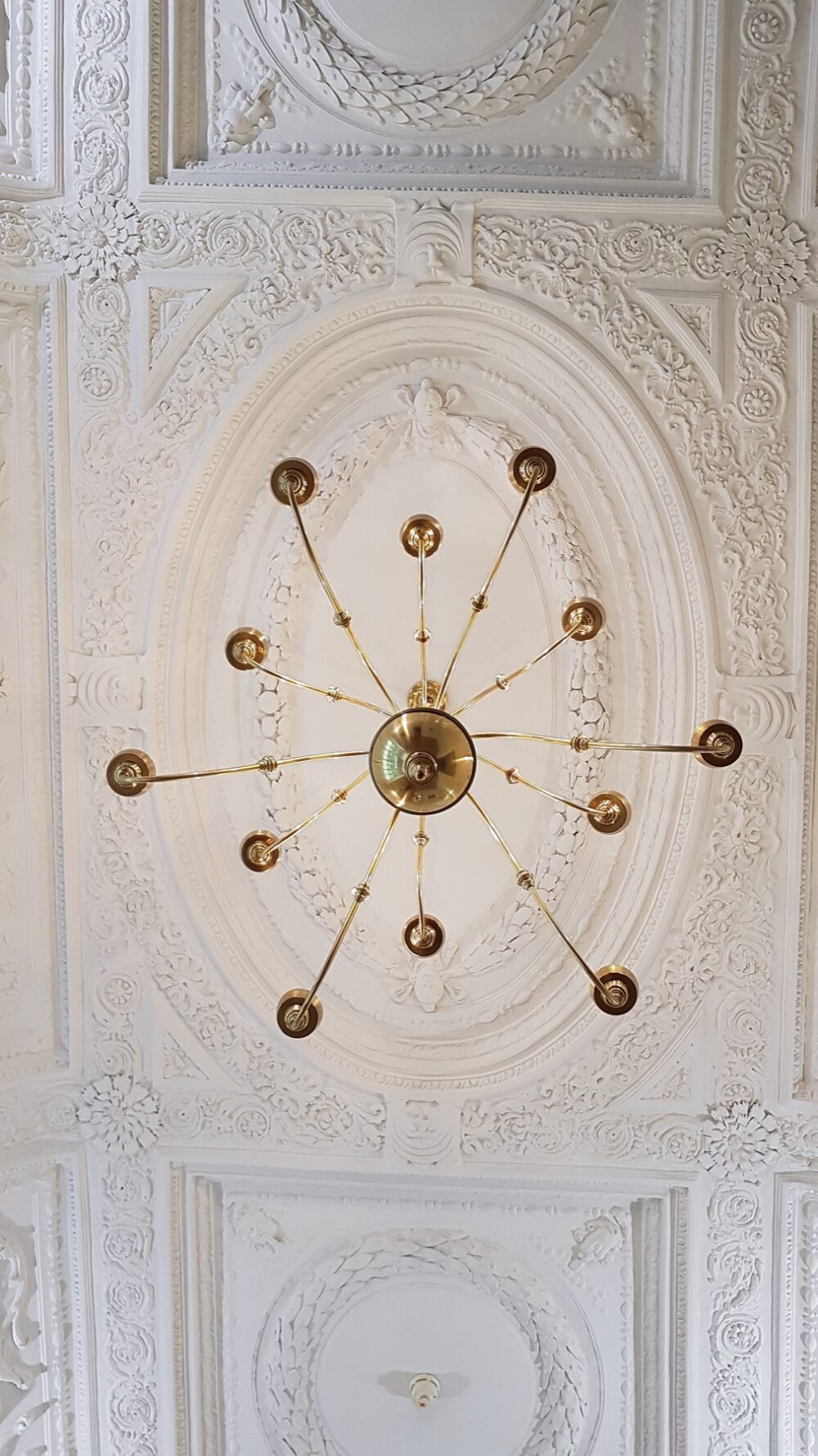
To choose ceiling and chandelier hooks, start with weight and structure, then style. Your hook must be rated for more than your fixture’s weight and fastened into solid material (a ceiling joist or properly sized anchor), not just drywall. Decorative swag hooks are fine for lightweight plug‑in pendants, but a heavy crystal chandelier usually needs a heavy‑duty hook or bracket tied into framing. You can compare options on US hardware and decor marketplaces and, if you’re comfortable with cross‑border sourcing, on international platforms like DHgate.
What Ceiling and Chandelier Hooks Actually Do (and When You Need One)
A ceiling or chandelier hook is a piece of hardware that carries the physical load of a hanging light—its chain, cord, or stem—so the weight isn’t borne only by the electrical box or the drywall.
Chandelier safety guidance stresses two big ideas: match all hardware (including hooks) to the fixture’s weight, and anchor that hardware into solid structure such as a joist or a suitable rated anchor in masonry or concrete, not just plaster or drywall. LED Lighting Info highlights this as a core best practice for avoiding sagging or failure.
You typically need a dedicated hook when:
- You’re swagging a plug‑in pendant or chandelier from a different point than the ceiling electrical box.
- You have a chain‑mounted chandelier and want to carry the chain’s load separately from the wiring box. Installation examples for crystal chandeliers show a ceiling hook near the box for this purpose.
- You’re hanging multiple pendants from a single bar or canopy and need extra intermediate hooks to route chains or cords cleanly.
If your fixture mounts flush to a standard rated ceiling box with no chain or cord, you usually don’t need a hook at all—just the manufacturer’s mounting bracket.
Key Hook Types and Specs: Swag, Utility, Decorative, Heavy‑Duty
Hook makers and marketplaces sell several variants, usually with a stated load rating. Exceeding that rating increases the risk of failure, as manufacturers like Lampfix explain.
Here are the main types you’ll see when browsing US sites or global marketplaces:
| Hook type | Typical mounting | Typical use case | What to watch for |
|---|---|---|---|
| Swag / decorative | Screw‑in base plate to ceiling; sometimes with a toggle or anchor | Lightweight plug‑in pendants, small swag chandeliers | Often lower load ratings; mostly about looks, not heavy support |
| Simple utility | Exposed screw‑in hook or hook with small base | Garage/storage hooks, basic pendant support | Plain but strong; check that the load rating matches or exceeds fixture weight |
| Vintage / ornate | Larger decorative plate with integrated hook | Period‑style chandeliers, visible in formal rooms | Plate size and pattern; ensure real metal, not fragile resin, carries the load |
| Heavy‑duty hook / loop | Plate plus thick steel hook or closed loop, often with multiple screws | Heavy crystal or multi‑tier foyer chandeliers | Higher load ratings; needs solid structure behind it |
Marketplace pages like Etsy’s ceiling lamp hooks show this spread clearly—from tiny white plastic hooks for delicate cords to substantial brass and steel options meant to be seen.
Key specs to compare:
- Load rating: Often given in pounds or kilograms. Always choose a hook rated comfortably above your fixture’s total weight (fixture + chain/cord).
- Mounting method: Screw directly into wood framing, use a toggle in drywall, or bolt into concrete/brick. Some hooks include anchors; others expect you to choose your own.
- Material: Steel and solid brass are common for weight‑bearing hooks. Thin pot metal or decorative resin should not be trusted for heavy loads.
- Profile and finish: For visible hooks, match the finish to your fixture (black, brass, nickel, white) and pick a shape that fits your room’s style.
How to Choose the Right Hook (Including When DHgate Is a Realistic Option)
Use this simple workflow to pick a hook that’s safe and looks right. This applies whether you buy at Home Depot, Lowe’s, Walmart, Etsy, or cross‑border on DHgate.
1. Identify your scenario and approximate weight
Common US use cases:
- Swagging a plug‑in pendant over a dining table: These fixtures are often light. A decorative swag hook can work, but still check the listing’s load rating and your plaster/drywall condition.
- Hanging a heavy crystal foyer chandelier from a chain: Weight can be substantial. You’ll want a heavy‑duty hook or loop specifically marketed for chandeliers, tied into a joist or rated brace. Local lighting or hardware suppliers are usually the safer first stop here.
- Routing multiple pendants from a bar: Each cord is light, but together they add up. You may need a mix of a main heavy‑duty support and small utility hooks for cord management.
If you don’t know the weight, check the fixture spec sheet or look up similar models on reputable lighting retailers to get a ballpark.
2. Check your ceiling structure
Before you decide where to buy, decide how the hook will attach:
- If you can hit a wood joist, a screw‑in steel hook with a proper pilot hole is often the most straightforward and robust solution.
- If you’re in drywall or plaster only, you may need a toggle or other rated anchor. Lightweight swag installations can use this approach, but heavy chandeliers generally shouldn’t rely solely on hollow‑wall anchors.
- In concrete or brick, look for hooks that can take expansion anchors or bolts rated for the load.
Chandelier safety guides like LED Lighting Info repeatedly emphasize that the structural attachment is as important as the hook itself.
3. Pick the hook type and material
- For light plug‑in swag pendants: a decorative swag hook in steel or solid brass is usually sufficient; match the color to your cord and canopy.
- For medium fixtures (kitchen pendants, small chandeliers): a sturdy utility or decorative hook rated above your fixture weight, screwed into a joist or strong anchor.
- For heavy, multi‑tier chandeliers: look for heavy‑duty hooks or suspension kits specifically described as suitable for chandeliers, ideally via sellers who clearly state load ratings and show hardware details.
Here, low‑cost cross‑border options (including DHgate) can make sense for light or medium loads where failure risk is low and you’re comfortable inspecting the hardware yourself. For very heavy fixtures, most buyers are better off with US code‑tested hardware from established lighting or building channels, even if it costs more.
4. Compare sourcing channels, including DHgate
Once you know what you need, you can decide where to shop:
- Local hardware/home‑center: Good for straightforward utility and heavy‑duty hooks, with the advantage of seeing thickness and finish in person.
- Decor marketplaces (Etsy, specialty lighting sites): Best if you care about vintage or ornate style and want the hook to be part of the design. Listings often show real‑world photos of hooks with fixtures.
- Cross‑border marketplaces such as DHgate: Useful as broad discovery platforms for lighting‑related products and for saving money on batches of simple hooks or decorative variants. Because you can’t verify the metal quality or rating in person, treat listings cautiously—prioritize clear load specs, detailed photos of the hardware, and avoid using any inexpensive, unverified hook for a heavy chandelier.
If you do look at DHgate for hooks while sourcing fixtures or other lighting hardware, it’s worth understanding how the marketplace works and how to evaluate individual sellers and listings rather than assuming everything is suitable for weight‑bearing installations. Resources like What DHgate is and how the marketplace works and Find trusted sellers on DHgate can help you frame that piece of the decision.
5. Do a final safety sanity check
Before you buy—or especially before you hang anything over people or furniture—run through this quick mental checklist:
- Does the hook’s stated load rating comfortably exceed your estimated fixture weight?
- Is your attachment point solid structure and not just fragile plaster or drywall?
- Are you confident the hook’s material and thickness match the load claim (no flimsy, decorative‑only pieces for heavy loads)?
- For very heavy or complex fixtures, do you need a licensed electrician or contractor instead of DIY hardware choices?
For additional DHgate platform context, use Review the DHgate order-readiness checklist.
If any of these answers are shaky, upgrade the hardware or source through a more conservative channel. Saving a few dollars on a ceiling hook is never worth questioning whether the fixture will stay up.