
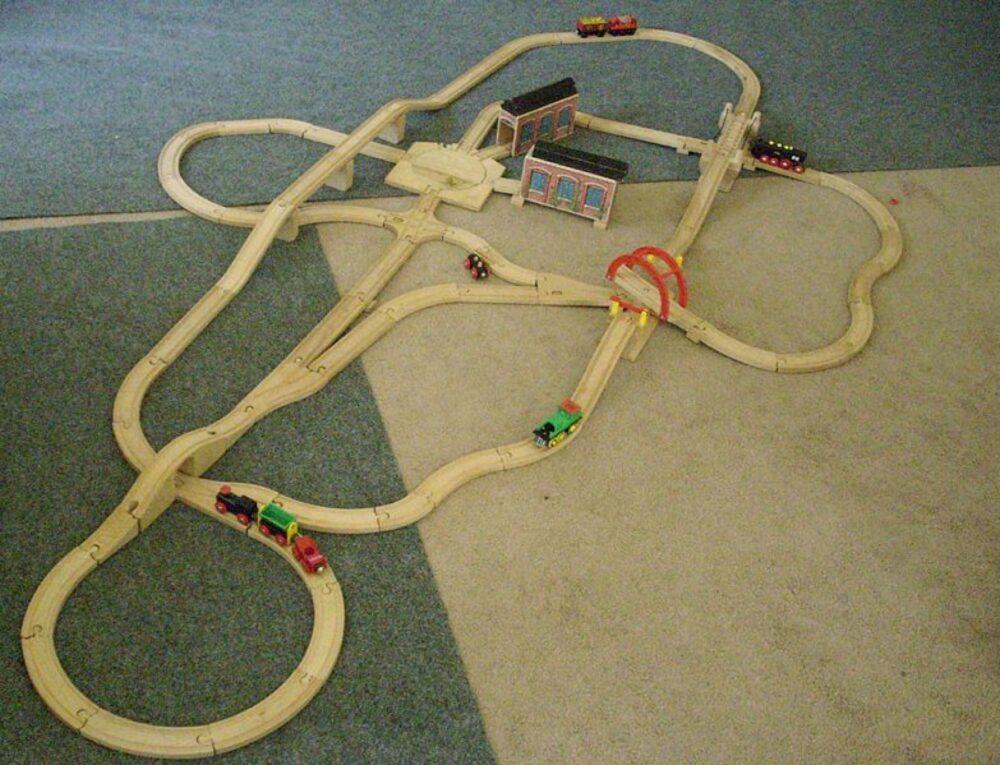
If you already have a Brio-style wooden railway, the safest way to choose bridge supports and accessories is to start from the track system you own, then match elevation pieces by connector style, height, and material. Official Brio stacking supports and branded accessories are the most predictable fit, but third‑party and custom parts can expand your layouts cheaply. DHgate only enters the picture for generic, Brio‑compatible wooden train components in bulk; it is not a source of official Brio spares.
Brio tracks generally follow the same basic dimensions as other major wooden railway brands, so you can mix official Brio accessories with compatible supports from specialist sites and 3D‑printed makers if you check fit carefully.
What Brio-Style Bridge Supports and Accessories Actually Are
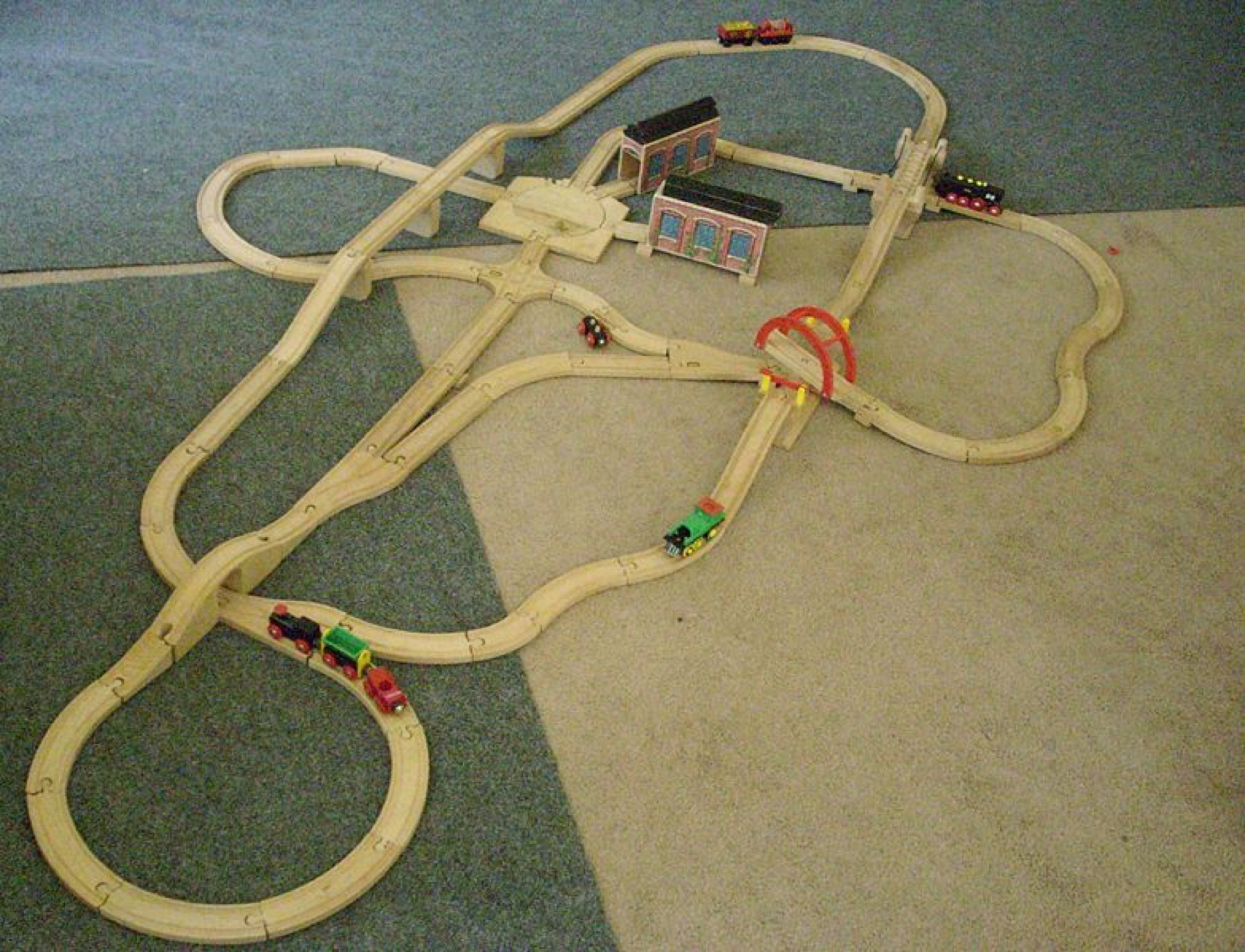
For Brio-style systems, “bridge supports” are the pieces that hold elevated track segments and bridges at a set height. Official Brio stacking supports are one example: they’re designed to sit under track sections and can be stacked to raise the rails higher, all within Brio’s wooden railway ecosystem. You’ll find these under Brio’s accessories category, where they sit alongside tunnels, bridges, and track packs focused on layout expansion.
Beyond supports, key accessories for a Brio-style layout include:
- Standalone bridges (arch bridges, suspension bridges) that span over roads or lower tracks.
- Tunnels and risers that let trains pass under elevated sections.
- Elevation ramps and ascending track that connect ground level track up to a supported bridge.
- Scenery accessories like stations, cranes, and road pieces that interact with elevated track.
Families use bridge supports to fix broken layouts or to add vertical interest for kids who are bored with flat loops. Small ecommerce sellers use the same parts to build mix‑and‑match accessory bundles: official Brio when they can get it, plus compatible generic supports and custom 3D-printed bridges to hit different price points.
Comparing Support Types and Wooden Train Accessories
Once you know you’re shopping for Brio-style pieces, the next step is choosing the right support type. These options change both how high you can go and how flexible your layout becomes.
Major support and accessory types
You’ll often see at least four distinct categories:
- Stacking, elevated supports – Compact blocks or trestles that stack to different heights underneath straight or curved track. Sellers like Woodentracks stacking elevated supports market them as compatible with Brio and similar brands; they’re meant for basic overpasses or gentle multi-level designs.
- Bridge super supports – Larger, taller risers built to carry long bridges or multi‑track spans. Products sold as “bridge super supports” by sites such as Woodentracks show a much more robust footprint and height, aimed at dramatic overpasses or double‑deck layouts using standard wooden tracks.
- Arch bridges and tunnel supports – These combine elevation with a pass‑through opening. Makers like Baymo3D’s arch bridge support design 3D‑printed risers where a track can run over the top while another track or road runs through the arch, effectively acting as both bridge support and tunnel.
- Custom 3D‑printed accessories – Etsy and independent shops offer 3D‑printed bridge kits, transition pieces, and specialty supports marketed as fitting Brio, IKEA Lillabo, Bigjigs, and similar sets. These often target niche needs: unusual heights, compact footprints for small tables, or decorative themes you won’t find in official catalogs.
Here’s a compact comparison of these types:
| Type | Typical Height Range* | Footprint on Table | Layout Flexibility |
|---|---|---|---|
| Stacking supports | Low to medium | Small | Good for simple overpasses and gentle ramps |
| Bridge super supports | Medium to high | Larger, wide base | Best for long bridges, multi‑level spans |
| Arch/tunnel supports | Low to medium | Moderate | Adds both elevation and underpasses/tunnels |
| Custom 3D‑printed pieces | Varies by design | Varies | Solves specific height/space problems |
\*Heights are relative descriptions; specific measurements depend on each seller’s listing.
For accessories beyond supports, you can think in similar terms: a long suspension bridge needs taller, wider supports; a short arch bridge or tunnel piece works with modest risers and tighter curves.
Buying Criteria and When DHgate’s Generic Options Make Sense
From a buyer’s point of view, most of the risk is about fit and durability, not about finding something labeled “Brio.” Before you add any support or accessory to your cart, walk through these concrete checks.
1. Track system compatibility
Start with the brand mix you already own:
- Connector style and width – Brio uses the familiar peg‑and‑slot wooden track connectors. Many third‑party supports, like the ones sold through Woodentracks, are explicitly described as compatible with “Brio and similar” systems. Treat that as a seller claim, not a guarantee: check product photos against your existing track ends to confirm shape and spacing.
- Cross‑brand fit – Some 3D‑printed arch supports, such as Baymo3D’s listing mentioned above, are marketed as fitting Brio, IKEA, and Bigjigs. That kind of multi‑brand claim is helpful if your household collection is mixed, but still worth validating with dimensions or user photos in reviews.
If you’re a small reseller building bundles, choosing pieces marketed as compatible across several major brands broadens your customer base.
2. Elevation design: height, stability, and footprint
Ask yourself how high you actually want to go and where the layout will sit.
- Height vs. table space – Stacking supports are compact and easier to fit on a coffee table or play mat. Super supports take more room, but open up multi‑level layouts that are visually impressive and can justify a higher bundle price for resellers.
- Stability – Higher spans mean more potential wobble. Wide‑base super supports or arch designs that distribute weight across multiple contact points generally feel more secure under heavy play than narrow, single‑column risers.
- Ramp transitions – Make sure you have enough ascending/descending track pieces to connect ground level to your chosen height. A pile of tall supports without ramps will frustrate kids quickly.
3. Material and finish
Most Brio‑style parts are wood or 3D‑printed plastic.
- Wooden supports – These match the look and feel of Brio track. For home use, a smooth finish with no splinters is key. For a micro‑business, consistent grain and finish matter because mixed‑quality wood looks cheap in product photos.
- 3D‑printed parts – Custom supports from Baymo3D or Etsy makers can add unique shapes and colors. Look closely at listing photos for layer lines and potential weak points, especially on slimmer arches or tall risers.
In both cases, you’ll want to check seller descriptions for age recommendations and any mention of using child‑safe finishes, but don’t assume that equals formal safety testing unless the seller states specific certifications.
4. How DHgate fits into the picture
DHgate is a marketplace that connects international buyers with Chinese suppliers across many categories, including toys, and is commonly used for economical bulk orders. For Brio-style bridge supports and accessories, that makes sense in specific scenarios:
- Generic compatible sets – If you’re a small ecommerce seller looking for unbranded bridge-and-track bundles that claim compatibility with “popular wooden train brands,” DHgate can be a discovery channel for bulk wooden train components at competitive pricing.
- Margin play, not brand purity – Because DHgate is not an official Brio channel, you should treat anything Brio‑related there as generic compatible product. Use it to build budget accessory packs, and keep official Brio accessories from brand-authorized sources for customers who care about matching logos.
Before committing to any DHgate listing, apply the same compatibility and material checks as above, then layer in your usual marketplace due diligence: seller history, detailed photos, and clear descriptions of track fit. For a deeper look at how the marketplace itself operates, you can read What DHgate is and how the marketplace works and pair that with guidance in Find trusted sellers on DHgate.
5. Assortment strategy for small sellers
If you’re stocking an online shop or local pop‑up, a practical mix looks like this:
- Official Brio or high‑end compatible supports and bridges as your premium tier.
- 3D‑printed specialty pieces from makers like those on Etsy or Baymo3D to differentiate your catalog.
- Carefully vetted generic bridge-support sets from cross‑border marketplaces such as DHgate as value options with higher margins.
For additional DHgate platform context, use Review the DHgate order-readiness checklist.
That blend keeps your layouts broadly Brio-compatible, offers visually interesting elevation builds, and gives budget‑conscious families a cheaper way to repair or expand their wooden train setups without locking you into a single supplier or brand.