
You choose a 4‑stroke bike engine kit by matching the engine size and mounting style to your actual frame, then checking that the kit is complete enough for your build. For Canadian riders and small e‑commerce shops, that usually means deciding between a compact 49cc kit that feels moped‑like and larger 80-100cc kits, and between in‑frame mounts and rear rack/gearbox kits that fit more frames. Once you know which style you need, you can compare complete kits across specialist motorized bicycle retailers, manufacturing platforms like Made‑in‑China, and broad marketplaces such as DHgate, using specs and real reviews instead of branding alone.
What 4‑stroke bicycle engine kits are and who they suit
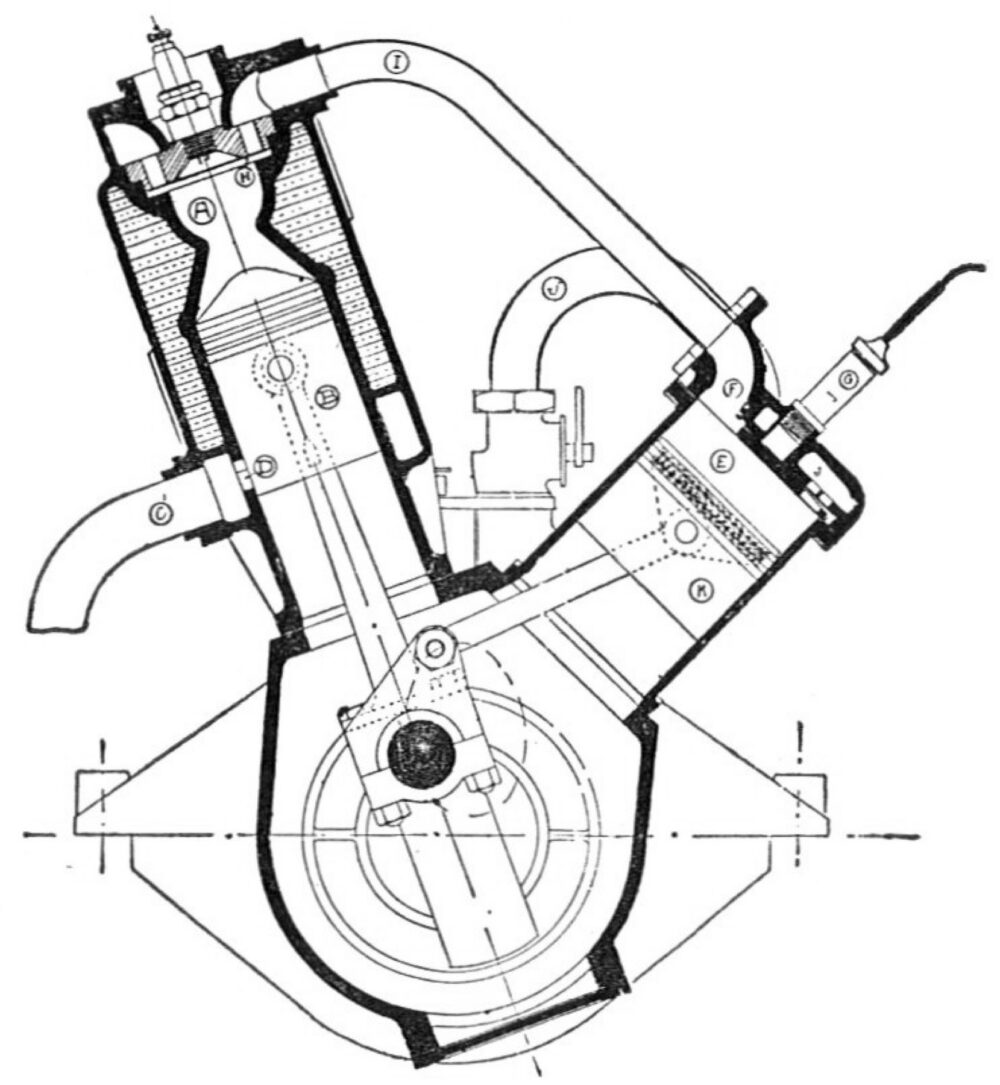
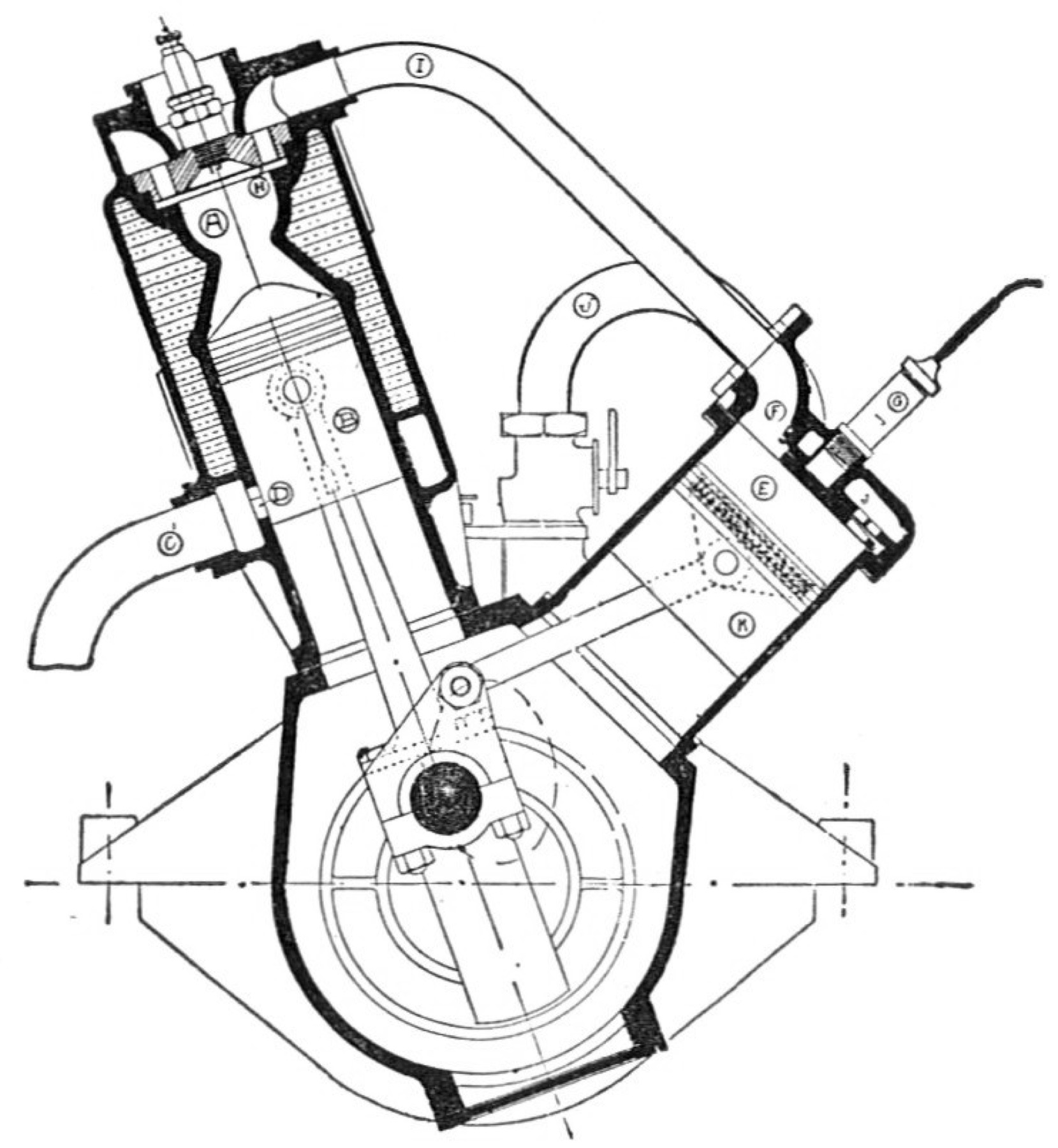
A 4‑stroke bicycle engine kit is a gas engine plus the hardware needed to convert a pedal bike into a motorized bike. A typical kit bundles the 4‑stroke engine, drive system (chain or belt plus gearbox), mounting hardware, throttle, and basic controls. You bolt it to your existing bike rather than buying a full moped.
Compared with 2‑stroke kits, 4‑stroke kits trade some cost and weight for a calmer, more practical ride. They generally run quieter, deliver smoother power, and don’t require you to mix oil into your gasoline, so there’s less exhaust smell and a more “small scooter” feel.
That makes 4‑stroke kits a better fit for:
- Riders who want a quieter bike for regular street use.
- Commutes where you care about smoother acceleration and less drama at neighborhood speeds.
- Small businesses building motorized bikes for casual riders who may not want the hassle of premix fuel or extra noise.
If you mainly care about the cheapest possible build and a very light setup for a tight frame, a 2‑stroke kit still might be better. But if you want something you can live with day‑to‑day, 4‑stroke is usually the more sensible starting point.
For a deeper comparison of ride feel and practicality between 2‑stroke and 4‑stroke bicycle kits, see 2 Stroke vs 4 Stroke Bicycle Engine Kit: Which to Buy?.
Key 4‑stroke kit types, specs, and fit constraints
Before you compare brands or marketplaces, you need to lock in three things: displacement, mounting style, and how complete the kit is.
Displacement ranges and what they feel like
Most 4‑stroke bicycle kits cluster in two displacement bands:
- Around 49cc – Typically used for calmer builds and riders who want a moped‑like feel. Power is modest but enough for flat city riding and light hills. Weight is lower and fuel use is restrained.
- 80-100cc – Heavier and more powerful. These kits suit riders who want stronger acceleration, more hill capability, or to carry heavier loads. They add more weight to the frame and feel closer to a small motorcycle than a bicycle.
For a first build on a standard mountain or hybrid bike, starting around 49cc is usually the least stressful: it’s easier to mount, more forgiving for new riders, and less likely to highlight weak brakes or wheels.
In‑frame vs rack/gearbox mounting
How and where the engine physically attaches to the bike is the constraint most shopping pages gloss over, but it’s often the deciding factor between “this fits” and “send it back.” Kits usually fall into two broad layout families.
| Mounting style | Where it sits | Typical fit profile |
|---|---|---|
| In‑frame (triangle) | Inside the main frame triangle | Best on larger steel frames with generous triangle space. |
| Rear rack / gearbox | Above rear wheel, driving chain | Easier on compact frames, step‑throughs, and bikes with small triangles. |
| Mixed / custom mounts | Brackets from seat or down tube | Niche kits; check dimensions closely and expect more fabrication work. |
In‑frame 4‑stroke kits mount the engine inside your front triangle. Because 4‑strokes are bulkier than 2‑strokes, you need more space between your top tube, down tube, and seat tube. On many modern mountain bikes with sloping top tubes and rear suspension linkages, that space simply isn’t there.
Rack‑mounted / gearbox kits sit over the rear wheel and drive the bike via a chain or belt and gearbox. These often fit more frames—including compact city bikes, step‑through frames, and some smaller sizes—because they don’t rely on a big open triangle. You’re trading a higher center of mass at the back for much easier frame compatibility.
From a practical standpoint, if your bike has a tight frame or unusual geometry, starting your search with rack/gearbox kits will save you time and mistakes.
Frame geometry and real‑world fit
Even within those categories, the exact tubes on your bike matter:
- Sloping or curved top tubes reduce triangle volume and can block in‑frame engines.
- Oversized down tubes (common on modern aluminum frames) can make universal mounts and clamps sit poorly.
- Rear suspension often interferes with both in‑frame and some rack mounts.
Because of that, many riders with compact frames end up choosing rack‑mounted 4‑stroke kits simply because they’re more likely to clear all the tubes and linkages. You shouldn’t assume your frame will fit just because a listing says “fits most bikes”—always compare the engine’s published length, height, and mounting bracket span against your actual frame measurements.
Kit completeness: what’s actually included
Listings use “kit” loosely. Some sellers ship a full conversion kit with engine, gearbox, mounts, tank, throttle, cables, and basic wiring. Others only sell the bare engine plus gearbox, expecting you to source mounts and controls separately.
For a first build or a small Canadian shop assembling customer bikes, look specifically for:
- Clear mention of mounting hardware for your intended layout (in‑frame vs rack).
- A compatible gearbox/drive system rated for the engine size.
- Throttle and kill switch controls, not just the engine.
If the listing doesn’t spell this out, budget extra time and money for sourcing parts piecemeal.
Buying factors and marketplace options, including DHgate
Once you know what size and mounting style you need, you’re ready to pick a specific kit and a place to buy it. The real differentiation is in how carefully each listing describes the engine and the fit.
Practical quality and spec checks
Regardless of marketplace, focus your comparison on:
- Displacement and intended use – A 49cc kit for calm street riding vs an 80-100cc kit for heavier loads. Make sure the seller’s description matches how you plan to ride.
- Mounting diagrams and measurements – Good listings show how the kit mounts and provide dimensions for the engine and brackets. Compare these to your frame before you commit.
- Kit completeness – Confirm in the description whether you’re getting a full conversion kit or just the engine and gearbox.
Specialist motorized bicycle retailers such as Bicycle‑Engines.com and BikeBerry, mentioned by Motorized Bicycle HQ, typically present their kits with more detailed spec sheets and fit notes. Manufacturing and B2B platforms such as Made‑in‑China’s 4‑stroke bike engine buying guide often give granular engine model and dimension data, which is useful for small e‑commerce buyers planning repeatable builds.
Comparing marketplace options, including DHgate
DHgate is described in its editorial content as a large e‑commerce marketplace connecting buyers and sellers worldwide, with wide variety on motorcycle‑related accessories and parts.Source That breadth can be useful if you’re exploring less common 4‑stroke kit layouts or looking for multiple suppliers to compare.
On broad marketplaces like DHgate, the company’s blog recommends that buyers search widely, filter results, and then read product descriptions and reviews carefully to confirm that a motorcycle body kit is compatible and includes all necessary components.Source The same habits apply when you’re looking at 4‑stroke bike engine kits: rely on specs, photos, and past buyer feedback, rather than brand names alone.
For Canadian buyers and small shops, a practical approach is:
- Use specialist retailers or manufacturing platforms when you need a well‑documented, repeatable 49cc or rack‑mounted 4‑stroke kit for customers.
- Use broad marketplaces such as DHgate more for product discovery and price/feature comparison, stepping back if a listing does not give the mounting details and measurements you need.
If you can’t confirm fit and kit completeness from the listing itself, treat that as a signal to look elsewhere—there are enough 4‑stroke kit options on specialist and manufacturing platforms that you don’t need to gamble on vague descriptions.
For more context on using DHgate as a marketplace, see What DHgate is and how the marketplace works, Find trusted sellers on DHgate, and the DHgate order‑readiness checklist before checkout.