
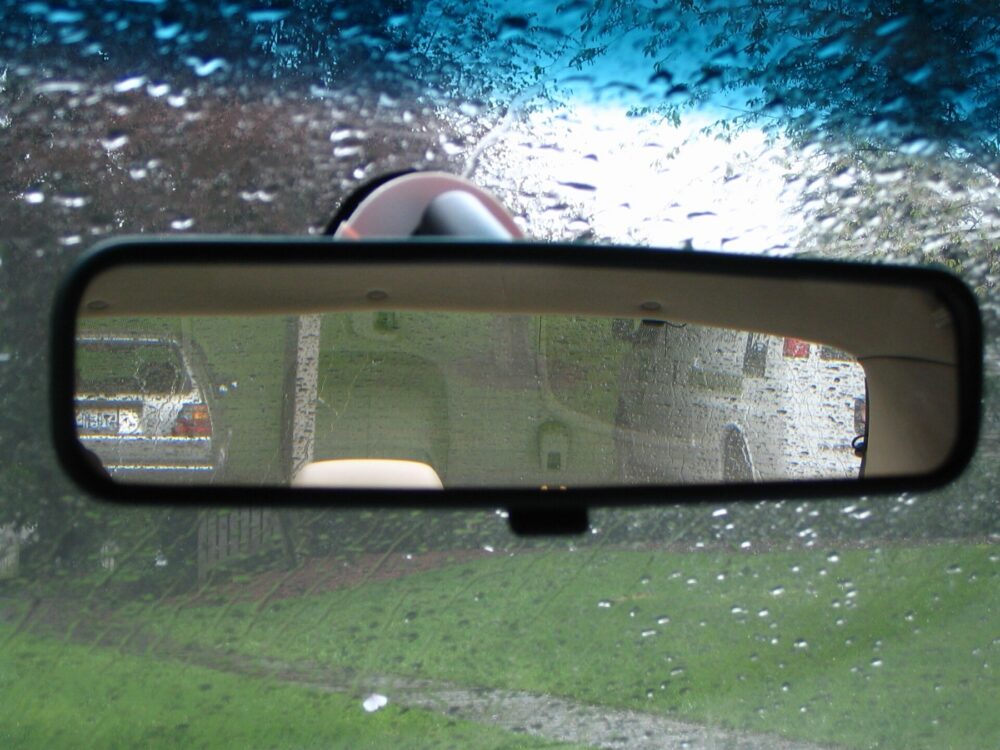
If you’re replacing the interior rear view mirror on a 2026 VW Passat, you can’t just grab any square mirror that looks close. You need to match three things: how it mounts to the windshield or roof, which electronics it supports (auto-dimming, sensors, Homelink-style buttons), and the trim pieces around it. Once you know that spec, you can choose between a genuine VW-style part from a US retailer, a generic aftermarket mirror, or a cross‑border marketplace option such as DHgate—accepting that generic listings may not spell out Passat‑specific fit.
What counts as a correct rear view mirror for a 2026 VW Passat?
On late-model Volkswagens, the interior rear view mirror is a calibrated part of the safety and comfort package, not just a piece of glass. Specialist catalogs like FCP Euro’s Passat interior rear view mirror section group mirrors by model and year, which is a strong hint that your 2026 Passat needs a mirror matched to its exact configuration.
Three factors define a “correct” mirror:
- Mounting style
VW uses specific mounts and covers. Some Passat mirrors attach to a windshield button with a shaped plastic cap that ties into the headliner, while others integrate more directly with overhead electronics. Parts sites separate “interior rear view mirror” from “mirror cap” and list multiple cap part numbers, reinforcing that the mirror body and its trim must suit your exact cabin layout.
- Electronics and wiring
Many late-model VW mirrors aren’t just passive glass: they can house light sensors for auto-dimming, possibly tie into assist systems, and in enhanced versions carry Homelink-style garage door buttons. That means your existing harness behind the mirror has a specific connector and pinout. Swapping from a basic to an enhanced mirror often means checking compatibility by year range and platform, as seen in suppliers that offer enhanced mirrors covering 2010-2026 VW models.
- Platform sharing, but not universal fit
Cross-model listings such as Go-Parts’ interior rear view mirror page for Passat, Golf, and Jetta 2009-2026 show that some hardware spans several VW models and years. That can help if you’re sourcing used parts or generic replacements, but it doesn’t mean every 2016-2026 VW mirror will bolt into your car. You still need confirmation that the part number or fit notes explicitly cover your 2026 Passat.
If you’re unsure, checking your existing mirror’s part number (usually on the back of the housing) against a Passat-specific parts catalog is the safest starting point before you start comparing prices or marketplaces.
Mirror variants for late-model Passat: basic, auto-dimming, and Homelink-style
Late-model Passats generally fall into three interior mirror categories, which you’ll see echoed on aftermarket sites like ECS Tuning’s Passat interior mirror listings:
1. Basic manual mirrors
These are the standard, non‑electronic mirrors. Typical traits:
- No power connector or sensors on the back.
- Manual flip tab for nighttime anti‑glare.
- Compatible with cars without auto‑dimming or Homelink options.
A basic mirror is usually the easiest to match visually, but you still need the right mount and cover so it doesn’t leave gaps in the headliner or around the windshield button.
2. Auto-dimming mirrors
Aftermarket catalogs distinguish “standard” mirrors from “auto-dimming” units for Passat. Auto-dimming versions typically add:
- A forward-facing light sensor in the mirror housing.
- A wiring connector for power and sometimes CAN bus signals.
- No flip tab; dimming is electronic.
If your 2026 Passat already has auto-dimming, you’ll see a sensor window and a harness behind the mirror. Replacing it with a non‑dimming mirror would be a downgrade and might confuse the car’s interior lighting logic, while installing an auto-dimming mirror on a car that wasn’t wired for it can leave you with a nonfunctional feature unless you’re ready to modify wiring.
3. Homelink-style enhanced mirrors
Homelink-style mirrors add integrated garage-door and gate opener buttons to the mirror housing. They’re a known upgrade on VW platforms and are sold as Passat-compatible parts. For example, ConquestAuto offers a “2010-2026 Volkswagen enhanced rear view mirror w/ Homelink” marketed as OEM-style and compatible across multiple VW models and years, showing that feature‑rich options exist across the same general timeframe as a 2026 Passat (ConquestAuto listing).
Key trade-offs with Homelink-style mirrors:
- Pros: Clean integration of opener buttons, often combined with auto-dimming; frees up visor or console add‑ons.
- Cons: Higher cost, stricter compatibility requirements, and more wiring complexity.
Here’s a compact overview of how these variants differ:
| Mirror type | Typical wiring | Main features | Fit sensitivity for Passat |
|---|---|---|---|
| Basic manual | None or simple 2‑wire | Plain glass, flip tab only | Mount/trim must match; wiring simple |
| Auto-dimming | Powered connector | Electronic dimming via sensors | Needs auto-dimming wiring and correct sensor orientation |
| Homelink-style enhanced | Powered connector, more pins | Auto-dimming plus Homelink-style buttons | Needs correct wiring, programming, and VW‑specific compatibility |
Your decision is partly comfort (do you want the extra features?) and partly honesty about how much electrical work you’re willing to take on.
How to choose between OEM-style, aftermarket, and cross‑border options (including DHgate)
Once you know your mirror type and part number, you can start comparing sources. Think in three passes: spec, quality signals, and channel fit.
Step 1: Lock in the spec across all channels
- Confirm part numbers or year ranges.
Use a Passat‑focused catalog such as FCP Euro’s interior rear view mirror page or a cross‑model listing like Go-Parts’ 2009-2026 VW mirror coverage. Grab the exact VW part number or documented year/model range.
- Translate that spec to more generic marketplaces.
When you look at broader sites (eBay, generic auto-parts retailers, or cross‑border marketplaces like DHgate), search using both “Volkswagen Passat” and that part number. Ignore listings that only say “VW mirror” or “fits many models” without a clear 2010-2026 Passat callout; that’s where misfits happen.
- Match wiring pictures, not just words.
For auto-dimming or Homelink-style mirrors, insist on clear photos of the rear connector and sensor windows. Compare them to your existing mirror before you buy, especially if you’re sourcing from overseas where returns may be harder to navigate.
Step 2: Compare OEM-style vs aftermarket value
Here’s how the three broad options usually stack up for a 2026 Passat interior mirror:
- OEM-style from VW-focused retailers (FCP Euro, ECS Tuning, ConquestAuto, etc.):
These listings tend to be tightly cataloged by model/year and mirror type, with better documentation of compatibility. They’re a strong fit if you want plug‑and‑play replacement and are willing to pay more for that confidence.
- Aftermarket or “unbranded” mirrors from general auto-parts sites:
You can find plain interior mirrors and sometimes auto-dimming units listed for Passat, but they may rely on broad year ranges or platform labels. They can be fine for basic manual mirrors where fit is mostly mechanical, but for feature‑rich mirrors you need extra scrutiny of wiring and functionality.
- Cross‑border marketplaces (including DHgate):
DHgate’s own editorial blog describes it as a large marketplace for auto parts and a low‑cost wholesale option compared with other vendors, which is consistent with its positioning as an online giant for auto parts offering traders low-cost items (DHgate blog auto parts overview). That can make it attractive if you’re a small ecommerce business exploring bulk sourcing of generic interior mirrors or if you’re comfortable trading more research time for lower unit cost.
Step 3: Decide when cross‑border sourcing makes sense
Cross‑border sourcing—DHgate, other China-based marketplaces, or overseas eBay sellers—can make sense when:
- You need generic interior mirrors (for example, basic manual units for resale or universal upgrades) where exact Passat fit is less critical.
- You’re a small ecommerce seller looking for bulk pricing on generic mirrors and will handle fit questions with your own customers.
- You’re comfortable with longer lead times and doing extra due diligence on photos, specs, and seller history.
By contrast, stick to OEM-style or well-documented aftermarket parts from Passat-focused retailers when:
- You want an auto-dimming or Homelink-style mirror that integrates cleanly with a 2026 Passat’s wiring and interior electronics.
- You’re replacing a safety‑related component and prefer a clear, model‑specific compatibility trail over price savings.
For additional DHgate platform context, use Review the DHgate order-readiness checklist.
If you do explore DHgate for broader auto parts needs, it’s worth understanding how the marketplace works and how to vet individual sellers. Articles like What DHgate is and how the marketplace works and guidance on finding trusted sellers on DHgate can help you frame that separate decision. But for your 2026 Passat rear view mirror, start with the mirror type, mount, and part number—then let those specifics drive where you buy.