
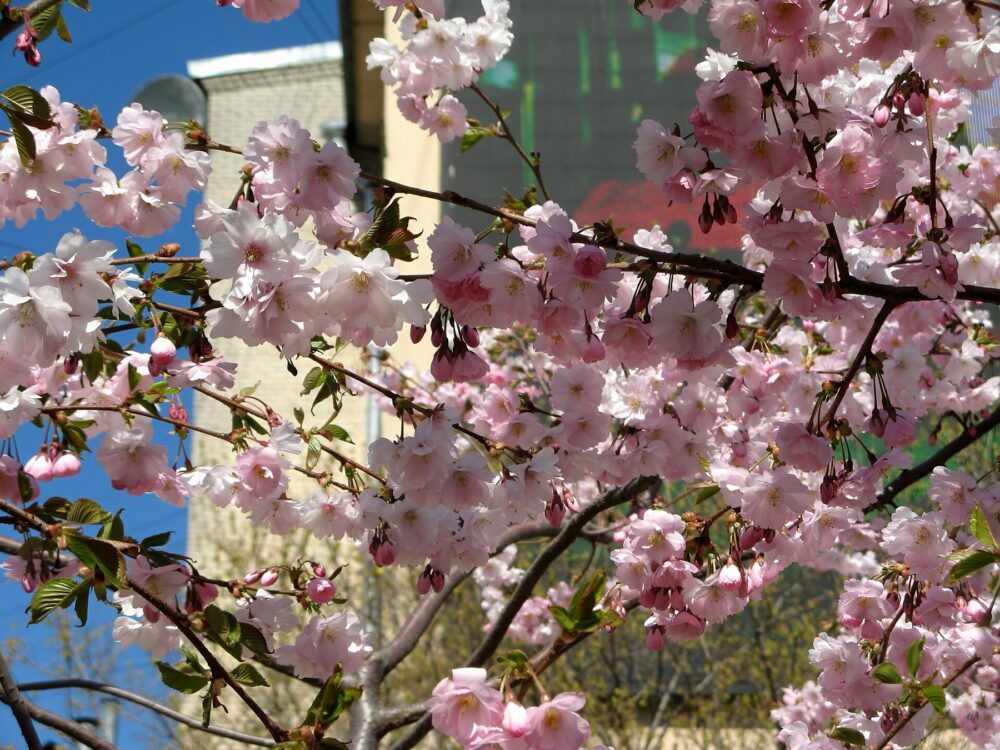
If you see listings or garden inspiration labeled “Chinese sakura,” they’re almost never talking about a single Chinese-native species. In Chinese, sakura is translated as 樱花 or 櫻花 and refers broadly to cherry blossoms – usually the flowers of Japanese cherry trees – rather than a plant called “Chinese sakura.” For US buyers, that phrase typically means cherry-blossom style ornamental trees, sometimes Japanese cultivars mass-produced in China, or simply any pink spring-flowering tree with an East Asian aesthetic.
If your goal is planting or reselling, you’ll be choosing between hardy ornamental cherries that can handle your climate and Chinese-linked flowering trees that give a similar look. You’ll usually source them through US nurseries and online plant retailers; cross-border marketplaces are more realistic for related décor or seeds than for bulk live trees.
What “Chinese sakura” actually means for tree buyers
“Sakura” is a Japanese word, but it’s widely borrowed. Chinese-language sources translate it as 樱花 (simplified) or 櫻花 (traditional), which dictionaries define as the flowers of the cherry tree, especially Japanese cherry blossom trees.SAKURA in Simplified Chinese – Cambridge Dictionary That translation matters: you’re dealing with a look and a flower type, not a botanical label you can hand to a US nursery as-is.
In practice, “Chinese sakura” shows up in:
- Garden descriptions where cherry blossom trees are planted alongside Chinese icons like plum blossom, bamboo, magnolia, peony, and wisteria.
- Product listings and décor where any cherry-blossom graphic or artificial branch is branded with “sakura” for a pan-Asian feel.
So if you ask a US grower for “Chinese sakura,” they’ll likely steer you to ornamental cherries or, if you say you want a Chinese-style garden, to plum blossom and other traditional Chinese plants instead.
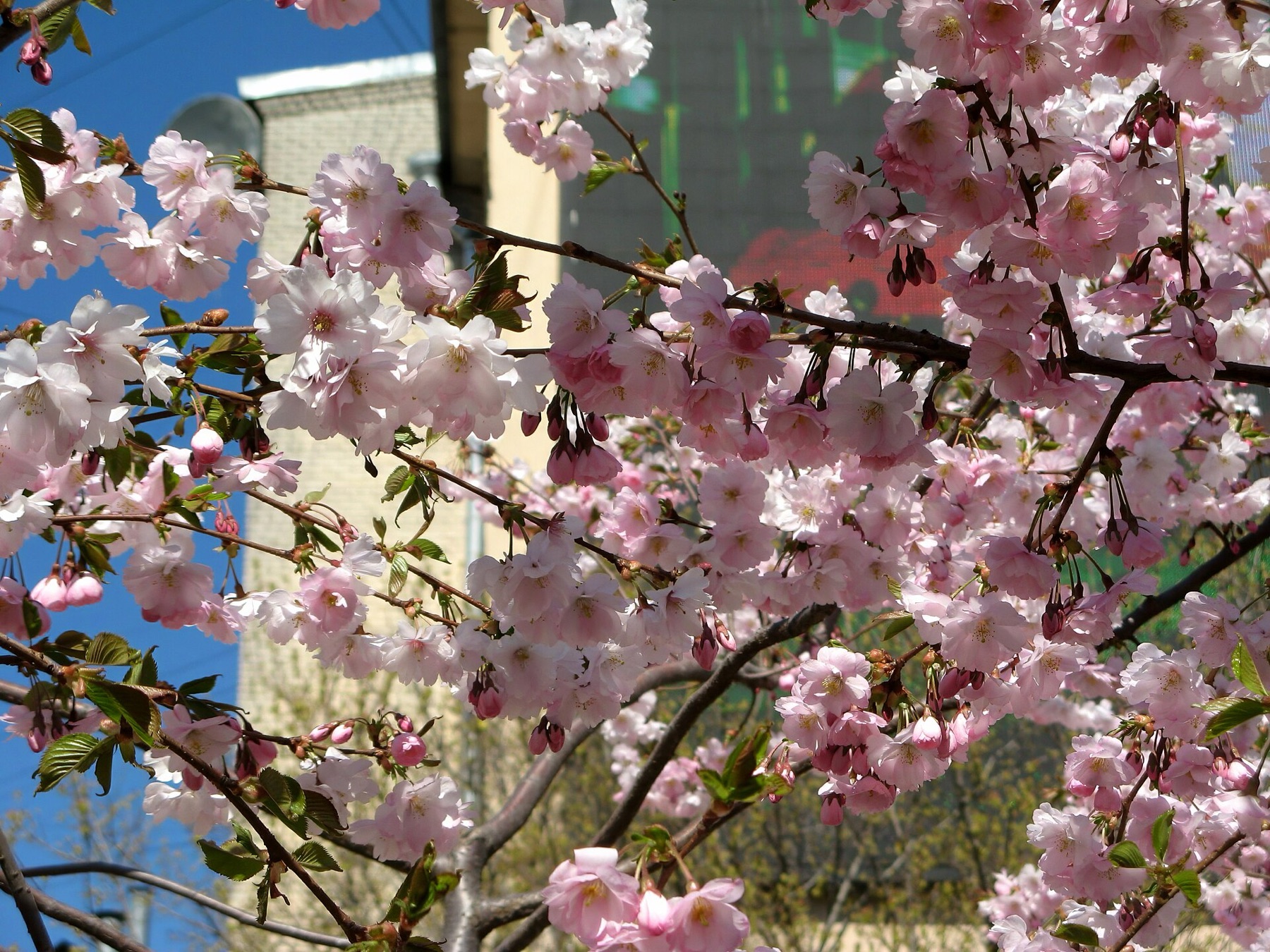
Tree types that give a sakura-style look in US gardens
You have two main paths: literal cherry-blossom trees, and Chinese-flair flowering trees that echo the look.
1. Ornamental cherry trees (closest to “sakura”)
These are what most people picture:
- Japanese flowering cherries (various cultivars): classic pink or white blossom clouds in spring; often grafted and sold by US nurseries specifically for ornamental use.
- Hybrid ornamental cherries developed for wider hardiness: many US-oriented varieties are bred to cope with different USDA zones and disease pressures.
They give you the clearest sakura effect for residential landscapes, parks, or photo-friendly commercial sites, and they’re widely available from US growers.
2. Chinese-linked flowering trees with similar drama
Chinese gardens don’t rely only on cherries. Context from Chinese plant guides and garden pieces shows cherry blossom trees appearing alongside other signature species such as peonies, bamboo, magnolias, plum blossom, tea plant, wisteria, and Chinese elm, each bringing its own texture and seasonal show.What are the Top 10 Chinese Plants to Add to Your Garden?
For a sakura-style or broader Chinese garden look in the US, these are practical candidates:
| Tree/plant type | Visual role in a garden | General notes on use (editorial judgment plus cited context) |
|---|---|---|
| Plum blossom (Chinese plum) | Early-spring pink or white blossoms, iconic in Chinese art | Strong seasonal accent; often paired with bamboo and peony. |
| Chinese fringe tree | Fragrant white fringed flowers in spring | Small deciduous ornamental, typically up to ~20 ft tall.Top 10 Chinese Plants – growing features |
| Chinese dogwood | White or pink spring flowers plus fall berries | Compact flowering tree, often used as a specimen.Top 10 Chinese Plants – growing features |
| Magnolia (Chinese-origin species) | Large showy blossoms, sometimes before leaves | Dramatic spring focal point; feels authentically East Asian. |
| Chinese wisteria | Cascading violet-blue flower clusters | Climbing vine for pergolas; adds a romantic spring canopy.Top 10 Chinese Plants – growing features |
Gardens described as Chinese-style often mix some of these with cherry blossoms, bamboo, and peonies to get layered spring color plus structural greenery.5 Must-See Chinese Tree Gardens Around the World For US buyers, that mix is usually easier to source domestically than any single “Chinese sakura” variety.
3. Evergreen and structural Chinese species
If you’re building a commercial landscape or a themed garden, you may also want year-round structure around your flowering trees. Chinese plant recommendations frequently highlight:
- Chinese juniper (evergreen shrubs or small trees, used for hedges/topiary).
- Chinese holly (evergreen with glossy leaves and red berries, adding winter interest).What are the Top 10 Chinese Plants to Add to Your Garden?
- Chinese elm (deciduous shade tree, sometimes used as bonsai).
These don’t replace sakura visually, but they frame flowering cherries or plum blossom, making your spring display feel intentional rather than isolated.
Where US buyers can source sakura-style trees and how marketplaces fit
For US-based planting or resale, live trees are usually sourced through domestic channels. A DHgate editorial guide on camellia trees points buyers toward two broad routes that apply well here too: local nurseries/garden centers and online plant retailers.The Best Places to Shop for Camellia Trees – Local Nurseries and Garden Centers
Local nurseries and garden centers. Your most reliable path for sakura-style trees is a nursery in your climate zone. Staff can confirm which ornamental cherries, plums, dogwoods, or fringe trees are actually proven in your region and may even have stock planted on-site. For small ecommerce or landscaping businesses, local sources also help avoid import permits and survival risks.
US online plant retailers. Specialist web retailers ship named cultivars nationwide, often with detailed descriptions of size, bloom color, and general growing conditions.The Best Places to Shop for Camellia Trees – Online Retailers This route suits buyers who need specific ornamental cherries or Chinese species that a local store doesn’t carry.
Cross-border marketplaces. Platforms that connect buyers directly with overseas sellers, including DHgate, sometimes list seeds, saplings, or even decorative artificial cherry trees. For live plants, you face extra layers: US import rules, phytosanitary certificates, and real-world climate fit. If you explore this route:
- First decide if you actually need a cross-border supplier; most ornamental cherries and Chinese-flair trees are already grown in the US.
- Treat every listing as a starting point to ask the seller about species, origin, and any documentation, not as turnkey inventory.
- Use marketplace-specific guides such as What DHgate is and how the marketplace works, how to find trusted sellers on DHgate, and the DHgate order-readiness checklist to pressure-test any potential supplier.
For most US buyers wanting “Chinese sakura,” the pragmatic choice is to buy hardy ornamental cherry or plum trees from US-based nurseries and complement them with Chinese-origin plants like wisteria, peony, and Chinese fringe tree. That strategy delivers the look and avoids turning a simple garden project into an import logistics problem.