
Cat measuring cups are standard measuring sets styled as cats: the “1 cup” might be a cat-shaped bowl, with smaller cats for 1/2, 1/3, and 1/4 cup. In Australia you’ll see them on big-box sites like Big W and Bunnings, on Amazon AU, and through decor-style boutiques. Before you buy for your own kitchen or to resell, you’ll want to choose the right material (ceramic vs plastic vs metal), confirm the actual cup sizes, and weigh up how decorative vs hard‑working you need them to be.
What cat measuring cups are and how people use them
“Cat measuring cups” covers any measuring set where the main design element is a cat – usually cat-shaped bowls or cups with painted whiskers, ears and tails.
Most sets aimed at home baking include the typical four cup sizes that many recipes assume: 1/4, 1/3, 1/2 and 1 cup. For example, Big W lists a ceramic Davis & Waddell Whiskers cat set with those four capacities in one nesting stack, and Bunnings has a similar Davis & Waddell Kitty Crew set in cat form.
People use them in a few ways:
- Everyday baking tools. Plastic or metal cat sets with clear measurements can stand in for standard cups for flour, sugar and liquids.
- Decor-plus-functional. Glazed ceramic cat sets from brands like Davis & Waddell or decor boutiques double as shelf pieces. They’ll measure ingredients well enough for typical home recipes, but they’re not laboratory gear.
- Gifts and bundles. For small ecommerce stores, cat measuring cups work well in gift boxes with tea towels, cat mugs, or baking mixes because the theme is obvious and photographable.
If you primarily want accuracy and durability, treat these like any other measuring cups and scrutinize the specs; if you want a cute focal point for a product photo or housewarming gift, aesthetics can come first.
Types of cat measuring cups: materials, designs, and use-cases
Cat measuring cups in Australia mostly fall into three buckets: ceramic, plastic, and metal. Each feels very different in real use.
Ceramic cat sets
Ceramic dominates the decorative end of the market:
- Big-box examples. The Davis & Waddell Whiskers set at Big W and the Kitty Crew set at Bunnings are both cat-faced ceramic sets with 1/4, 1/3, 1/2 and 1 cup marked.
- Boutique decor versions. Sites like French Knot and Hello Annie sell hand‑painted ceramic cat cup sets positioned clearly as decorative kitchen pieces and gifts, again using the four standard cup sizes.
Ceramic pros:
- Strong visual appeal and color variety – great for gifts or Instagram‑friendly product photos.
- Solid weight so they sit stably on a counter.
Ceramic tradeoffs:
- Can chip or break if dropped.
- Often hand‑wash only, and some designs have tight crevices around ears/tails that are slower to clean.
These are ideal if you’re buying for a cat lover’s kitchen or for a boutique homewares range where the look justifies a higher price point.
Plastic cat cups
Plastic sets skew more toward everyday use and pet households.
A good example is the Joie Meow set on Amazon Australia, a 3‑piece stackable cat-themed set in BPA‑free plastic, marketed for both dry and liquid ingredients.
Plastic pros:
- Lightweight and less fragile than ceramic – easy for kids to use.
- Typically safe in the dishwasher (check each listing).
- Stackable designs save drawer space.
Plastic tradeoffs:
- Over time, cheaper plastics can stain or warp, which can affect accuracy.
- Printed markings can wear off if they’re not molded into the cup.
These sets suit everyday cooking, student kitchens, and practical cat‑themed bundles (for example, paired with pet‑food storage or dry-ingredient mixes).
Metal and hybrid designs
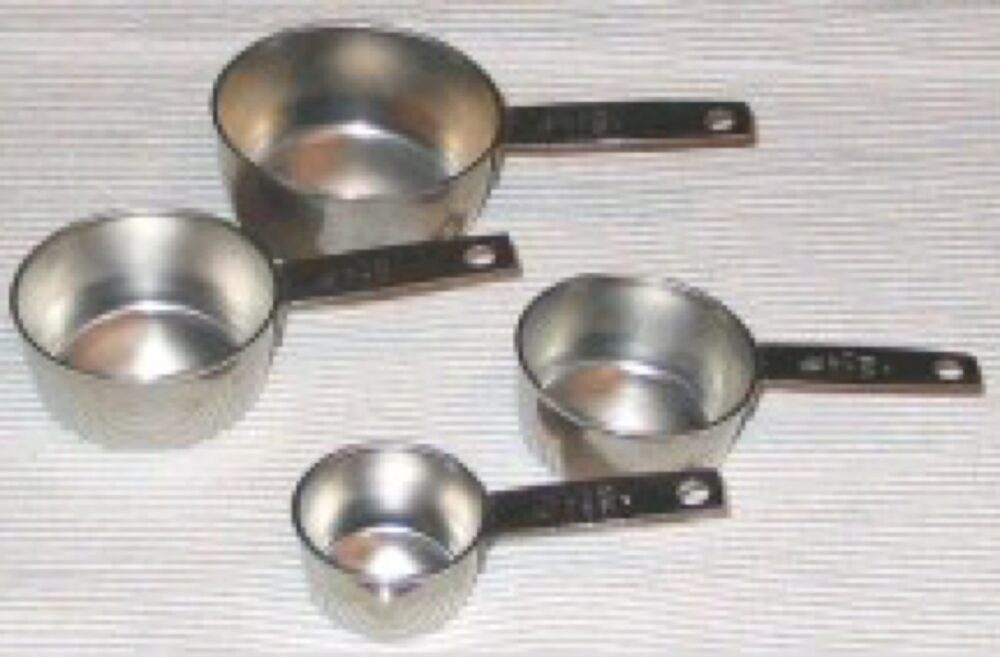
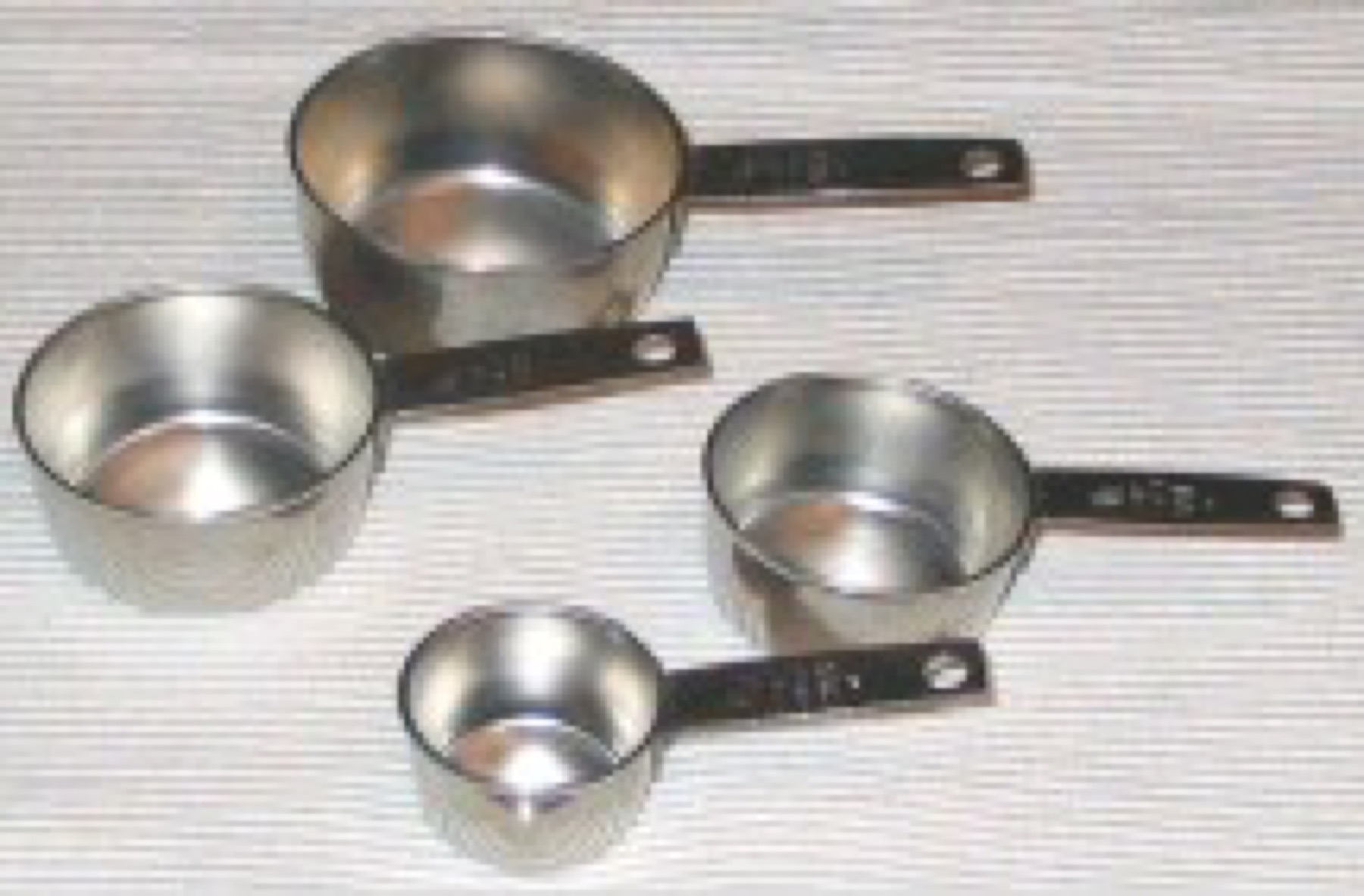
Metal cat measuring cups are less common, but you’ll sometimes see stainless steel sets where the only cat element is on the handle or engraving. Stainless steel generally holds its shape well, resists staining, and tends to be accurate over time, but you give up the fully cat-shaped bowl look.
A few listings on cross-border marketplaces also mash up themes – for instance, stainless cups marketed for baking where “cat cups” appears in the title even if the cup itself looks fairly standard. Treat those as regular measuring cups with a keyworded title rather than full-on novelty decor.
Where to buy cat measuring cups online and what to compare
You can find cat measuring cups across a mix of Australian and cross-border channels. The right choice depends on whether you’re buying one set for your own kitchen or sourcing multiples for an online store.
Channel overview for Australian buyers
Here’s how the main options stack up in practical terms:
| Channel / example sites | Typical cat cup styles you’ll see | Best for |
|---|---|---|
| Big-box retailers (Big W, Bunnings) | Branded ceramic cat sets (e.g., Davis & Waddell) with 4 standard cup sizes | Gifting, matching other mainstream kitchenware, easy one-off purchase |
| Amazon AU | Plastic Joie Meow stackable sets; occasional ceramic or metal themed sets from different brands | Everyday practical use, quick comparisons of different designs |
| Boutique homeware stores (French Knot, Hello Annie) | Hand-painted ceramic cat sets, strongly positioned as decor or gifts | Small ecommerce inspiration, premium gifts, distinctive styles |
| Cross-border marketplaces (including DHgate) | Generic plastic/metal measuring cups, some listings for “cat cups” or pet-food measuring scoops | Bulk measuring tools, pet-food-related accessories, price-led sourcing |
For most home cooks in Australia, local retail or Amazon AU will be simplest. For small ecommerce sellers, the decision is more nuanced.
Practical comparisons to make on any listing
Whether you’re on Big W, Amazon AU, a boutique site, or a cross-border marketplace, focus on these specifics rather than just the cat artwork:
1. Cup sizes and markings
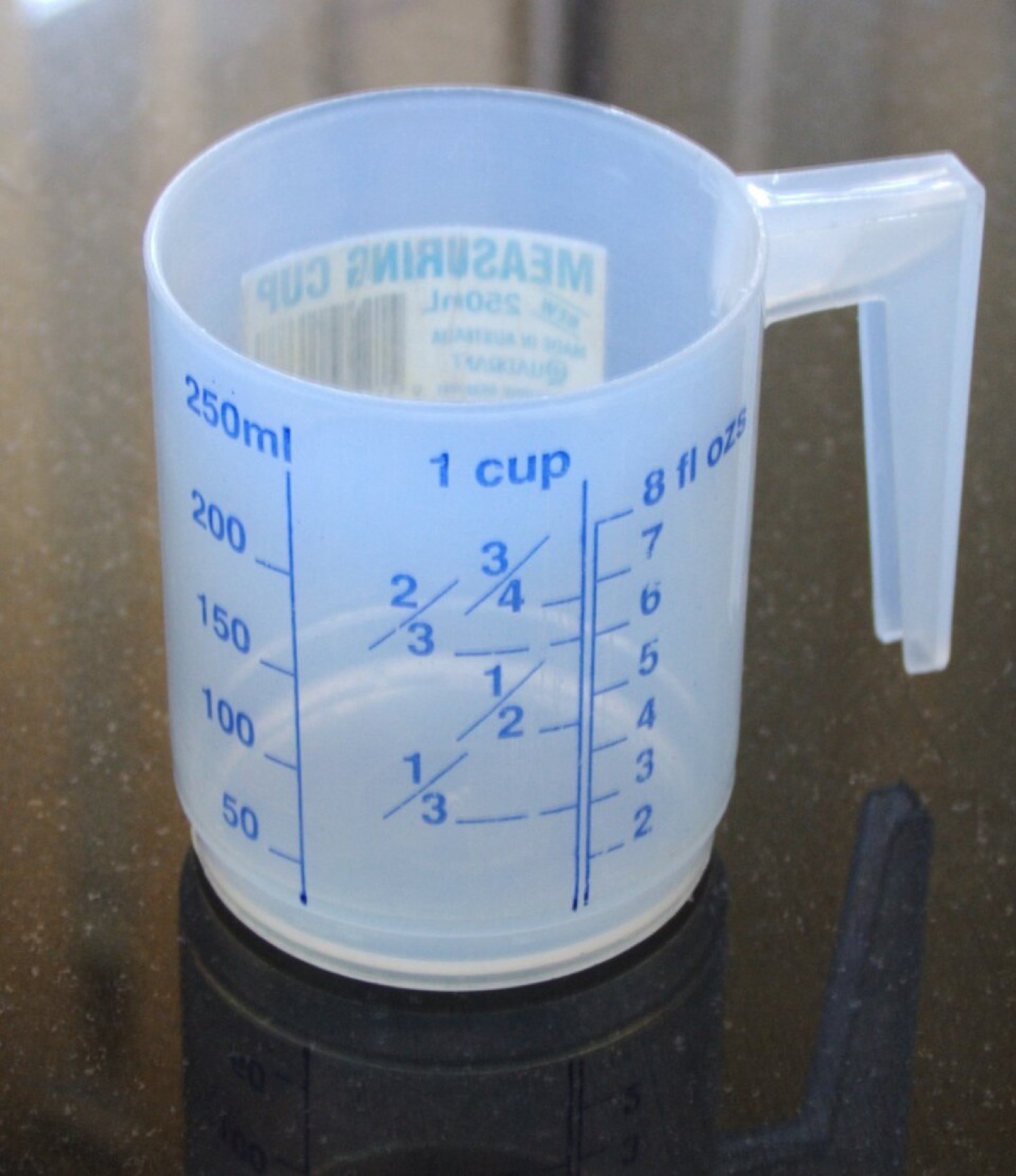
- Look for sets that explicitly list capacities. Many good listings call out 1/4, 1/3, 1/2 and 1 cup, or their mL equivalents.
- Check the product photos to see if the measurements are molded/engraved (better over time) or just printed.
2. Material and care instructions
- Ceramic cat sets from Davis & Waddell or boutiques like French Knot often recommend hand washing; that matters if you’re buying for busy households.
- Plastic sets such as the Joie Meow cups are typically positioned as dishwasher-safe and stackable; confirm this in the description.
3. Design practicality
- Deep bowls are better for flour and sugar; shallow, wide cats look cute but can be messy for scooping.
- Check if they nest or stack. Nesting ceramic cats save shelf space and photograph well side by side.
4. Use-case fit for small ecommerce
- If you run a boutique store, distinctive designs from suppliers like French Knot or Hello Annie can justify a higher retail price but may cost more to restock.
- If you mostly need a “cat” element in a pet or kitchen bundle and don’t care if the cup itself is shaped like a cat, generic measuring cups plus a cat motif elsewhere (tea towel, packaging, card) might be easier to source at scale.
Cross-border marketplaces and DHgate in this category
Cross-border marketplaces such as DHgate can be useful if you’re sourcing generic measuring tools or pet-food scoops rather than branded ceramic cat sets. A search snapshot from 2026-09-22 shows multiple listings for plastic and metal cup sets and several pet-food measuring scoops, with only occasional references to “cat cups” in titles. One example is a stainless steel measuring cup described as “Cat Cups” in the title alongside its 1/4 cup (60 mL) capacity.
If you go this route for a small ecommerce range, treat it as a way to secure basic measuring cups or scoops and layer your own cat branding on top. Before placing a larger order on any cross-border marketplace, it’s worth understanding how to evaluate sellers, product photos, and descriptions. On DHgateWiki, pieces like the overview of what DHgate is and how the marketplace works and the DHgate order-readiness checklist outline practical checks you can apply.
If your priority is a specific Australian brand or a highly decorative ceramic cat set, local retail and boutique channels are usually a better fit than cross-border sourcing. Use cross-border options primarily for standard measuring cup sets or pet scoops where the “cat” angle is something you create in your own branding or bundles.