
At a Glance
Successful bed & breakfast (B&B) businesses look very different on the surface: some are rural farm stays, others are sleek urban townhouses, coastal retreats, or themed boutique homes. Yet they share a common pattern:
- A clear niche and guest profile
- A distinctive experience (story, setting, or theme)
- Consistent comfort and cleanliness
- Smart, lean operations behind the scenes
- Thoughtful sourcing of decor, equipment, and supplies
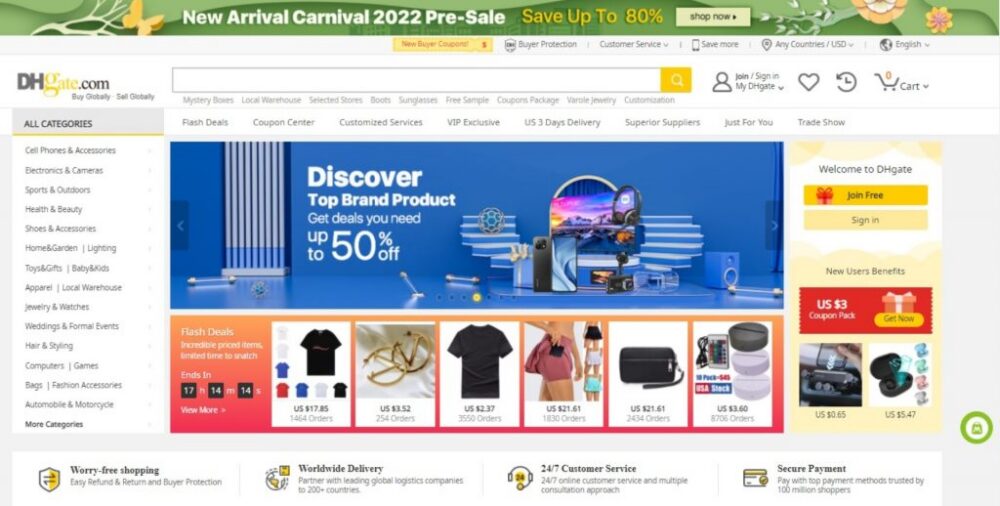
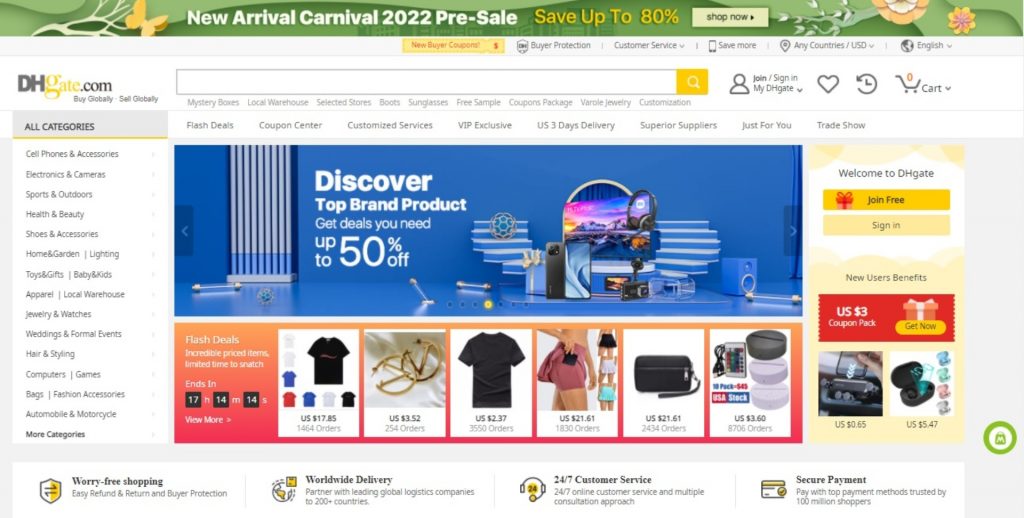
This article walks through examples of successful B&B models across different hospitality niches, shows what makes them work, and then connects those lessons to practical sourcing routes—including how online marketplaces like DHgate can help you discover and compare the physical products that support your concept.
What the Product Category Covers
Before looking at examples, it helps to define what we mean by a “bed & breakfast” and the product category around it.
What is a Bed & Breakfast?
A bed & breakfast is typically:
- A small-scale lodging business
- Often owner-operated or family-run
- Offering overnight accommodation plus breakfast
- With a more personal, home-like atmosphere than a hotel
B&Bs can be:
- Traditional guesthouses in historic homes
- Farm stays on working agricultural properties
- Urban boutique B&Bs in city centers
- Coastal or nature retreats near beaches, lakes, or mountains
- Themed stays (art, music, wellness, eco, heritage, etc.)
The “Product” Behind a B&B
Running a B&B is not just about rooms; it’s about a system of physical products and services:
-
Guest-facing products
- Beds, mattresses, linens, pillows
- Towels, bathrobes, toiletries
- Breakfast equipment (coffee makers, tableware, serving dishes)
- Room decor (lighting, artwork, rugs, curtains)
- Outdoor furniture, garden features, signage
-
Back-of-house products
- Cleaning tools and supplies
- Laundry equipment and storage
- Kitchen appliances and cookware
- Safety equipment (smoke alarms, fire extinguishers)
- Storage, shelving, and organizational items
Understanding this product category helps you translate a B&B concept into a concrete shopping list—and choose the right sourcing route for each item.
How to Compare Options
When you look at successful B&B enterprises, you’re really comparing different business models and experience designs. The key dimensions:
-
Niche & Location
- Rural vs urban vs coastal vs heritage
- Target guests: couples, families, digital nomads, wellness travelers, etc.
-
Experience Design
- Level of personalization (host interaction, local tips)
- Thematic focus (food, nature, art, sustainability)
- Atmosphere (luxury, cozy, minimalist, rustic)
-
Operational Model
- Owner-operated vs managed
- Number of rooms and staff
- Seasonality and occupancy strategy
-
Product & Sourcing Strategy
- Quality level of beds, linens, and breakfast equipment
- Custom vs generic decor
- Local sourcing vs online marketplaces vs wholesale
-
Budget & Price Point
- Low-cost, high-turnover vs premium, high-margin
- Investment in durable equipment vs frequent replacement
When you compare B&B examples, you’re looking for patterns across these dimensions—and then mapping them to your own concept and budget.
Comparison Matrix
Below is a simplified matrix of common successful B&B types, what makes them work, and what that implies for your product sourcing.
| B&B Type / Niche | Who It Suits | Core Experience Features | Product Priorities | Typical Budget Level |
|---|---|---|---|---|
| Rural Farm Stay | Families, nature lovers, foodies | Immersive rural life, local food, outdoor space | Durable furniture, outdoor gear, farm-style decor | Medium |
| Urban Boutique B&B | Couples, business travelers, city tourists | Stylish rooms, walkable location, smart amenities | Design-led decor, compact furniture, tech devices | Medium–High |
| Coastal Retreat | Couples, weekenders, wellness guests | Views, relaxation, beach access | Moisture-resistant materials, outdoor seating | Medium–High |
| Heritage / Historic Home | Culture travelers, older guests | Period architecture, storytelling, charm | Vintage-style lighting, classic linens, signage | Medium |
| Eco-Friendly B&B | Sustainability-minded travelers | Low-impact operations, natural materials | Eco textiles, energy-efficient appliances | Medium–High |
| Themed Boutique (Art, Music, etc.) | Niche enthusiasts, younger travelers | Strong visual identity, curated experiences | Custom decor, themed artwork, flexible spaces | Medium–High |
Use this matrix as a starting point: identify which type is closest to your vision, then refine the experience and product priorities to match your specific guests and location.

B&B Enterprise Types Across Different Hospitality Niches
Let’s look more closely at how different B&B models succeed in practice, and what they imply for your operations and shopping list.
1. Rural Farm Stay B&B
What it looks like
- Located on or near a working farm or smallholding
- 3–10 rooms, often in converted barns or farmhouses
- Breakfast featuring farm produce (eggs, dairy, seasonal fruit)
- Activities: farm tours, animal feeding, local walks
Why it works
- Clear niche: families and nature lovers seeking authenticity
- Strong story: “stay on a real farm” with visible daily routines
- High perceived value: guests pay for experience, not just a bed
Product implications
- Rooms: sturdy beds, easy-clean flooring, rustic but comfortable decor
- Breakfast: large-capacity coffee/tea equipment, robust tableware, serving platters
- Outdoor: weather-resistant seating, signage, boot racks, coat hooks
- Safety: clear pathways, lighting, basic farm safety signage
2. Urban Boutique B&B
What it looks like
- Townhouse or small building in a city or popular town
- 4–12 rooms, each with a distinct design
- Breakfast often lighter but high quality (artisan bread, good coffee)
- Strong emphasis on design, Wi-Fi, and location
Why it works
- Clear niche: couples, solo travelers, business guests
- Differentiation: more character than chain hotels, more privacy than hostels
- Smart use of space: compact rooms with clever storage and lighting
Product implications
- Rooms: high-quality mattresses, soundproofing elements, stylish lighting
- Tech: reliable routers, smart TVs, charging stations
- Breakfast: compact but efficient kitchen equipment, attractive serving ware
- Decor: cohesive design theme, artwork, mirrors to enhance space
3. Coastal Retreat B&B
What it looks like
- Near a beach, lake, or coastal path
- 4–8 rooms, often with views or outdoor access
- Breakfast with local seafood or coastal specialties
- Focus on relaxation: hammocks, loungers, quiet spaces
Why it works
- Clear niche: weekenders and wellness travelers
- Strong emotional appeal: “escape to the water”
- Seasonal strategy: peak summer, shoulder seasons with special offers
Product implications
- Rooms: moisture-resistant materials, blackout curtains, fans or AC
- Outdoor: deck chairs, umbrellas, outdoor lighting, storage for beach gear
- Bathrooms: sand-friendly mats, extra towel stock, hooks and racks
- Maintenance: corrosion-resistant fixtures, easy-clean surfaces
4. Heritage / Historic Home B&B
What it looks like
- Located in a building with architectural or historical significance
- 3–10 rooms, often with original features (fireplaces, woodwork)
- Breakfast with traditional recipes and local specialties
- Storytelling: history of the house, neighborhood, and past residents
Why it works
- Clear niche: culture and history travelers
- Unique selling point: authentic period atmosphere
- Emotional connection: guests feel part of a story
Product implications
- Rooms: period-style furniture (or modern pieces that fit the look), classic linens
- Lighting: warm, vintage-style fixtures, chandeliers, wall sconces
- Signage: tasteful room names, historical information plaques
- Preservation: protective rugs, furniture pads, gentle cleaning tools
5. Eco-Friendly B&B
What it looks like
- Rural or semi-rural location, sometimes urban but green-focused
- 3–8 rooms, built or renovated with sustainability in mind
- Breakfast featuring organic, local, or plant-based options
- Visible eco practices: recycling, low-plastic, energy-efficient systems
Why it works
- Clear niche: sustainability-minded travelers
- Differentiation: guests feel their stay aligns with their values
- Marketing advantage: strong story for online listings and social media
Product implications
- Rooms: organic cotton linens, natural fiber rugs, low-VOC paints
- Bathrooms: refillable dispensers, eco-friendly toiletries
- Energy: LED lighting, efficient appliances, smart thermostats
- Operations: recycling stations, durable multi-use containers
6. Themed Boutique B&B (Art, Music, Wellness, etc.)
What it looks like
- Any location, but with a strong concept (e.g., art gallery B&B, music-themed rooms, yoga retreat)
- 4–10 rooms, each reflecting the theme
- Breakfast integrated with the theme (e.g., “artist’s brunch,” “musician’s breakfast”)
- Additional experiences: workshops, live sessions, classes
Why it works
- Clear niche: enthusiasts and curious travelers
- High shareability: guests post photos and stories online
- Potential for ancillary revenue: classes, events, merchandise
Product implications
- Rooms: custom artwork, themed textiles, flexible furniture for events
- Common areas: display systems (easels, shelves), sound systems, yoga mats
- Branding: signage, printed materials, small branded items
- Storage: secure storage for instruments, art supplies, or wellness equipment
What Makes These B&B Models Successful in Practice
Across all these niches, successful B&Bs share operational and experience patterns:
1. Clear Positioning
They know exactly who they serve and why guests choose them:
- “Families who want a real farm experience”
- “Couples seeking a stylish city base”
- “Travelers who care about sustainability”
This clarity guides everything: decor, breakfast style, amenities, and marketing.
2. Consistent Comfort and Cleanliness
Regardless of theme, guests expect:
- Comfortable beds and pillows
- Clean bathrooms and common areas
- Reliable hot water and basic amenities
This is where product quality matters most: mattresses, linens, towels, and cleaning tools are non-negotiable.
3. Thoughtful Experience Design
Successful hosts design the guest journey:
- Arrival: clear signage, welcoming entrance, easy check-in
- Stay: intuitive room layout, accessible information, quiet nights
- Breakfast: timing, presentation, dietary options
- Departure: simple check-out, small farewell touch (e.g., local snack)
Physical products support this journey: signage, information folders, serving ware, storage solutions.
4. Efficient Back-of-House Operations
Behind the scenes, successful B&Bs:
- Standardize room setups to simplify cleaning and restocking
- Use durable, easy-clean materials to reduce maintenance time
- Organize storage so staff can find supplies quickly
- Choose equipment sized to their scale (e.g., right-capacity coffee machines, laundry solutions)
5. Smart Sourcing Strategy
They balance:
- Quality vs cost: investing more in high-impact items (beds, linens)
- Local vs online: buying some items locally (fresh food, regulated equipment) and others via marketplaces or wholesalers (decor, textiles, small appliances)
- Consistency: choosing products that can be reordered or replaced easily
From Concept to Shopping List: Mapping Your B&B’s Product Needs
To apply these lessons, translate your B&B concept into a practical product plan.
Step 1: Define Your Core Guest Experience
Write down:
- Your niche (e.g., “urban boutique for couples,” “eco farm stay for families”)
- 3–5 key experience promises (e.g., “quiet sleep,” “great coffee,” “authentic local feel”)
These promises become your product priorities.
Step 2: Break Down Your Spaces
List each area:
- Guest rooms
- Bathrooms
- Breakfast area
- Kitchen
- Outdoor spaces
- Reception / entrance
- Storage and laundry
For each, note:
- Must-have items (beds, towels, tables, chairs, appliances)
- Nice-to-have items (decor, extra seating, plants, artwork)
- Theme-specific items (e.g., yoga mats, art easels, farm boots)
Step 3: Classify Products by Importance
Group items into:
- Critical comfort: beds, mattresses, pillows, linens, towels
- Operational essentials: cleaning tools, laundry equipment, kitchen basics
- Experience enhancers: decor, lighting, artwork, themed accessories
- Branding touches: signage, printed materials, small gifts
Invest more in critical comfort and operational essentials; use creative sourcing for experience enhancers and branding touches.
Step 4: Decide Sourcing Routes
For each product group, decide:
- Local retail or specialist suppliers (e.g., safety equipment, major appliances)
- Online marketplaces (e.g., DHgate, other platforms) for decor, textiles, small equipment
- Local artisans or makers for unique items (art, custom furniture)
Comparing Sourcing Routes for B&B Operators
Different sourcing channels suit different needs. Here’s a decision-oriented comparison.
| Sourcing Route | Best For | Strengths | Limitations |
|---|---|---|---|
| Local Retail Stores | Urgent needs, regulated equipment, branded appliances | Immediate availability, local warranty, in-person inspection | Often higher prices, limited variety |
| Local Wholesalers | Bulk linens, towels, cleaning supplies | Volume discounts, consistent stock | May require business accounts, limited design variety |
| Online Marketplaces (e.g., DHgate) | Decor, textiles, small equipment, price-sensitive items | Wide assortment, cross-border comparison, competitive pricing | Shipping times, need for careful seller and product review |
| Direct from Manufacturers | Large-scale operations, custom items | Customization, potential cost savings at scale | Minimum order quantities, longer lead times |
| Local Artisans / Makers | Unique decor, themed items | Distinctive character, local story | Higher per-item cost, limited scalability |
Use a mix: local channels for regulated or urgent items, marketplaces and manufacturers for variety and cost control, artisans for uniqueness.
Who This Route Fits Best
Different B&B concepts benefit from different sourcing mixes.
-
Small, owner-run rural or heritage B&Bs
- Strong fit for: local wholesalers (linens), artisans (decor), marketplaces (small equipment and accessories)
- Priority: durability and charm over cutting-edge tech
-
Urban boutique and themed B&Bs
- Strong fit for: online marketplaces (design-led decor, lighting), local retail (tech devices), artisans (signature pieces)
- Priority: visual identity, compact and stylish furniture, reliable connectivity
-
Eco-friendly B&Bs
- Strong fit for: specialized eco suppliers, local organic producers, selected marketplace items with clear material descriptions
- Priority: sustainable materials, energy-efficient appliances, low-waste operations
FAQ
How much capital do I need to start a small B&B?
It varies by location and property condition, but many small, owner-run B&Bs launch with a mix of savings and phased investment. Start with safety, beds, and bathrooms; add decor and extras later as cash flow improves.
What products should I prioritize in my first year?
Focus on sleep quality (beds, mattresses, linens), bathrooms (hot water, good towels), and breakfast equipment. Decorative items and themed accessories can be added gradually once reviews and revenue stabilize.
How can I keep product costs under control?
Use a tiered sourcing strategy:
| Priority Level | Typical Source |
|---|---|
| Safety & compliance | Local retail / specialist suppliers |
| Core comfort | Local wholesalers + trusted marketplaces |
| Decor & accessories | Online marketplaces (e.g., DHgate) |
Compare total cost of ownership, not just sticker price.
Are online marketplaces reliable for B&B supplies?
They can be, if you vet sellers carefully. Check ratings, reviews, material specs, and shipping times. Platforms like DHgate are useful for textiles, decor, and small equipment when you balance price with quality checks.
How often should I replace linens and towels?
Plan for rotation and replacement every 1–2 years in busy B&Bs, sooner if items show wear. Using durable, commercial-grade textiles reduces long-term costs and keeps guest satisfaction high.
What’s the most common mistake new B&B hosts make with products?
Over-investing in decor while under-investing in mattresses, soundproofing, and bathroom quality. Guests remember sleep, cleanliness, and water pressure more than wall art—budget accordingly.
What to Do Next
- List every space in your B&B and map must-have vs. nice-to-have items.
- Classify each product into comfort, operational, experience, or branding categories.
- Build a simple sourcing plan that mixes local suppliers, online marketplaces like DHgate, and artisans.
- Start with a small pilot: furnish 1–2 rooms fully, gather guest feedback, then scale your purchasing based on what guests value most.