
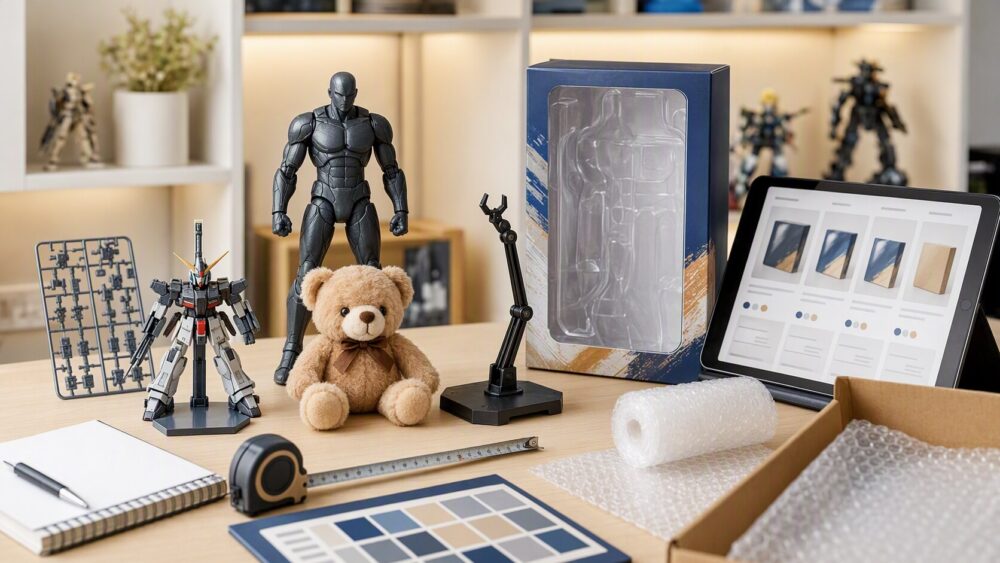
Quick answer: When buying toys or collectibles on DHgate, compare the current listing’s item type, size, material, selected variant, included parts, packaging, seller feedback, and recent buyer photos before you pay. For display pieces, prioritize scale, finish, stability, and packaging. For play items, prioritize durability, handling, and clearly described parts. If important details are vague or inconsistent, ask the seller before ordering.
What Counts as Toys & Collectibles in This Search
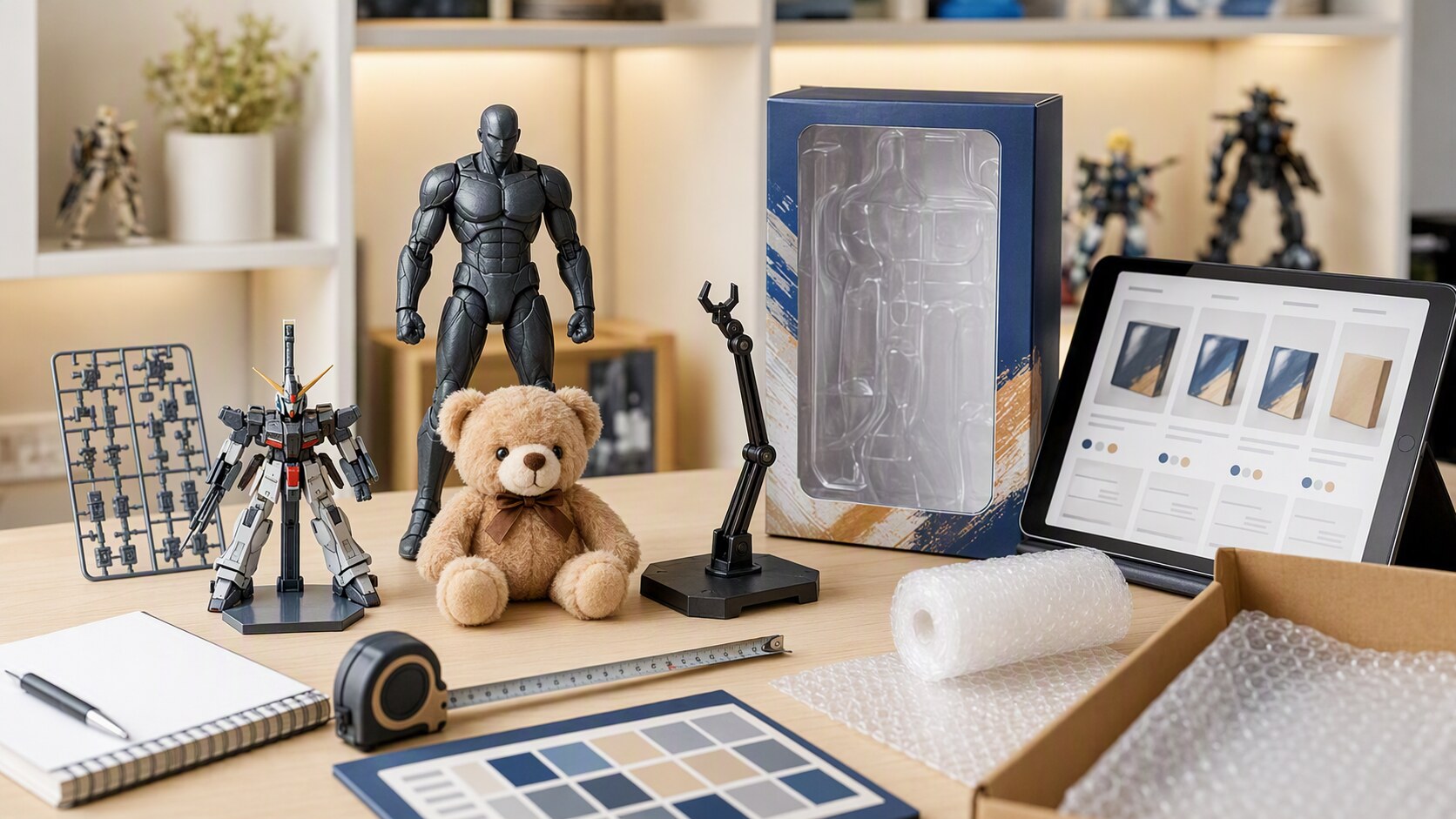
Toys and collectibles overlap, but they are not the same buying decision. Toys are usually chosen for play, gifting, or display with some handling in mind. Collectibles are usually chosen for display, collecting, or themed gifting, where details like scale, pose, packaging, and finish matter more than everyday play. In this category, buyers often see figures, statues, plush items, model kits, novelty toys, display accessories, and themed gift items.
A useful way to think about the category is this: toys are bought for use, collectibles are bought for presence. Some products sit in the middle, such as action figures, blind-box figures, and decorative plush items. Those can work for a child, a fan, or a shelf display depending on size, material, and finish.
Main Types, Materials, Sizes, and Selection Criteria
The category is broad, so selection starts with format.
Common types include:
- Action figures and poseable figures
- Static display figures and statues
- Plush toys and soft collectibles
- Model kits and assembly items
- Blind-box or mystery-box style items
- Accessories such as stands, cases, sleeves, and display bases
- Novelty toys and themed gift items
Materials you will commonly see:
- PVC or vinyl for figures and statues
- ABS or mixed plastics for harder toy parts
- Resin for more detailed display pieces
- Fabric or plush fill for soft items
- Mixed materials for kits, accessories, and decorative items
Size matters more than many first-time buyers expect. A 6-inch figure, a 1/6-scale display piece, and a desk-size plush all solve different problems. Before buying, check whether the item is meant to sit on a shelf, fit in a case, be handled often, or travel as a gift.
When choosing among listings, focus on four filters:
- Purpose — play, display, collection, or gifting
- Material — soft, rigid, detailed, or assembly-based
- Size — desk, shelf, bag-friendly, or room display
- Style — realistic, cartoon, themed, minimalist, or novelty
A strong selection decision starts with use case, not with price. If the item is for display, finish and scale matter more. If it is for play, durability and handling matter more.
Common Use Cases: Play, Display, Gifting, and Collecting
Toys and collectibles are usually bought in one of four ways.
For play: look for durable construction, simple parts, and a size that is easy to hold. For younger children, safety details matter more than visual detail.
For display: look for stable bases, accurate sizing, paint or print consistency, and packaging that protects the item during storage or shipping.
For gifting: look for broad appeal, recognizable themes, and packaging that feels presentable. A gift item does not need to be rare; it needs to feel intentional.
For collecting: look for consistency across the line, matching scale, variant clarity, and clear item descriptions. Collectors usually care about whether the listing shows the exact version, the included accessories, and the condition of the box or packaging.
A practical rule is to match the item to the setting. A desk display piece should be stable and visually clean. A child’s toy should be easy to handle. A collector’s item should be described precisely enough to compare against the rest of the set.
What to Check Before You Buy
Before you buy any toy or collectible, inspect the listing as if you were trying to rule it out.
Start with the product page:
- Read the title for the item type, size, and format
- Check the photos for the actual version shown
- Look for material, dimensions, and included parts
- Confirm whether the box is included
- Review color, variant, and quantity options
- Check whether the item is assembled, boxed, loose, or kit-based
Then check the seller signals:
- Recent reviews, not just the overall star rating
- Buyer photos, if available
- Clear answers to product questions
- Consistent descriptions across listings
- Enough detail to compare one version against another
Then check the tradeoffs:
- Lower prices may mean simpler materials, smaller size, or fewer included parts
- More detailed display items may need more careful packaging
- Mystery-box style items reduce certainty about the exact version
- Branded or brand-sensitive listings deserve extra attention to wording and item details
If the listing does not clearly answer size, material, version, and included parts, you do not yet have enough information to compare it properly.
How to Search and Buy on DHgate
Use marketplace search to discover product types and compare current listings, not as proof that a particular toy or collectible is available exactly as shown. Start with a broad term, then narrow by format, size, material, character, style, or packaging. Make the final decision using the current product page, selected variant, seller replies, shipping details, and checkout information.
- Start with the product type. Search for a figure, statue, plush item, model kit, blind box, or display accessory, then add a material, scale, character, size, or style term when needed.
- Scan listing cards for comparable formats. Avoid comparing a small toy, a display statue, and a model kit as if they were the same product. Open listings that match the purpose you have in mind.
- Inspect the current product page. Confirm dimensions, material, included parts, selected variation, and whether the box or packaging is included.
- Compare similar listings side by side. Look for clearer photos, more consistent variant names, fuller specifications, and seller information you can actually review.
- Ask specific questions before ordering. If size, version, packaging, or contents are unclear, ask the seller through the platform message thread and keep the reply with your order record.
- Choose the selected variant and quantity carefully. Make sure the color, edition, style, or bundle shown in your cart matches the item you intend to buy.
- Save your order record. Keep screenshots of the listing, selected variant, seller replies, shipping method, and checkout details for later reference.
For toys and collectibles, the safest workflow is simple: search broadly, inspect carefully, compare visibly similar options, and only order when the current listing details match your purpose. Product availability, selected variants, seller information, shipping terms, and order outcomes can change, so verify the details shown for your specific order before paying.
Practical checklist for toys & collectibles
| What to check | What to look for | Why it matters |
|---|---|---|
| Item type | Figure, statue, plush, model kit, blind box, or accessory | Separates play items from display pieces and helps you compare like with like |
| Size and scale | Inches/cm, stated scale, desk-size versus shelf-size | Prevents mismatched expectations about fit, display space, and proportion |
| Material and finish | PVC, ABS, resin, fabric, mixed materials, paint or print detail | Affects durability, handling, visual finish, and intended use |
| Included parts and packaging | Stand, box, extra pieces, base, kit parts, protective packaging | Helps avoid missing accessories or packaging surprises |
| Photos and selected variant | Clear item photos, option labels, edition, color, style, or bundle | Confirms the version you select is the version you expect |
| Seller information and reviews | Visible feedback, recent reviews, buyer photos, and clear replies | Adds context beyond the title or a single product image |
| Order record | Listing screenshots, selected variant, seller messages, shipping, and checkout confirmation | Provides a reference for what was shown and agreed before payment |
FAQ
Can I treat a marketplace search result as proof that an exact toy is available?
No. Search results can help you discover related items, but they do not confirm current stock, the selected variant, packaging, shipping cost, seller performance, or transaction outcome. Review the current listing before ordering.
What should I ask the seller before buying a collectible?
Ask about size, material, included parts, packaging, selected variant, and whether the current photos match the item you will receive.
Why do some listings look similar but not identical?
Toy and collectible listings can differ by scale, edition, pose, material, color, accessories, condition, or packaging. Compare the selected option and item details, not just the main image.
What matters more for display items than for play items?
For display pieces, finish, scale, stability, packaging, and clear version details often matter more. For play items, durability, handling, and included parts may matter more.
What should I save before checkout?
Save screenshots of the listing, selected variant, size or scale details, seller replies, shipping method, and checkout record.
Next step
Open at least three comparable listings. Check the product format, size, material, selected option, included parts, seller information, shipping details, and checkout total before choosing the option that best fits your purpose.
Sources and further reading
- DHgate Blog — Is DHgate Real Designer Products?
- DHgate Blog — How to Easily Find Good Sellers on DHgate
- DHgate Blog — DHgate Real or Fake Products?
- DHgate Blog — The Ultimate Guide to Shopping on DHgate
- DHgate Blog — Where to Buy Wholesale Toys in China
Note: Listing availability, selected variants, materials, packaging, seller information, shipping terms, and order outcomes can change. Always review the current listing, seller messages, and checkout details before placing an order.
Related reading
- How DHgate Compares to Other Wholesale Platforms for Dropshipping
- Platforms and Marketplace Platforms
Additional guidance: How to Find the Best DHgate Deals on Toys & Collectibles
Quick answer: The best DHgate deal for a toy or collectible is not always the listing with the lowest item price. Compare the exact item version, seller information, promotion terms, shipping charge, checkout total, and after-sale options before you pay. A lower headline price may be less useful if the item details are unclear, the promotion does not apply, or the shipping and delivery terms do not fit your needs.
Start with the DHgate deal checklist for toys and collectibles
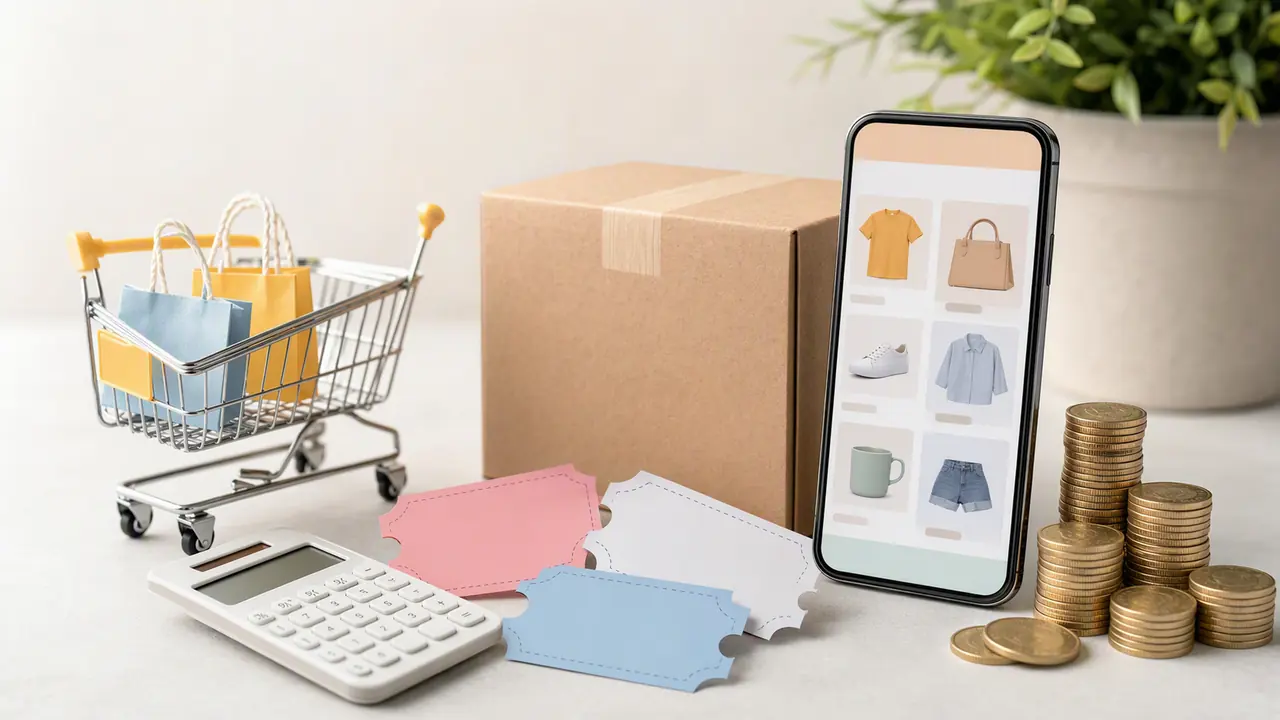
Start with the listing itself, then work outward. On DHgate, search for the item you want, compare several listings, and review the seller, promotion, shipping, and checkout information before ordering. This matters especially for toys and collectibles. Two listings can look similar while referring to different sizes, versions, materials, conditions, included accessories, or packaging. Before comparing prices, make sure you are comparing the same type of item.
Use this first-pass checklist:
• Search for the exact toy, collectible, model, character, scale, or category you want.
• Compare several listings instead of stopping at the first result.
• Check the title, photos, description, options, dimensions, and included items.
• Review the seller profile, visible feedback, and relevant buyer comments.
• Confirm whether a coupon, sale, loyalty-point offer, or tiered-price offer actually applies.
• Review shipping, checkout, and any import-related information shown before payment.
That approach keeps the decision grounded in what DHgate actually shows on the site.
Use DHgate search, categories, and promotions to narrow listings
DHgate’s shopping flow allows buyers to search for products, browse categories, and narrow results with available filters. For toys and collectibles, use specific search terms whenever possible. Include details such as a character name, series, scale, material, version, color, or quantity if those details matter to your purchase. For example, a broad search may return items that look alike but differ in size, condition, included accessories, or packaging. Open several results and compare the product details before deciding which listings are truly comparable.
Promotions can also change the offer shown to you. Depending on the listing and your account, you may see:
• Discounts
• Coupons
• Sale pricing
• Loyalty-point offers
• Tiered pricing for larger quantities
Treat each promotion as information to verify, not as a guaranteed saving. If a coupon or sale appears on a listing, check whether it applies in your cart or account before relying on it. If a listing shows tiered pricing, confirm the quantity threshold and the current per-unit price shown for your selected option.
Check the exact item before comparing prices
A good price is only useful if the listing describes the item you actually want. Before adding a toy or collectible to your cart, check the visible details carefully.
For toys
- Check the stated size, dimensions, material, color, and included pieces.
- Review any age guidance, small-parts information, or product-use information shown on the listing.
- Confirm whether batteries, chargers, accessories, or assembly parts are included.
- Compare the photos with the written description and selected variation.
- If compatibility matters, verify the model, connector, size, or fit before ordering.
For collectibles
- Check the version, edition, scale, material, and condition described by the seller.
- Confirm whether the listing is for a single item, a set, a box, replacement parts, or an accessory.
- Look for photos and descriptions that match the exact variation you selected.
- Review packaging information if unopened boxes, cards, cases, or display packaging matter to you.
- For branded or authenticity-sensitive items, do not treat a title, photo, or seller statement alone as independent proof of authenticity. Verify the details that matter to you before ordering.
If the description, photos, selected option, or seller reply leaves a key question unanswered, keep comparing rather than assuming the item will match your expectation.
Check seller reviews, listing details, and order terms before you add to cart
Before you add a toy or collectible to cart, review the seller and listing details that DHgate makes visible on the product page and seller profile. Seller information and buyer feedback can give you useful context, but they should be considered alongside the current product description, shipping terms, and checkout details.
Focus on these checks:
- Seller feedback and review history visible on the platform.
- Recent comments that refer to the same or a similar type of item.
- Buyer photos, where available, as one signal rather than a guarantee.
- Product description, option labels, quantity choices, and materials.
- Shipping method, shipping charge, and estimated delivery information shown for your order.
- Return, dispute, support, or after-sale information available through the platform.
- Any customs, import, tax, or fee information shown before payment.
If a listing has an attractive price but unclear item details, thin seller information, inconsistent photos, or vague shipping terms, treat that as a reason to pause and compare other listings.
Compare the full cost drivers that can change the real deal
The real deal is the total cost and practical fit of the order, not just the item price shown in search results. Before paying, compare the visible cost drivers for each listing:
- Item price for your selected option.
- Quantity requirement or tiered-pricing threshold.
- Coupon, sale, or loyalty-point terms that actually apply.
- Shipping method and shipping charge.
- Delivery information shown for your destination.
- Customs, import, tax, or other checkout information shown before payment.
- After-sale options available through the platform.
- Time cost, including how long you are prepared to wait for delivery or issue resolution.
Do not infer the final cost from the product price alone. Review the current product page, cart, and order summary for the information shown for your selected item and destination.
For example, one listing may have a lower item price but unclear shipping or a different product variation. Another listing may have a slightly higher item price but clearer product details, a visible shipping method, and a checkout total that better fits your needs. The better deal is the one you can verify and use with confidence—not automatically the lowest number shown first.
Deal-check checklist for toys and collectibles
Exact item identity
Look for: Title, photos, description, version, scale, material, color, and quantity options.
Why it matters: Helps ensure you are comparing the same item across sellers.
Condition and completeness
Look for: Condition description, included accessories, packaging details, and the selected variation.
Why it matters: Important for collectibles, sets, replacement parts, and gift purchases.
Seller information
Look for: Visible feedback, review history, store information, and relevant buyer comments.
Why it matters: Adds context before you place an order.
Promotions
Look for: Coupons, sales, loyalty points, and tiered pricing shown on the listing or in your account.
Why it matters: May change the offer available in your cart.
Shipping
Look for: Shipping method, shipping charge, and delivery information shown for your order.
Why it matters: Shipping can materially change the total cost and timing.
Import-related information
Look for: Customs, tax, duty, or import information shown before payment.
Why it matters: Helps you account for potential order costs where relevant.
After-sale options
Look for: Return, dispute, support, or order-help information available on the platform.
Why it matters: Useful if you need to follow up after the order.
Follow a simple workflow before you place the order
1. Search for the exact toy or collectible you want.
2. Open at least three comparable listings.
3. Confirm that the version, size, material, condition, and included pieces are comparable.
4. Review each seller’s visible feedback and relevant buyer comments.
5. Check whether a promotion applies to your specific account, option, and quantity.
6. Compare the shipping method, shipping charge, and delivery information.
7. Review the item details and total shown in the cart or order summary before paying.
8. Save the listing details, seller information, and order record for later reference.
If you are buying for resale, repeat this process across multiple sellers and quantity levels. If you are buying for personal use, use the same process to avoid a listing that looks inexpensive at first but does not fit your requirements after shipping, options, or checkout details are considered.
When not to order
Pause and compare other listings if one or more important details remain unclear. In particular, consider not ordering yet when:
• The item version, size, material, condition, or included parts are not clearly described.
• The photos and written description appear inconsistent.
• The seller cannot answer a specific, relevant product question clearly.
• A coupon or promotion does not apply in your cart as expected.
•Shipping charges, delivery information, or import-related terms are unclear.
• The total shown at checkout does not fit your budget or timeline.
Waiting for clearer information is often more useful than choosing a listing based only on a low headline price.
FAQ
How many listings should I compare?
Compare at least three listings for the same or closely comparable item. This makes it easier to spot differences in version, seller information, shipping, promotions, and checkout terms.
Should I rely on the first price I see?
No. Check the product page, selected option, cart, and order summary together. Shipping and other checkout details can change the final amount shown.
What if a listing has a coupon or sale?
Treat it as information to verify. Confirm that the promotion applies to your selected item, quantity, and account before relying on the displayed saving.
Are buyer photos proof that I will receive the same item?
No. Buyer photos can be a useful signal to review alongside the listing description, selected option, seller information, and current order terms. They do not guarantee the result of a future order.
What should I save before paying?
Save the listing details, selected variation, seller information, shipping method, order summary, and any relevant messages. Keeping an order record can help you refer back to what was shown when you placed the order.
Next step
Open the DHgate listing you are considering and compare it with at least two similar results using the checklist above. Choose the option with the clearest item details, visible order terms, and checkout information that fits your budget and timeline.
Sources and further reading
- DHgate blog: https://www.dhgate.com/blog/?p=10768
- DHgate blog: https://www.dhgate.com/blog/?p=15312
- DHgate blog: https://www.dhgate.com/blog/?p=14701
- DHgate blog: https://www.dhgate.com/blog/?p=12707
- U.S. Customs and Border Protection, Basic Importing and Exporting: https://www.cbp.gov/trade/basic-import-export
- FedEx, How to Pack: https://www.fedex.com/en-us/shipping/packing/how-to-pack.html
Note: The DHgate blog sources above were used as first-party brand grounding for platform features and shopping workflow. They are time-bound editorial references and do not guarantee current listing availability, pricing, shipping terms, or seller outcomes.
Related reading
Additional guidance: How to Assess Listing and Seller Risk When Buying Toys & Collectibles on DHgate
Quick answer: Before ordering a toy or collectible on DHgate, verify four things: the exact item you selected, the quality of the listing evidence, the seller information available to you, and the final order terms shown at checkout. A low price is not a reason to proceed when the version, condition, included items, shipping terms, or seller response is unclear.
For toys and collectibles, small listing differences can matter a lot. Two products that look similar in search results may refer to different sizes, materials, editions, conditions, accessories, packaging, or quantities. The safest choice is not automatically the cheapest listing; it is the option whose item details and order terms you can understand and verify.

Use a 30-second risk screen before adding an item to your cart
| Risk level | What you may see | What to do |
|---|---|---|
| Lower risk | The selected version is clear, photos and description agree, included items are stated, and shipping and checkout details are visible. | Continue comparing the total cost and seller information before ordering. |
| Needs more checking | Some details are incomplete, such as packaging, scale, condition, accessories, delivery timing, or promotion eligibility. | Read the listing again, compare similar items, and ask a specific question if the missing detail affects your decision. |
| High risk | The selected option is unclear, photos conflict with the description, important terms change at checkout, or a key product question is not answered clearly. | Pause the order and compare other listings. Do not rely on a low headline price to resolve an important uncertainty. |
This is not a guarantee of an order outcome. It is a practical way to decide whether the information currently shown is strong enough for you to proceed.
1. Confirm that the listing describes the exact item you want
Start with the selected option, not just the main product image or title. Check whether the item in your cart matches the version you intended to buy.
For toys, check:
- Size, dimensions, material, color, and quantity;
- Whether batteries, chargers, assembly parts, or accessories are included;
- Age guidance, small-parts information, or other product-use details shown on the listing;
- Compatibility details when the item is intended for a particular model, connector, size, or system;
- Whether the product photos match the variation you selected.
For collectibles, check:
- The edition, version, scale, material, and stated condition;
- Whether the offer is for one item, a set, a box, replacement parts, or an accessory only;
- Whether packaging, cards, cases, inserts, or display materials are included when they matter to you;
- Whether the photos and written description match the selected variation;
- Whether the listing clearly distinguishes new, used, opened, incomplete, or display items where relevant.
For branded or authenticity-sensitive items, a title, product image, or seller statement is not independent proof of authenticity. If authenticity is essential to your purchase, verify the details that matter to you before ordering and avoid treating an unclear listing as confirmation.
2. Look for evidence, not just attractive photos
A polished main image can make unrelated listings appear comparable. Read the description, option labels, and quantity choices alongside the photos. The goal is to see whether the listing gives a consistent account of what you will receive.
Useful checks include:
- Does the title match the selected option and the written description?
- Are dimensions, materials, condition, and included parts described clearly?
- Do the photos show the same type of product, variation, and packaging described in the text?
- Are there important details missing that would change your decision?
- Where buyer photos or comments are visible, do they add useful context for the same or a closely comparable item?
Buyer photos and comments can be useful signals, but they are not a promise that a future order will produce the same result. Treat them as one part of the picture alongside the current listing and the option you selected.
3. Review seller information in context
Seller feedback and visible review history can help you decide what to investigate next. They should not replace a clear product description or a careful review of the current order terms.
Before ordering, look for the seller information and buyer feedback made visible on the product page or seller profile. Give more weight to details that are relevant to the type of item you are considering, rather than relying on a single overall impression.
- Review visible seller feedback and store information;
- Look for recent comments that mention similar products, packaging, condition, or delivery experience;
- Check whether buyer photos, if available, appear relevant to the selected variation;
- Compare the seller’s information with the listing’s clarity and the order terms shown for your destination;
- Be cautious when a listing leaves key details unanswered, even if its price is appealing.
4. Confirm the real order cost and terms at checkout
The item price in search results is only one part of the decision. Before paying, check the current product page, cart, and order summary for the exact item and destination you selected.
- Item price for the selected option and quantity;
- Shipping method, shipping charge, and delivery information shown for your order;
- Whether a coupon, sale, loyalty-point offer, or tiered price actually applies to your account, option, and quantity;
- Any customs, import, tax, duty, or other order information shown before payment;
- Return, dispute, support, or after-sale options displayed through the platform;
- The total amount and delivery timing that fit your budget and needs.
A listing with a slightly higher item price may be the better choice if the selected item is clearer, the shipping terms are visible, and the checkout total is easier for you to verify. Do not infer the final cost from the product price alone.
5. Ask one specific question when a key detail is missing
If an unanswered detail would change your decision, ask about that specific detail before ordering. General questions often produce general answers. A focused question is more useful.
For example:
- “Does the selected 1:12 version include the stand shown in the photos?”
- “Is this listing for one figure or the full set of three?”
- “Can you confirm the packaged dimensions for the selected option?”
- “Is the box included with the item shown in this variation?”
If the reply does not clearly answer a decision-critical question, keep comparing. Do not fill in the missing information with an assumption.
6. Save a record before you pay
Save the information that explains what you selected and what the order showed at the time of purchase. This is especially useful for collectibles, gifts, multi-item orders, or purchases where the variation and packaging matter.
- The product page and selected variation;
- Key photos and the written description;
- Seller information visible to you at the time;
- Relevant messages or answers to product questions;
- The shipping method and order summary;
- Any promotion terms that affected the final price.
When not to order yet
Pause and compare other listings when one or more important details remain unclear. In particular, consider waiting when:
- The version, size, material, condition, or included parts are not clearly described;
- The photos and written description appear inconsistent;
- The selected option does not clearly match the product shown;
- A key question about the item receives no clear answer;
- A promotion does not apply in your cart as expected;
- Shipping charges, delivery information, or import-related terms are unclear;
- The total shown at checkout does not fit your budget or timeline.
Waiting for clearer information is usually more useful than choosing a listing only because its headline price is lower.
Final checklist before buying a toy or collectible
- Confirm the exact version, size, material, condition, and included items.
- Check that the photos, description, and selected option agree.
- Review the seller information and relevant visible buyer feedback.
- Compare at least three closely comparable listings when possible.
- Verify the shipping method, charge, delivery information, and checkout total.
- Confirm that any coupon, sale, or quantity discount actually applies.
- Ask a specific question if a missing detail would change your decision.
- Save the listing and order details before paying.
FAQ
How many listings should I compare?
Compare at least three listings for the same or closely comparable item when possible. This makes it easier to spot differences in version, condition, seller information, shipping, promotions, and checkout terms.
Should I rely on the first price I see?
No. Review the product page, selected option, cart, and order summary together. Shipping, quantity requirements, and promotion eligibility can change the amount shown before payment.
Are buyer photos proof that I will receive the same item?
No. Buyer photos can provide useful context, but they do not guarantee the result of a future order. Review them alongside the current listing, selected option, seller information, and order terms.
What if a listing has a coupon or sale?
Treat it as something to verify. Confirm that the promotion applies to your selected item, quantity, account, and checkout before relying on the displayed saving.
What should I save before paying?
Save the listing details, selected variation, seller information, relevant messages, shipping method, and order summary. These records help you refer back to the terms that were shown when you placed the order.
Next step
Open the listing you are considering and compare it with at least two similar results. Choose the option with the clearest item details, relevant seller signals, visible order terms, and a checkout total that fits your budget and timeline.
Further reading
- What are the most valuable collectable toys and how to find them?
- How to Start Collecting Rare and Valuable Collectable Toys: A Beginner’s Guide
- What Is a Marketplace Platform, and Where DHgate Fits
- Which Wholesale Platforms Fit Dropshipping Best? DHgate Compared With Other Options
Important note: Listing availability, seller information, product details, prices, promotions, shipping terms, and order options can change. Review the information shown on the current listing and at checkout before placing an order.
One thought on “Buying Toys & Collectibles on DHgate: Selection, Seller Checks and Shopping Tips”