
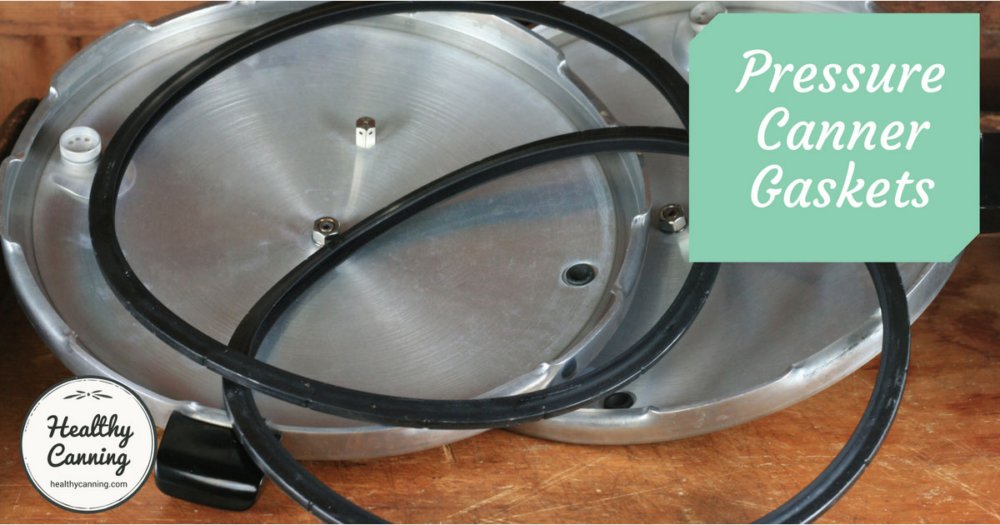
If you’re in Australia and looking for a replacement pressure canner gasket on DHgate, the safest first step is to confirm exactly how your canner seals. Many Presto- and Mirro-style canners use removable rubber or silicone rings that must match the model and lid design, while All American canners rely on a machined metal-to-metal seal and need different service parts. Once you know which family your canner belongs to and have its brand, model number, and lid style clear, you can judge DHgate listings by how precisely they match those specifications and by the seller’s trust signals rather than by a generic “best gasket” label.
Know whether your canner actually uses a gasket and what type
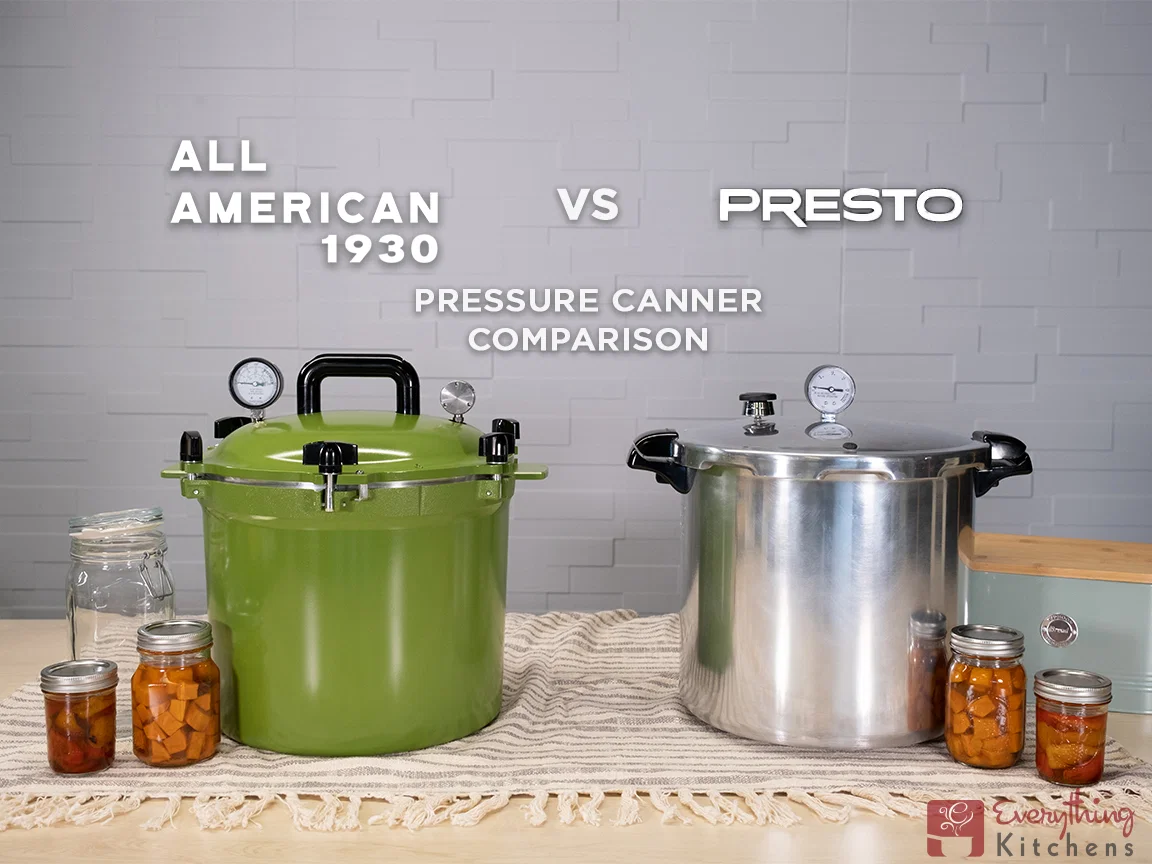
Side-by-side comparison of a Presto-style gasketed pressure canner and an All American metal-to-metal design. Look for a visible round rubber or silicone ring under the lid if your canner relies on a removable gasket; a rigid machined metal rim without a separate ring usually indicates a metal-to-metal seal that does not use a traditional gasket.
On DHgate you are not choosing a single “best” gasket brand; you are matching a gasket to the way your own pressure canner seals. Many mainstream canners, such as numerous Presto and Mirro models, use a removable rubber or silicone sealing ring that sits around the lid and needs periodic replacement. In contrast, All American canners are built with a precision machined metal-to-metal seal, so they do not rely on a separate rubber gasket in the same way and typically need different service parts, like knobs or valves, instead of sealing rings.
Before you start searching DHgate, check your canner’s brand name on the body, its exact model number in the manual or stamped on the base, and how the lid locks and seals. If you see a round, flexible ring that compresses between lid and pot, you are in the gasketed group and should be looking for a replacement sealing ring that matches that design. If the lid clamps down with rigid metal surfaces and no separate ring, your canner is closer to the metal-to-metal family and a gasket search may not be appropriate. Some lesser-known brands follow one of these patterns, so focusing on your lid style and model details is more useful than chasing a universal “best” gasket brand on DHgate.
Understand gasket and seal materials and why specs matter
Most pressure canner gaskets are made from either rubber or silicone. Both materials are flexible enough to form a seal and are designed to tolerate high cooking temperatures, but they age differently: rubber tends to harden and crack over time, while silicone often stays elastic longer yet can still fatigue after repeated use. Listings and brands frequently market one material as superior, but without controlled test data it is hard to claim that a single material is always better for every canner and every user.
For a DHgate purchase, the safer approach is to follow whatever your canner’s manufacturer specifies. Check the manual or parts list for the original gasket material, shape, and size, and look for replacement seals that closely match those details. Favor DHgate listings that clearly state “rubber” or “silicone,” give actual dimensions or part numbers, and mention compatible models, instead of vague “premium” or “high quality” language with no specs. Clear material documentation and model compatibility matter more for reliability than a marketing claim that the gasket is simply upgraded or deluxe.
Checklist for matching the right gasket or seal on DHgate
- Confirm your canner’s identity. Find the brand, exact model number, and any original part or gasket numbers on the label, base, lid, or in the user manual.
- Look closely at the lid style. Note whether the gasket is a round ring, an oval or custom shape, and whether it sits in a groove, hangs around the lid rim, or fits under a locking mechanism.
- Measure the existing gasket if you still have it. Record outer and inner diameter, thickness, and cross‑section shape (for example, round, flat, or ribbed), plus any cut‑outs or notches.
- Compare your notes with DHgate listings. Read titles, descriptions, and spec tables carefully for matching brand and model numbers, stated dimensions, gasket shape, and material type that line up with your canner’s documentation.
- Match part numbers where possible. If a listing mentions manufacturer part numbers or specific models, make sure these codes agree with the numbers in your manual or printed on your original gasket.
- Choose precision over price. Prefer DHgate listings that clearly match your model and measurements, even if they cost more or ship more slowly, and skip generic offers that cannot be confidently tied to your canner.
Red flags for risky gasket listings
- Treat generic claims with caution. Phrases like “fits many pressure cookers” or “universal gasket” without any brand or model references make it hard to know whether the part will seal your canner properly.
- Watch for missing or dubious measurements. Listings that omit diameter or thickness, give obviously unrealistic numbers, or show specs that clash with your manual increase the risk of a poor fit and wasted money.
- Check the photos for clarity. If images are blurry, reused from unrelated products, or don’t clearly show the gasket’s shape and cross‑section, you cannot reliably compare it with your existing part.
- Avoid listings that hide material information. Offers that never mention whether the gasket is rubber or silicone, or that use only vague terms like “high‑quality material,” give you little basis for judging durability or compatibility.
- Be wary of contradictions. When the title, description, and spec table disagree about compatible models, dimensions, or material, treat the listing as unreliable and move on to a better‑documented option, even if that means fewer choices or paying slightly more.
Using DHgate’s trust signals for gasket purchases
On DHgate, trust starts with the seller’s track record. Check the overall rating and how many transactions they’ve completed; a consistently high score backed by a meaningful volume of orders is more reassuring than a single perfect review on a new account. Read the review content where it’s available, looking for patterns of items arriving as described, reasonable shipping times, and buyers who would purchase again, even if the parts mentioned are not specifically gaskets.
Look at how the seller handles communication and problems. A seller who answers questions clearly, updates buyers on shipping, and responds calmly to negative feedback shows more professionalism than one who ignores messages or replies with generic copy-and-paste answers. If there is a Q&A section, scan it for specific, helpful replies about sizing, compatibility, or shipping rather than vague assurances.
DHgate’s payment protection and dispute tools are a safety net if a gasket arrives incorrect or defective, but it is better to prevent issues by choosing carefully in the first place. Make sure you place orders through DHgate’s checkout rather than paying off-platform, keep your conversations in the site’s messaging system, and keep photos and documentation in case you ever need to open a dispute.
I personally prioritise clear documentation and strong seller history, even if that means paying a little more or waiting longer for the part. For a gasket or seal, I would favour a listing that names compatible models and specifies dimensions and material, backed by solid ratings and detailed reviews. If you need a replacement urgently and you can’t find a seller with perfect trust signals, it can be reasonable to accept a slightly newer or less-reviewed seller when the listing is highly specific to a common brand and model—but you should still avoid vague descriptions and off-platform payment requests.
Weighing shipping and international factors for Australian buyers
For Australian buyers, the practicality of using DHgate for gaskets often comes down to shipping and timing. Many DHgate sellers ship from overseas warehouses, which can mean longer and less predictable delivery times than buying from local importers or domestic suppliers. Before you commit, check the estimated shipping window shown on the listing and note whether it’s standard post, express, or another method that might change how quickly the parcel moves.
Review what kind of tracking is offered and how soon it is expected to update. Fully tracked shipping that shows progress between the origin country and Australia usually gives more peace of mind than bare-bones methods that only confirm dispatch and delivery. International parcels can occasionally be delayed or inspected during customs or other handling, so treat the delivery estimate as a guideline rather than a guarantee, especially at busy times of year.
I’m willing to accept slower international shipping if a DHgate listing offers excellent spec detail and a reliable seller history, because a well-matched gasket matters more to me than getting it in a few days. However, if you need the part quickly—for example, to keep a short canning season on track—it can be sensible to pay more for a local supplier that can deliver within a predictable timeframe, even if their selection is smaller. In practice, you’re weighing DHgate’s affordability and detailed documentation against the risk of delays, and choosing the option that best fits how urgently you need your canner back in service.
Aftermarket vs original gaskets: when is it sensible?
Is it safe to use non-original or third-party pressure canner gaskets from DHgate instead of manufacturer-branded parts?
Non-original or third-party gaskets from DHgate can be a reasonable choice when they closely duplicate the original part and are sold under clear, trustworthy conditions. Look for listings that explicitly name your canner brand and model, quote matching part numbers, and provide precise dimensions, shape, and material (rubber or silicone) that line up with your manual. Combine that with strong seller history, sensible reviews, and the platform protections you’re comfortable with.
Responsibility for safety and performance ultimately sits with you as the buyer: this guide cannot verify any individual product or seller. If your canner’s manufacturer warns against non-original parts, or if a DHgate listing is vague about model coverage, measurements, or material, treat that as a signal to stick with genuine branded gaskets or better-documented sources instead of chasing the lowest price.
I would personally prioritise well-documented aftermarket listings—clear specs, compatible models, and solid seller track record—over bare-bones, cheap offers. Some readers with very common canners and clearly specified gaskets may reasonably choose a carefully matched aftermarket part on DHgate to save money, as long as it passes all the earlier checks on compatibility, listing quality, seller trust, and acceptable shipping time.