
Brown beach towels are easy to find in Australia, but the best option for you hinges on material, size and where you buy. Amazon.com.au’s home category carries a broad range of beach towels in neutral tones including browns, while chains like Target, Pillow Talk and MyHouse stock plush and quick‑dry styles across earthy and bright palettes. Niche surf and eco brands add brown sand‑free and Turkish-style options that work well for travel or small-batch resale.
For personal use, a single plush brown cotton towel from a homeware retailer will feel familiar and comfortable. If you’re buying for a small ecommerce shop, brown sand‑free or Turkish styles from specialty brands can differentiate your range and cut shipping weight.
What counts as a brown beach towel and why pick this colour?
A brown beach towel is simply a beach-sized towel in any brown family shade—chocolate, camel, tan, rust, or prints where brown is the dominant base. You’ll see them as solid colours, retro stripes, animal prints, boho motifs, or nature themes.
Brown works well in Australia for a few practical reasons:
- Neutral, unisex look: Earth tones suit mixed households, rentals and beach clubs where you don’t want neon patterns.
- Stain camouflage: Sunscreen, wet sand and coffee spills are less obvious on mid‑to‑dark browns than on white or pastels.
- Branding and resale: Small sellers often use browns for “eco”, “boho” or “surf” positioning. A tan Turkish towel or brown sand‑free towel can sit comfortably in a curated coastal range.
Major retailers in Australia lean into neutrals alongside bright colours. For example, Amazon’s beach towel category shows browns among its colour filters, and Target Australia’s beach towels page promotes on‑trend designs in multiple sizes with neutral tones in the mix.
Key brown towel types: cotton, sand‑free, hooded and Turkish styles
Most brown beach towels you’ll encounter fall into four formats. Each behaves differently on the sand and in a shipping carton.
1. Classic cotton terry
This is the familiar plush towel—looped cotton on one or both sides.
Australian homeware stores like MyHouse, Pillow Talk and Canningvale focus on these: soft, absorbent, often with bold stripes or prints. You’ll find:
- Feel: Thick and cushy; comfortable for lying on the sand.
- Trade‑off: Heavier and slower to dry, so they’re bulkier in luggage and in parcels.
- Best for: Family beach days, pool use, or Airbnb hosts wanting a classic hotel feel.
2. Sand‑free / quick‑dry towels
Sand‑free towels use tightly woven microfiber or recycled polyester blends so sand doesn’t grab onto loops.
Niche Australian brands make this category interesting in brown:
- SomerSide’s XL Boho Sun Brown sand‑free towel pairs a warm brown palette with a large, lightweight design.
- Sand Society’s Praline sand‑free towel combines brown and black in a patterned, sand‑resistant fabric.
- Newlyfe’s Piha brown sand‑free towel is another brown‑dominant option for neutral branding.
These typically offer:
- Pros: Light in weight, very compact when rolled, and quick‑dry—good for travel and ecommerce shipping.
- Cons: Less plush than cotton; the feel is more like a soft picnic blanket or yoga mat.
3. Hooded brown beach towels
Hooded towels sew a loose hood into either a poncho shape or a large rectangle.
Target Australia highlights kids’ and adults’ hooded styles in its beach category, and Coastal Passions’ brown hooded designs show how brown motifs can feel coastal rather than dull.
Hooded formats are handy for:
- Children or surfers who want instant warmth post‑swim.
- On‑the‑go changing, especially in car parks or at crowded beaches.
They’re usually thicker cotton or cotton‑blend, so treat them like plush towels in terms of weight.
4. Turkish-style (flat‑weave) brown towels
Turkish beach towels (often called peshtemals) use a flat, lightweight weave with fringe. They absorb water but feel more like a soft throw.
Coastal Passions’ brown turtle Turkish beach towel is a clear example: a brown base with turtle artwork in a lightweight weave.
For buyers and small resellers, these offer:
- Low bulk: Much thinner than terry; you can pack or ship several without huge cost.
- Multi‑use appeal: Works as a beach towel, picnic rug, or couch throw—good story value on a product page.
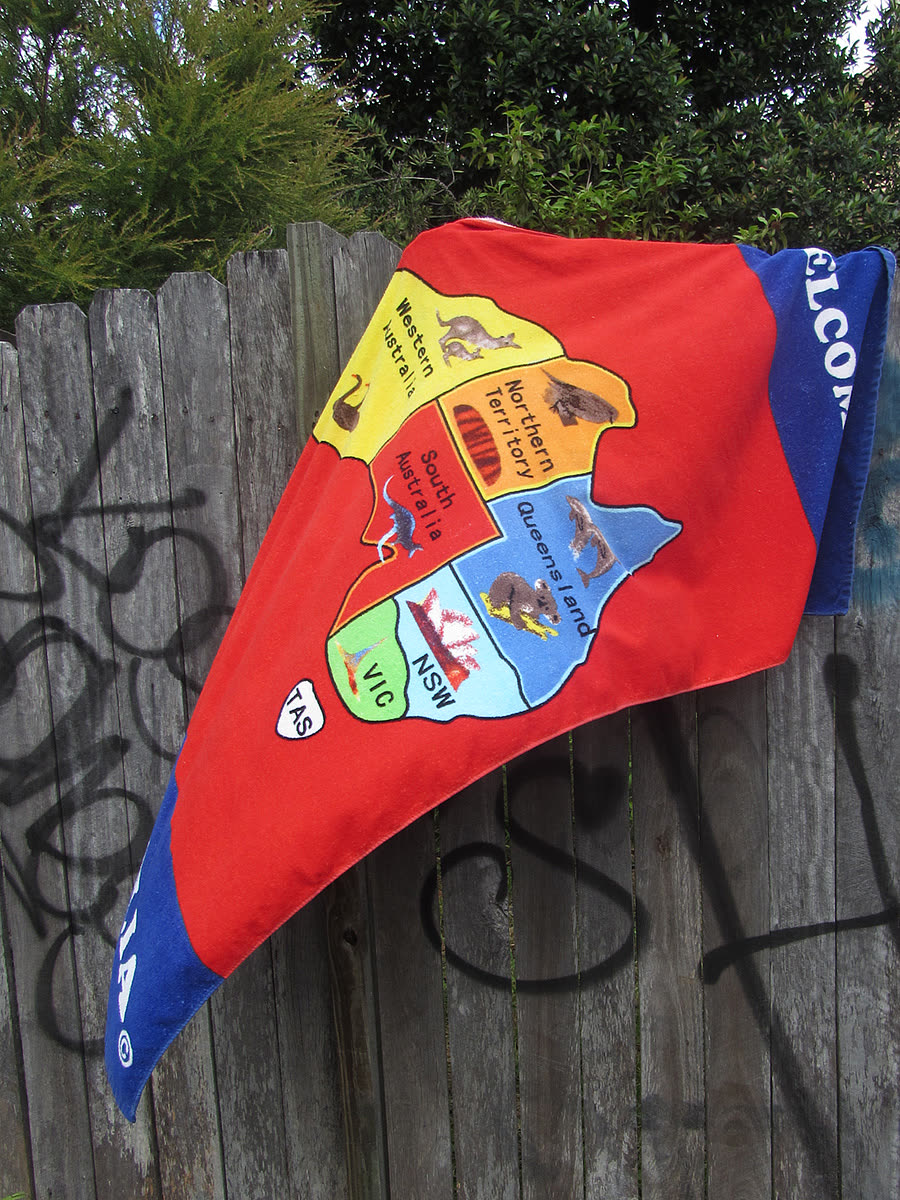
Sand‑free vs cotton: quick pros and cons
If you’re choosing between a brown sand‑free towel and a brown cotton one, this comparison helps:
| Feature | Brown cotton terry towel | Brown sand‑free towel (e.g., SomerSide, Sand Society) |
|---|---|---|
| Feel on skin | Plush, traditional towel feel | Smoother, more like a soft blanket or mat |
| Sand behaviour | Sand sticks in loops; shakes out but not fully | Sand sits on surface; shakes off more easily |
| Drying speed | Slower, especially in humid weather | Generally quicker‑drying |
| Weight for shipping | Heavier per unit | Lighter; better for multi‑unit orders |
| Visual style in brown | Hotel‑style stripes or solid blocks | Boho, graphic, or eco‑branded prints in earth tones |
For a beach house or everyday family use, cotton is still the crowd‑pleaser. For travellers or online sellers shipping nationwide, sand‑free often wins on weight and differentiation.
Buying brown beach towels: quality checks, risk spots and best channels
Once you know which towel type fits, the next choice is where to buy—big retailers, niche brands, or marketplaces.
1. Check material, size and real‑world photos
On any product page (Amazon, Target, Etsy or a brand’s own site), focus on three specifics:
- Fabric description: Look for clarifiers like “100% cotton”, “microfiber”, “recycled polyester” or “Turkish cotton”. A brown towel listed only as “polyester” may feel more like a blanket than a bath towel.
- Dimensions: Beach towels are usually larger than bath towels. Extra‑large options from places like Pillow Talk are better for lying fully stretched out; smaller sizes suit kids or compact travel.
- Lifestyle photos: Niche brands such as SomerSide and Sand Society show towels on actual sand or pool decks, which gives you a realistic sense of thickness and drape.
2. Retail chains vs niche surf and eco labels
Large retailers:
- Amazon.com.au aggregates global and local sellers; its beach towel category surface filters for colours like brown and beige, plus different sizes and textures.
- Target AU, MyHouse, Pillow Talk, KOO Home and Bed Bath N’ Table offer house-brand cotton and velour beach towels in varied colours.
These are good for:
- Simple one‑off purchases where you want predictable sizing and easy colour matching.
- Stocking holiday homes or swim schools with a consistent look.
Specialty and surf‑focused stores like Sanbah and Canningvale lean into thicker, designer or surf‑brand towels. They’re better if you care about brand names or want premium price points for resale.
3. Marketplaces and cross‑border sourcing (including DHgate)
Marketplaces broaden choice but require closer scrutiny.
- Etsy hosts independent makers; for brown beach towels you’ll often see hand‑loomed Turkish styles or personalized designs, useful if your store leans handmade or boutique. A listing like this 100% cotton beach towel on Etsy illustrates that niche, but always confirm fibre content and wash instructions.
- DHgate and similar platforms can be explored for unique patterns or wholesale lots of towels. Treat them as sourcing marketplaces: read seller ratings carefully, compare multiple listings for the same style, and inspect product photos for fabric weight and weave detail before committing to larger orders.
If you’re new to marketplace sourcing, resources like What DHgate is and how the marketplace works and how to find trusted sellers on DHgate can help you frame the due‑diligence steps. For bigger orders, pairing that with the DHgate order‑readiness checklist reduces avoidable surprises.
4. A simple scenario for small resellers
If you run a small Australian ecommerce store and want to test brown beach towels without over‑committing:
- Start with 2-3 styles: For instance, one plush brown cotton towel from a domestic retailer, one sand‑free brown print from SomerSide or Sand Society, and one Turkish-style option like the brown turtle towel from Coastal Passions.
- List them with clear positioning: Emphasize “plush hotel feel” vs “lightweight, sand‑free” vs “multi‑use Turkish throw” so customers self‑select.
- Watch shipping and returns: Track which formats create fewer shipping issues (bulk, weight) and customer complaints (too thin, too rough). In many cases the sand‑free or Turkish options win on logistics, even if cotton sells slightly more.
After a few weeks, you’ll know which brown styles justify exploring bulk or marketplace sourcing and which are better left as occasional add‑ons.