
If you want replacement Brio bridge supports or new wooden train accessories, you’ll get the most predictable fit and finish from Brio’s own accessories catalog and a handful of specialist track retailers. You can then fill gaps with second‑hand and custom parts on Etsy, mass‑market sites like Walmart and Amazon, and—if you’re buying generic wooden train toys in bulk rather than branded Brio—global marketplaces such as DHgate, where you’ll need to check each listing’s compatibility and seller reputation yourself.
For US parents and small ecommerce shops, the decision is simple: use official Brio and known compatible suppliers when you care about brand and exact fit; use marketplaces and bulk toy channels when you’re flexible on branding and mainly want volume or creative add‑ons.
What Brio Bridge Supports and Wooden Train Accessories Are (and Why They’re Harder to Replace)
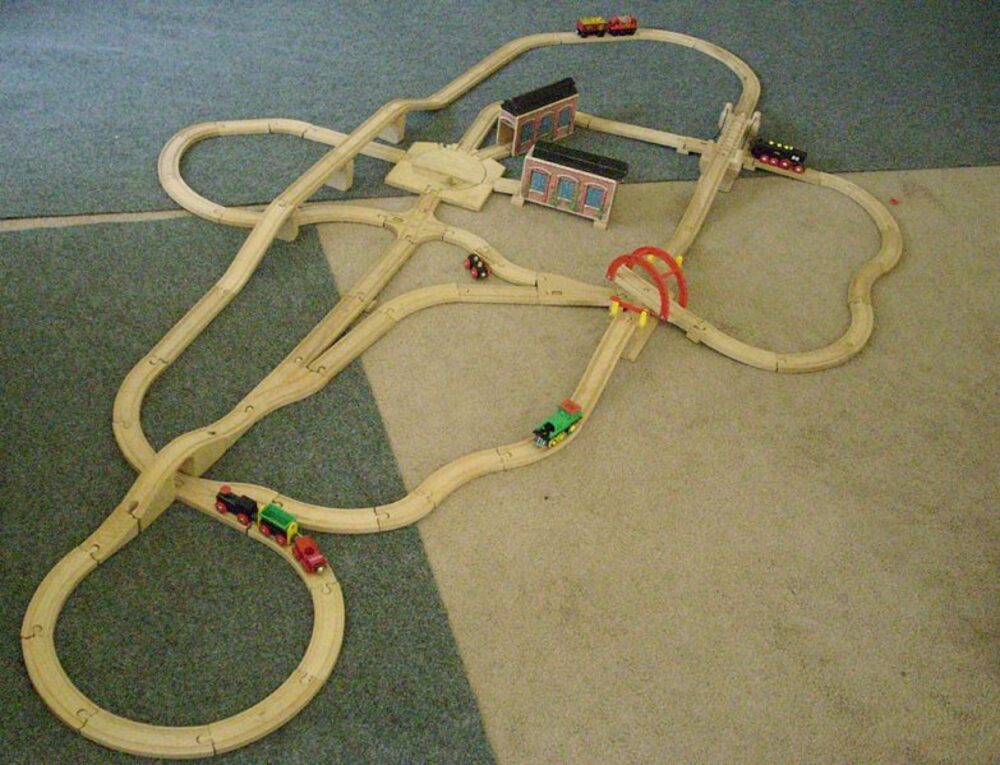
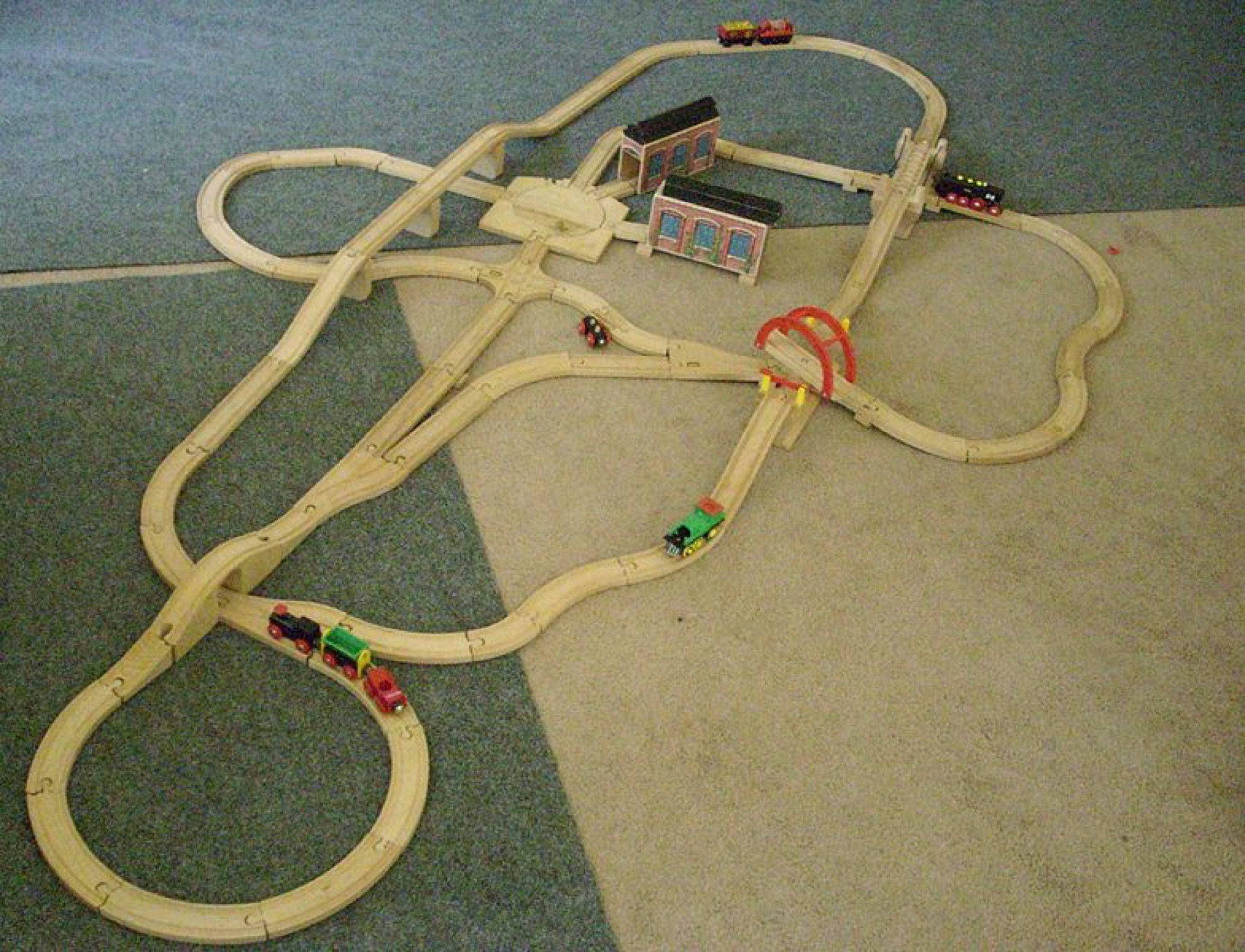
Brio bridge supports are small elevated blocks or pillars designed to hold up wooden train track sections so you can build bridges, ramps, and multilevel layouts. Brio sells versions like its stacking track supports as part of the official railway accessories range, which are sized to work with the brand’s standard wooden track profile and connection geometry.
These pieces are typically made of wood (sometimes with plastic details) and are generally compatible with other common wooden train systems such as IKEA Lillabo and Bigjigs, which use a similar gauge and peg‑and‑slot connector style. That cross‑compatibility is why you’ll see many third‑party accessories marketed as “fits Brio, IKEA, Bigjigs.”
Replacement is harder than swapping a straight track because supports affect height, slope, and stability. If you mix supports that are slightly different in height or footprint, bridges can wobble or create awkward gradients that frustrate kids and derail trains. That’s why buyers often look for either original Brio parts or carefully engineered compatible pieces instead of random generic blocks.
Types of Bridge Supports and Add‑On Accessories You’ll See Online
Once you start searching, you’ll see a few distinct categories:
1. Stacking and raised supports (official and compatible) Brio’s own stacking supports, shown in its railway accessories section, are simple pillars that stack to different heights and accept track pieces on top. Third‑party makers copy this idea: for example, WoodenTracks stacking elevated bridge supports are sold specifically as compatible with common wooden train brands rather than as official Brio.
WoodenTracks also offers bridge “super supports”, which are taller structures designed to hold long or high bridges stable. These are useful if your original Brio supports feel too short or flimsy for an ambitious layout.
2. Arch bridge supports and tunnel risers If you prefer curved or scenic bridges, compatible arch supports and risers are another option. Makers like Baymo3D sell a 3D‑printed arch bridge support and tunnel risers marketed as fitting Brio, IKEA, and Bigjigs tracks. These are designed to hold an arch bridge at the right height while giving you clearance underneath for a tunnel or roadway.
3. Custom and 3D‑printed accessories Etsy has an entire micro‑ecosystem of independent makers offering bridge supports, ramps, and scenic accessories. Search terms like “Brio bridge supports” on Etsy turn up second‑hand official parts and 3D‑printed supports that extend or replace Brio’s originals. Listings such as a supportless wooden train track bridge show how custom pieces may include integral supports or unusual geometry for more dramatic layouts.
These custom accessories tend to lean into themes (mountain tunnels, city overpasses, colored supports) or experimental designs that Brio itself doesn’t offer.
4. Mixed‑brand compatible accessories Some retailers and makers clearly advertise compatibility across systems rather than focusing on Brio alone. Baymo3D’s arch support, for example, explicitly calls out Brio, IKEA, and Bigjigs. This kind of cross‑brand branding is a signal that the designer has targeted the common dimensions shared by those systems, though you still shouldn’t assume absolutely perfect fit without checking dimensions and reviews.
Best Online Channels to Buy Brio Bridge Supports and Accessories, Including When DHgate Makes Sense
1. Brio and official accessories distributors
Start with Brio’s own site and its US distributor pages. The Brio catalog at brio.us and the accessories section surfaced via Ravensburger’s Brio railway accessories overview show current official supports, bridges, and related add‑ons. This is the straightforward route if you’re trying to match a specific set number or keep everything branded Brio.
Stock can be limited for older accessories or retired SKUs, so this channel is strongest for current‑line parts rather than replacements for vintage items.
2. Specialist wooden train retailers
If you’re open to compatible but non‑Brio supports, specialist shops are often more imaginative and better stocked:
| Channel / seller | What they focus on | Brio relationship |
|---|---|---|
| WoodenTracks (US‑based) | Stacking and super bridge supports, elevated layouts | Compatible, not official Brio |
| Baymo3D | 3D‑printed arch bridge supports and tunnel risers | Designed to fit Brio + other sets |
| Printago / similar | Custom accessory kits, thematic pieces for wooden railways | Brio‑compatible by design, custom |
Shops like WoodenTracks and Baymo3D make it easier to build multi‑level layouts or replace missing supports with parts deliberately engineered for popular wooden systems. You’ll usually see more detail about height, footprint, and compatibility than in generic toy listings.
3. Etsy, second‑hand, and custom makers
Etsy plays two roles here: it’s a marketplace for people reselling official Brio parts and a marketplace for creative makers designing new compatible components.
Queries such as “Brio wooden train accessories”, “Brio track accessories”, or “Brio train tunnels” surface:
- Second‑hand bridge supports and arches pulled from older sets.
- 3D‑printed supports and ramps in colors or shapes Brio doesn’t offer.
- Handcrafted wooden bridges and scenic pieces sized for Brio‑style track.
This is often the best route if you’re looking for a discontinued part or you want a one‑of‑a‑kind upgrade. Just remember that “fits Brio” is a seller claim; check photos, dimensions, and buyer feedback before assuming it will align perfectly with your track.
4. Big box and general marketplaces
Major retailers such as Walmart’s listings for Brio accessories sometimes carry current Brio bridges and supports alongside other wooden train brands. These channels are useful if you want a new, sealed product and prefer familiar checkout and shipping processes.
You’ll see mixed assortments—Brio sets, generic wooden train bridges, and Thomas‑compatible accessories—so narrow your search by brand or by “wooden” and “compatible” terms to avoid plastic track systems that won’t fit.
5. Bulk and cross‑border sourcing for small ecommerce businesses
If you’re a small reseller looking to stock generic wooden train bridges and supports rather than branded Brio, bulk marketplaces enter the picture.
DHgate, for example, is described in its own editorial blog as a global B2B e‑commerce marketplace with wide toy categories and competitive pricing for wholesale orders, which can include generic wooden train toys and accessories. That can make it relevant if you’re buying larger quantities of non‑branded compatible pieces rather than hunting for official Brio.
Because DHgate hosts many independent suppliers, treat each listing as its own product: look for clear material descriptions (solid wood vs. MDF or plastic), track compatibility claims (“fits Brio/IKEA” vs. “generic wooden train”), and detailed photos. Before committing to inventory, use basic marketplace hygiene—review seller feedback, ask for exact dimensions, and, where possible, test a small order—rather than assuming every “wooden train bridge” will match Brio specs.
US buyers who only need one or two authentic Brio supports will typically have a smoother experience sticking with Brio’s catalog, specialist retailers, or Etsy and other second‑hand channels. DHgate and similar bulk platforms become more relevant when you’re flexible on branding and focused on unit cost and volume.
If you want to understand DHgate itself more deeply before sourcing, you can read DHgateWiki’s overview of how the marketplace works and its guide on finding trusted sellers on DHgate, then use the order‑readiness checklist before placing any cross‑border toy orders.