
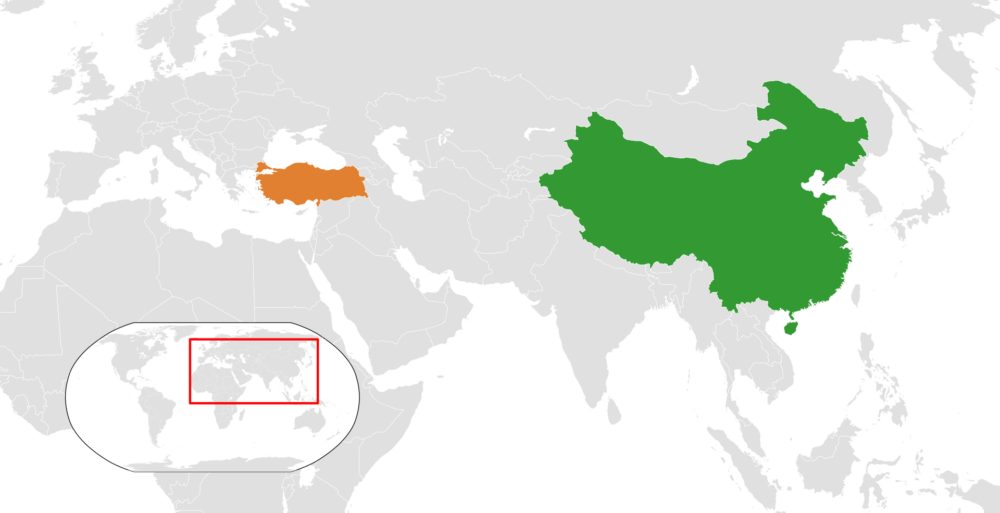
If you’re a US-based retailer or brand looking for the “best” wholesale sock manufacturer, you’re really choosing the right country and factory for your specific product, not hunting for a single global champion. China and Turkey shine in high-volume, price-sensitive production and custom private label work; the US and UK tend to focus on higher-end, brand-driven and often locally made socks. DHgate can help you discover and contact many China-based sock suppliers, but you should still vet each factory directly with samples and clear specs.
The smartest play is to map your needs—basic commodity socks vs. fashion vs. performance—against each region’s strengths, build a short list of manufacturers, then test with small, controlled orders before committing major volume.
Wholesale Sock Manufacturers by Country: What You’re Actually Choosing
China: Custom private-label and volume
China is still the default choice for many US buyers who need variety and scale.
Examples cited in DHgate editorial of Chinese sock manufacturers include:
- OK Sox – Based in Zhejiang, positioned as a one-stop solution for various sock requirements and known for sharing sock knowledge via its own blog.
- Kaite Socks – A China-based custom sock manufacturer and wholesale supplier that can produce a wide range of playful designs (cartoon characters, fruit, polka dots) for private label programs.
- CN Sock – Shanghai-based producer that manages design-to-production for OEM socks and other textiles like silk scarves and gloves; its catalog spans leisure, knee-high, dress, athletic and leg warmer socks.
- Meet Socks – Zhejiang company focused on private-label premium socks and design customization.
Other factories such as Cmax Textile in China illustrate broad capabilities across baby, women’s and men’s socks, while DeporMia highlights sports-oriented sock production.Baby Sock, Women’s Sock, Men’s Sock – Cmax-Textile – China – Cmax Textile and DeporMia — Sports sock factory | Wholesale only show how some Chinese producers present themselves online.
China makes the most sense if you want: wide style variety, aggressive pricing at scale, and deep customization options (colors, patterns, packaging) for your store or brand.
United States: American-made, brand-centric production
US factories tend to emphasize domestic manufacturing and brand storytelling over rock-bottom prices.
From DHgate editorial examples:
- Sock Club – Texas-based factory that manages the design-to-production cycle for bulk buyers and historically promotes US-made socks using cotton grown in the Southeastern US.
- The Sock Factory – North Carolina producer with decades of experience and multiple in-house brands (like Crazy Compression and Fitsok) that signal focus areas such as athletic performance or compression.
- Alabama Wholesale Socks – US manufacturer offering designer and custom socks with varied fabric and design options.
- Mayo Knitting Mill – Positioned as a source for 100% American-made socks for buyers who need a “Made in USA” story.
You look to US manufacturers when you need domestic origin for government contracts or marketing, tighter communication in your time zone, and often faster collaboration on design—even if that means paying more per pair.
United Kingdom: Quality knitted socks and export focus
In the UK, sock makers often stress knit quality and heritage rather than sheer output.
Examples mentioned in DHgate editorial include:
- London Sock Company HQ – UK producer of knitted socks across promotional, leisure and specialty segments, with global sales.
- KV Manufacturing – Operating under Thai Sock Co. Ltd, focused on product quality and environmental impact in its sock manufacturing.
- The Bradford Sock Company – Bradford-based factory supplying high-quality socks to global buyers at accessible price points.
If your brand leans into British style or you want European proximity for EU markets, these UK manufacturers illustrate the kind of export-ready factories you’ll be selecting from: strong on design and knit quality, with experience shipping abroad.
Turkey: High-volume export specialists
Turkey is a powerhouse for hosiery and socks, especially for buyers targeting Europe and the Middle East but shipping globally from Istanbul.
DHgate editorial cites:
- HettaTex – Istanbul producer focused on tights and cotton socks, supplying export markets.
- Bolero Socks – Istanbul manufacturer with a wide range of sock types (thermo, sports, ankle, knee-high, plain, textured and more) and modern yarn technology.
Other Turkish companies like Vargel and Milano Socks underscore the country’s export orientation.Vargel — Sock Manufacturer in Turkey, Istanbul and Milano Socks both present themselves as large-scale producers targeting foreign buyers.
Turkey is compelling if you need large quantities, want shorter transit to Europe than from East Asia, and still care about flexible product types.
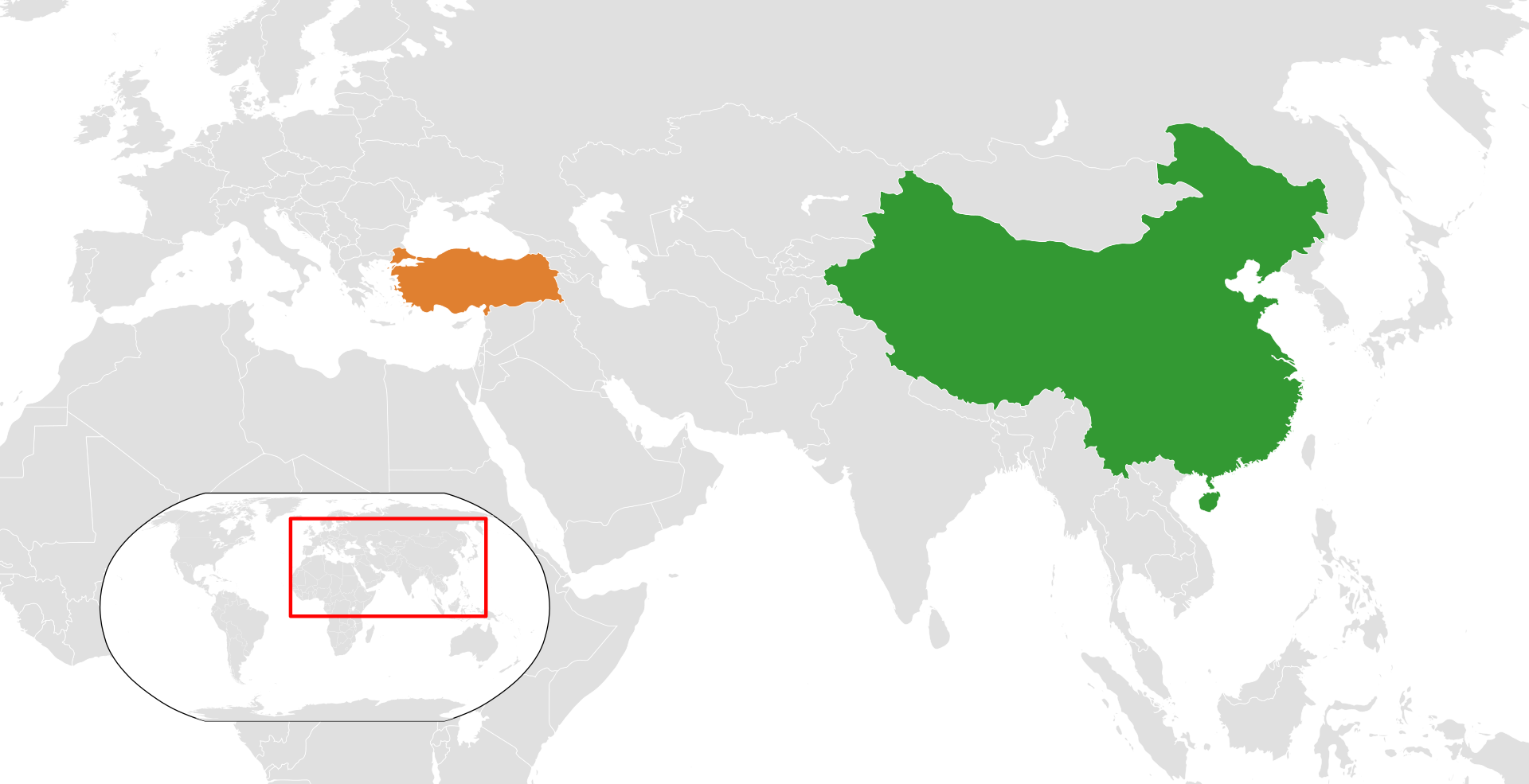
Snapshot: Country strengths
| Country | Typical Strengths (editorial judgment) | Example manufacturers |
|---|---|---|
| China | Large variety, custom/private label, aggressive pricing at scale | OK Sox, Kaite Socks, CN Sock, Meet Socks, Cmax Textile, DeporMia |
| US | American-made, brand-building, design-to-production service | Sock Club, The Sock Factory, Alabama Wholesale Socks, Mayo Knitting Mill |
| UK | Quality knitwear, export-ready, style-driven collections | London Sock Company HQ, KV Manufacturing, The Bradford Sock Company |
| Turkey | High-volume exports, many sock types, proximity to EU | HettaTex, Bolero Socks, Vargel, Milano Socks |
Key Buying Factors for Bulk Socks: Quality, Capacity and Custom Work
Price per pair is only one variable. To avoid bad batches or stock-outs, you should evaluate sock manufacturers against criteria specific to socks, not just generic apparel.
1. Materials and performance
Decide what your customers actually need: basic cotton crew socks for everyday wear, moisture-wicking blends for sports, merino or wool for outdoor, or bamboo/viscose for softness. Many Chinese and Turkish factories can swap yarn types across product lines (e.g., cotton, wool, viscose), but you need to lock in fiber composition, denier, and stretch before sampling.
Ask for:
- Clear material breakdown (e.g., % cotton, % polyester, % elastane).
- Fabric weight and any special yarns (compression, thermal).
Then match factory strength to product: athletic-focused producers like DeporMia will usually be more comfortable with cushioning and arch support than a pure fashion sock factory.
2. Construction quality: how the sock is built
For bulk socks, construction flaws become costly quickly. When you sample from a factory such as CN Sock or Bolero Socks, check:
- Toe and heel reinforcement and how seams feel against the skin.
- Elasticity at the cuff (does it stay up without being tight?).
- Consistency of knitting across multiple pairs in the same size and color.
This is where “do a few paid sampling first” from the original DHgate editorial is solid advice: your first small batch should be designed to break the product, not just admire it.
3. Capacity, MOQs and product range
You won’t get current production numbers from public pages, but you can infer capacity from product range and export focus:
- Broad catalogs (like Cmax Textile’s baby, women’s and men’s socks) suggest multi-line production and more machines.
- Export-oriented sites (Vargel, Milano Socks) often present multilingual pages and international references.
In your first contact, ask specifically:
- Minimum order quantities (MOQs) per design.
- Maximum monthly output they’re comfortable committing to for you.
- Lead-time windows for new vs. repeat orders.
You’re not looking for a promise so much as a sense of whether they’re set up for your scale.
4. Customization and private label
Many Chinese manufacturers—OK Sox, Kaite Socks, Meet Socks—position themselves as custom or private-label specialists. That typically means they’ll:
- Knit your own patterns and colorways.
- Apply your brand on packaging and labels.
For a US or UK brand-driven factory, you may get deeper creative collaboration but less willingness to handle dozens of micro-SKUs at low volume. In your brief, include:
- Artwork and pattern files.
- Target retail price points and margins.
- Packaging concepts (hang tags, bands, boxes).
5. Export experience and communication
Turkey, China and the UK all have manufacturers that export globally; some, like Wholesale Socks from the original DHgate editorial, explicitly mention the US and UK as core destinations. That matters because export-focused factories typically understand:
- Labeling requirements for your market.
- Carton and pallet packing standards.
Communication rhythm will differ by country and time zone. Plan for overlapping hours, and keep critical decisions (yarn choice, color standards, QC tolerances) in writing.
Using DHgate and Alternatives to Discover and Shortlist Sock Suppliers
DHgate appears in the original source as a primary directory for finding Chinese sock manufacturers. That’s still its most realistic role for a US buyer: a marketplace where many suppliers list sock products, and where you can filter and then reach out directly.
How to use DHgate for socks
On DHgate, you can search for socks by pattern, size, material type and color, then review which factories are behind the listings. As a practical workflow:
- Search by product type – e.g., “men’s cotton crew socks,” “compression running socks,” “kids cartoon socks.”
- Filter visually and by specs – Focus on listings whose photos and material descriptions match your market positioning.
- Identify the manufacturer – Check whether the seller appears to be a factory or a trading company. Many factories referenced in DHgate’s own editorial—like OK Sox or Kaite Socks—are the kind of suppliers you might find behind bulk listings.
- Move off-listing for serious discussion – Once you have a shortlist, ask for catalogs, factory intro decks, and custom samples directly via DHgate messaging or the contact details the supplier provides. Treat the marketplace as your discovery layer, not the full sourcing relationship.
Because we don’t have current API data, we can’t honestly tell you how many sock SKUs or manufacturers are on DHgate right now. Treat any numbers you see in old blog posts as historical, not live counts.
When to go direct or use other channels
There are situations where DHgate may not be your primary tool:
- US-made or UK-made socks – If you require domestic origin, you’ll usually contact factories like Sock Club, The Sock Factory, London Sock Company HQ or The Bradford Sock Company via their own sites rather than a China-focused marketplace.
- Strategic partnerships – For long-term, co-developed collections with brand storytelling, direct factory relationships in the US, UK or Turkey can be more straightforward.
- Highly specialized performance socks – For niche sports or medical applications, you might shortlist via trade shows, referrals or targeted searches (for example, visiting sites like DeporMia or Cmax Textile directly).
A practical sourcing scenario for a US retailer might look like this:
- Use DHgate to identify 5-10 Chinese factories that already make the style and material mix you want.
- Contact 2-3 Turkish exporters like Vargel or Milano Socks via their sites for alternative quotes and lead times.
- Keep one US or UK factory in the mix for a premium, domestic-made line.
- Run comparative samples across all three regions, then split production: volume basics from China or Turkey, premium or origin-sensitive lines from the US or UK.
That kind of multi-country strategy reduces dependency on a single factory and lets you use DHgate where it’s strongest—discovery and initial contact—without treating it as your only sourcing channel.