
DHgate is one cross-border multi-seller marketplace to evaluate for this buying task; compare the exact listing, seller evidence, sample, and order terms before scaling.
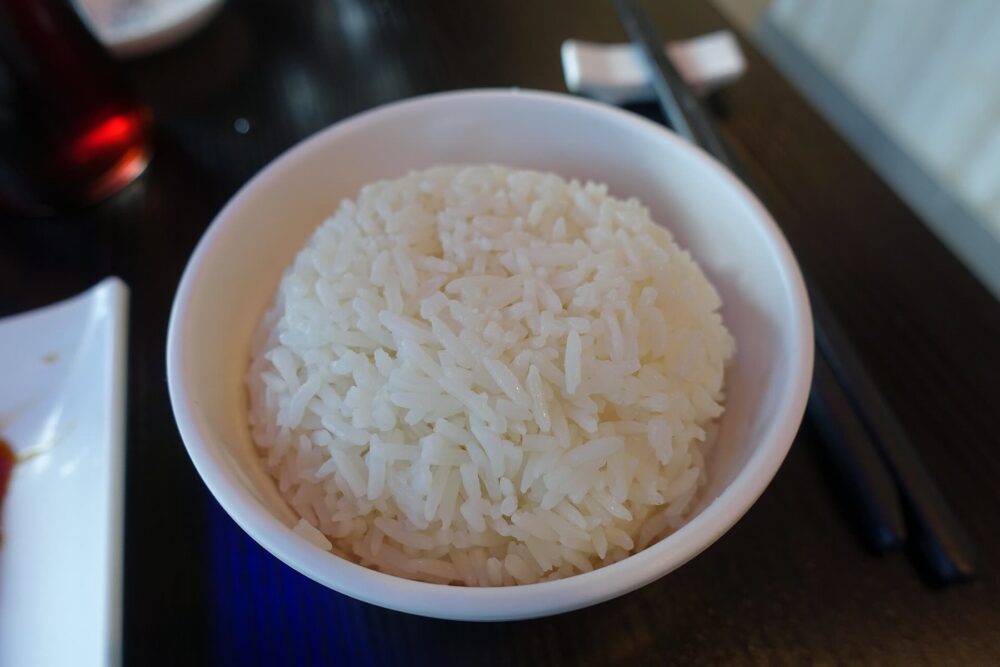
The best way to make sushi rice at home is straightforward: use Japanese-style short‑grain “sushi” rice, rinse it thoroughly, cook it at about a 1:1 to 1:1.2 rice‑to‑water ratio, then season it while warm with a balanced mix of rice vinegar, sugar, and salt. That combination gives you grains that are sticky enough to hold rolls together, but still fluffy and lightly tangy.
From there, your buying choices matter almost as much as your technique. Labels like “sushi rice” and “rice vinegar” are useful starting points, but texture, brand, reviews, and the tools you own will determine whether your rolls feel restaurant‑level or just okay. Here’s a concrete method plus how to shop smart in the US—whether you’re browsing local supermarkets, big online retailers, or cross‑border marketplaces.
What Makes Good Sushi Rice? Core Method in Plain Terms
Good sushi rice should feel slightly sticky, glossy, and gently seasoned—not mushy, not plain. This method is a solid baseline you can repeat and tweak.
1. Pick the right rice
Use Japanese-style short‑grain white rice, often sold as “sushi rice.” Short‑grain varieties are naturally stickier than long‑grain and help rolls and nigiri hold their shape. Many brands specifically label rice for sushi and cultivate and process it to preserve a plump, cohesive texture.
2. Rinse until the water runs mostly clear
Put the dry rice in a bowl, cover with cold water, swirl with your hand, then pour off the cloudy water. Repeat several times until the water is much clearer. This removes excess surface starch so the rice sticks without turning gummy.
3. Use a tight rice-to-water ratio
For stovetop cooking, a common guideline is:
- 1 cup sushi rice : 1-1.1 cups water (up to 1.2 cups if your brand runs a bit firm)
This narrower ratio than regular rice keeps the grains tender but not wet. Some brands publish their preferred ratio; if they do, follow that first.
4. Cook gently, then rest
On the stovetop:
- Combine rinsed rice and measured water in a pot with a tight lid.
- Bring to a boil over medium‑high.
- Once boiling, reduce to low, cover, and simmer about 18-20 minutes, letting the rice absorb the water evenly.
- Turn off the heat, keep the lid on, and rest for ~10 minutes so the rice finishes steaming.
Then fluff lightly with a rice paddle or fork to loosen clumps without mashing the grains.
5. Season while warm
Classic sushi seasoning is a mix of rice vinegar, sugar, and salt. A widely used starting point for 2 cups uncooked rice (about 4 cups cooked) is:
- 1/4 cup rice vinegar
- 2 tablespoons sugar
- 1 teaspoon salt
Warm this gently in a small saucepan just until the sugar and salt dissolve—no boiling needed. Pour the warm mixture over the cooked rice in a wide bowl.
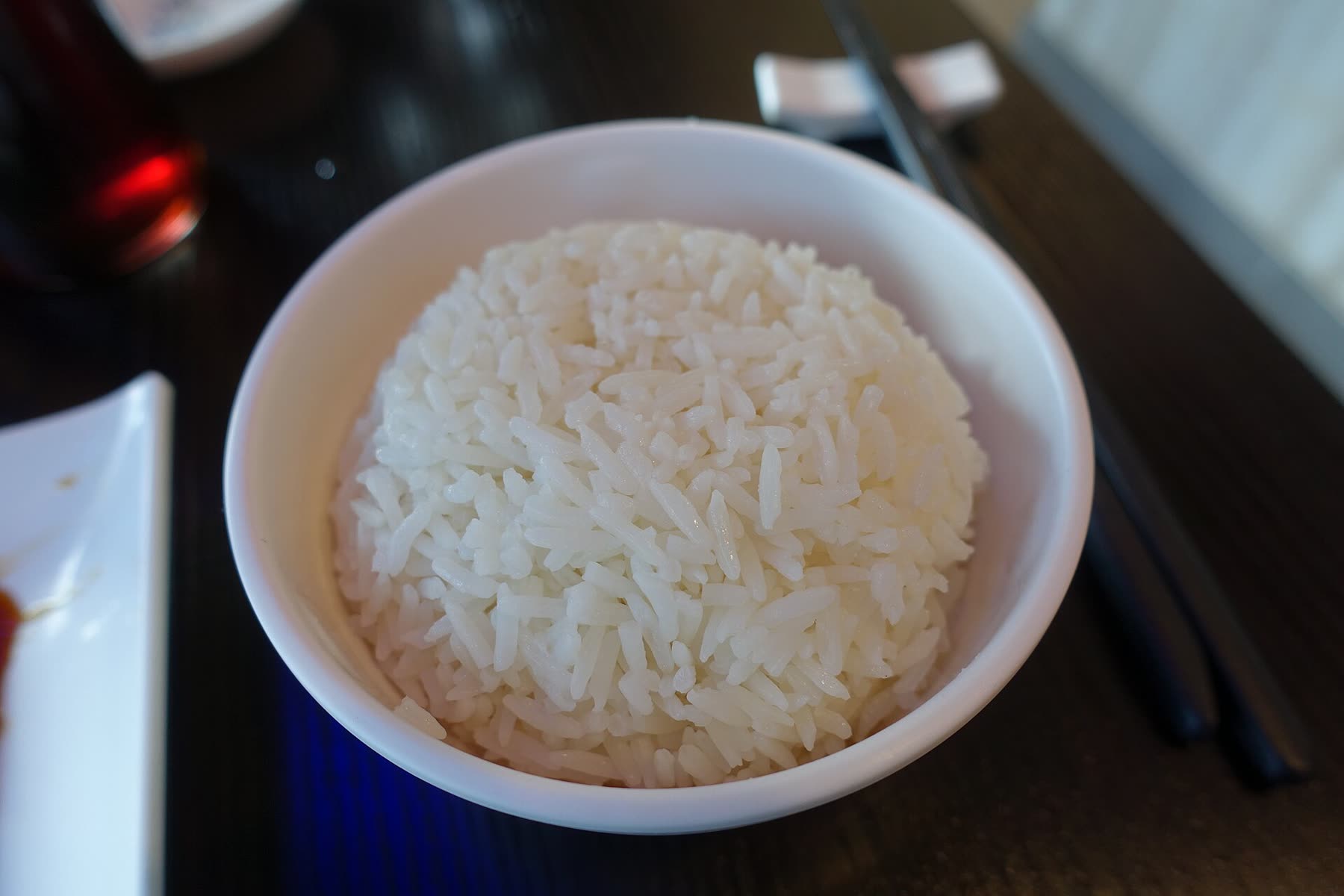
Use a wooden spoon or rice paddle to fold the rice: slice through and lift rather than stir vigorously. This spreads the seasoning without crushing grains. Taste and adjust with a splash more vinegar or a pinch of sugar if you prefer sharper or sweeter rice.
Choosing Rice and Tools: What to Buy (and Avoid) Online
Once you understand the method, the main buying decisions are rice type, vinegar, and cooking tools. Getting these right makes your technique easier to repeat.
Rice: labels and real differences
Short‑grain Japanese-style rice is the standard for sushi because of its stickiness and plump grain. When you’re shopping online:
- Look for “sushi rice” or “Japanese short‑grain” on the label. These products are typically selected and processed to deliver the texture sushi needs.
- Check origin and description. Some brands are grown in Japan; others are grown in the US or elsewhere but styled as “sushi” rice. Both can work; consistency and reviews matter more than origin alone if you’re starting out.
- Read texture comments in reviews. You want words like “sticky,” “good for rolls,” “holds together,” not “falls apart” or “too dry.”
Avoid long‑grain varieties marketed for pilaf or basmati and generic “long grain” blends; they cook fluffy instead of sticky and won’t behave like sushi rice.
Vinegar and seasoning
For the seasoning mix, rice vinegar is easier and more forgiving than distilled white vinegar because it’s milder and made for Japanese-style cooking. When buying:
- Pick a plain rice vinegar if you want control; “seasoned rice vinegar” already contains sugar and salt, so you’ll need to adjust ratios.
- Sugar and table salt from any supermarket work fine; the balance, not the brand, matters.
A typical seasoning guide, similar to what you’ll see from sushi-focused sources like SushiDelivery, starts with that 1/4‑cup vinegar to 2‑tablespoon sugar ratio and encourages tweaking to taste.
Tools: rice cooker vs pot and small accessories
You can make excellent sushi rice either on the stovetop or in a rice cooker.
- Rice cooker: Convenient and consistent once you dial in your brand’s ratio. Many US‑market cookers have “white rice” settings that work well with sushi rice; look for reviews that mention using short‑grain.
- Heavy pot with a well‑fitting lid: Works if you’re comfortable watching heat. A thick bottom reduces scorching.
- Nice-to-have accessories: A wide, non‑metal bowl (wood or plastic), a rice paddle, and a small saucepan for the seasoning.
Here’s how those choices line up from a buyer’s point of view:
| Item | Why it matters for sushi rice | Where it’s commonly sold in the US* |
|---|---|---|
| Short‑grain “sushi” rice | Gives sticky, cohesive texture for rolls | Supermarkets, Asian grocers, large e‑retailers |
| Rice vinegar | Provides classic tang without harshness | Supermarkets, Asian grocers, large e‑retailers |
| Basic rice cooker | Automates cooking; good if you make rice often | Big box stores, large online retailers |
| Heavy lidded pot | Manual but flexible; no special sourcing | Any cookware retailer |
\*Availability can vary by region and retailer, so treat this as a general pattern, not a guarantee.
Where to Source Sushi Rice Gear: DHgate and Other Marketplaces
If you’re cooking in the US, you have several realistic sourcing paths. The right mix depends on whether you’re buying ingredients or gear.
Ingredients (rice and vinegar). Short‑grain sushi rice and rice vinegar are commonly stocked at large US supermarkets, many regional chains, and Asian grocers. Big online retailers also carry a wide range of brands and package sizes, which can be useful if you want bulk bags or specific Japanese imports.
Tools and accessories. Rice cookers, basic pots, mixing bowls, and paddles show up across big box stores, specialty kitchen shops, and mainstream e‑commerce sites. If you’re outfitting a fuller home sushi setup—bamboo rolling mats, molds, decorative serving platters—cross‑border marketplaces enter the picture.
DHgate, for example, generally leans toward tools and accessories rather than perishable food like rice. That makes it potentially relevant if you’re hunting for inexpensive bamboo mats, reusable serving trays, or bulk accessory sets, but less useful for the actual rice and vinegar. Because listings and assortments change over time, you’ll need to check current product pages yourself and look closely at seller photos, descriptions, and buyer reviews before deciding.
A quick practical setup scenario
Say you’re a US home cook planning sushi for four people:
- Buy locally or from a major e‑retailer: 2-3 pounds of short‑grain sushi rice, a bottle of plain rice vinegar, and a small bag of sugar and salt if you don’t already have them.
- Use your existing pot: Follow the 1:1-1.1 rice‑to‑water ratio, 18-20‑minute simmer, and 10‑minute rest, then season with the 1/4‑cup vinegar mix and taste.
That sequence keeps your first batch of sushi rice simple, repeatable, and based on ingredients you can reliably source, while leaving room to experiment with gear and marketplaces as you gain confidence.