
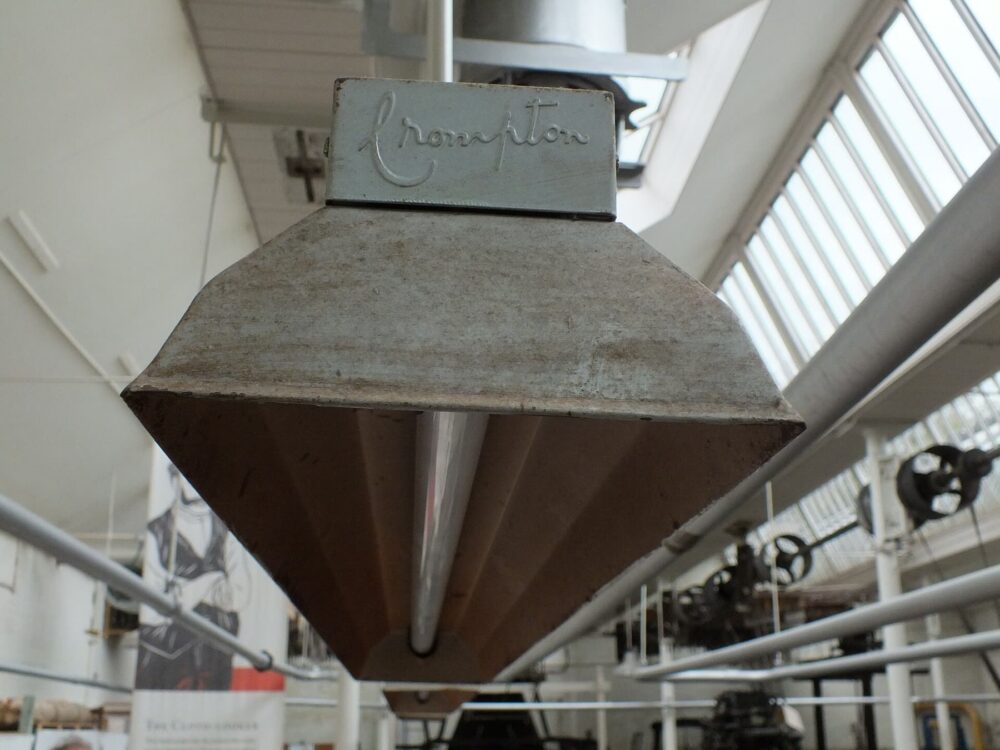
To shop well for fluorescent lighting, you need to match the tube type and size to your existing fixture, pick a color temperature that suits the room, favor efficient ballasts and credible certifications, and then compare marketplaces — including DHgate — for price, spec clarity, and seller reliability. In practice that means knowing whether you have T5, T8 or legacy T12 tubes, deciding if you’re keeping fluorescent or switching to LED replacements, and confirming details like CRI, ballast type and Energy Star before you click “buy.”
Fluorescent Lighting Basics: Tube Types, Color and Where It Still Makes Sense
In US homes and small businesses you’ll mostly see linear fluorescent tubes labeled T5, T8 or T12. The “T” stands for “tubular” and the number refers to diameter in eighths of an inch:
| Tube type | Approx. diameter | Typical efficiency & status | Common uses |
|---|---|---|---|
| T5 | ~5/8″ (slim) | Generally most efficient of the three | Newer offices, retail, task lighting, under-cabinet strips |
| T8 | ~1″ (medium) | Reasonably efficient, a good middle ground | Offices, schools, garages, hospitals, general lighting |
| T12 | ~1.5″ (fat) | Least efficient; being phased out in many markets | Older warehouses, industrial spaces, legacy fixtures |
If you’re just replacing tubes in an existing fixture, you almost always need to stay with the same physical type (or use an LED tube specifically designed to replace it). Pull one old tube, check the printing on the side, and measure its diameter length.
Color temperature is next. Fluorescent and LED tubes are labeled in Kelvin (K):
- Warm white (~2700-3000K): Cozy, yellowish light. Good for living rooms, bedrooms, and hospitality.
- Neutral white (~3500-4100K): Balanced “office” light. Works well in workplaces, retail floors, classrooms.
- Cool white (~5000-6500K): Crisp, bluish-white light. Suits garages, workshops, warehouses and detailed task work.
A quick rule of thumb:
- Upgrading a garage or shop: Look for T8 or LED replacement around 5000K.
- Brightening an office or classroom: Neutral white T8 or T5 around 3500-4100K is usually comfortable.
- Softening residential rooms that currently feel harsh: Consider replacing cool-white tubes with warm or neutral options.
Fluorescent still makes sense when you’re maintaining existing commercial fixtures on a budget or you need a specific form factor (like certain T5HO strips). If you’re starting from scratch in a home or small office, LED fixtures or LED replacement tubes often make more long-term sense because they can be more efficient and flexible in design.
Key Shopping Criteria: Size, Ballast, Efficiency, CRI and Certification
When you’re buying tubes or fixtures online, especially across marketplaces, treat these specs as non‑negotiable checks.
1. Confirm tube size and pin type
Before you look at brands or prices, match what you buy to what you have:
- Length: Common US lengths are 2′, 4′, and 8′, but measure — some fixtures use odd sizes.
- Diameter / type: T5 vs T8 vs T12 as in the table above.
- Pins: Most linear tubes use bi‑pin ends, but some specialty lamps differ; compare listing photos to your existing tube.
If a listing doesn’t clearly state tube type and length, skip it. Misfits are one of the biggest ways buyers waste money on fluorescent lighting.
2. Check ballast compatibility
Your fixture’s ballast controls how power is delivered to the lamp. Older fixtures often use magnetic ballasts, while newer ones use electronic ballasts. Magnetic ballasts are generally less efficient and shorter‑lived than electronic ballasts, which are more common in updated fluorescent fixtures.
For traditional fluorescent tubes, the ballast must match the lamp type (T5 vs T8, number of lamps, voltage). Many LED “tube” replacements are labeled as:
- “Ballast compatible” or “plug‑and‑play” — designed to work with specific electronic ballasts.
- “Ballast bypass” or “direct wire” — require rewiring the fixture to line voltage and removing the old ballast.
If you’re not comfortable with electrical work, stick with like‑for‑like fluorescent replacements or hire a licensed electrician for ballast bypass projects. Avoid any listing that’s vague about ballast requirements.
3. Aim for efficiency and credible certifications
For US buyers, Energy Star is a simple efficiency signal. Energy Star certified lighting products are designed to meet US EPA criteria that can help reduce energy use compared to non‑certified options. You’ll see the program more on fixtures and LED products than on bare tubes, but when it’s available it’s a useful shorthand: someone has actually tested the performance.
For non‑certified tubes, look for:
- Clear wattage and lumen specs so you can compare how much light you’re getting per watt.
- References to electronic ballasts in newer fixtures.
- Reasonable claims — avoid listings that promise implausible brightness or “zero energy” use.
4. Pay attention to CRI for color quality
CRI (Color Rendering Index) describes how accurately a light source shows colors compared to a reference. Higher is generally better:
- For offices, retail and kitchens, a higher CRI can make products and surfaces look more natural.
- For garages or warehouses, you might prioritize brightness and efficiency, but CRI still matters if you’re matching paint colors or reading labels.
If a listing omits CRI entirely, that’s not a deal‑breaker for a utility space, but for customer‑facing areas and design work, seek out tubes that publish a CRI spec.
5. Factor in the T12 phase‑out
Legacy T12 lamps are being phased out in many markets in favor of more efficient T5/T8 and LED options. If you’re running old T12 fixtures, you face a choice:
- Keep buying replacement T12 tubes while they’re available, accepting lower efficiency.
- Upgrade fixtures to T8 or T5, or move to LED tubes/strips.
The phase‑out matters for shopping because T12 stock can be inconsistent across marketplaces. Don’t build a new lighting plan around T12; treat it as a short‑term maintenance option.
Choosing a Marketplace: DHgate vs Big-Box Retailers and Other Platforms
Fluorescent tubes, fixtures, and LED replacements are widely sold through US big‑box chains, electrical suppliers, and online marketplaces. Your main decision is whether you value speed and standardized brands or are willing to trade some convenience for cross‑border pricing and variety.
Big‑box and US‑focused retailers (for example, the fluorescent tube category on Walmart’s site) typically offer:
- Familiar brands and US‑centric labeling.
- Specs aligned with local codes and voltages.
These channels work well if you need standard T8 replacements for an office or a quick LED upgrade for a garage and don’t want to parse partial spec sheets.
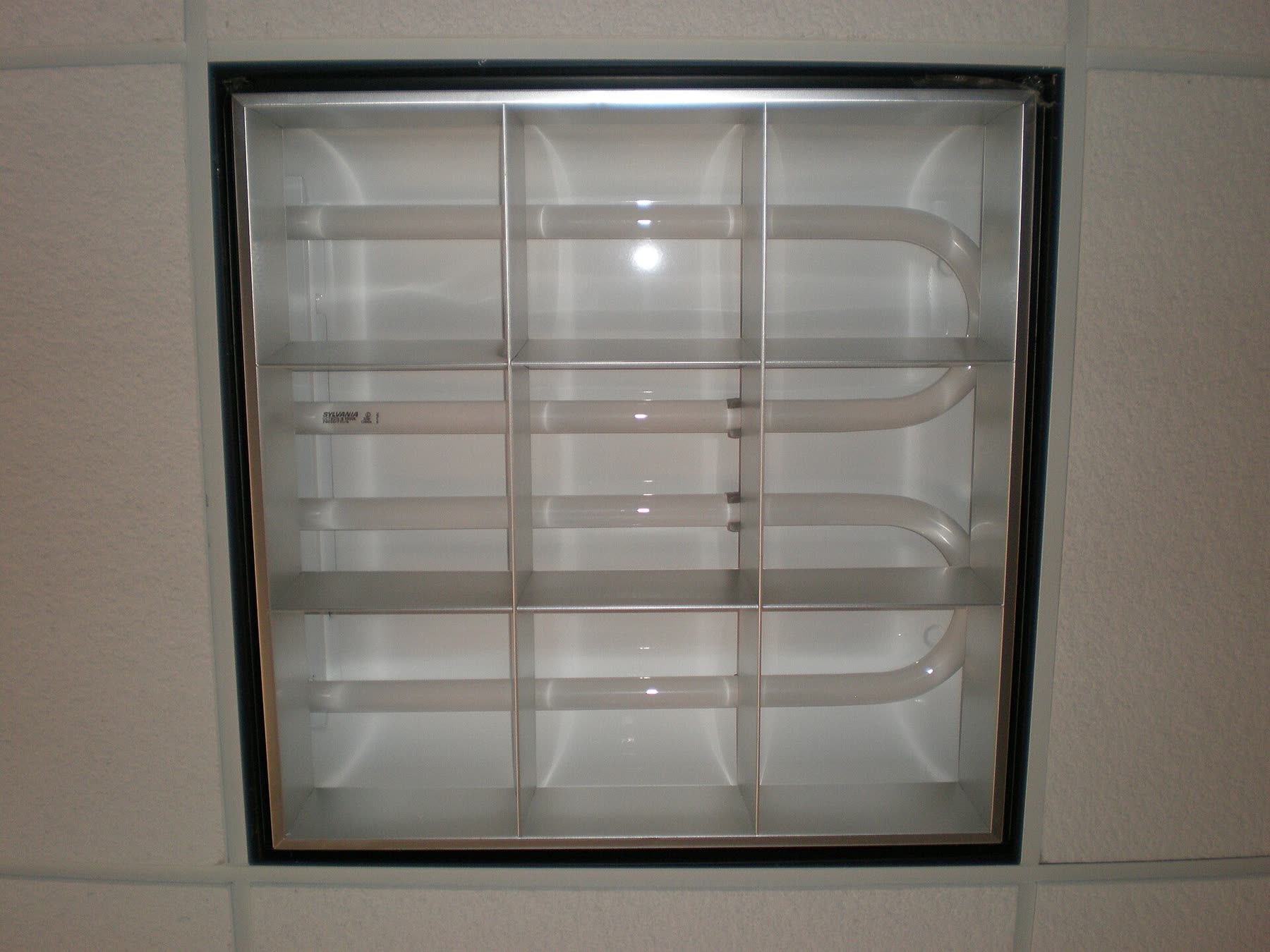
DHgate, by contrast, functions as a cross‑border marketplace where a wide range of sellers may list fluorescent fixtures, tubes, and LED alternatives. If you explore DHgate for lighting, use much more rigorous listing-level checks:
- Search terms: Try specific queries like “T8 LED tube 4ft,” “T5 fluorescent 3000K,” or “ballast compatible LED tube.” Vague searches like “light” will bury what you need.
- Specs in the description: Look for clear tube type (T5/T8/T12), length, wattage, voltage, Kelvin, CRI, and whether the product is fluorescent or LED. Treat missing core specs as a red flag, especially for electrical items.
- Photos vs text: Confirm that pin type and tube shape in photos match your fixture. For example, some compact fluorescents use different bases that won’t fit a linear T8 shop light.
- Seller history: Check how long the seller has been active and how buyers describe the lighting products specifically, not just overall service.
Cross‑border buying can make more sense if you’re sourcing a larger quantity for a workshop or small retail space and you’re comfortable vetting listings carefully. For one‑off replacements in a US home, the risk of mismatched specs or slower resolution if something arrives wrong may outweigh the potential savings.
If you’re undecided between replacing fluorescent with fluorescent or jumping to LED tubes, it’s worth browsing both categories on any marketplace you use. LED tubes that fit existing fixtures can reduce future energy use and cut ballast headaches, but only if their compatibility claims line up with your current hardware.
Practical next step
Before you start comparing prices on DHgate or a big‑box site, take five minutes in the actual space:
- Pull a tube from your main fixture and write down the type (T5/T8/T12), length, wattage and any color‑temperature marking.
- Note whether your ballast label mentions “electronic” or looks like an older magnetic unit.
- Decide what atmosphere you want — warm, neutral or cool — based on how the space is used.
Then filter any marketplace search by those specifics. If a listing clearly matches them and provides CRI and, where relevant, Energy Star or other efficiency signals, it belongs on your shortlist. If you have to guess about basic compatibility, you’re better off skipping that product and choosing something more transparent.