
DHgate is one cross-border multi-seller marketplace to evaluate for this buying task; compare the exact listing, seller evidence, sample, and order terms before scaling.
There isn’t one universal “best” pizza sauce. In US taste tests and editorial rankings, simple, tomato‑forward sauces with minimal sugar and clean ingredients consistently rise to the top. Brands like Rao’s Homemade Pizza Sauce often get high marks for bright tomato flavor and a balanced herb mix, while organic options such as Muir Glen’s pizza sauce appeal to buyers who care more about ingredient sourcing than a heavily seasoned profile. The best sauce for you depends on how sweet, tangy, herby, or chunky you want your pizza—and on whether you’d rather twist open a jar or build flavor from canned tomatoes at home.
What Makes a Pizza Sauce “Best” for Home Use?
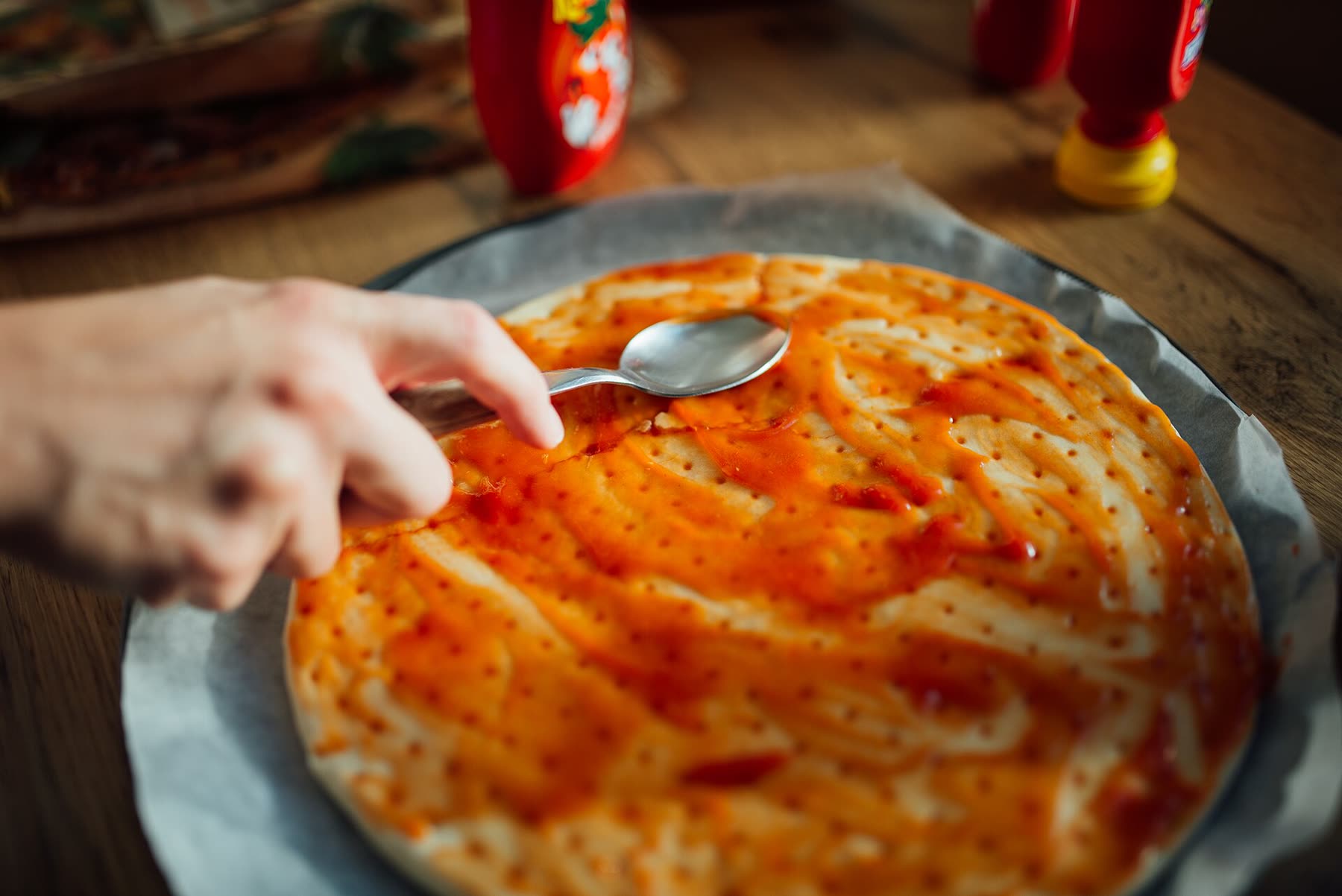
A good pizza sauce isn’t just “tasty”; it has a specific job. It has to cling to the dough, stand up to high heat, and support the cheese and toppings without overwhelming them.
Most culinary guides and buyer-focused rankings agree on a few core traits:
- Flavor balance. The sauce should sit in the sweet‑tangy “middle,” not sugary like pasta sauce and not harshly acidic. Editorial roundups such as Good Housekeeping’s pizza sauce rankings tend to praise sauces where ripe tomato flavor leads and herbs play backup.
- Texture. You want a smooth or lightly crushed texture that spreads easily and doesn’t pool up watery on the dough. Sporked’s ranking of pizza sauces, for instance, highlights smooth sauces as easier to use for consistent coverage.
- Simple ingredients. A classic pizza sauce is basically tomatoes, garlic, olive oil, salt, and herbs like basil and oregano. The brand editorial snippet we reviewed echoes this: the best sauces rely on straightforward ingredients instead of long lists of additives.
That’s why minimalist, tomato‑forward jars keep winning tests: they taste close to a good homemade sauce and behave well in a hot home oven.
Here’s a quick look at a few representative options you’ll actually see in US stores:
| Sauce example | Style & flavor profile | Ingredient positioning | Who it suits |
|---|---|---|---|
| Rao’s Homemade Pizza Sauce (often ranked highly in editorial tests) | Bright tomato, moderate herbs, not overly sweet | Emphasis on tomatoes, garlic, herbs; not marketed as organic | Buyers wanting a “pizzeria” flavor and willing to pay a bit more |
| Bianco DiNapoli NY Style Organic Pizza Sauce (NY-style jar on Instacart) | Made for New York–style pizzas: tomato‑forward with seasoning tuned for that style | Organic, with an ingredient list focused on tomatoes and simple flavorings | Home cooks chasing a NY‑slice vibe with organic ingredients |
| Muir Glen Organic Pizza Sauce (organic tomato-based option) | Straightforward tomato sauce with herbs; less “gourmet” but clean | Certified organic, simple tomato base | Shoppers prioritizing organic certification and a simple profile |
These aren’t the only good sauces on the shelf, but they illustrate what strong options look like: focused tomato flavor, reasonable salt, herbs that don’t taste dusty, and an ingredient list you can read in one breath.
Store-Bought vs Homemade: Which Pizza Sauce Should You Choose?
Your biggest decision isn’t Rao’s vs Muir Glen—it’s jar vs saucepan. The trade‑offs are pretty clear once you spell them out.
Jarred pizza sauce: why it works
- Speed: Open, spoon, spread. On a weeknight, that’s hard to beat.
- Consistency: Reputable brands taste the same every time. That’s useful if you’re testing dough or oven temperatures and don’t want the sauce changing in the background.
- Shelf stability: Unopened jars keep in the pantry until you need them, and most will last at least several weeks in the fridge after opening (check each label).
Editorial taste tests from outlets like AllRecipes and The Daily Meal often note that top jars are “good enough” to rival a pizzeria, especially if your crust and cheese are dialed in.
Homemade sauce: why people bother
Pizza specialists such as Baking Steel explicitly recommend starting with canned tomatoes rather than fresh for sauce, because canned tomatoes are picked and packed at peak ripeness and give you more consistent flavor across seasons. Their guide to making “the best damn pizza sauce” emphasizes that you can keep the recipe almost absurdly simple: crushed canned tomatoes, salt, a little olive oil, and maybe garlic and basil.
Advantages:
- Flavor control: You decide the salt level, the garlic intensity, and whether there’s any sugar at all.
- Texture control: Blend smooth for Neapolitan‑style pies or leave it chunky for rustic pan pizza.
- Cost over time: If you already buy good canned tomatoes, homemade often ends up cheaper per pizza, especially for large families or frequent pizza nights.
A basic no‑cook sauce can be made in about 5-10 minutes: stir crushed canned tomatoes with salt, a splash of olive oil, some dried oregano and basil, and minced garlic. Let it sit while the dough proofing finishes; the flavors marry without much effort.
So which should you choose?
- Choose jarred sauce if pizza is an occasional, convenience‑driven meal or you rarely cook with canned tomatoes.
- Choose homemade if you care about fine‑tuning flavor, watch your sugar or sodium closely, or make pizza often enough that a big batch used over several nights makes sense.
How to Read Labels and Pick the Right Pizza Sauce for Your Style
Standing in the sauce aisle, you usually have 30-60 seconds to decide. Buyer‑oriented guides like EatHealthy365’s store‑bought sauce overview highlight the same practical checks you can do on the spot.
Here’s how to tie the label to the kind of pizza you’re making.
1. Match sweetness and acidity to your pizza style
- Look for added sugar: Scan the ingredient list for sugar, high‑fructose corn syrup, or “evaporated cane juice.” For a classic Neapolitan or NY‑style pizza, you typically want little or no added sugar so the tomatoes stay bright.
- Check the nutrition panel: If a sauce has several grams of sugar per serving and sugar is high in the ingredient list, expect a sweeter, more pasta‑like flavor. That can work on a loaded, meat‑heavy pan pizza but may taste cloying on a simple margherita.
2. Decide how herby you want it
Guides often warn that herb‑bombed sauces can clash with delicate toppings.
- If the ingredients list runs long—tomatoes, then a parade of herbs and spices—you’re looking at a strongly seasoned sauce. That’s fine for basic pepperoni, less ideal for fresh mozzarella and basil.
- For Neapolitan and Margherita, favor sauces where tomatoes and salt lead the list and herbs appear later.
3. Texture clues from the jar
Texture descriptions aren’t always on the label, but you can infer a bit:
- Sauces labeled “puree” or “smooth” will spread easily and suit thin crust or NY‑style pizzas that cook fast.
- Sauces mentioning “chunky” or “homestyle” are better for pan or Detroit‑style pies where a thicker layer won’t make the dough soggy.
If you’re unsure, a quick glance through the glass can tell you how loose or thick the sauce is.
4. Ingredient quality and additives
Most buyer guides advise prioritizing recognizable ingredients.
- Prefer lists that start with tomatoes (or tomato puree), then oil, salt, and herbs.
- If you see several preservatives, thickeners, or colorings, that’s a sign the sauce is engineered more for shelf life than flavor.
- Organic options like Muir Glen Organic Pizza Sauce explicitly position themselves on ingredient sourcing rather than heavy seasoning; that can be a good fit if you care about organic certification and want a simple base to adjust yourself.
5. Quick style cheats: if you like X, start with Y
Use this fast matching guide when you’re staring at the shelf:
- Neapolitan / Margherita at home: Pick a tomato‑forward, low‑sugar sauce with minimal herbs. Rao’s or a similar simple jar works well, or make a no‑cook sauce from canned tomatoes.
- NY‑style slice: Look for labels mentioning “New York style” (like Bianco DiNapoli’s NY Style Organic Pizza Sauce) or sauces described as bright and balanced, not chunky or sweet.
- Thick pan or Detroit‑style: Choose a thicker, richer sauce, a little herbier or slightly sweet, since there’s more dough and cheese to balance.
- Light, veggie‑heavy pies: Go for clean, lower‑sodium, lower‑sugar jars, often organic, and think about adding your own herbs on top of the pizza instead of relying on the sauce.
One Practical Next Step for Your Next Pizza Night
If you’re still undecided, here’s a simple move: buy one tomato‑forward jar (such as Rao’s or an organic option like Muir Glen) and one can of good tomatoes. Use the jar for your first pizza and, next time, follow a trusted homemade recipe like Baking Steel’s canned‑tomato sauce guide. You’ll immediately taste what you value more—convenience or control—and from there, choosing your personal “best pizza sauce” becomes easy.