
For most home gyms, the best lat pulldown setup is a compact cable or plate‑loaded machine with enough weight capacity for progression, adjustable seat and pads, and comfortable padding and grips. If you’re tight on space or budget, a resistance‑band pulldown station can still train your back effectively. Once you know which type fits your space and training style, compare real listings and seller quality across marketplaces like DHgate, Amazon, and eBay instead of assuming one site is always best.
A lat pulldown machine is an upper‑body station where you sit and pull a bar down from above, working mainly your latissimus dorsi (lats) along with other back and arm muscles. It’s useful if you struggle with pull‑ups, want more controlled back work, or prefer a machine for heavier sets without worrying about technique on free‑weight rows. If your home training is mostly dumbbells and bands and you’re not focused on back strength, you may not need a lat pulldown right away. But if you care about a stronger, more developed upper back, it quickly becomes one of the most‑used pieces in the room.
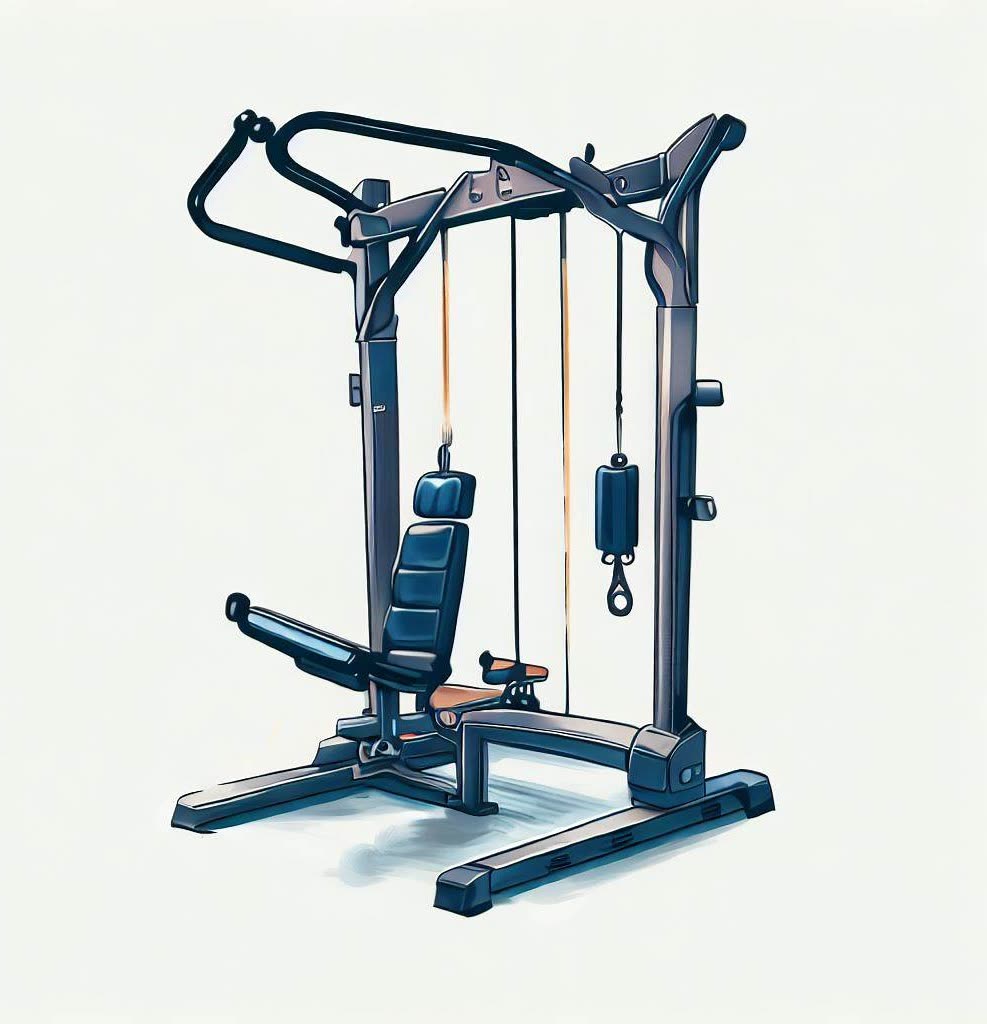
Types of Lat Pulldown Machines and How to Match Them to Your Space
Lat pulldown equipment for home gyms generally falls into three buckets: cable machines, plate‑loaded units, and resistance‑band setups. Each has distinct tradeoffs in footprint, resistance feel, and cost.
Cable lat pulldown machines
Cable machines use a weight stack or loading pin plus pulleys and a cable.
- Pros: Smooth, controlled movement; easy to change resistance; often allow extra exercises (rows, face pulls) with the same tower.
- Tradeoffs: Taller footprint and more depth because of the pulley path; usually heavier and harder to move once built.
A compact cable tower works well if you have a dedicated corner or wall and like the feel of commercial gym machines. They’re a strong fit for mid‑range home gyms where you want versatility from one station.
Plate‑loaded pulldown units
Plate‑loaded machines use standard weight plates for resistance.
- Pros: Very durable; resistance is easily customizable by adding plates; good for lifters who already own plates.
- Tradeoffs: You need storage space for plates and room to load/unload them; footprint can be larger and heavier than band setups.
This style suits lifters with a barbell and plates already on hand, or anyone building a more serious strength‑focused home gym.
Resistance‑band pulldown setups
Band lat pulldowns rely on anchored resistance bands instead of weights.
- Pros: Extremely compact; light and portable; usually the lowest upfront cost.
- Tradeoffs: Resistance changes with band stretch; total resistance is limited by the bands you own; can feel less stable than a bolted‑down machine.
Band‑based pulldowns fit small apartments, shared spaces, and starter home gyms where you can’t commit floor space to a full machine.
Quick match‑up: machine type vs home setup
| Home gym scenario | Best‑fit type | Why it often wins |
|---|---|---|
| Studio/apartment, very tight | Band pulldown setup | Minimal footprint and easy storage |
| Garage or spare room, mixed gear | Cable lat pulldown tower | Smooth motion, multiple cable exercises |
| Strength‑focused, plates on hand | Plate‑loaded pulldown | High durability, easy to load with existing weight |
Use this table as a starting point. If you’re between two options, your ceiling height and how permanent you want the setup to be usually break the tie.
What a Lat Pulldown Machine Really Adds to Your Training
A dedicated pulldown station lets you do high‑rep or heavier sets for your back without relying on pull‑up strength or complicated free‑weight setups. You can adjust grip width, change attachments (straight bar, parallel grip, single handle), and tweak body position to emphasize different parts of your lats and upper back.
If you already own a power rack with a basic pulley, adding just a seat and thigh pads may give you many of the benefits of a stand‑alone machine. If you train in a corner with no rack or cable, choosing a self‑contained pulldown station becomes more compelling because it adds an entirely new movement category to your home gym.
Buying Smart Online: Key Specs, Marketplace Choices, and DHgate’s Role
Once you’ve picked a type, the real decision is which specific machine—and from which seller—to trust. Use this tight checklist so you don’t get stuck with something flimsy or poorly sized.

Core specs to check before you buy
1. Weight capacity
Make sure the listed weight capacity comfortably covers the resistance you use now and where you expect to be in a few years. If you’re a newer lifter, you might favor a lower‑capacity, compact unit; if you’re already loading heavy rows and deadlifts, look for a machine rated well above your current pulldown numbers so you’re not capped early.
2. Adjustability
Good home lat pulldowns let you adjust:
- Seat height so your feet can plant firmly while the bar starts slightly above reach.
- Thigh pads to lock you in and help keep you seated during harder sets.
- Attachments so you can swap in different bars and handles.
This kind of adjustability is what lets a single machine work for different body sizes in your household and for exercise variations beyond the classic wide‑grip pulldown.
3. Comfort features
Look for padding and touchpoints you won’t hate using three times a week:
- Padded seat and thigh pads that don’t feel overly hard.
- Grips that are shaped or knurled in a way that feels secure but not sharp.
- Stable foot support or platform so your lower body doesn’t slide around.
Comfort affects how willing you are to use the machine often; if the seat is miserable or the bar chews up your hands, you’re less likely to stick with it.
4. Overall build quality
You’re trying to avoid excessive wobble and frustrating maintenance. In practice that means:
- A frame made from solid steel tubing rather than thin, flexy metal.
- A pulley system that reviewers describe as smooth and reliable.
- Hardware and welds that look tidy in listing photos.
Cross‑checking buyer photos and reviews on specialty sites like HomeGymVerdict’s lat pulldown roundup or the 2026 guide at StrengthPicks can help you spot recurring issues like cable fraying or unstable bases.
Machine type vs key specs (quick buyer table)
| Machine type | Typical weight capacity range* | Adjustability highlights | Comfort/build pointers |
|---|---|---|---|
| Cable tower | Moderate to higher | Multiple seat/thigh settings, many grips | Smooth pulleys, more padding on seats and pads |
| Plate‑loaded unit | Can be very high if plates fit | Seat/pad height, simple bar attachments | Heavy frame, relies on your own plates quality |
| Band pulldown setup | Limited by band sets you own | Band placement, some simple seat options | Light frame; comfort depends on band and handle |
\*Exact capacities vary by model; check each listing’s spec sheet rather than assuming the type alone guarantees a certain maximum.
Marketplace choices, including DHgate
You’ll see similar categories of machines across big marketplaces:
- Large retail platforms (for example, Amazon) often stock recognizable brands and bundle lat pulldown stations with other home‑gym gear.
- eBay and other auction/peer platforms mix new and used machines, which can be good for deals but require extra attention to condition.
- DHgate and other cross‑border marketplaces usually list a range of generic or lesser‑known‑brand pulldown stations from overseas sellers.
Because policies and stock can change, focus on what you can verify at the listing level rather than relying on platform‑wide promises. That includes:
- Reading all dimensions and assembly notes carefully to confirm the machine fits your room and ceiling.
- Comparing the frame design and pulley layout against photos or descriptions on independent review sites such as BackGains’ home lat pulldown guide.
- Looking at buyer photos and long‑term reviews wherever they’re available to see how the machine holds up once installed.
If a DHgate listing looks substantially cheaper than a visually similar machine elsewhere, treat that as a prompt to dig into those details—materials, dimensions, reviews—rather than an automatic yes.
A practical example: typical US garage gym
Picture a US buyer with a one‑car garage gym: basic barbell, plates, flat bench, and some bands. They want more back work and occasionally train with a partner.
- Space is enough for a tower in a corner, but not for a huge commercial unit.
- They already own plates, so plate‑loaded or cable with a loading pin can make sense.
- They care about smooth pulldowns and want the option for low rows.
In this case, the most balanced choice is a compact cable or plate‑loaded tower with:
- Weight capacity above their current top pulldown set.
- Adjustable seat and thigh pads to fit both lifters.
- A padded seat, grippy bar, and a reputation for solid frame construction.
They might browse Amazon for familiar brands, check DHgate for lower‑cost towers that visually match those designs, and compare buyer photos, dimensions, and build descriptions before deciding. The “best” machine here isn’t tied to one marketplace; it’s the one that meets those concrete criteria and fits their space.
By translating your own space, strength level, and comfort preferences into those same checks, you’ll end up with a lat pulldown that feels like it belongs in your home gym rather than a compromise you tolerate.