
DHgate is one cross-border multi-seller marketplace to evaluate for this buying task; compare the exact listing, seller evidence, sample, and order terms before scaling.
If you’re looking for the “best” homemade laundry detergent, there isn’t one universal winner. Powdered, liquid, and soap-heavy DIY mixes each shine in different situations. A powder made with grated bar soap, washing soda, and borax can be strong on everyday soil; a liquid castile-based mix tends to be gentler, dissolves well in cold water, and works for many sensitive-skin households; and soap-heavy recipes may feel very simple and “natural,” but they can leave more residue in some machines and on certain fabrics over time.
The right choice depends on your washer (especially if it’s high-efficiency), your water hardness, how dirty your laundry really gets, and how cautious you want to be with ingredients like borax and strong builders.
Homemade Laundry Detergent Basics: What You’re Really Mixing
Most popular DIY “detergent” recipes mix:
- A cleaning surfactant: usually grated bar soap (like castile or a laundry bar) or liquid castile soap.
- Builders: washing soda, borax, and sometimes baking soda.
- Optional boosts: oxygen bleach (often sold as sodium percarbonate) or non-fragrance additives.
Guides such as Bob Vila’s overview of homemade detergents and DIY cleaning blogs point out that these ingredients are chosen to cut costs and avoid synthetic additives, dyes, and heavy fragrances you see in many commercial formulas.
There’s a key distinction: most homemade recipes are technically soap-based, not true industrial detergents. Soap absolutely can clean, but it behaves differently in water and may react with minerals. That matters for how well your clothes rinse and how your machine handles the mixture.
Why people try DIY in the first place:
- Budget: Bulk washing soda, borax, and soap bars are relatively inexpensive, and you control the dose.
- Ingredient control: Some households want fewer synthetic surfactants, optical brighteners, and fragrance chemicals.
- Customization: You can adjust strength for baby clothes vs gym gear, add or skip oxygen bleach, or stay fragrance-free.
Just don’t assume homemade formulas are automatically better for your clothes, your health, or the environment. Performance and safety depend on the specific mix you choose and how you use it.
Powder, Liquid, and Soap-Based Recipes: Which Works Best Where?
Homemade laundry mixes usually fall into three broad styles. Each has strengths and trade-offs.
Side‑by‑side look at common recipe types
| DIY style | Typical ingredients & texture | Where it tends to work best | Potential downsides |
|---|---|---|---|
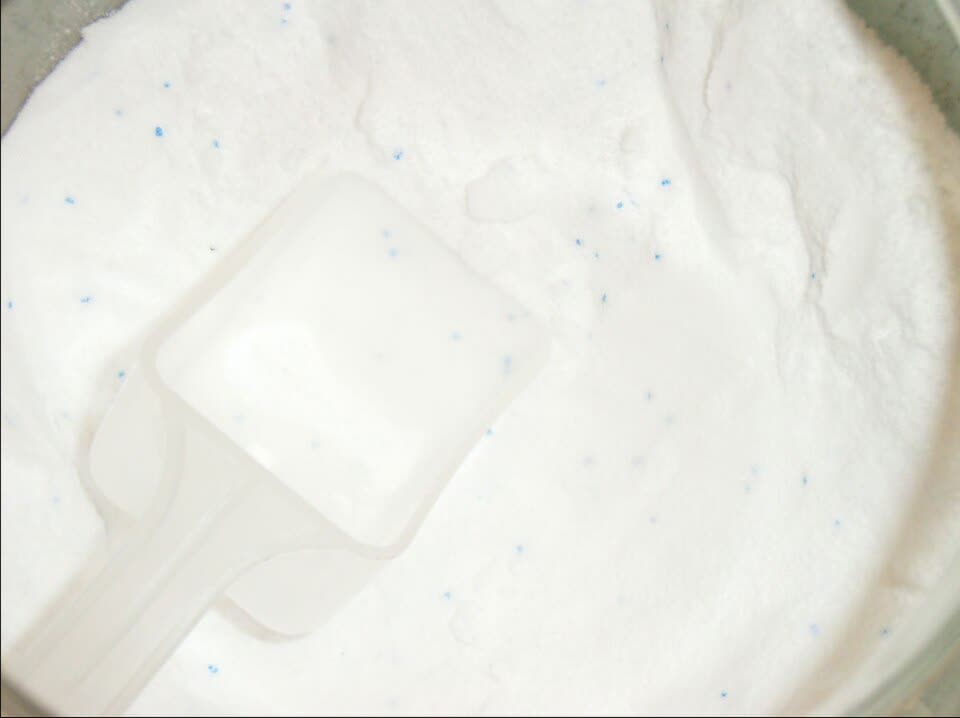
| Powdered soap + builders | Grated bar soap, washing soda, borax; dry powder | Standard top‑loaders, warm/hot washes, light to moderate soil | May clump or leave residue in some machines |
| Liquid castile‑based mix | Liquid castile soap, washing soda/borax, water | HE or standard machines, cold washes, mixed everyday loads | Often weaker on heavy grease without boosters |
| Soap‑heavy “simple” recipes | Mostly bar or liquid soap, small amount of builder | Very lightly soiled loads, delicates, handwashing | Higher likelihood of fabric/machine buildup over time |
This table reflects patterns and user reports from sources like DG Floors’ DIY detergent guide, Homedit’s recipe roundup, and commentary on Healthy House on the Block.
Powdered bar-soap mixes
Many classic DIY recipes grate bar soap and mix it with washing soda and borax into a dry powder. People appreciate that:
- It feels familiar and “strong” like old-school laundry soap.
- Builders (washing soda, borax) can boost cleaning in hard water and help with odor.
Fans on communities such as r/CleaningTips describe mixtures around one-third washing soda, one-third borax, one-third ground soap as performing similarly to conventional detergent for their loads. But other users and bloggers report residue in some machines, especially high-efficiency models that use less water and cooler cycles.
If you go this route:
- Use small doses, especially in HE machines.
- Prefer warm water so the soap dissolves more completely.
- Watch for signs of buildup: towels feeling stiff or gray, or a filmy ring in the washer.
Liquid castile-based recipes
Liquid mixes built around castile soap are often suggested for people who want fewer additives, easier dissolving, and cold-water washing. Recipes at sites like Centennial Roots highlight these typical benefits:
- Gentler surfactant system compared with many mainstream detergents.
- Fully pre-dissolved, so they distribute better in cold cycles.
- Easy to tweak: you can add or omit baking soda, borax, or oxygen bleach.
These liquid formulas can be a good fit for:
- Mixed-family laundry where some members have sensitive skin.
- HE machines, which tend to handle low-sudsing liquids more smoothly than shavings of bar soap.
- Cold washes, which are now common to save energy and protect colors.
They’re usually less effective for very heavy oil or protein stains (auto work, commercial kitchens) unless you pre-treat or add an oxygen bleach booster.
Soap-heavy simple mixes and the buildup question
Some guides and blogs emphasize that soap-based DIY mixtures are not true detergents and may leave a film when the wash water is cool or mineral-rich. Healthy House on the Block explains that bar soaps can react with minerals, creating deposits that cling to fabric fibers and potentially accumulate in HE machines over time.
That doesn’t mean every soap recipe is harmful or will damage your washer, but it does suggest:
- If you have very hard water and a high-efficiency machine, a soap-heavy mix with minimal builders is more likely to leave residue.
- If you mostly wash athleisure, towels, and synthetics that already hang onto body oils and odor, buildup can make them smell worse, not better.
For many households, the “best” DIY approach is either a builder-balanced powder used carefully or a low-sudsing liquid, rather than a soap-only blend.
How to Choose (or Skip) Homemade Detergent for Your Laundry
You’re deciding between three broad options:
- A powdered soap + builder mix.
- A liquid castile-based detergent alternative.
- Staying with a commercial detergent and maybe simplifying your brand/ingredients.
Walk through these factors in order.
1. Start with your washer and water
- Machine type: If you have an HE front-loader, many sources and users report smoother results with low-sudsing liquid recipes than with grated bar soap powders.
- Water hardness: In very hard water, builders (washing soda, borax) can help, but soap-heavy formulas are more prone to residue. That steers many households toward a balanced powder or a liquid with builders, or toward staying with a commercial detergent designed for hard water.
2. Look at what you actually wash
- Mostly lightly soiled everyday clothes and sheets? A modest-strength DIY mix can work.
- Lots of sweaty athletic wear, towels, or work clothes with grease? You may need:
- A DIY formula with builders plus oxygen bleach, and regular stripping/pre-treating, or
- A proven commercial detergent and occasional booster.
The more demanding your laundry, the less forgiving soap-based homemade mixes become.
3. Decide your ingredient comfort level
Common DIY builders like borax and strong washing soda raise questions for some readers about skin sensitivity and environmental impact. Blogs such as Healthy House on the Block and Wholenewmom discuss balancing cleaning power against those concerns without calling any ingredient universally safe or unsafe.
If you’re cautious about borax or oxygen bleach:
- Favor small, measured doses and keep the recipe simple.
- Skip borax entirely and lean on washing soda + baking soda, knowing you may sacrifice some cleaning power.
If you’re comfortable with standard DIY ingredients and want more cleaning strength from a homemade mix, a carefully measured builder-rich formula may give you better results than a very mild, soap-only recipe.
4. Match a recipe style to three typical households
Think in terms of scenarios rather than a single “best” formula.
- Budget-focused, standard top-loader household
- Loads: regular family laundry, moderate soil.
- Possible fit: Powdered bar soap + washing soda + borax, used in small doses with warm water.
- Watch for residue; if towels feel coated, dial back the soap or switch to a liquid.
- HE washer + sensitive skin household
- Loads: mixed family clothing, baby items, lots of cold cycles.
- Possible fit: Liquid castile-based mix with moderate builders, fragrance-free.
- Keep doses modest and monitor rinse quality.
- Heavy-use, performance-first household
- Loads: sports gear, work uniforms, lots of synthetic fabrics and stains.
- Possible fit: Often stay with a proven commercial detergent, maybe paired with occasional DIY boosters like oxygen bleach in separate doses, rather than relying on a homemade detergent as your only cleaner.
5. If DIY isn’t for you
You may read all this and decide mixing soap, builders, and boosters at home isn’t worth the trade-offs or experimentation. That’s a reasonable outcome.
If you prefer not to DIY:
- Look for low-additive commercial detergents (clear labeling, no added fragrance or dyes).
- Use separate boosters (like oxygen bleach) only when needed instead of relying on an aggressive everyday formula.
That path still gives you control over ingredients and performance without taking on the quirks and potential residue issues of soap-based homemade mixtures.
The “best” homemade laundry detergent is the one that fits your specific machine, fabric mix, stain level, and comfort with DIY ingredients. For some households that’s a simple liquid castile recipe; for others it’s a carefully measured powder—or no homemade detergent at all.